

Executive Overview
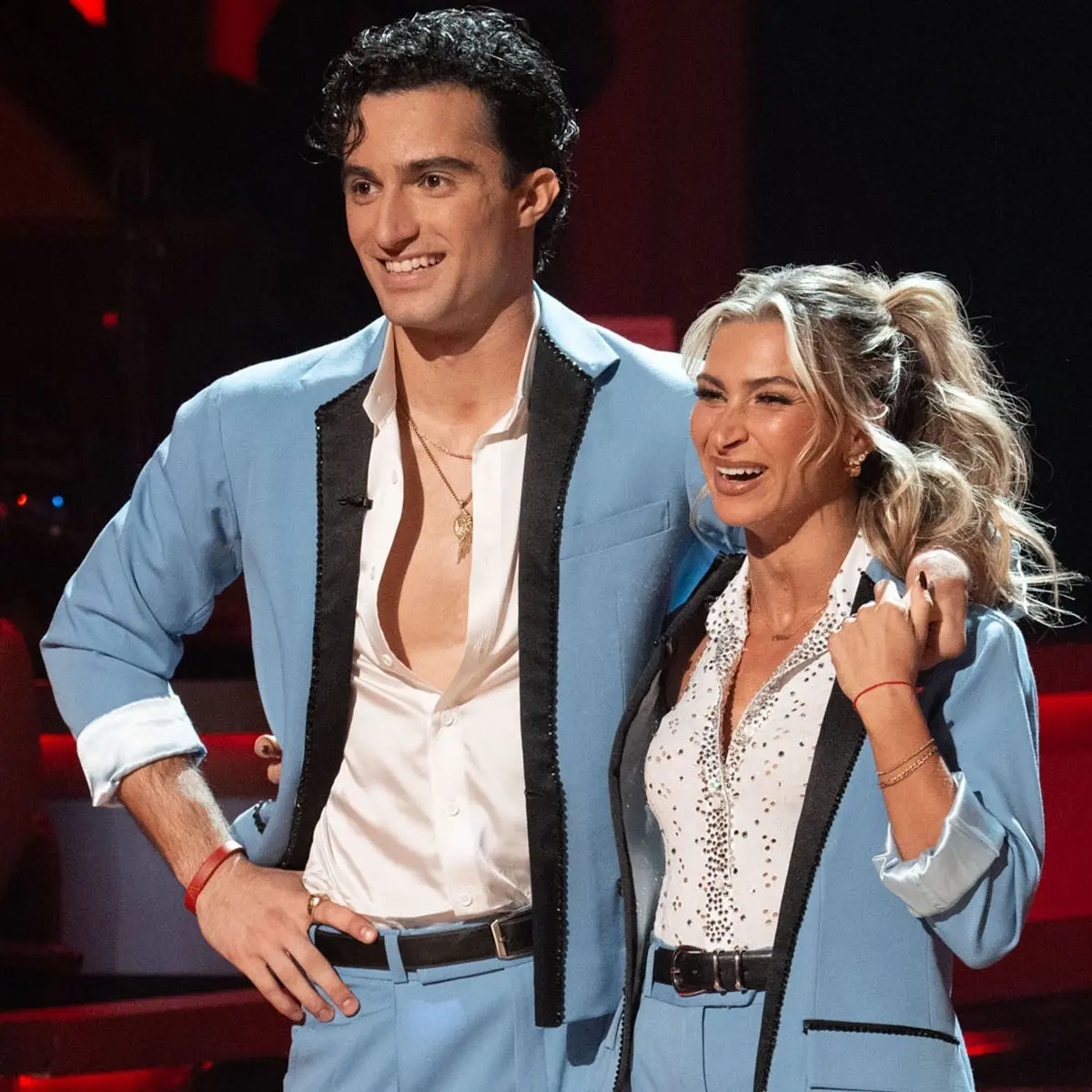
The grand finale of Dancing with the Stars Season 35 delivered one of the most unforgettable, emotionally resonant, and barrier-shattering moments in reality television history. Paralympian athlete and disability advocate Ezra Frech captured the coveted Mirrorball trophy alongside his professional dance partner, Daniella Karagach. In doing so, Frech etched his name into the record books as the first-ever Paralympian, the first amputee, and the youngest male contestant to win the competition.
However, the path to the championship was not without breathtaking peril. During a powerful freestyle routine set to Linkin Park’s anthemic track "Numb," Frech experienced a heart-stopping wardrobe malfunction: his prosthetic leg unexpectedly lost suction and detached mid-performance. Displaying otherworldly composure, supreme athleticism, and unflinching grit, Frech seamlessly integrated the mishap into the choreography. He balanced entirely on one leg to lift Karagach, rapidly reattached his prosthetic, and completed the routine without missing a beat.
The resulting performance earned him unanimous, flawless scores of 10 from the judging panel and ignited a global conversation about inclusivity, representation, and the boundless potential of the human spirit. This comprehensive report examines the dramatic events of the finale, the meticulous execution of Frech’s recovery, the broader cultural ripple effect of his triumph, and a behind-the-scenes look at the inner workings of America’s premier dance competition.
Detailed Chronology: The Anatomy of a Mid-Performance Crisis
To understand the magnitude of Ezra Frech’s achievement on November 24, one must examine the precise sequence of events that unfolded during the Season 35 finale.
Frech and Karagach designed their freestyle routine to shatter conventional television tropes regarding disability. Eschewing a traditional "sob story," the duo opted for pure, high-intensity power. They recruited wheelchair users and professional dancers Joel Brown and Rafael Castellano as guest stars, creating a dynamic multi-tiered ensemble intended to redefine how mainstream audiences perceive physical differences.
The Opening Moments and the Unexpected Malfunction
True to the conceptual framing of the piece, Frech elected to begin the poignant performance entirely without his prosthetic leg. This deliberate choice underscored his comfort and confidence in his own body. As the opening notes of "Numb" reverberated through the studio, Frech moved fluidly on the floor before donning his prosthetic mid-show to transition into high-tempo choreography.
As the intensity escalated, the unpredictable physical demands of the cha-cha and contemporary-infused routine took a toll. The suction seal on Frech’s prosthetic compromised under the rigorous kinetic stress of the dance. In an instant, the worst-case scenario for any stage performer occurred: the prosthetic leg unsuctioned and slipped completely off.
The Heroic Pivot
With millions of live viewers watching and the pressure of the championship hanging in the balance, Frech faced a split-second decision. Rather than panicking, halting the music, or signaling for assistance, he leaned entirely into his athletic training.
Maintaining strict synchronization with Karagach, Frech executed a gravity-defying lift, supporting his partner’s entire body weight while balancing precariously on his remaining leg. The seamless execution of the lift left the studio audience gasping, initially unaware that the maneuver was an improvised adaptation rather than choreographed staging.
Following the lift, Frech smoothly retrieved his detached prosthetic, reattached it with practiced precision, and transitioned directly back into the intricate footwork of the routine. The transition was so flawless that cohost Alfonso Ribeiro later confirmed to the audience that the dramatic moment had been entirely spontaneous.
Supporting Context & Metrics: The Mechanics of Dancing with the Stars
While Frech’s resilience dominated headlines, the historic victory also turned a spotlight onto the complex mechanical, financial, and logistical machinery that powers Dancing with the Stars. Winning the Mirrorball trophy is the culmination of grueling months of physical labor, creative collaboration, and strict television production protocols.
The Rigorous Training Regimen
The physical toll exacted by Dancing with the Stars is notoriously severe, often surprising even elite athletes. Speaking on various podcast appearances, former contestants and professional dancers have shed light on the exhaustive schedules required to compete at a championship level.
- Daily Commitment: Competitors and pros typically endure mandatory four-hour daily rehearsals. Standard time blocks span from 9:00 a.m. to 1:00 p.m., 1:00 p.m. to 5:00 p.m., or 5:00 p.m. to 9:00 p.m.
- Administrative and Creative Labor: Rehearsal hours represent only a fraction of the daily workload. Dancers frequently spend their evenings meeting with producers, refining creative concepts, studying competitor footage, and mapping out intricate footwork.
- The Weekly Cycle: The professional schedule operates on an unrelenting seven-day loop. Following the Tuesday night live broadcast, contestants resume rehearsals immediately from Wednesday through Sunday. Mondays are dedicated to comprehensive camera blocking on the soundstage, culminating in the live Tuesday showcase.
The Financial Landscape of the Ballroom
Public curiosity regarding the compensation structure for both celebrities and professional dancers is frequently a subject of intense industry speculation. While ABC maintains strict confidentiality regarding specific contracts, leaks and insider revelations over the years have provided a clearer picture of the financial incentives.
- Celebrity Remuneration: Industry reports, including data cited by Variety, indicate that celebrity contestants secure a base payment of approximately $125,000 covering the pre-season rehearsal period and the initial two weeks of live shows. As contestants survive successive elimination rounds, their weekly compensation scales upward, with historical maximum caps hovering near $295,000. However, exceptional negotiated contracts—such as those discussed by Season 27 winner Bobby Bones—can push total earnings closer to $400,000 depending on weekly milestone payouts and longevity in the competition.
- Professional Dancer Compensation: Professional partners operate under tiered contracts. Even if a professional is eliminated in the preliminary rounds, guaranteed contracts ensure compensation for a baseline number of weeks. Crucially, winning the trophy does not yield a cash bonus from the network; professionals receive a fixed weekly scale, a potential production bonus for reaching the grand finale, and the coveted physical trophy to share with their celebrity partner.
- Troupe Dynamics: The financial disparity between full-time professional partners and troupe members remains significant. Former pros like Lindsay Arnold have publicly noted that transitions from main roster professional to troupe dancer can result in salary reductions exceeding 50 percent.
Behind the Scenes: Casting, Costuming, and Music Selection
The seamless presentation of each Tuesday night broadcast belies an intensely complex production apparatus involving dozens of specialized departments.
- The Blind Pairing Process: Professional dancers have virtually no input regarding their celebrity partners. The matching process is heavily guarded by network executives to capture genuine, unscripted reactions when the pairs meet live on air. Former showrunners note that pairings are calculated meticulously based on height, physical build, personality compatibility, and psychological resilience to ensure a harmonious working dynamic during the intense multi-month production.
- The Costuming Miracle: The wardrobe department operates under astonishingly tight deadlines. Costume designer Daniela Gschwendtner and her team of approximately 20 specialists, supported by an independent tailor shop, operate on a maximum five-day turnaround window to conceptualize, sketch, construct, and rhinestones-adorn custom outfits for every competing pair each week. With rare exceptions for group numbers, costumes are built entirely from scratch to ensure a fresh visual aesthetic for every live broadcast.
- Creative Collaboration: Song selection and thematic development are handled through a collaborative dialogue between the professional dancers and the show’s executive producers, ensuring each routine aligns with both the celebrity’s personal narrative and the overarching tonal arc of the season.
Official Statements and Industry Reactions
The immediate aftermath of Frech’s performance and subsequent victory generated an unprecedented wave of praise from judges, fellow athletes, and entertainment industry veterans. The cultural resonance of the moment transcended standard reality television critiques, positioning Frech as a transformative figure in modern media representation.
The Judges’ Verdict
The judging panel was visibly moved by the gravity of the moment, offering unanimous praise that broke from traditional technical critiques to address the broader societal impact of the routine.
-
Derek Hough: Visibly shaken by the display of resilience, Hough lauded Frech as a genuine hero whose actions would leave a permanent mark on popular culture.
"This performance will have a ripple effect far beyond this show. What you did tonight was forever," Hough remarked live on air. "Kids will look up to you and see what’s possible. The worst-case scenario might have happened, and you wouldn’t even have known the way you rose in that moment."
-
Bruno Tonioli: Echoing Hough’s sentiments, Tonioli emphasized the transcendent nature of the broadcast.
"What we witnessed tonight goes beyond dancing. This is a powerful, beautiful, life-affirming statement that will inspire the nation and the world."
Ezra Frech on the Mission Behind the Movement
Reflecting on the malfunction and the emotional weight of his journey to the finale, Frech remained steadfastly focused on the broader disability community rather than personal accolades.
"The leg unsuctioned, and it came off in the middle of the dance," Frech explained backstage following the broadcast. "Pero listen, we put our heart, our blood, our sweat, our tears into this. If one person with a disability feels more confident and holds their head up high because of this show, then I’ve done my job."
In pre-taped rehearsal packages, Frech articulated his desire to challenge entrenched societal perceptions of physical impairment. Addressing Daniella Karagach through tears during training, he noted:
"I want it to be a celebration of what is possible when you’re different. What you’ve done, leaning into my prosthetic, finding such a beautiful way to highlight it and not shy away from it, is unbelievable… No sob story. This is all about power."
Upon securing the historic victory—culminating in his status as the first Paralympian, first amputee, and youngest male champion in the history of the franchise—Frech summarized the achievement with profound clarity:
"This is the most special moment of my life."
Future Outlook: The Enduring Legacy of Season 35
The conclusion of Dancing with the Stars Season 35 marks a watershed moment for network television casting and disability representation in mainstream entertainment. By welcoming elite adaptive athletes and platforming physical diversity without pandering to tired tropes, the production has established a new benchmark for inclusive programming.
For Ezra Frech, the victory serves as a powerful springboard for ongoing advocacy. As a co-founder of Angel City Sports and a vocal champion for adaptive athletes worldwide, Frech’s platform has expanded exponentially. The global visibility afforded by his ballroom triumph—amplified by his unflappable grace under pressure—guarantees that his message of empowerment will resonate long after the lights of the Season 35 stage have faded.
Moving forward, television executives and casting directors face a heightened standard. The unprecedented audience engagement and critical acclaim generated by Frech’s run demonstrate unequivocally that audiences are eager for authentic, diverse narratives that celebrate human capability in all its forms. As Dancing with the Stars looks toward future seasons, the legacy of Ezra Frech and Daniella Karagach’s historic freestyle will remain a shining testament to the power of resilience, preparation, and unapologetic self-expression.
