

By Marissa Dow | Published: November 26, 2026, 1:31 AM EST
Updated for comprehensive broadcast and logistical analysis.
Executive Overview
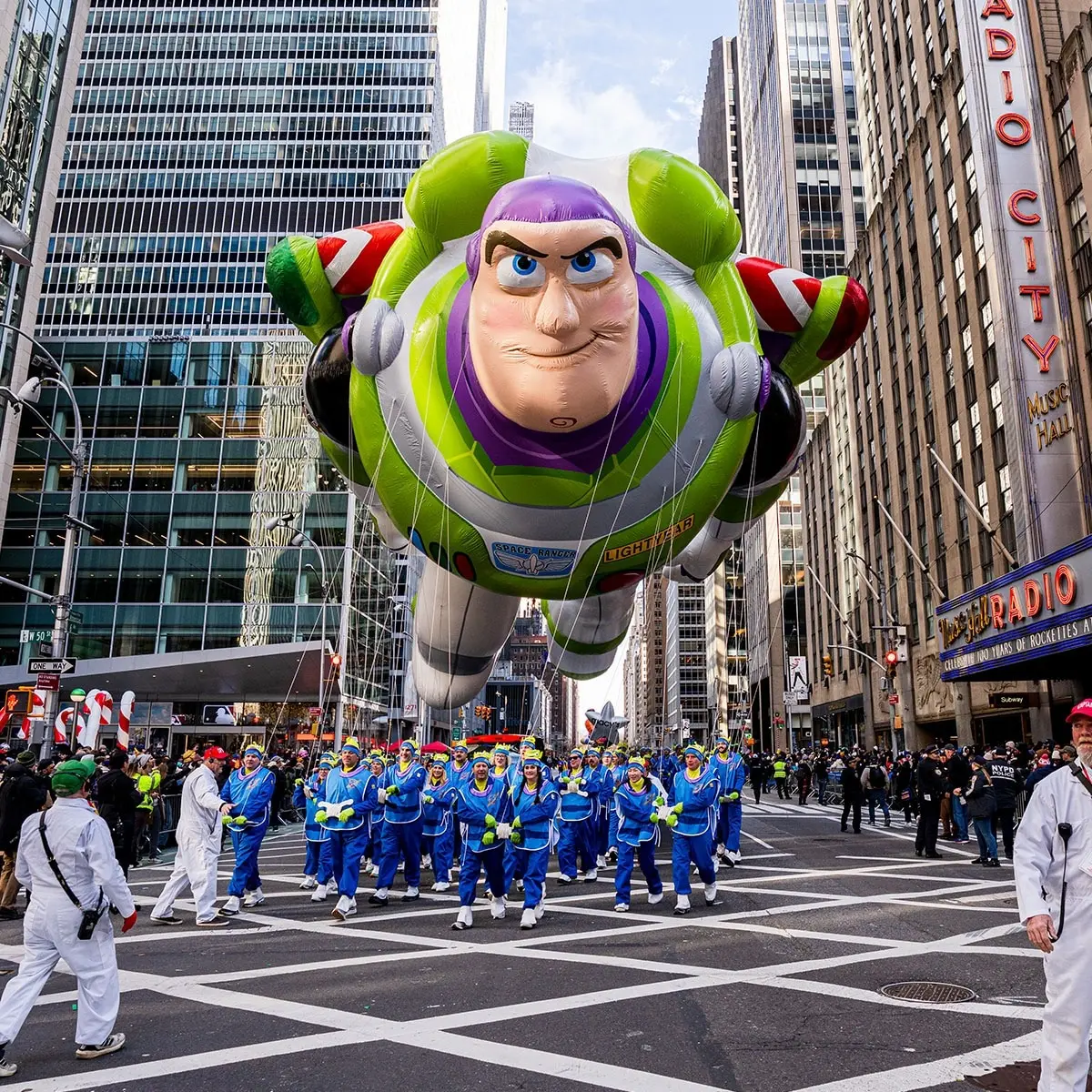
In a stunning turn of events that shatters nearly a century of holiday tradition, the 2026 Macy’s Thanksgiving Day Parade has been officially postponed due to a severe and dangerous weather system bearing down on the New York metropolitan area. Marking only the fourth time the iconic event has faced major operational disruptions since its grand debut in 1924, city officials, Macy’s executives, and broadcast partner NBC made the unprecedented joint decision to shift the massive public spectacle from Thanksgiving Thursday to Saturday, November 28, 2026.
The primary catalyst for this historic disruption is a severe combination of high-velocity winds and torrential downpours forecasted for Manhattan on Thanksgiving morning. City safety regulations strictly mandate the grounding of the parade’s signature giant helium-filled character balloons when sustained winds exceed 23 mph or gusts surpass 34 mph. With meteorological models pointing toward hazardous conditions that threaten both the hundreds of thousands of spectators lining the streets and the thousands of marching participants, performers, and handlers, organizers chose public safety over tradition.
As millions of Americans grapple with the sudden alteration of their holiday routines—traditionally spent watching hosts Savannah Guthrie, Hoda Kotb, and Al Roker guide viewers through the midtown Manhattan route—NBC has scrambled to assemble a viable broadcasting alternative. To fill the multi-hour morning television vacancy, the network announced it will re-air the entirety of the critically acclaimed 2025 Macy’s Thanksgiving Day Parade broadcast starting at 8:00 AM across all time zones.
While this programming pivot guarantees viewers a nostalgic dose of holiday cheer featuring star-studded performances from the likes of Cynthia Erivo, Teyana Taylor, and Busta Rhymes, the logistical fallout of the calendar shift threatens to create a cascading series of challenges for marching bands, talent wranglers, and Macy’s production teams.
Detailed Chronology of the Decision
The path toward postponing one of America’s most beloved holiday traditions was paved by rapidly deteriorating weather forecasts issued early in the week leading up to Thanksgiving.
Meteorological Warnings and Safety Thresholds
By Monday, November 23, 2026, National Weather Service models began highlighting a potent low-pressure system tracking up the Eastern Seaboard. The system promised a volatile mix of heavy precipitation and gale-force wind gusts channeled directly through the urban canyons of midtown Manhattan—a geographic layout notorious for creating unpredictable wind tunnels that pose severe hazards to oversized inflatables.
Macy’s parade operations team, in constant coordination with the New York City Police Department (NYPD) and the Office of Emergency Management (OEM), closely monitored the storm’s trajectory. Historically, safety protocols established in the wake of high-profile balloon incidents in the late 1990s have given city officials zero tolerance for risk regarding wind speeds.
The Joint Announcement
By late afternoon on Tuesday, November 25, it became clear that holding the parade on Thanksgiving Day was no longer tenable. In a statement released to E! News, an NBC spokesperson confirmed the historic shift:
"Due to the extreme weather conditions, the city of New York, Macy’s and NBC have decided, in the interest of safety for both the participants and spectators, to move the Macy’s Thanksgiving Day Parade to Saturday, Nov. 28. More details to follow."
The decision sent immediate shockwaves through the entertainment, travel, and hospitality industries. For the first time in modern history, the sound of marching snare drums and holiday brass will not echo down Broadway on the fourth Thursday of November.
Supporting Context & Metrics: The 2025 Rebroadcast as a Safety Net
Faced with the daunting task of replacing hours of live network television on one of the most-watched mornings of the year, NBC turned to its own recent history. At 8:00 AM across all time zones, the network will re-broadcast the 2025 Macy’s Thanksgiving Day Parade.
For audiences tuning in, the "leftovers" from last year promise high production values and memorable cultural moments that captivated millions just twelve months prior.
Highlights of the 2025 Spectacle
- The Grand Overture: The 2025 broadcast memorably kicked off with Wicked star Cynthia Erivo delivering a breathtaking, soulful rendition of Nina Simone’s "Feeling Good," setting an elevated theatrical tone for the morning.
- Star-Studded Musical Acts: Viewers were treated to dynamic performances by hip-hop icon Busta Rhymes, R&B powerhouse Teyana Taylor, and the enigmatic "Mr. Fantasy"—widely speculated by fans and pop-culture sleuths to be the stage persona of Riverdale star KJ Apa.
- Timeless Traditions: The broadcast featured the legendary Radio City Rockettes, who have been an immutable fixture of the holiday special since 1957, alongside the mandatory, triumphant arrival of Santa Claus to officially usher in the Christmas season.
- A Galaxy of Celebrities: The 2025 event was packed with star power, including appearances by comedian Michelle Buteau, Christmas music staple Darlene Love, NFL quarterback Russell Wilson alongside wife Ciara and family, rap legend Lil Jon performing atop the Toys R Us float, and acclaimed singer-songwriter Jewel. Additional appearances by Oscar winner Jessica Chastain, comedians Eric André and Hasan Minhaj, pop icons Deborah Gibson and Colbie Caillat, and the iconic duo of lifestyle personality Dorinda Medley and Saturday Night Live star Bowen Yang cemented the 2025 edition as a modern classic.
By opting to re-air this specific lineup, NBC ensures that viewers still receive their holiday morning entertainment fix, albeit with a heavy dose of retrospective nostalgia.
Logistical Nightmares and Industry Impact
While television audiences can simply adjust their viewing habits to a rebroadcast and a delayed Saturday spectacle, the operational reality behind moving a massive live event by 48 hours is an unprecedented logistical hurdle.
The Marching Band Dilemma
During an on-air report for NBC News, correspondent Jesse Kirsch highlighted the immense structural complications facing out-of-town participants, particularly high school and university marching bands.
"The parade on Saturday may not include everyone who was supposed to be in it," Kirsch reported. "I just spoke with the director of one of the bands. He told me they’ve got flights, they’ve got hotel rooms that are set in stone, and it’s unclear if they would be able to rearrange things."
For hundreds of student musicians from across the country, participation in the Macy’s parade is the culmination of years of fundraising, planning, and specialized rehearsal. A sudden shift to Saturday introduces catastrophic budget overruns:
- Travel Restructuring: Airlines charge heavily for flight changes, and group bookings are notoriously rigid. Many schools may find themselves unable to afford or logistically unable to secure return flights outside of their original Thanksgiving-night or Friday departure windows.
- Lodging Extensions: Securing hotel rooms in Manhattan over a holiday weekend is difficult and exorbitantly expensive. Extending stays by two nights to accommodate a Saturday performance stretches tight academic travel budgets to their breaking points.
- Chaperone and Academic Constraints: Student groups travel under strict school district guidelines, liability policies, and chaperone ratios. Extending trips past the Thanksgiving break conflicts with academic calendars and staff availability.
Talent and Float Coordination
Beyond marching bands, the parade relies on a complex choreography of celebrity talent, Broadway casts, balloon handlers, and float drivers. Many performers maintain rigorous touring and shooting schedules; a Saturday slot may directly conflict with pre-existing weekend commitments, forcing Macy’s event producers to scramble for last-minute lineup adjustments.
Historical Perspective: Rare Interruptions in Parade History
To understand the magnitude of the 2026 postponement, one must look back at the nearly century-long history of the Macy’s Thanksgiving Day Parade. Since its inception in 1924 (originally launched as the "Macy’s Christmas Parade" before being officially renamed), the event has proven remarkably resilient, marching through economic depressions, wartime restrictions, and political upheavals.
Prior to 2026, the parade had only been significantly interrupted or altered a handful of times:
- World War II (1942–1944): The parade was suspended entirely for three years due to the wartime rationing of rubber and helium, critical resources needed for the Allied war effort. During these years, Macy’s famously donated the parade’s massive rubber balloons to the U.S. government for scrap.
- Security and Weather Anomalies: While localized wind incidents have occasionally forced balloons to fly at lower altitudes or be grounded entirely (such as during the high winds of 1997 that injured several spectators), complete scheduling postponements of the live public march are virtually unheard of in peacetime history.
The 2026 postponement thus etches itself into the history books as a rare instance where modern meteorological forecasting and heightened safety protocols successfully preempted a potential disaster on the streets of New York.
Future Outlook: What to Expect on Saturday, November 28
As the city redirects its energy toward the weekend, attention now turns to how the rescheduled event will actually manifest on Saturday, November 28, 2026.
What We Know So Far
- Broadcast Plans: NBC is expected to provide modified live or delayed broadcast coverage of the Saturday parade, though exact airtimes and network programming adjustments are still being finalized as production teams assess talent availability.
- Crowd Dynamics: Moving the parade from a Thursday family holiday to a Saturday morning introduces entirely different crowd dynamics. While Thursday morning draws millions of local spectators and tourists who have built their Thanksgiving day around the event, a Saturday parade must contend with normal weekend urban traffic, retail congestion, and altered commuter schedules.
- Safety Outlook: Meteorological forecasts for Saturday show the storm system clearing out, paving the way for crisp, stable late-autumn weather that will allow the iconic character balloons to take flight safely.
Final Takeaway
While the disruption of a century-old holiday cornerstone is undoubtedly disappointing for millions of families and poses a monumental challenge for event organizers, the proactive decision to prioritize human safety underscores how modern risk management has evolved. As viewers settle in on Thanksgiving morning to re-relish the musical triumphs of 2025, the eyes of the nation will pivot toward Manhattan for a historic, rescheduled Saturday spectacle on November 28—proving that nothing, not even a severe storm, can permanently rain on the spirit of the Macy’s parade.
For continuous, real-time updates regarding the 2026 Macy’s Thanksgiving Day Parade schedule, marching band participation status, and broadcast details, download the E! News App or monitor official announcements from NBC News.
