

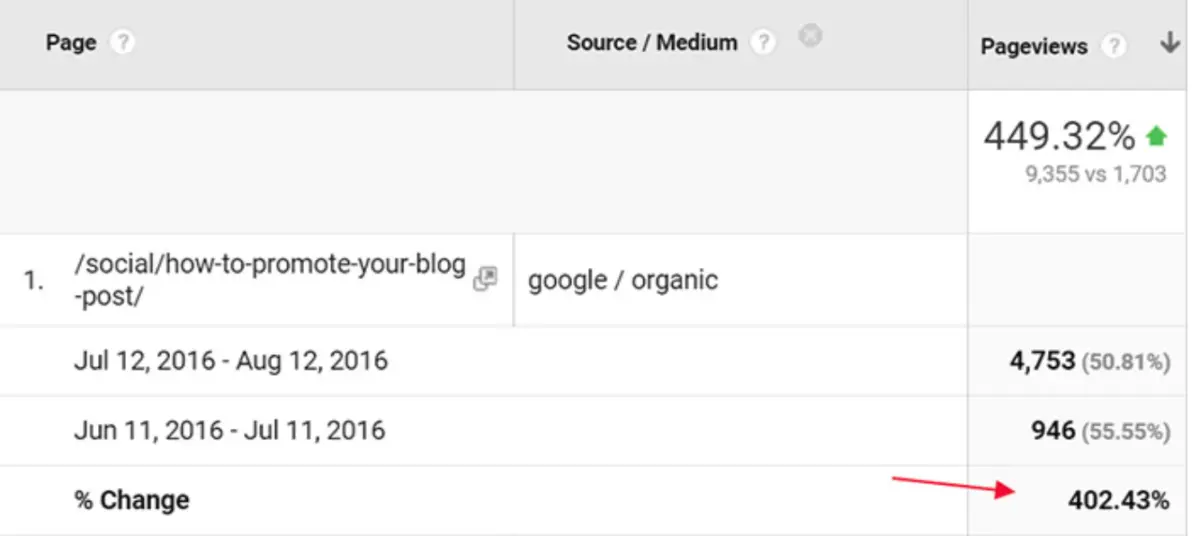
Executive Overview
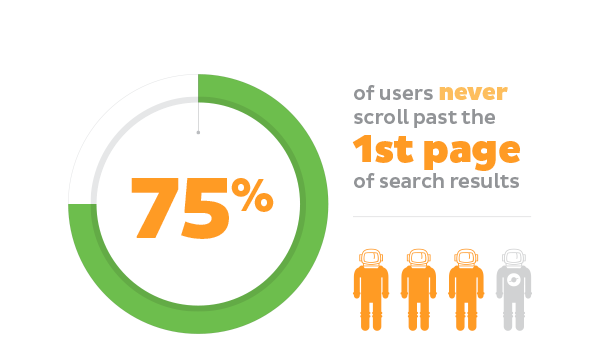
In the modern digital economy, visibility is the ultimate currency. With global users executing upwards of 3.5 billion searches every single day, search engines—predominantly Google—act as the absolute gatekeepers of consumer attention, brand discovery, and digital revenue. Yet, a stark reality governs this digital landscape: 75% of users never scroll past the first page of search results.
As the famous industry adage penned by Copyblogger’s Brian Clark notes, "The best place to hide a dead body is page 2 of the Google search results." While humorous, this statement underpins a vital business truth. Securing a coveted spot on the first page of Google is no longer just a digital marketing vanity metric; it is an existential requirement for commercial survival.
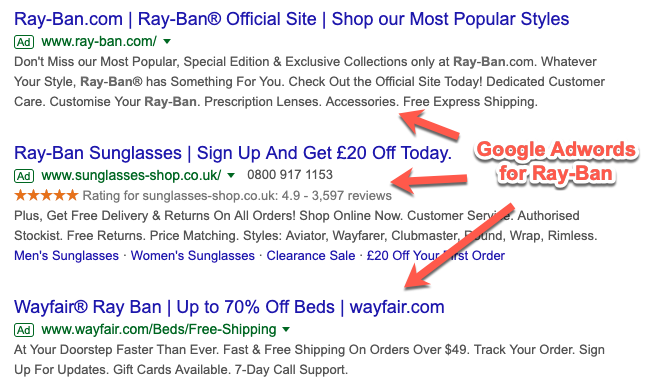
However, achieving and retaining front-page visibility has grown exponentially more complex. Modern Search Engine Results Pages (SERPs) are no longer simple lists of ten blue links. Instead, they are hyper-competitive digital real estate dominated by paid advertisements (PPC), local map packs, featured snippets, people-also-ask carousels, and Google Shopping integrations.
This comprehensive report examines thirteen actionable, data-backed strategies to help businesses across any industry break through the noise, outmaneuver competitors, and secure front-page visibility—whether through traditional on-page optimization, advanced content architecture, or alternative positioning tactics like Barnacle and Parasite SEO.

Detailed Chronology: The Evolution of Modern SERPs and Ranking Signals
To understand how to conquer the first page of Google, one must first trace how search engine architecture has evolved over the past decade. Google’s algorithms have transitioned from simple keyword-matching systems to sophisticated, intent-driven semantic engines powered by machine learning (such as RankBrain and MUM).

The Complex Modern SERP Ecosystem
When a website finally breaches the top ten organic positions, it immediately contends with a fragmented user attention span. Front-page layout features now siphon clicks away from traditional organic results:

- Paid Per-Click (PPC) Ads: Occupying prime pixel real estate at both the top and bottom of the page.
- Local Map Packs: Visual, map-based listings that dominate geo-targeted or local-intent queries.
- Featured Snippets (Position Zero): Direct answer boxes that steal up to 8.6% of clicks away from the absolute #1 organic position.
- Related Questions (People Also Ask): Expandable accordions capturing long-tail informational intent.
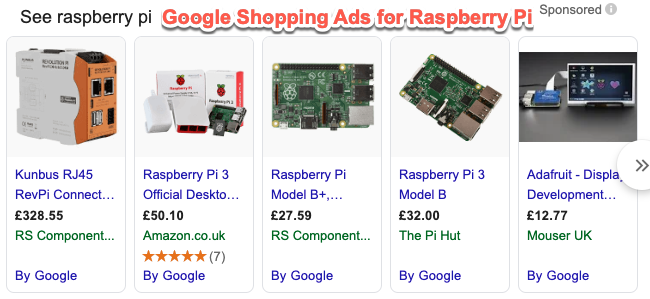
- Google Shopping / Paid Promotions: Visual product carousels commanding e-commerce intent.
Navigating this terrain requires shifting away from rigid, legacy optimization tactics. Success now depends on meticulously analyzing SERPs on a query-by-query basis and deploying the precise tactical framework required to match user intent.
Supporting Context & Metrics: 13 Ways to Get Your Website on the First Page of Google
Below is the definitive, multi-step tactical playbook designed to help your digital properties secure front-page rankings, regardless of industry or market saturation.

1: Capitalize on Your Existing Keyword Opportunities (Quick Wins)
If your keyword research is exclusively used for new content creation, you are missing out on immediate traffic gains. By using SEO platforms like Semrush alongside automated Google Sheets templates, you can identify pages already hovering on the cusp of the first page (positions 6 through 20) and push them upward overnight.
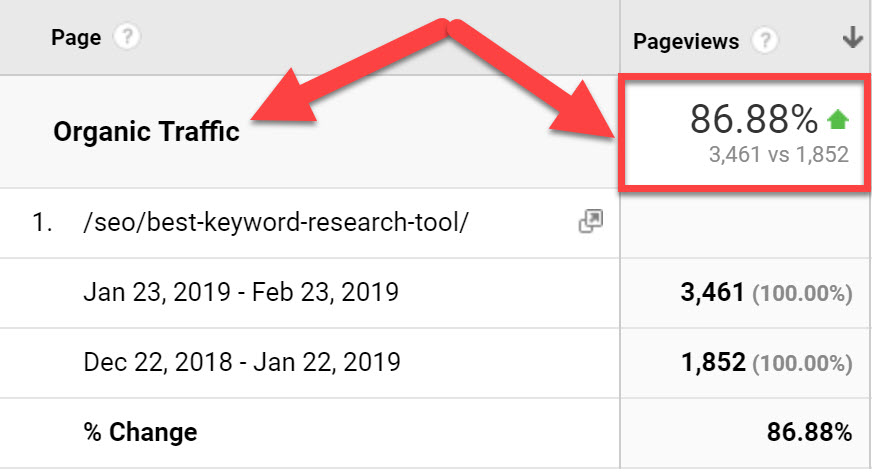
- Step 1: Run an organic research report for your domain and apply a custom filter for Positions 6–20.
- Step 2: Layer on additional parameters, such as a minimum search volume, a maximum keyword difficulty (KD%) threshold (e.g., under 49%), and a word count filter (3+ words).
- Step 3: Prioritize bottom-of-the-funnel "money" keywords over high-level informational queries.
- Step 4: Export your data into a tracking sheet, identify high-potential "quick-wins," update the content with fresher data, improve readability, and watch rankings surge.
2: Find and Eliminate Keyword Cannibalization
Keyword cannibalization occurs when multiple pages on the same domain compete for identical search queries. Far from doubling your chances, this splits backlinks, divides social shares, and confuses search engine crawlers—often causing Google to drop both pages entirely.

- Export your complete organic positions report into a CSV file.
- Feed the data into a cannibalization-tracking matrix to flag overlapping URL rankings.
- The Remedy: If competing pages offer distinct value, consolidate them into a single comprehensive canonical resource equipped with a 301 redirect. If a competing page offers no unique value, safely prune it.
3: Steal "Position Zero" with Featured Snippets
Ranking #1 is fantastic, but capturing Position Zero—the featured snippet box—allows you to steal roughly 8.6% of clicks directly from the top-ranking competitor.

- Audit Existing Opportunities: Filter your Semrush reports for keywords where your site ranks in the top 10, but a competitor holds the snippet. Restructure your content using concise paragraph definitions, bulleted lists, or structured tables to capture the spot.
- Target New Opportunities: Identify queries where competitors hold snippets, analyze their structural format, and outperform them by providing a clearer, more comprehensive answer.
4: Dominate the Google Map Pack
For local businesses, traditional organic rankings are only half the battle. Google frequently triggers the Local Map Pack at the top of SERPs even without explicitly localized modifiers like "near me." According to official Google guidelines, your local pack ranking is driven by three primary pillars: Relevance, Distance, and Prominence. Optimize your Google Business Profile regularly, build consistent local citations, and generate authentic customer reviews.

5: Target Low-Competition, High-Intent Long-Tail Keywords
Long-tail keywords feature lower individual monthly search volumes but boast significantly higher conversion rates due to hyper-specific user intent (e.g., searching for "Sony 50 inch 4K TV under $1000" versus simply "Sony TV"). Mine these terms using advanced keyword magic tools or by analyzing competitors’ long-tail footprints.

6: Leverage "Barnacle SEO"
When competing against billion-dollar monoliths (such as TripAdvisor in travel, Zillow in real estate, or Avvo in legal), direct competition is often futile. Instead, practice Barnacle SEO—attaching your brand to massive, high-authority platforms that already dominate the SERPs. Contribute expert commentary, participate in industry forum threads (such as Quora), and build optimized directory profiles to piggyback on their authority.

7: Deploy "Parasite SEO" for Ultra-Competitive Keywords
When keywords are exceptionally competitive (such as broad industry terms with high difficulty scores), publish optimized content directly onto high-authority third-party publications or guest blogging networks. By leveraging their established domain authority, you can bypass the months or years required to build your own domain’s link profile while driving immediate referral traffic and customer acquisition.

8: Meticulously Match Content Type to SERP Intent
A frequent pitfall in digital marketing is targeting a keyword with the wrong content format. If searchers looking for "interactive infographics" are served long-form listicles, attempting to rank a static product page will fail. Always study the top-ranking results for your target query before writing a single word to confirm whether Google prefers comprehensive guides, video content, product category pages, or interactive tools.
9: Qualify Keywords with Page-Level Link Signals
Domain authority matters, but page-level backlink signals correlate most strongly with first-page rankings. Before committing resources to a keyword, analyze the Authority Score (AS) and the number of unique Referring Domains pointing to the URLs currently occupying the top ten spots. Unless your content can match or exceed those link profiles—or unless you spot an obvious gap in topical relevance—avoid wasting time on unwinnable battles.
10: Build Page-Level Authority Aggressively
Outranking established brands requires active page-level authority building.

- Competitor Backlink Replication: Use backlink analysis tools to filter out spam and extract high-value, text-based follow links pointing to competitor pages.
- Backlink Gap Analysis: Uncover referring domains linking to multiple competitors while ignoring your property.
- Strategic Internal Linking: Supercharge newly published assets by passing link juice from your site’s existing high-authority, high-traffic pages via contextual internal links.
11: Expand Your Organic Footprint (Semantic Keyword Clustering)
A single high-performing asset can rank for hundreds or thousands of secondary and semantic keywords. By running keyword gap and topic research, you can weave related terms, synonymous phrases, and answering variations into your content architecture, driving the vast majority of your organic traffic from long-tail semantic variations rather than just the head term.

12: Embrace a Mobile-First Mindset
With mobile devices driving the vast majority of web traffic, Google relies entirely on mobile-first indexing. A slow, unresponsive, or poorly formatted mobile site will tank your rankings across all devices. Regularly run your URLs through Google’s Mobile-Friendly Test, audit site-wide usability in Search Console, and optimize page load speeds using PageSpeed Insights and GTmetrix.

13: "Pay to Play" via Paid Search and Sponsored Listings
When organic SEO timelines are too slow for immediate business goals, bridge the gap with paid acquisition. Utilize Google Ads text ads, local map pack sponsored placements, and paid directory or review platform listings (such as G2 or Avvo). Analyze competitor ad histories to identify long-converting keywords and optimize your ad spend efficiently.

Official Statements & Industry Expert Perspectives
Industry leaders continue to emphasize the nuanced shift from rigid keyword stuffing to absolute user-intent satisfaction. As search engines integrate advanced natural language processing, technical hygiene must be paired with exceptional content quality.

Furthermore, search engine optimization experts consistently warn against relying solely on primary keyword optimization. As demonstrated by multi-keyword ranking studies, sustainable organic growth is achieved by capturing broad semantic clusters and establishing robust topical authority across entire content verticals.

Future Outlook
The landscape of search engine optimization is undergoing its most radical transformation in decades. The rise of generative AI-powered search experiences (such as Google’s Search Generative Experience) means that traditional blue links will face even stiffer competition from conversational, synthesized answers directly on the SERP.

To future-proof your digital presence and maintain first-page visibility moving forward, organizations must:

- Prioritize E-E-A-T (Experience, Expertise, Authoritativeness, and Trustworthiness) in all content creation efforts.
- Diversify traffic acquisition channels by blending traditional technical SEO, Parasite/Barnacle strategies, and targeted paid acquisition.
- Optimize for semantic search depth, ensuring content answers every conceivable user sub-query to secure featured snippets and conversational search placements.
By executing these thirteen foundational strategies methodically, businesses can navigate algorithmic shifts, outrank entrenched competitors, and secure resilient, high-converting visibility on the first page of Google.
