

Executive Overview
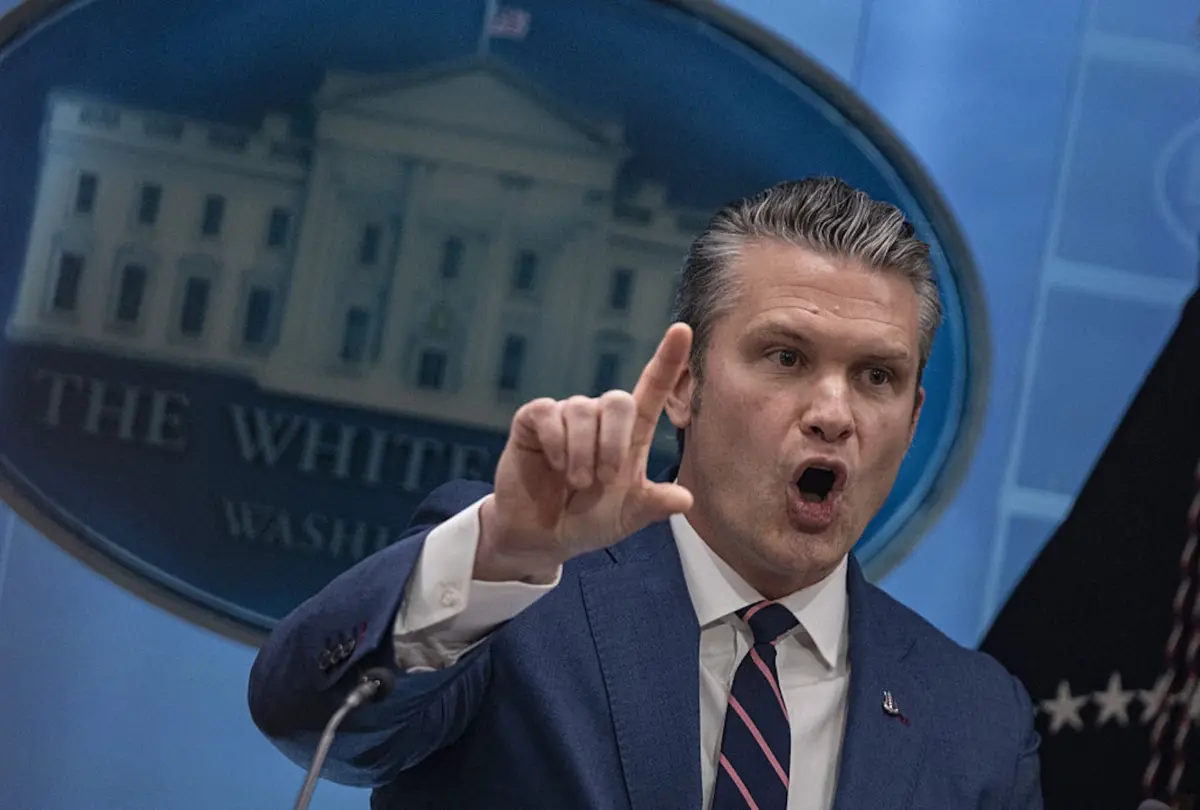
The intersection of military readiness, institutional transparency, and political narrative control has reached a boiling point within the United States Department of Defense. In late August 2026, Defense Secretary Pete Hegseth orchestrated the high-profile dismissals of top editorial leadership at Stars and Stripes—the historic, congressionally protected military newspaper that has covered American troops since the Civil War.
This unprecedented purge did not occur in a vacuum. It follows aggressive investigative reporting detailing the grueling, deplorable conditions endured by the 5,000-person crew of the nuclear-powered aircraft carrier USS Abraham Lincoln. Following a grueling, nine-month deployment in the Middle East marked by more than 260 continuous days at sea without a single liberty port, sailors and Marines faced severe logistical failures, including critical shortages of fresh water and provisions, overflowing sanitation facilities, and an acute mental health crisis.
Rather than addressing these systemic operational breakdowns, the Pentagon responded with authoritarian retaliation. In addition to firing the publisher, editor-in-chief, and a key Middle East correspondent at Stars and Stripes, the administration has cracked down on internal whistleblowers and critics. Notably, a sailor who attempted suicide by jumping overboard from the USS Lincoln faced punitive disciplinary charges of "malingering" and absence without leave, while an Air Force major was charged under Article 88 of the Uniform Code of Military Justice for criticizing the commander-in-chief.
This sweeping crackdown exposes a fundamental tension within the current defense apparatus: a growing preference for public relations management over troop welfare, structural accountability, and the protection of First Amendment rights.
Detailed Chronology: From the Middle East Deployment to the Stars and Stripes Purge
The events leading up to the legal battle between dismissed journalists and the federal government reveal a systematic effort to suppress inconvenient truths about America’s military engagements abroad.
The USS Abraham Lincoln Deployment
- The Long Haul: The USS Abraham Lincoln carrier strike group completed a grueling nine-month deployment to the Middle East, spending over 260 consecutive days at sea. Crew members were denied liberty port visits, intensifying the psychological and physical strain on personnel.
- Logistical Collapse: The destruction of the U.S. naval logistics hub in Bahrain on the opening day of the conflict with Iran forced the military to rely on extended, highly strained supply chains originating from distant bases like Diego Garcia. This strategic vulnerability directly translated into acute shortages aboard the Lincoln, including diminishing fresh water reserves, dwindling food supplies, and broken sanitary facilities.
- The Human Toll: Families of service members began sounding the alarm regarding a total breakdown in mental health support and degrading living conditions. The crisis escalated tragically when a sailor attempted suicide by jumping overboard, only to face disciplinary charges of "malingering" and AWOL upon intervention.
The Stars and Stripes Investigation and Retaliation
- The Exposé: Stars and Stripes published hard-hitting reports detailing the deteriorating conditions aboard the USS Lincoln, highlighting the human cost of the extended deployment and logistical strain.
- The Ultimatum: Shortly after publication, Pentagon officials demanded that Stars and Stripes Publisher Max Lederer fire Editor-in-Chief Erik Slavin and Middle East Correspondent Lara Korte. Lederer refused the directive, citing editorial independence.
- The Firings: On August 21, 2026, the Pentagon officially fired Lederer, Slavin, and Korte. The dismissals were publicly framed as a matter of "insubordination," though Slavin had previously stated in a CBS interview that censoring news for service members represented a personal red line he would not cross.
- Legal Action: By August 27, the dismissed journalists filed a federal lawsuit backed by the Democracy Defenders Fund, alleging unconstitutional retaliation for their reporting and their defense of a free press.
Supporting Context & Metrics: Financial Strain, Logistical Hurdles, and Media Control
The clash over Stars and Stripes is symptomatic of broader financial, logistical, and cultural shifts within the Pentagon under Secretary Pete Hegseth.
Financial and Logistical Pressures
Internal Pentagon memos reviewed by media outlets such as The Guardian have highlighted severe fiscal strain within the Department of Defense. Funds have been aggressively diverted from baseline payroll accounts and routine maintenance to cover escalating combat expenses in the ongoing conflict with Iran. Non-emergency repairs on domestic and shore-based military facilities have been deferred to preserve liquidity, illustrating the long-term fiscal wreckage of an extended war of choice.
Furthermore, the loss of the Bahrain logistics hub fundamentally crippled regional supply lines. Planners were forced to improvise lengthy logistical routes, multiplying the operational strain on carrier strike groups that were already operating past standard deployment thresholds.
The Assault on Independent Media
Hegseth’s handling of Stars and Stripes aligns with a broader strategy to reshape military information channels. In April, the Defense Department released a modernization plan explicitly mandating that Stars and Stripes content "must be consistent with good order and discipline"—a standard designed to chill critical reporting.
Parallel investigations have revealed unconventional information operations within the Pentagon. Reports indicate that the administration has leveraged a network of anonymous digital influencers and commentators on social media platforms to disseminate preferred narratives. Notably, prominent pro-Trump internet personalities were revealed to have operated as special government employees on the Pentagon payroll since July without public disclosure, raising serious ethical and legal questions regarding transparency in military communications.
Official Statements and Counter-Narratives
The fallout from the USS Lincoln reports and the subsequent purge of journalists has triggered a sharp war of words between military leadership, political defenders, and legal advocates.
Defense Department and Navy Responses
- Pete Hegseth, Defense Secretary: Hegseth has consistently dismissed reports of deteriorating conditions aboard deployed naval vessels as "completely misrepresented," arguing that public discourse must support military cohesion rather than amplify grievances.
- Hung Cao, Acting Navy Secretary: Cao rejected accounts of the Lincoln crew’s struggles, labeling the reporting dishonest and asserting that operational readiness remained uncompromised.
- Adm. Brad Cooper, U.S. Central Command Commander: Writing an opinion piece for The Wall Street Journal, Cooper defended the strike group’s performance as a "performance for the ages," attempting to pivot public attention away from logistical failures and toward tactical achievements.
Congressional and Legal Pushback
- Legal Representatives: Attorneys representing Slavin, Korte, and Lederer argue that the Pentagon’s actions violate decades of established precedent. Congress explicitly guaranteed the editorial independence of Stars and Stripes to prevent the inherent conflict of interest between military chain-of-command objectives and First Amendment protections.
- External Observers: Legal and constitutional scholars note that while military regulations govern active-duty service members, civilian and civil-service journalists employed by congressionally mandated publications retain protections against viewpoint-based retaliation.
Future Outlook: Implications for Military Journalism and Institutional Trust
The current confrontation sets a critical precedent for civil-military relations in the United States. As the legal battle between the fired Stars and Stripes journalists and the federal government proceeds through the courts, several key questions remain unanswered:
- The Future of Editorial Independence: If the Pentagon successfully enforces content restrictions on Stars and Stripes, the paper risks losing its historical credibility among the rank-and-file service members who rely on it as an unfiltered source of news.
- Internal Dissent and Morale: The charging of senior officers—such as Air Force Major Jason P. Watson under Article 88—alongside the punitive disciplinary measures directed at distressed sailors, signals an increasingly intolerant environment for internal critique. Military sociologists warn that eroding trust between leadership and the force damages long-term morale far more effectively than honest reporting of hardships.
- Political and Public Accountability: With public polling reflecting deep skepticism regarding the management of current military engagements, the administration’s reliance on narrative control and information policing faces diminishing returns.
Ultimately, the clash underscores a timeless lesson: operational challenges and human costs cannot be permanently suppressed through administrative purges. As long as structural pressures persist within the armed forces, the demand for independent, truthful reporting will remain an essential pillar of military accountability.
