

Executive Overview
For decades, the intersection of sports and advertising operated within a rigid, predictable ecosystem. Brands selling beer, automotive products, insurance, and fast-moving consumer goods dominated the airwaves during major athletic broadcasts, relying on high-octane action, broad demographic reach, and predictable heroic narratives. However, as traditional media consumption fragments and streaming platforms alter how audiences engage with live events, the economics and strategies of sports sponsorship are undergoing a profound structural evolution.
Today, brands operating far outside the traditional athletic perimeter—particularly those marketing health, wellness, and personal care products historically shrouded in taboo—are aggressively rewriting their creative playbooks. By inserting themselves into the culturally dominant arena of professional sports, these brands are bypassing conventional demographic barriers to achieve unprecedented scale, cultural relevance, and consumer trust.
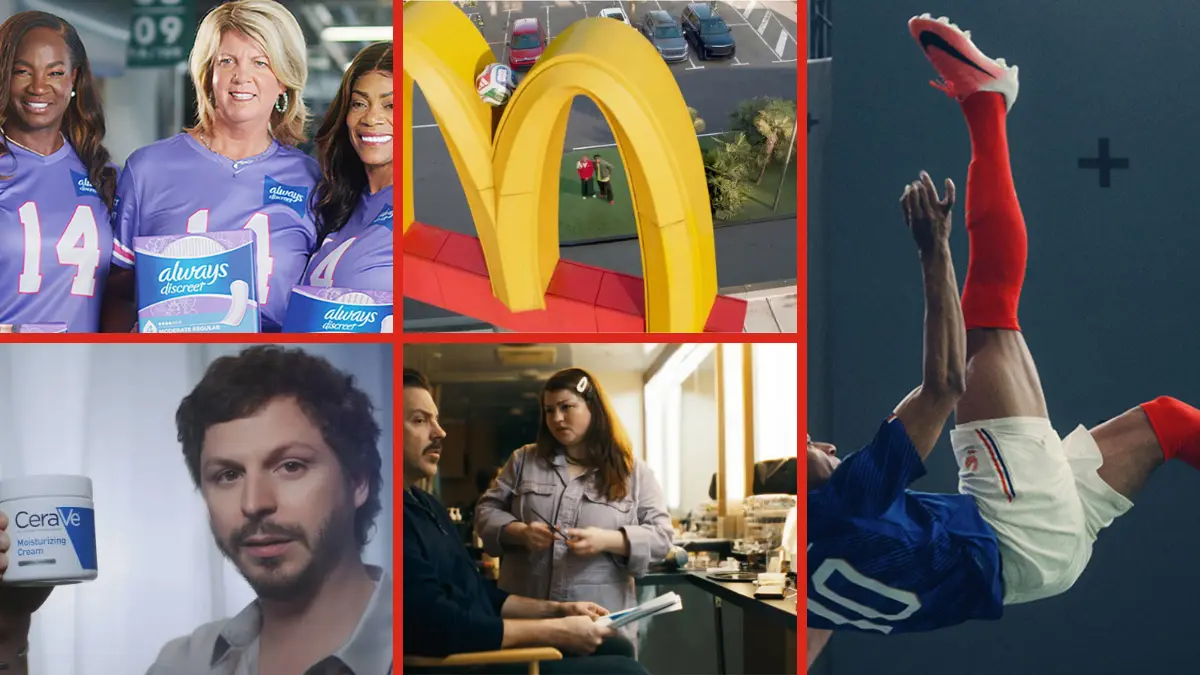
A prime catalyst for this strategic pivot is exemplified by Procter & Gamble’s Always Discreet. Ahead of the recent football season kickoff, the adult incontinence brand executed a groundbreaking partnership with the National Football League (NFL). Eschewing traditional medical-sounding language and clinical imagery, the campaign enlisted the real mothers of NFL players to speak candidly about bladder leaks. By pairing a deeply personal, stigmatized health issue with America’s most-watched sports property, Always Discreet achieved a masterclass in normalization and cultural penetration.
This initiative is not an isolated anomaly; it represents a broader, highly calculated movement across the global marketing landscape. As brands awaken to the unmatched value and emotional resonance of live sports, they are abandoning safe, conventional advertising formulas. Instead, they are embracing bold, unscripted, and culturally disruptive narratives designed to stand out on an increasingly crowded commercial field. This report investigates the mechanics of this paradigm shift, analyzing the strategic drivers behind non-traditional sports partnerships, the integration of authentic storytelling, quantifiable consumer metrics, and the future trajectory of sports-adjacent marketing.
Detailed Chronology: The Evolution of Always Discreet’s NFL Partnership
To understand how a personal care brand successfully breaches the fortress of professional tackle football, one must examine the meticulous chronology of campaign development, execution, and cultural integration. The journey from initial concept to prime-time disruption illustrates the modern blueprint for non-traditional sports marketing.
Phase One: Research, Insight Generation, and Strategic Alignment (Q1–Q2)
Long before the first whistle of the football season sounded, brand strategists at Procter & Gamble, alongside their creative agencies, identified a glaring disconnect in the wellness marketplace. Market research consistently underscored a startling reality: bladder leaks affect approximately 60% of women aged 45 and older. Yet, despite its prevalence, the topic remained heavily stigmatized, often relegated to late-night infomercials or hushed tones in clinical settings.
Concurrently, P&G’s media intelligence teams noted a major demographic shift in live sports viewership. Women over the age of 45 represent a massive, highly engaged segment of sports audiences—particularly within football, where family viewing traditions run deep. The strategic intersection was clear: bridge the gap between a universal physiological reality and the world’s most unifying cultural ritual. The objective was not merely to sell absorbent products, but to dismantle the cultural silence surrounding aging bodies and female vitality.
Phase Two: Talent Acquisition and Authentic Narrative Building (Late Q2)
The critical turning point in the campaign’s evolution was the decision to look beyond traditional celebrity endorsements. Instead of hiring pop stars or Hollywood actresses, the creative team turned its focus to the maternal figures behind the gridiron’s biggest stars: the NFL moms.
Casting real mothers of active NFL players provided an immediate, unassailable layer of authenticity. These women are visible, respected figures within the football ecosystem, often featured in human-interest segments during broadcasts. By engaging them to speak openly about experiencing bladder leaks while cheering for their sons from the stands, the campaign instantly disarmed the audience. The narrative transitioned from a commercial pitch to a peer-to-peer conversation among women who share common life experiences, regardless of their sons’ athletic status.
Phase Three: Creative Production and Media Placement (Late Summer)
Production focused on raw, unvarnished testimonials. The resulting advertisements avoided the sanitized, blue-liquid demonstration tropes historically utilized in feminine care marketing. Instead, the spots featured genuine emotional resonance, humor, and pride.
Media planning was meticulously coordinated to coincide with the pre-season buildup and opening week kickoff—a period characterized by peak cultural attention, high social media activity, and maximum television viewership. By securing high-impact ad inventory across linear broadcasts and digital sports networks, Always Discreet ensured that its message reached millions of viewers during moments of maximum emotional investment.
Phase Four: Post-Launch Cultural Resonance and Real-Time Engagement (Fall Kickoff)
Upon debut, the campaign generated immediate reaction across digital platforms, trade publications, and consumer forums. By breaking the fourth wall of sports broadcasting advertising—which typically avoids mentioning bodily functions outside of athletic sweat or injury—Always Discreet captured the attention of industry critics and everyday consumers alike. The sustained conversational momentum proved that when non-traditional brands invest in culturally brave creative, the return extends far beyond immediate sales lift into lasting brand equity.
Supporting Context & Metrics: The Economics of Non-Traditional Sports Marketing
The pivot by Always Discreet highlights a larger macroeconomic and media trend: sports are no longer just an advertising channel for trucks, beer, and fast food. They are the last remaining mass-reach medium in an increasingly fragmented media landscape.
The Fragmented Media Landscape and the Power of Live Sports
In an era dominated by subscription video-on-demand (SVOD) platforms, ad-free streaming, and hyper-personalized digital feeds, linear television audiences have experienced structural declines. However, live sports have remarkably bucked this trend. Major athletic events—led by the NFL, collegiate athletics, and global soccer leagues—continue to deliver massive, concurrent audiences that cannot be replicated by scripted entertainment.
For non-traditional brands, capturing a share of this live audience offers a distinct competitive advantage. While traditional advertisers crowd into predictable category-specific ad breaks, a brand addressing a universal human truth (such as health, wellness, or bodily autonomy) stands out vividly against the backdrop of high-energy athletic competition.
Decoding the Consumer Demographics
Market data reveals compelling reasons for health and wellness brands to target sports ecosystems:
- Female Sports Viewership: Women now account for nearly half of the total audience for major sports properties, including the NFL.
- The Over-45 Demographic: Consumers aged 45 and older represent the highest disposable income bracket in the modern economy. Yet, this demographic is frequently underserved or misrepresented in youth-obsessed mainstream advertising.
- The Trust Dividend: Studies in consumer psychology indicate that when a brand addresses a sensitive, real-world health issue within a mainstream, high-energy environment like professional sports, consumer trust and brand affinity increase significantly. By treating the audience like adults capable of discussing adult issues, brands build long-term loyalty that traditional promotional tactics fail to secure.
The Rise of Purpose-Driven Sports Sponsorship
Modern consumers—particularly Millennials and Generation X—increasingly demand authenticity and social value from the corporations they patronize. Brands that utilize sports partnerships not merely to flash logos, but to champion a social cause or dismantle a stigma, achieve superior engagement metrics.
Always Discreet’s campaign successfully married commercial intent with a clear social mission: erasing the shame of adult incontinence. By reframing a medical condition through the lens of maternal pride and athletic passion, the brand transformed a mundane product category into a vehicle for empowerment.
Official Statements and Industry Perspectives
The success of cross-category sports partnerships has prompted widespread discussion among marketing leaders, brand strategists, and industry analysts. As brands prepare for major industry gatherings—such as the upcoming ADWEEK House: Advertising HQ in Midtown—the dialogue surrounding creative innovation in sports marketing has reached a fever pitch.
"When brands look at the modern sports landscape, they can no longer afford to view it through a single, narrow lens. Sports are a cultural canvas. If you have a product that touches human lives—which is to say, every consumer brand on earth—there is a legitimate, powerful way to enter that conversation."
— Senior Brand Strategy Director, Consumer Goods Sector
Industry observers note that the traditional boundaries separating "sports marketing" from "general brand marketing" are dissolving. Agencies are increasingly restructuring their teams to integrate cultural anthropologists, data scientists, and health communications experts into sports account rosters.
"The Always Discreet campaign proved something vital: consumers are fatigued by perfection. When you feature real women, real vulnerabilities, and real pride inside the world’s most hyper-masculine, idealized sporting environments, the contrast is magnetic. It commands attention because it feels startlingly, refreshingly true."
— Executive Creative Director, Global Advertising Agency
Furthermore, sports leagues and franchises are increasingly receptive to non-traditional brand partners. Recognizing that their fan bases are demographically diverse and socially conscious, leagues like the NFL are actively encouraging campaigns that promote health literacy, inclusivity, and destigmatization.
Future Outlook: Where Sports Marketing Goes From Here
As we look toward the remainder of the decade, several key trends will dictate how non-traditional brands leverage sports partnerships to achieve market dominance.
1. Hyper-Personalization Meets Mass Reach
While live sports provide the ultimate mass-reach vehicle, future campaigns will increasingly leverage advanced data analytics and programmatic digital integration to deliver hyper-targeted messaging. Brands will combine broad broadcast placements with precision-targeted digital and social extensions, ensuring that specific consumer segments receive customized creative variations that speak directly to their lived experiences.
2. The Expansion of Wellness and Health into Sports
The success of Always Discreet’s initiative serves as a bellwether for other categories. Expect to see an influx of brands specializing in menopausal care, mental health services, sleep hygiene, nutritional wellness, and preventative medicine entering the sports sponsorship arena. The old taboo that sports must exclusively celebrate peak physical perfection is giving way to a more holistic, empathetic appreciation for the human body across all life stages.
3. Unscripted Connections and Experiential Integration
As emphasized by industry forums like ADWEEK House: Advertising HQ, the future of brand engagement relies heavily on unscripted conversations and immersive, after-hours connections. Brands will increasingly move beyond simple 30-second television spots to build integrated ecosystems encompassing experiential activations, athlete- and influencer-led community dialogues, and long-term educational platforms.
4. Accountability and Measurability
As marketing budgets face heightened scrutiny, the demand for clear return on investment (ROI) within sports partnerships will intensify. Brands will no longer be satisfied with passive media impressions or vanity metrics. Success will be measured through deep brand health tracking, shifts in consumer sentiment, reduction of social stigma, and direct, attributable sales growth.
Conclusion
The evolution of sports marketing from a homogenous boys’ club into an inclusive, culturally rich playground represents one of the most significant shifts in modern commercial history. By breaking free from conventional creative playbooks, non-traditional brands are demonstrating that courage, authenticity, and empathy are the ultimate competitive advantages.
Always Discreet’s collaboration with the NFL stands as a defining case study of this transformation. By championing real stories, honoring maternal resilience, and refusing to hide behind clinical euphemisms, the brand not only elevated its own market position but also expanded the boundaries of what sports advertising can—and should—achieve. As more brands recognize the untapped potential of the gridiron and beyond, the playbook of modern advertising will never be the same.
