In the dynamic and hyper-competitive digital marketing ecosystem, Search Engine Optimization (SEO) remains a cornerstone for driving sustainable, organic traffic and securing long-term business growth. For years, Moz has stood as a pillar in the industry, offering a comprehensive all-in-one SEO toolset equipped for keyword research, site crawls, backlink analysis, rank tracking, local listings management, and immediate on-SERP data via its signature SEO Toolbar.
However, the modern SEO landscape is vast, specialized, and rapidly evolving. While Moz remains a formidable platform, it is not a one-size-fits-all solution. Digital marketing professionals, in-house teams, and agency leaders frequently encounter limitations that prompt them to seek alternative solutions. Some find Moz’s pricing structure restrictive relative to their current ROI, while others report that data caps on audits, keyword reports, and backlink trackers on entry-level plans hinder large-scale operations. Additionally, shifting preferences regarding User Interface (UI), specialized workflows, and data depth have driven a surging demand for both powerful all-in-one platforms and hyper-focused, single-purpose utilities.
This comprehensive market analysis evaluates the top 10 free and paid alternatives to Moz. By dissecting their core use cases, data architectures, and distinct competitive advantages, this guide provides marketing professionals with the strategic clarity needed to optimize their software stack for maximum efficiency and return on investment.
Detailed Chronology: The Evolution of SEO Toolsets and Market Shifts
To understand why marketers are increasingly diversifying their software toolkits away from legacy monoliths like Moz, it is helpful to examine the historical trajectory of the SEO software industry.
Phase 1: The Era of Basic Keyword Trackers and Directory Submissions (Early 2000s)
In the nascent days of search engine optimization, tools were rudimentary. Digital marketers relied on basic scrapers, desktop software, and manual directory submission lists to track rudimentary keyword movements. Moz (then SEOmoz) emerged as an educational blog and community before transitioning into a software-as-a-service (SaaS) pioneer. During this era, winning SEO meant manipulating meta tags, building low-quality directory links, and tracking a handful of core keywords on Google and Yahoo.
Phase 2: The Rise of Comprehensive All-in-One Suites (2010–2018)
As search engines like Google evolved sophisticated algorithms (such as Panda, Penguin, and Hummingbird) focused on user intent, content quality, and contextual link profiles, SEO tools had to scale dramatically. Platforms like Semrush and Ahrefs entered the market with massive web crawlers capable of indexing billions of backlinks and keywords. They transformed SEO from guesswork into a data-driven science. During this period, Moz launched its own consolidated Pro suite and popularized Domain Authority (DA) as an industry-standard benchmark for link equity.
Phase 3: The Specialization and AI-Driven Era (2019–Present)
Today, the sheer volume of data required to compete globally has led to a bifurcated market. On one side, enterprises demand massive, multi-channel suites that integrate SEO, PPC, social media, and content marketing (such as Semrush). On the other side, modern practitioners demand specialized, best-of-breed software for hyper-specific workflows—such as Surfer SEO for AI-assisted on-page optimization, AccuRanker for on-demand lightning-fast rank tracking, and Screaming Frog for deep technical crawls.
Marketers are no longer forced to compromise on a single ecosystem; instead, they are adopting modular tech stacks tailored to their precise operational needs.
Supporting Context & Metrics: Comparing the Heavyweights
When evaluating Moz alternatives, understanding the sheer scale of data underpinning each platform is critical. Data volume directly correlates with the accuracy of keyword opportunity spotting, competitor gap analysis, and backlink prospecting.
1. Semrush: The Premier All-in-One Powerhouse
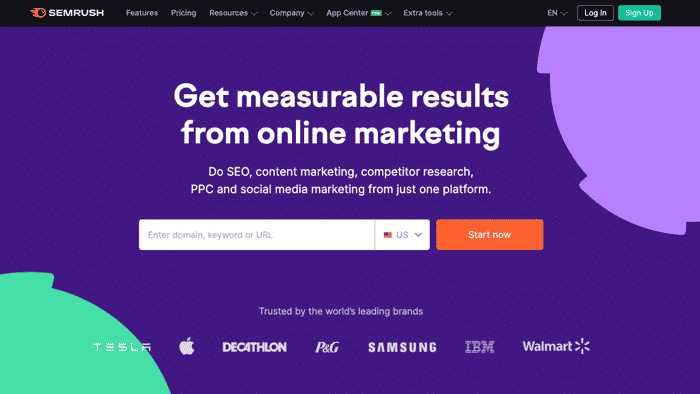
Semrush is widely regarded as the most robust all-in-one alternative to Moz, boasting over 55 advanced tools designed for deep competitor analysis, keyword research, technical audits, backlink tracking, and white-label reporting.
Data Footprint: Processes over 24 billion keywords, 142 geo-locations, and 808 million domain profiles. Its backlink crawler supports an expansive database of 43 trillion historical links and 1.6 billion referring domains—outstripping Moz’s backlink index.
Key Capabilities: Unmatched Traffic Analytics providing a backstage pass to competitor marketing channels (organic, paid, social, referral) for up to 200 websites simultaneously; enterprise-grade Position Tracking down to the zip-code level; and an integrated Site Audit tool that offers side-by-side historical comparisons.
Pricing & Plans: Offers tiered subscription models starting at starter levels (with higher keyword and report allowances than Moz’s equivalent plans) up to custom enterprise tiers.
2. Mangools: The Best Option for Beginners and Lean Teams
For marketers who find enterprise platforms overwhelming or cost-prohibitive, Mangools provides an exceptionally intuitive 5-in-one toolset that balances deep metrics with a world-class user interface.
Data Footprint: Leverages Majestic’s renowned Trust Flow and Citation Flow metrics via LinkMiner (indexing 9.5 trillion backlinks), alongside SERPWatcher for daily rank updates across more than 52,000 locations.
Key Capabilities: KWFinder stands out as an exceptionally user-friendly keyword research tool that visualizes keyword difficulty with precise, color-coded metrics. The entire suite prioritizes visual clarity without sacrificing actionable insights.
Pricing & Plans: Highly competitive price points make it an ideal entry-to-mid-tier alternative for freelancers, small business owners, and boutique agencies.
3. Ubersuggest: The Best Free Entry Point
For bootstrapped startups, freelancers, and hobbyists seeking a zero-cost or low-cost alternative to Moz, Neil Patel’s Ubersuggest offers an accessible entry point.
Data Footprint: Accesses over 6 billion keywords and 1 billion content pieces.
Key Capabilities: Free searches provide core keyword ideas, content suggestions, and top-level backlink data, though daily queries and results per search (e.g., capped at 100 results) are restricted on the free tier.
Pricing & Plans: Generous free tier complemented by affordable monthly subscriptions and lifetime access deals ranging from $29 to $99/month.
Specialized, Single-Purpose Alternatives
Not every organization requires a monolithic platform. Many marketing teams prefer investing in best-of-breed, single-purpose solutions tailored to specific disciplines.
Backlink Analysis: Ahrefs Site Explorer
Ahrefs operates the second most active web crawler on the internet after Google, housing the largest live index of backlinks in the industry.
Use Case: Unrivaled link prospecting, lost link tracking, and rigorous competitor backlink profiling. Its Site Explorer and Content Explorer utilities make it the gold standard for outreach campaigns and link-building strategies.
Keyword Research & Content Analysis: Surfer SEO
While Semrush dominates raw keyword databases, Surfer SEO has revolutionized on-page optimization.
Use Case: By analyzing top-ranking pages in real-time, Surfer’s Content Editor provides precise guidelines on word count, keyword density, semantic terms, and structural headers. It integrates seamlessly with Google Docs and offers a popular Chrome extension for instant SERP volume metrics.
Rank Tracking: AccuRanker & Screaming Frog
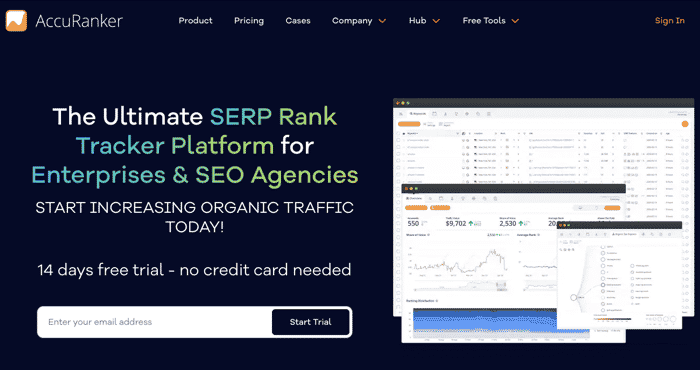
AccuRanker: Built for speed and precision, this on-demand rank tracker allows SEO professionals to pull real-time ranking data across major search engines instantly and correlate ranking shifts directly with web traffic and conversions.
Screaming Frog SEO Spider: A desktop-based site crawler that remains an indispensable asset for deep technical audits. It extracts granular data on indexation, meta tags, duplicate content, broken links, and site architecture across websites of any scale.
Local SEO: BrightLocal
While Moz offers commendable local citation tools, BrightLocal stands out as a dedicated all-in-one local marketing platform.
Use Case: Managing Google Business Profile (GBP) audits, building and cleaning up citations across major directories, tracking local pack rankings, and generating online customer reviews for multi-location enterprises and small businesses alike.
Official Industry Statements and Expert Insights
Industry veterans and digital marketing leaders emphasize that tool selection should be dictated by specific workflow requirements rather than brand loyalty alone.
"Semrush is an essential part of my SEO and PPC toolset for personal and client projects that I’ve been using for over 8+ years. It provides an immense amount of data… that’s more than enough firepower to blow most other standalone SEO tools out of the water."
— Robbie Richards, Digital Marketing Strategist & SEO Expert
Experts frequently point out that while Moz pioneered domain authority metrics and local SEO auditing frameworks, competitors like Semrush and Ahrefs have pulled ahead in raw database size, crawler frequency, and multi-channel marketing integration (spanning PPC, social, and traffic analytics). Conversely, tools like Mangools and Sitebulb prove that powerful data can be packaged into highly accessible, visually intuitive interfaces that reduce onboarding friction for junior marketers.
Future Outlook: The Next Generation of SEO Tooling
As artificial intelligence, semantic search, and Generative Engine Optimization (GEO)—such as Google’s Search Generative Experience (SGE)—fundamentally alter how users discover content, the capabilities of SEO toolsets must continue to adapt.
AI-Driven Content Optimization: Future SEO platforms will move beyond static keyword density and move toward dynamic, intent-based content generation and semantic validation, deeply integrating tools like Surfer SEO directly into content management systems.
Real-Time Data Processing: The demand for on-demand rank tracking (exemplified by AccuRanker) will become the baseline expectation, replacing delayed batch-processing models.
Holistic Digital Channel Attribution: As paid and organic search results increasingly blur on modern SERPs, all-in-one platforms that seamlessly merge SEO, PPC, and referral traffic analytics will dominate enterprise tech stacks.
Conclusion: Which Moz Alternative Should You Choose?
Choose Semrush if you need a comprehensive, enterprise-grade all-in-one platform with massive data reserves that rivals or exceeds Moz across every category.
Choose Mangools if you want an affordable, highly intuitive suite with a stellar user interface.
Choose Ubersuggest if you require a capable free entry point for basic keyword and site checks.
Choose specialized tools like Ahrefs (for backlinks), Surfer SEO (for content optimization), Screaming Frog (for technical audits), or BrightLocal (for local marketing) if your strategy demands best-of-breed specialization.