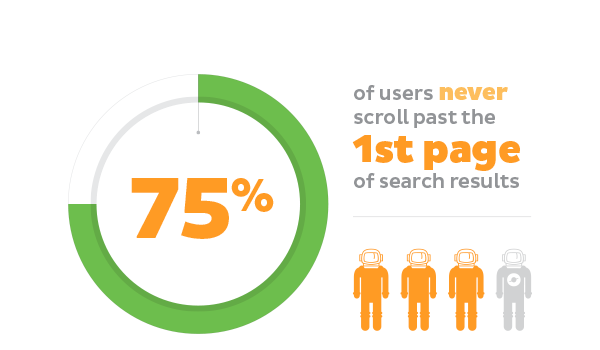
In the modern digital economy, visibility is currency. With users generating more than 3.5 billion searches every single day, Google serves as the ultimate gateway to consumer attention. However, digital real estate on the search engine results page (SERP) follows a brutal rule of distribution: roughly 75% of users never scroll past the first page.
To borrow a classic industry adage from Copyblogger’s Brian Clark, "The best place to hide a dead body is page 2 of the Google search results." While humorous, this sentiment highlights an unforgiving reality. Failing to secure a front-page position renders a website functionally invisible to the vast majority of consumers searching for answers, services, or products.
Yet, achieving and maintaining page-one status has never been more complex. The traditional blue-link SERP has evolved into an intricate battleground featuring pay-per-click (PPC) advertisements, local map packs, featured snippets, knowledge carousels, and related question drop-downs. As major aggregator sites and high-authority enterprises crowd out independent domains, digital marketers must look beyond basic keyword stuffing.
This comprehensive guide unpacks 13 strategic methodologies—ranging from immediate quick-win optimizations to advanced tenant SEO maneuvers—designed to systematically elevate your brand onto the first page of Google, with or without relying exclusively on your own web domain.
Detailed Chronology: The Evolution of Search and Modern Ranking Signals
Understanding how to conquer the SERP requires examining the mechanical shifts that govern modern search engine algorithms. Over the past decade, Google’s core objectives have narrowed down to one primary goal: delivering the most accurate, contextually relevant, and frictionless user experience possible.
The Rise of Complex SERP Features
When search engine optimization (SEO) was in its infancy, ranking on page one meant securing one of ten blue links. Today, the modern SERP is heavily partitioned:
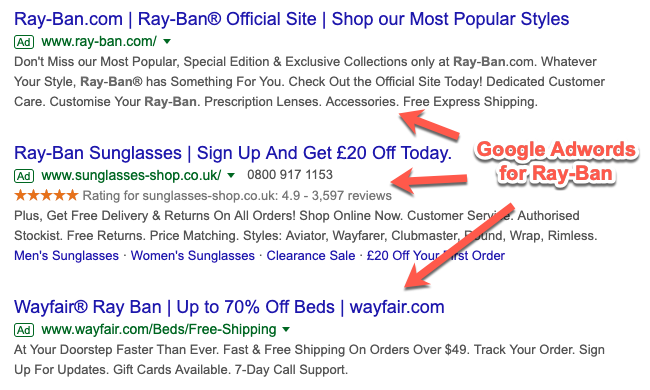
Paid Ads (PPC): Occupying prime real estate at both the top and bottom of the page, capturing high-intent commercial clicks.
Local Maps: Surfacing localized business packs based on proximity and real-time geographic intent.
Featured Snippets ("Position Zero"): Directly answering user queries at the very top of the organic results, often cannibalizing clicks from position one.
People Also Ask (PAA): Expanding interactive carousels that address related sub-queries.
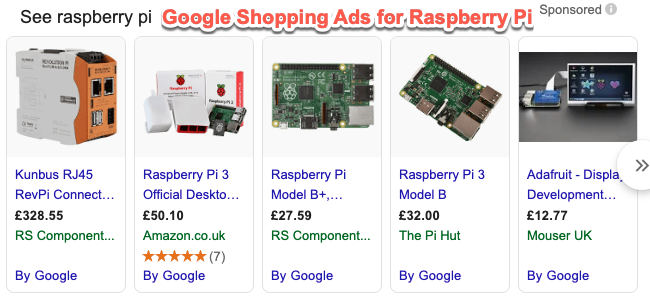
Google Shopping Ads: Visual, product-centric paid placements dominating e-commerce queries.
Core Ranking Signals
While Google’s algorithms utilize hundreds of ranking factors, industry data consistently points to three overarching pillars:
Relevance: How well a piece of content matches the explicit and implicit intent of a user’s query.
Authority: The volume and quality of unique referring domains (backlinks) pointing to a specific page or domain.
Usability: Technical performance metrics, including mobile responsiveness and page-load speed.
Supporting Context & Metrics: 13 Actionable Ways to Reach Page One
Now that the underlying mechanics of modern search are clear, let us examine the 13 tactical strategies you can deploy to secure front-page visibility.
1. Capitalize on Existing Keyword Opportunities (Quick Wins)
Rather than endlessly creating new content from scratch, look inward. You likely have existing pages sitting on page two or the bottom of page one (positions 6 through 20) that are underperforming. By utilizing SEO platforms like Semrush alongside automated spreadsheet templates, you can filter for "low-hanging fruit" keywords.
The Process: Export your organic keywords, filter for positions 6–20, layer on minimum search volume and word count parameters, and prioritize bottom-of-the-funnel "money" keywords.
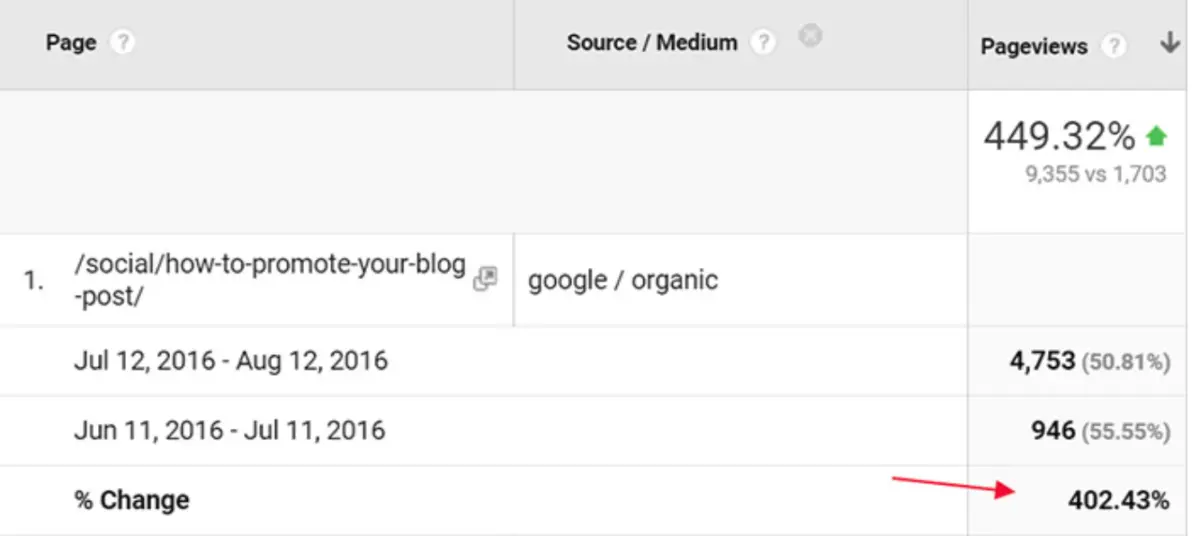
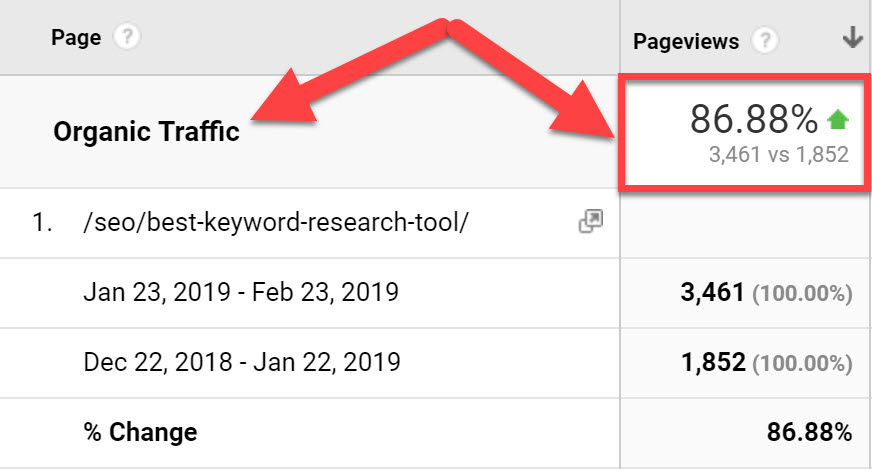
The Result: Refreshing, expanding, and re-optimizing these existing assets can trigger dramatic traffic spikes (sometimes seeing 400%+ month-over-month increases) almost overnight.
2. Find and Eliminate Keyword Cannibalization
Keyword cannibalization occurs when multiple pages on your domain compete for the exact same search query. This splits your backlinks, divides social shares, and confuses search engine crawlers, ultimately diluting your ranking potential.
The Fix: Audit your organic positions via SEO audits, identify conflicting URLs targeting identical terms, and either merge the content into a single canonical resource (with a 301 redirect) or prune redundant, low-value pages.
3. Steal "Position Zero" with Featured Snippets
Securing a traditional top-three ranking is fantastic, but capturing Position Zero—the featured snippet box—allows you to bypass competition entirely. Studies indicate that featured snippets steal upwards of 8.6% of clicks away from the number one organic position.
Optimization Tactics: Identify keywords where your site already ranks on page one, analyze the existing snippet format (paragraph, list, or table), and reformat your content to provide a concise, direct answer within a tight 40-to-50-word block immediately beneath a clear subheading.
4. Dominate the Google Map Pack
For local businesses, organic blue links are only half the battle. The Google Map Pack frequently claims prime above-the-fold real estate for local intent searches.
Key Drivers: According to Google’s official guidelines, local rankings rely on three core pillars: Relevance (optimized Google Business Profile categories), Distance (proximity to the user), and Prominence (review volume, sentiment, and local citation authority).
High-volume head terms are notoriously difficult to rank for. Long-tail keywords—search queries containing three or more words—typically feature lower monthly search volumes but vastly higher conversion intent.
Execution: Use keyword discovery tools to filter for question-based modifiers (how, what, why, best) and competitor keyword gaps to capture hyper-specific audience segments actively looking to purchase or convert.
6. Leverage "Barnacle SEO"
When dominant industry giants (such as TripAdvisor in travel, Zillow in real estate, or Avvo in legal) monopolize the SERPs, attempting to outrank them out-of-the-gate is often futile. Instead, practice Barnacle SEO: attaching your brand directly to high-authority platforms that already rank.
Methodology: Publish expert commentary, contribute to active forum threads (like Quora or Reddit), and secure profile listings on dominant directory sites where your target audience is already searching.
7. Deploy "Parasite SEO" for Hyper-Competitive Terms
Similar to Barnacle SEO, Parasite SEO involves leveraging the domain authority of third-party publishing platforms (e.g., major news outlets, high-end industry blogs, or Medium) to rank for ultra-competitive money terms. By publishing rich, value-driven content on these established platforms and strategically linking back to your core brand offerings, you can bypass your own domain’s authority constraints.
8. Match Your Content Type to SERP Intent
A frequent pitfall is targeting a keyword with the incorrect content format. If searchers looking for "interactive infographic" are exclusively served long-form list posts by Google, publishing a product page will result in dead-end rankings.
Rule of Thumb: Always inspect the top-ranking results for your target keyword before writing a single word. Match the format—whether it is a how-to guide, a product category page, a comparison table, or a video.
9. Accurately Qualify via Page-Level Link Signals
Domain authority is important, but Ahrefs and Semrush data consistently demonstrate that page-level backlink metrics (referring domains pointing directly to a specific URL) have the strongest correlation with page-one rankings. Before committing resources to a keyword, evaluate the backlink profiles of the top ten ranking pages. If your site cannot match or out-value those link profiles—unless a clear content quality or topical gap exists—pivot to less saturated terms.
10. Build Strategic Page-Level Authority
To challenge established authorities, you must systematically build page-level authority.
Tactics: Replicate competitor backlinks by identifying text-based follow links, perform backlink gap analyses to uncover recurring publication sources, and strengthen new pages by building internal links from your site’s existing high-authority assets.
11. Expand Your Organic Footprint (Secondary Keywords)
A single well-optimized page can rank for hundreds or thousands of secondary and semantic long-tail keywords. By utilizing comprehensive keyword mapping and injecting semantic variations into your content structure, you maximize the total surface area of your organic footprint.
12. Embrace a Mobile-First Mindset
Google’s mobile-first indexing means the search engine crawls, indexes, and ranks the mobile version of your website ahead of the desktop version. Slow loading speeds, intrusive interstitials, or broken responsive layouts will actively penalize your rankings across all devices. Regular auditing via Google Search Console and PageSpeed Insights is mandatory.
13. "Pay to Play" (Paid Search Integration)
Organic SEO is a marathon, but paid acquisition provides an immediate sprint. Leveraging Google Ads, local map pack advertisements, and sponsored placements on high-ranking review platforms (such as G2 Crowd or industry-specific directories) ensures your brand secures immediate visibility while your long-term organic strategies compound.
Official Statements and Industry Insights
Reflecting on the evolving landscape of search engine optimization, industry veterans emphasize the delicate balance between technical execution and user satisfaction.
"The best place to hide a dead body is page 2 of the Google search results." — Brian Clark, Founder of Copyblogger
Industry analyses from leading platforms like Semrush and Ahrefs continually reinforce that keyword optimization is no longer just about matching strings of text—it is about satisfying user intent. As search engines integrate advanced machine learning models and semantic evaluation, brands that focus on holistic value, technical hygiene, and multi-channel visibility (organic, paid, and tenant-based) will consistently capture the lion’s share of digital traffic.
Future Outlook
As we look toward the future of digital search, the barriers to entry on Google’s first page will only grow higher. The integration of generative artificial intelligence (AI) search experiences, conversational interfaces, and hyper-personalized SERPs means that traditional blue links will face even stiffer competition for human attention.
To future-proof your digital strategy, marketers must move beyond rigid keyword optimization. Success on the modern web requires an agile, multi-pronged framework:
Diversify Visibility: Combine organic SEO, Barnacle/Parasite tactics, and tactical PPC investments.
Prioritize User Intent: Ensure that every piece of content matches the exact medium and format your audience demands.
Maintain Technical Excellence: Keep mobile usability and page speed at the forefront of your web development pipeline.
By methodically implementing these 13 strategies, businesses across any industry can cut through the noise, secure coveted first-page positioning, and transform search engines into predictable, scalable revenue engines.