

By Staff Investigative Reporters
Published August 31, 2026
Executive Overview
The American afternoon slump has officially become a trillion-dollar battleground. In the dog-eat-dog world of fast-food economics, the traditional battlegrounds of breakfast sandwiches and late-night value menus have taken a backseat to a new, hyper-lucrative frontier: the 3:00 PM pick-me-up.
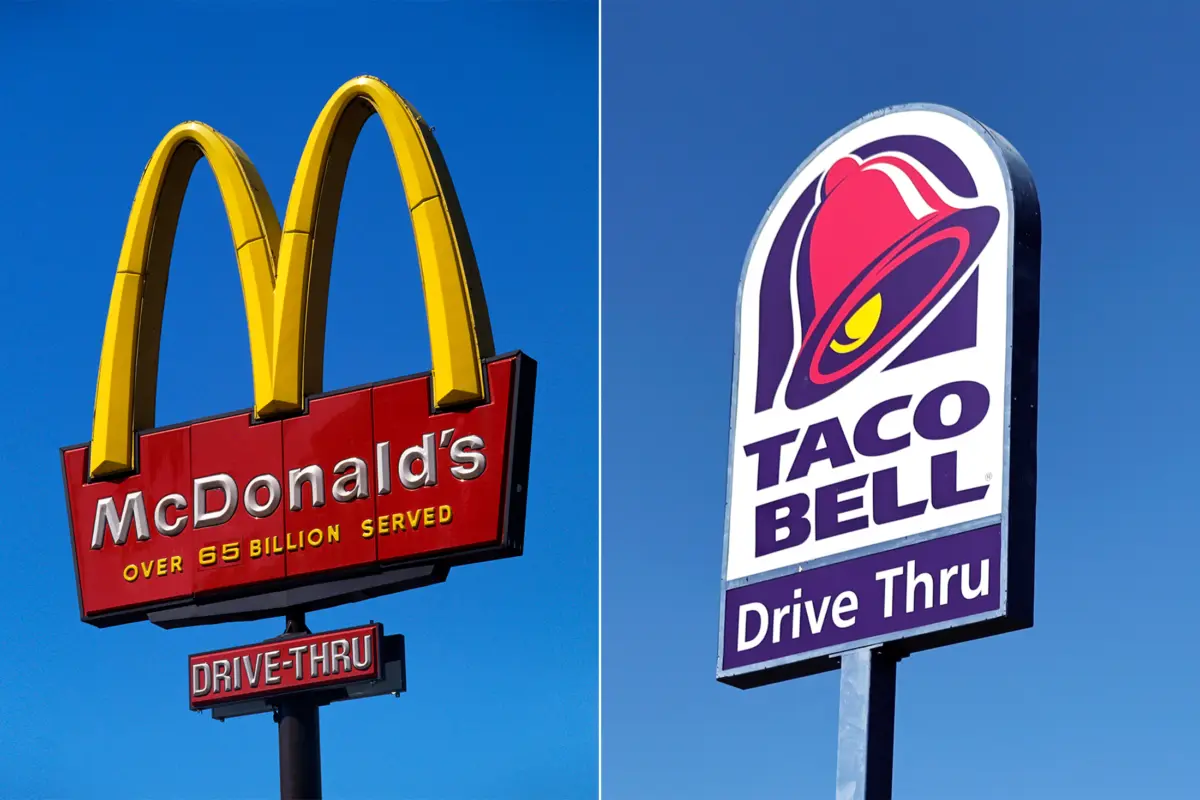
In a clash that highlights the rapidly shifting priorities of modern fast-food giants, McDonald’s and Taco Bell have launched major, competing energy drink lineups just days apart. McDonald’s fired the first shot of this late-summer offensive by teaming up with energy drink pioneer Red Bull to introduce the bold, fruit-forward Dragonberry Energizer. Not to be outdone, Yum! Brands flagship Taco Bell punched back less than a week later, rolling out a trio of proprietary energy refreshers designed to appeal to its notoriously experimental, Gen Z-heavy consumer base.
Yet, this high-stakes skirmish between two quick-service behemoths is merely a symptom of a much larger industry-wide transformation. The fast-food landscape is experiencing a seismic beverage boom, driven by changing consumer habits, soaring profit margins on customized drinks, and an existential threat from upstart drive-thru beverage chains like Dutch Bros and 7 Brew. For McDonald’s and Taco Bell, winning the afternoon isn’t just about selling a few more cups of soda—it is about capturing high-margin foot traffic, defending market share against specialized competitors, and redefining what a fast-food restaurant looks like in the mid-2020s.
Detailed Chronology: The Summer of Surging Caffeine
The escalation of the afternoon beverage wars did not happen in a vacuum; it is the culmination of years of quiet experimentation that boiled over in late August 2026.
Early August 2026: The Setup
For months, industry insiders whispered about impending menu overhauls geared toward functional beverages—drinks that offer more than simple hydration or sugar hits, promising instead a functional jolt of energy, focus, or mood elevation. While dedicated beverage kiosks and specialty drive-thrus expanded aggressively across the Sunbelt and Midwest, traditional quick-service restaurants (QSRs) watched their traditional soda volumes plateau. The writing was on the wall: if legacy brands wanted to retain younger demographics who treat customization as a baseline expectation, they needed to evolve.
August 24–26, 2026: McDonald’s Drops the Dragonberry Energizer
McDonald’s made the first definitive move by leveraging its massive global supply chain and partnering with an established heavyweight in the energy space. The launch of the Dragonberry Energizer—a vibrant, caffeinated concoction blending Red Bull’s signature formula with exotic fruit flavors—was rolled out across participating U.S. locations with substantial digital marketing support.
The strategy was calculated. By embedding a recognizable, premium brand like Red Bull into its proprietary beverage platform (building on the architecture of its successful CosMc’s spinoff learnings), McDonald’s signaled that it could offer the same functional energy boost found in convenience stores or specialty coffee shops, all from the convenience of a Golden Arches drive-thru lane.
August 29–31, 2026: Taco Bell Counter-Attaches with a Triple Threat
Not to be outmaneuvered, Taco Bell fired back just days later. According to industry intelligence from Restaurant Business, Taco Bell introduced a trio of new energy refreshers designed to leverage its unmatched expertise in bold, disruptive flavor profiles.
Unlike McDonald’s, which partnered with an external powerhouse, Taco Bell leaned into its own internal innovation engine—the same engine that birthed the culturally ubiquitous Mountain Dew Baja Blast. These new refreshers target the exact psychological sweet spot of the 3 PM lull: bright colors, intense fruit combinations, and a potent kick of caffeine designed to power consumers through the remainder of the workday.
The rapid-fire succession of these launches transformed what might have been routine late-summer menu additions into an all-out turf war for the afternoon commuter and the office worker seeking a mid-day rescue.
Supporting Context & Metrics: The Economics of the Beverage Boom
To understand why McDonald’s and Taco Bell are committing millions of dollars in marketing and operational overhauls to afternoon energy drinks, one must follow the money. In the modern QSR ecosystem, beverages are no longer just an afterthought to wash down a burger or a chalupa; they are the primary engine of margin expansion.
The Margin Miracle
Beverages boast some of the highest profit margins in the food service industry. While food costs—particularly for beef, chicken, and fresh produce—are subject to inflationary pressures and supply chain volatility, the cost of syrup, carbonated water, ice, and proprietary flavor pumps remains comparatively low.
McDonald’s internal metrics underscore this dynamic. According to corporate disclosures, the strategic emphasis on elevated beverage platforms has driven the average check size up by a staggering 50% among customers who opt into these specialty drink categories. More importantly, these beverages are acting as customer acquisition engines, drawing in foot traffic during historically sluggish hours (such as the 2 PM to 5 PM window) from demographics—namely Gen Z and Millennials—who might otherwise have skipped a traditional fast-food run.
Taco Bell’s Towering Ambition
Taco Bell is operating under an even more aggressive financial blueprint. The brand has set its sights on a monumental corporate milestone: hitting $5 billion in standalone beverage sales.
To put that figure into perspective, $5 billion in annual systemwide sales would rival the total global revenue of entire, established restaurant chains like Wingstop or Pizza Hut. Achieving this goal requires Taco Bell to transition from being viewed primarily as a late-night Mexican-inspired food destination to an all-day lifestyle brand where beverages drive frequent, high-margin transactions.
The David and Goliath Matrix of Scale
Yet, the competitive playing field presents a fascinating study in contrasts:
- McDonald’s Scale: Boasting a colossal footprint of over 13,700 domestic restaurants, McDonald’s possesses the distribution muscle to blanket the nation in promotional campaigns overnight. Its sheer ubiquity means that any new product launch instantly reaches millions of eyeballs.
- Taco Bell’s Footprint & Secret Weapon: While smaller with roughly 7,700-plus locations, Taco Bell holds a unique psychological advantage: Mountain Dew Baja Blast. Celebrating over two decades of cult status since its debut in 2004, Baja Blast is not merely a soft drink; it is a cultural artifact that commands fierce brand loyalty, giving Taco Bell a distinct edge in flavor innovation and consumer devotion.
The Real Threat: Why Dutch Bros and 7 Brew Are the True Monsters Under the Bed
While industry analysts love to frame the McDonald’s-versus-Taco Bell rivalry as the ultimate heavyweight title fight, executives at both chains know that looking exclusively at each other is a dangerous mistake.
The real erosion of QSR market share isn’t happening across the street; it’s happening at the drive-thrus of specialized beverage upstarts. Brands like 7 Brew and Dutch Bros are methodically sipping away at the customer base that legacy fast-food giants once took for granted.
The Rise of the Beverage-First Franchise
Specialized drive-thru beverage chains have perfected a formula that traditional QSRs are struggling to replicate. They offer infinite customization—billions of combinations of infused energy drinks, flavored teas, nitro cold brews, and proprietary "cereal milk" or "pink mermaid" concoctions—delivered with high-energy customer service by cheerful baristas leaning out of double-sided drive-thru windows.
The growth numbers are nothing short of predatory:
- 7 Brew added nearly 300 new locations in a single year, aggressively expanding into suburban and rural markets across the United States.
- Simultaneously, 7 Brew managed to boost its sales per store by a remarkable one-third, proving that consumer demand for experiential, high-caffeine beverages is far from saturated.
- Dutch Bros, recognized as one of the fastest-growing coffee and energy chains in the country, continues to post staggering same-store sales increases, proving that younger consumers prefer specialized drink stops over traditional fast-food drive-thrus for their afternoon caffeine fix.
For McDonald’s and Taco Bell, these upstarts represent an existential challenge. If a consumer wants a custom, energy-infused, glitter-flecked beverage with twenty different flavor modifications, they are increasingly likely to bypass the Golden Arches or the bell in favor of a dedicated beverage shack. The afternoon energy drink wars are, at their core, an attempt by legacy giants to build a defensive moat against this specialized insurgence.
Official Statements & Industry Perspectives
While corporate public relations departments often speak in measured tones, the underlying urgency of the current market dynamic is palpable in recent executive communications and industry analyses.
Industry analysts tracking the QSR space have noted a definitive shift in consumer behavior. In recent commentary published by Restaurant Business, market researchers emphasized that the afternoon daypart has transitioned from a period of operational downtime into a vital battleground for same-store sales growth.
"The afternoon lull used to be a dead zone for quick-service restaurants," notes one leading QSR analyst. "Today, with remote work cultures shifting commuting patterns and a younger generation perpetually seeking functional, portable energy, the 3 PM hour is prime real estate. If you don’t have a compelling beverage strategy, you are leaving substantial margin on the table."
McDonald’s corporate representatives have continuously highlighted their beverages and convenience platforms as core pillars of their long-term growth strategy under initiatives like "Accelerating the Arches." By integrating powerhouse CPG (Consumer Packaged Goods) brands like Red Bull, McDonald’s aims to signal quality and trusted energy execution to consumers who might otherwise be skeptical of fast-food energy concoctions.
Meanwhile, Yum! Brands leadership has consistently underscored Taco Bell’s unique positioning within the youth demographic. Executives have pointed out that Taco Bell’s menu innovation is driven by "flavor-forward experimentation"—a philosophy that allows the brand to test, iterate, and launch bold new refreshers with lightning speed compared to more rigidly structured bureaucratic competitors.
Future Outlook: Where Do the Beverage Wars Go From Here?
As we look toward the remainder of 2026 and into 2027, the battle for the American afternoon is set to intensify rather than abate. Several key trends will dictate who ultimately wins the war for the 3 PM pick-me-up:
1. The Weaponization of Digital Apps and Loyalty Programs
Expect both McDonald’s and Taco Bell to lean heavily into their proprietary mobile apps to drive afternoon beverage sales. Geofenced push notifications offering discounted afternoon energy drinks precisely when a commuter hits their mid-day slump will become standard operating procedure. Gamified rewards—such as earning double points on all refresher purchases between 2 PM and 5 PM—will be deployed to lock consumers into habitual brand loyalty.
2. Flavor Innovation and Functional Add-Ins
The baseline expectation for energy drinks has evolved beyond simple caffeine and sugar. Future iterations from both chains will likely experiment with functional ingredients: adaptogens for stress relief, nootropics for cognitive focus, vitamins for immunity, and collagen for skin health. As specialty chains like 7 Brew and Dutch Bros continue to innovate with texture and health-adjacent benefits, McDonald’s and Taco Bell will be forced to upgrade their ingredient decks to keep pace.
3. Real Estate and Drive-Thru Optimization
To truly combat nimble competitors like Dutch Bros—which often utilize small footprint, double-sided drive-thru-only models—legacy chains are re-evaluating their physical real estate. Expect to see increased experimentation with dedicated mobile-order-ahead lanes, walk-up windows in dense urban environments, and streamlined kitchen layouts specifically designed to expedite custom beverage assembly without clogging the primary food drive-thru queue.
Conclusion
The war for the 3 PM pick-me-up is much more than a seasonal marketing gimmick. It is a high-stakes collision between legacy fast-food titans and agile beverage innovators fighting for the hearts, minds, and wallets of a caffeine-dependent culture. Whether McDonald’s partnership muscle with Red Bull or Taco Bell’s cult-classic flavor alchemy will ultimately reign supreme remains to be seen. One thing, however, is certain: the afternoon slump has never been so fiercely contested, or so profitably fueled.
