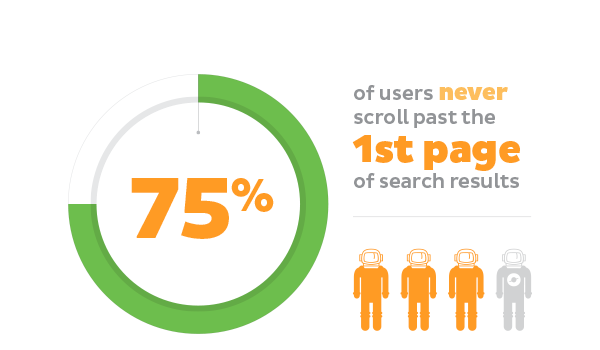
In the modern digital economy, visibility is currency. With over 3.5 billion searches executed daily, Google remains the undisputed gateway to global audiences. Yet, the brutal reality of search engine user behavior leaves little room for digital obscurity: a staggering 75% of users never scroll past the first page of search results. As industry veteran Brian Clark famously quipped, "The best place to hide a dead body is page 2 of the Google search results."
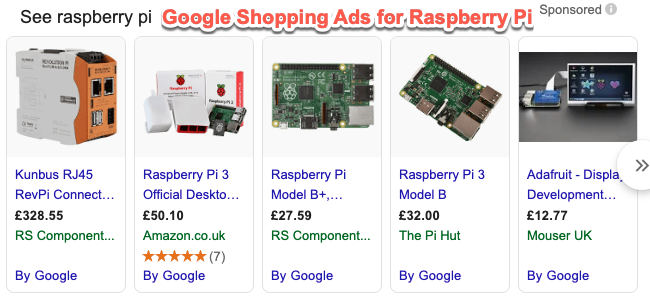
Achieving and maintaining a coveted first-page ranking has never been more challenging. Modern Search Engine Results Pages (SERPs) are increasingly complex ecosystems dominated by Paid Per Click (PPC) ads, local map packs, featured snippets, people-also-ask carousels, and Google Shopping modules. For brands and digital marketers, relying solely on traditional, passive SEO tactics is no longer enough.
This comprehensive guide breaks down 13 actionable strategies—ranging from immediate optimizations to advanced authority-building techniques—designed to secure front-page visibility in any industry, with or without relying exclusively on your own web properties.
Detailed Chronology: Understanding the Modern SERP Ecosystem
To conquer the first page of Google, one must first understand its evolution. The days of simple blue-link ranking algorithms are long gone. Today’s SERP is a highly competitive real estate market where traditional organic results must battle for user attention against a wall of features.
The Anatomy of the Modern SERP
When a user inputs a query, Google serves a dynamic blend of intent-matching elements. Understanding the proportions of these features—as mapped by industry benchmarks like the MozCast Feature Graph—is critical to selecting the right tactical approach:
PPC Advertisements: Placed at the very top and bottom, capturing high-intent transactional clicks.
Local Maps: Highly prominent visual packs triggered for geographically bound or local-intent queries.
Featured Snippets ("Position Zero"): Direct answers pulled from web pages, stealing clicks even from the #1 organic position.
Related Questions: Expandable accordion menus capturing mid-funnel informational queries.
Because of this cluttered landscape, the traditional path of ranking your own domain for every desired keyword is occasionally impractical. Smart SEO strategy requires a flexible approach: analyzing the SERPs, matching content types, leveraging alternative properties, and understanding when to bypass direct competition entirely.
Supporting Context & Metrics: 13 Ways to Get on the First Page of Google
1: Capitalize on Existing Keyword Opportunities (Quick Wins)
Rather than constantly starting content creation from scratch, look inward. You likely have dozens of pages already indexed by Google that are languishing on pages 2 through 4 (positions 6 through 20).
Using SEO auditing tools like Semrush, you can filter your organic positions to isolate these "low-hanging fruit" keywords.
The Process: Export your ranking keywords, apply a custom position filter for ranges 6–20, layer on minimum search volume thresholds, and prioritize pages based on commercial intent.
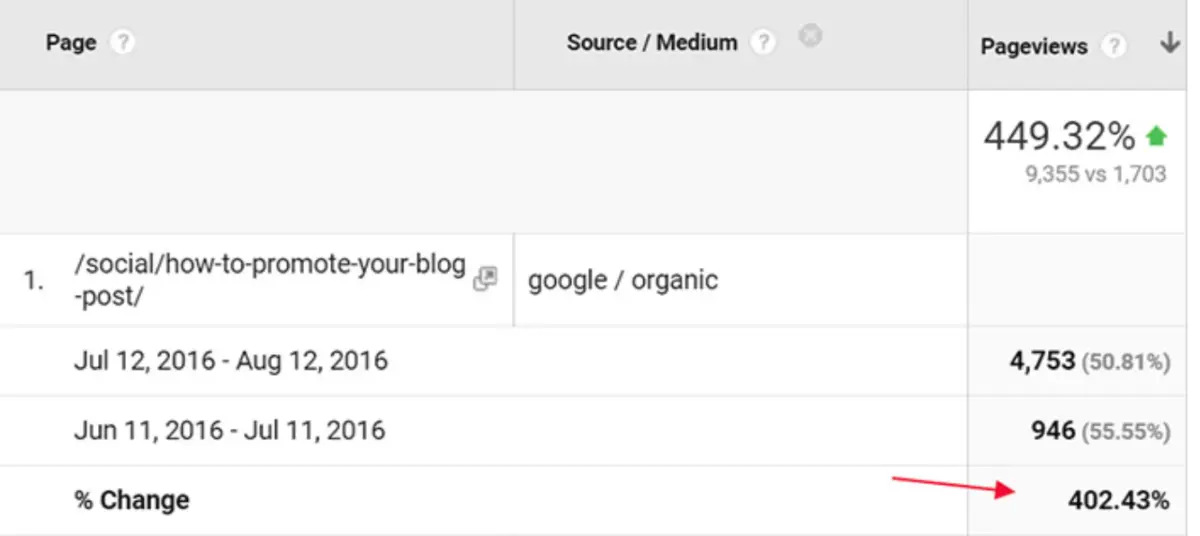
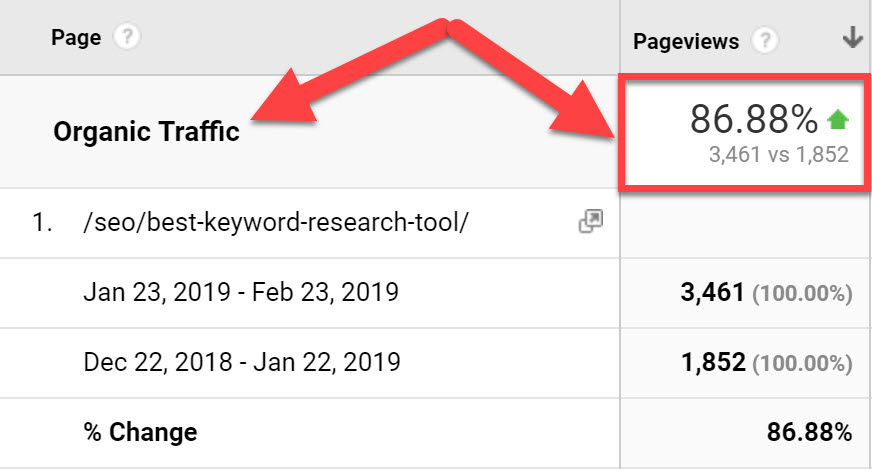
The Execution: Update these underperforming pages with fresh data, improved semantic depth, optimized headings, and internal links. This tactical relaunch can often shoot an article from position #8 to #2 almost overnight, yielding explosive month-over-month traffic gains.
2: Find and Eliminate Keyword Cannibalization
Keyword cannibalization occurs when multiple pages on your domain compete for the exact same target search query. This splits your backlink authority, confuses search engine crawlers, and often results in Google ignoring both pages entirely.
The Fix: Run a comprehensive organic position export, map your URLs against ranking queries, and identify overlapping targets. If two pages offer similar value, merge them into a single, comprehensive canonical resource and implement a 301 redirect from the deprecated URL. If a competing page offers no unique value, safely prune it.
3: Steal "Position Zero" with Featured Snippets
Ranking #1 is fantastic, but claiming Position Zero—the featured snippet box sitting above the top organic result—captures an estimated 8.6% of clicks directly away from the top-ranking URL.
Auditing Your Opportunities: Filter your rank-tracking reports to find queries where your site already ranks in the top 10, but a competitor holds the snippet.
Optimization: Format your content to directly answer the query using concise paragraphs, clean bulleted lists, or structured tables right beneath descriptive subheadings.
4: Dominate the Google Map Pack
For brick-and-mortar businesses and local service providers, organic blue links are secondary to the Google Map Pack. Because Google filters results based on the searcher’s physical location, local intent queries trigger map packs instantly.
According to official Google guidelines, local rankings are determined by three core pillars:
Relevance: How closely your Google Business Profile matches a user’s search query.
Distance: How far your physical location is from the searcher or specified search coordinates.
Prominence: How well-known your business is, evaluated via reviews, citations, and traditional SEO authority signals.
High-volume head terms are notoriously difficult to rank for. Conversely, long-tail keywords—while boasting lower search volumes—exhibit significantly higher conversion intent.
Use the Keyword Magic Tool in Semrush to unearth long-tail variations and question-based queries (e.g., how to, what is, best for). By targeting specific user problems, you attract users who are much further down the conversion funnel.
6: Leverage "Barnacle SEO"
When massive industry authorities (such as TripAdvisor, Avvo, or Zillow) dominate the SERPs for your target terms, outranking them directly is nearly impossible. Instead, Barnacle SEO allows you to attach your brand to their established real estate.
The Strategy: Identify high-ranking directories, review platforms, and active forum threads (such as Quora) in your niche. Claim your profiles, optimize your listings, and actively contribute authoritative answers embedded with value-add links back to your core properties.
7: Deploy "Parasite SEO" for Ultra-Competitive Keywords
Similar to Barnacle SEO, Parasite SEO involves publishing native content directly on high-authority external platforms (e.g., major news publications, high-DR blogging platforms, or industry resource hubs) that already possess the domain authority to rank for ultra-competitive "money" keywords instantly. By contributing guest assets or securing placements within existing top-ranking listicles, you can siphon targeted referral traffic while building long-term brand awareness.
8: Match Your Content Type to SERP Intent
A fatal flaw in many SEO campaigns is targeting a keyword with the wrong content format. If Google’s first page for a query consists entirely of long-form "How-To" guides, publishing a commercial product page will yield poor results.
Audit the SERP First: Always analyze the dominant content types (listicles, product category pages, video embeds, or step-by-step tutorials) currently ranking in the top 5 positions before outlining your content asset.
9: Accurately Qualify with Page-Level Link Signals
Page-level backlink metrics—specifically the number of unique Referring Domains and Page Authority—exhibit the strongest statistical correlation with first-page rankings.
Before committing resources to a target keyword, inspect the backlink profiles of the current top-ranking URLs. If competing pages boast hundreds of referring domains while your target URL has zero, ranking will remain a distant prospect unless you can identify a glaring gap in their content quality or topical depth.
10: Build Aggressive Page-Level Authority
To outrank established competitors, you must systematically build page-level authority. Key tactical approaches include:
Competitor Backlink Replication: Audit your top competitors’ backlink profiles, filter out spam, and outreach to relevant sites linking to them.
Backlink Gap Analysis: Unearth linking domains that point to multiple competitors but have yet to link to your property.
Strategic Internal Linking: Pass link equity from your site’s existing high-authority pages to newly published assets through relevant contextual internal links.
11: Expand Your Organic Footprint (Semantic Optimization)
A single well-optimized page can rank for hundreds or thousands of secondary and semantic long-tail keywords. By utilizing comprehensive keyword research tools to inject related semantic terms, variations, and sub-topics into your content, you broaden your topical relevance and capture valuable aggregate traffic.
12: Embrace a Mobile-First Mindset
With Google utilizing a mobile-first index, the mobile version of your website is evaluated as the primary version for ranking purposes.
A poorly responsive, slow-loading mobile site will actively suppress your rankings across all devices. Regularly audit your mobile usability via Google Search Console and optimize page speed using tools like Google PageSpeed Insights and GTmetrix.
13: "Pay to Play" (Strategic Paid Advertising)
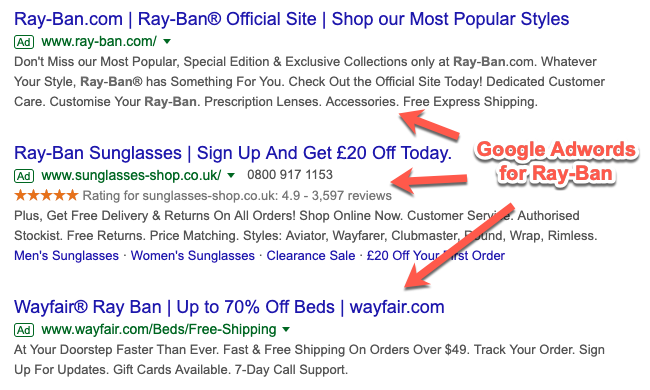
While organic SEO is a long-term play, paid search campaigns provide immediate SERP visibility. Utilize Google Ads text ads, local map ads, and paid placements on established review aggregators (such as G2 or Avvo) to capture immediate, high-intent traffic while your organic optimization efforts compound in the background.
Official Statements & Industry Expert Insights
Industry leaders continually emphasize that modern search engine optimization is less about gaming algorithms and more about satisfying user intent efficiently.
"The best place to hide a dead body is page 2 of the Google search results." — Brian Clark, Founder of Copyblogger
SEO practitioners stress that technical execution must be paired with agility. As search engines integrate artificial intelligence and complex SERP features, success belongs to marketers who treat SEO as a holistic ecosystem rather than a checklist of isolated tactics. Whether through optimizing existing low-hanging fruit, engaging in parasite SEO, or refining mobile performance, maintaining visibility requires continuous adaptation.
Future Outlook
As search engine algorithms evolve to prioritize user experience, artificial intelligence, and semantic depth, the barriers to entry for digital visibility will continue to rise. Traditional keyword stuffing and low-quality link building are obsolete; they are actively penalized by algorithmic updates focused on helpful, authoritative content.
Looking ahead, winning brands will be those that embrace a multi-pronged approach:
User-Centric Architecture: Designing lightning-fast, mobile-optimized experiences that satisfy immediate user intent.
Diversified Visibility: Combining organic optimization with strategic paid acquisition, local map marketing, and external platform syndication (Barnacle and Parasite SEO).
Continuous Auditing: Regularly refreshing legacy content, eliminating keyword cannibalization, and capturing emerging featured snippet opportunities.
By implementing these 13 proven strategies methodically, businesses can navigate the complexities of modern search algorithms, secure dominant first-page placement, and drive sustainable, high-intent organic growth in any industry.