

Executive Overview
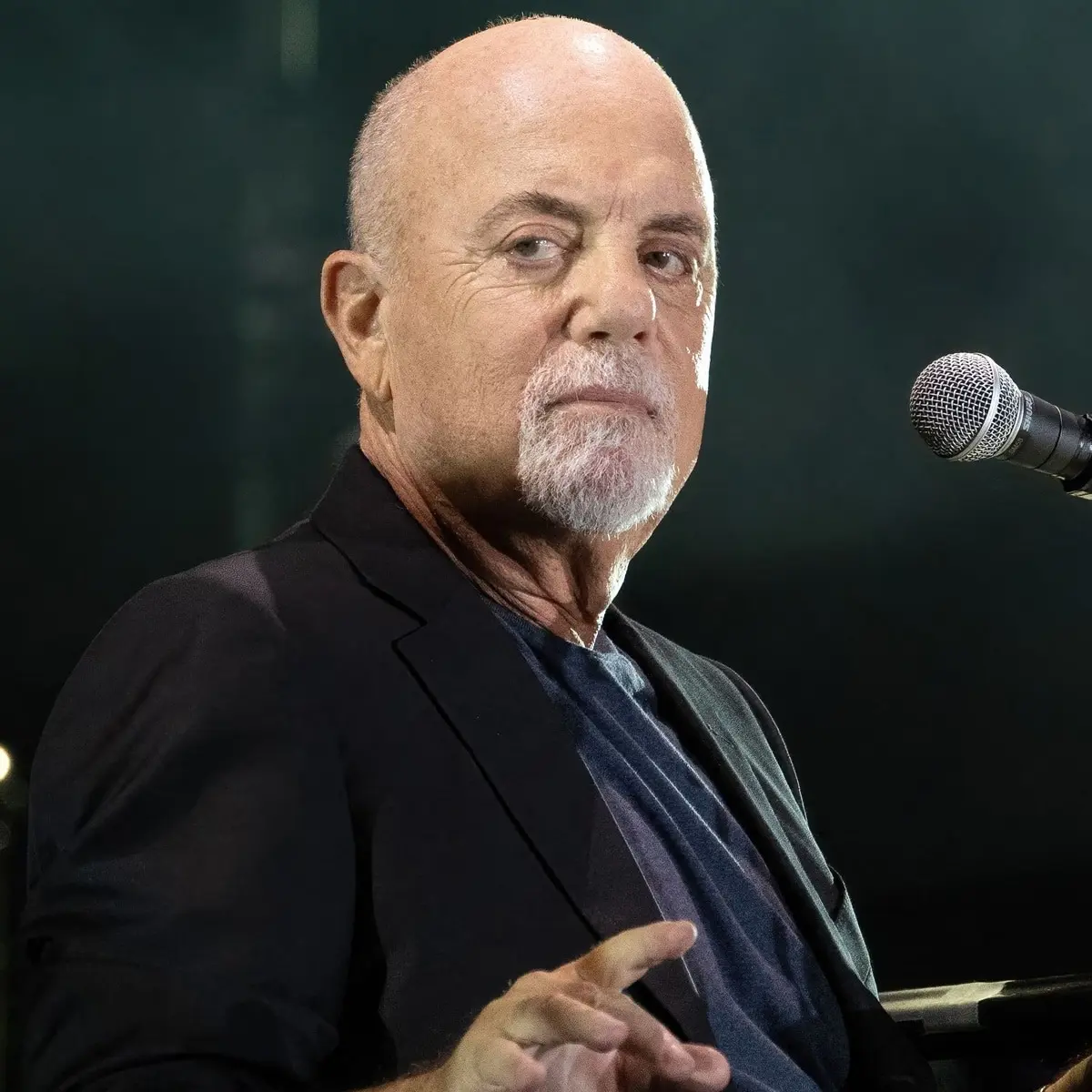
The intersection of extreme professional performance and long-term neurological health has once again moved to the forefront of public discourse following legendary singer-songwriter Billy Joel’s recent medical disclosures. At 77 years old, the "Vienna" artist revealed that he underwent major neurosurgery to implant a cerebral shunt. The procedure was necessitated by a diagnosis of normal pressure hydrocephalus (NPH), a condition characterized by an abnormal accumulation of cerebrospinal fluid (CSF) within the brain’s ventricles, creating progressive intracranial pressure.
Joel’s revelations during a September SiriusXM interview shed light on a harrowing physical decline—manifesting as severe balance issues, spatial disorientation mimicking a constant "rocking motion," and early cognitive slips—that ultimately forced him to cancel all scheduled concert dates in May 2025. Most strikingly, the rock icon’s medical team linked his NPH directly to the decibel levels and physical toll of his decades-long career, noting that the visceral concussion-like vibrations of performing high-decibel rock and roll night after night caused cumulative micro-damage to his neural pathways.
While Joel’s journey highlights the hidden physical costs of legendary stage careers, his story is far from isolated. Across the entertainment and sports spheres, high-profile figures frequently face sudden, life-altering medical emergencies—from brain aneurysms and strokes to rare endocrine disorders and unexpected surgical traumas. This report examines Billy Joel’s comprehensive medical timeline, the mechanics of normal pressure hydrocephalus, the broader occupational hazards of live music performance, and an extensive catalog of how other notable public figures have navigated profound medical crises in recent years.
Detailed Chronology of Billy Joel’s Medical Journey
1. The Onset of Symptoms and Early Warnings
Long before a formal diagnosis was reached, Billy Joel began experiencing subtle yet deeply concerning shifts in his physical coordination and cognitive baseline. Speaking candidly to listeners, Joel recalled the initial warning signs that disrupted his daily life:
- Balance and Spatial Disorientation: The musician noted a persistent feeling of being unsteady on his feet, describing an unsettling sensation akin to "being on a boat" with a continuous rocking motion.
- Cognitive Ambiguity: Like many aging adults, Joel initially struggled to differentiate between normal age-related memory lapses and the manifestations of an underlying medical pathology, remarking on his determination not to "lose my marbles."
2. Neurological Consultation and the Shunt Proposal
Upon seeking medical evaluation, Joel underwent comprehensive neurological testing. His neurologist identified progressive normal pressure hydrocephalus as the root cause of his deteriorating balance and cognitive fog. To mitigate the dangerous buildup of cerebrospinal fluid, the medical team recommended the surgical placement of a shunt—a flexible medical tube designed to drain excess fluid from the brain into another part of the body, typically the abdomen.
Joel’s initial reaction was characteristic skepticism: when informed that the procedure required drilling a hole through his skull to position the shunt inside his brain, his immediate response was, "Nah, I think I’ll pass on that." However, subsequent research and consultations persuaded the 77-year-old artist that the intervention was critical not only for stabilizing his physical equilibrium but also for preserving his cognitive longevity.
3. Surgical Intervention and Postoperative Recovery
Acknowledging the high stakes of cognitive preservation, Joel consented to the neurosurgical procedure. The results were remarkably positive. Following the implantation of the shunt, Joel observed tangible health improvements, noting that his memory sharpened, his balance stabilized, and his overall functional capacity significantly rebounded.
Despite these gains, the medical team emphasized the necessity of prolonged caution. Doctors postulated that decades of exposure to extreme acoustic pressure—the physical shockwaves generated by blasting rock and roll music through massive arena sound systems—functioned similarly to repeated concussions. Each performance, according to his medical advisors, inflicted micro-trauma on brain nerves, risking cumulative cellular loss. Consequently, Joel made the decisive choice to pull the plug on his touring schedule in May 2025, dedicating himself strictly to physical therapy and medical compliance to safeguard his future health.
Supporting Context & Metrics: Understanding Normal Pressure Hydrocephalus and Occupational Neurological Hazards
The Mechanics of Normal Pressure Hydrocephalus (NPH)
According to data from the Mayo Clinic, normal pressure hydrocephalus primarily affects older adults. It occurs when cerebrospinal fluid—the clear liquid that cushions and protects the brain and spinal cord—fails to drain properly, leading to an enlarged ventricular system. Despite the ventricular expansion, intracranial pressure often remains within or near the normal range, hence the name.
Classic presentations of NPH include a triad of symptoms:
- Gait Disturbances: Often the earliest and most prominent symptom, manifesting as magnetic, unsteady walking patterns.
- Cognitive Impairment: Ranging from mild memory loss to executive dysfunction, frequently misdiagnosed as Alzheimer’s disease or standard age-related cognitive decline.
- Urinary Incontinence: Usually appearing later in the progression of the syndrome.
The standard treatment, as experienced by Joel, involves the surgical insertion of a ventriculoperitoneal (VP) shunt to divert excess fluid safely away from the cranial vault.
The Acoustic and Physical Toll of Arena Rock
The assertion that live rock performance can mimic the neurological impacts of repeated concussions introduces a vital occupational health discussion. High-output audio systems generate extreme sound pressure levels (SPLs), often exceeding 115 to 120 decibels at the stage level. While prolonged exposure typically results in noise-induced hearing loss and tinnitus, emerging research into acoustic shock and high-intensity vibrational trauma suggests that extreme low-frequency bass waves and acoustic concussions can transfer kinetic energy directly through the cranial bones, potentially exacerbating fluid dynamics and neural tissue stress in susceptible individuals.
Official Statements & Public Reassurance
Amidst swirling rumors and fan anxiety following the abrupt cancellation of his tour dates, Billy Joel moved quickly to address his global fanbase directly. Emphasizing resilience and operational continuity, the singer offered clear words of reassurance:
"I just want people to know, don’t worry about me. I’m not going anywhere. I’m here. I’m still here."
Reflecting on his rehabilitation regimen, Joel underscored his commitment to rigorous physical therapy and adherence to medical directives:
"I realized that means I shouldn’t be doing this right now. I got to improve. They don’t want me to stress too much. So, I’m doing physical therapy. I’m doing whatever it is they tell me to do, because I don’t want to lose it, you know?"
These statements encapsulate a measured balance of humility, health prioritization, and enduring dedication to his artistic identity.
Future Outlook: The Broader Landscape of Celebrity Health Crises
Billy Joel’s journey with normal pressure hydrocephalus mirrors a broader cultural trend wherein public figures increasingly utilize their platforms to demystify complex medical conditions. From neurological crises to sudden surgical interventions, the entertainment industry has seen a profound shift toward transparency regarding health vulnerabilities.
A Compendium of High-Profile Medical Battles
To contextualize Joel’s experience, medical emergencies across the broader celebrity sphere demonstrate the unpredictable nature of health in the public eye:
-
Neurological & Brain Health Crises:
- Emilia Clarke: The Game of Thrones star survived two life-threatening brain aneurysms (subarachnoid hemorrhages) in her twenties, requiring invasive skull surgeries and overcoming severe aphasia.
- Jamie Foxx: The Oscar winner suffered an unheralded brain bleed in April 2023 that led to a stroke, resulting in a 20-day memory blackout and extensive physical rehabilitation in Chicago.
- Hailey Bieber & Cori Broadus: Both experienced terrifying stroke events—Hailey due to a transient ischemic attack (TIA) linked to a patent foramen ovale (PFO) heart defect, and Cori due to a severe stroke complicated by lupus-induced kidney failure.
- Justin Bieber: Diagnosed with Ramsay Hunt syndrome in 2022, which caused temporary facial paralysis and forced the cancellation of his global tour.
-
Acute Traumas & Surgical Interventions:
- Brianna "Chickenfry" LaPaglia: Underwent emergency surgery in May 2026 after a large ovarian cyst caused organ-twisting and internal bleeding, leaving a half-liter of blood in her pelvic floor.
- Nikki Garcia: Suffered a wrestling injury in July 2025 when a direct elbow slam from Piper Niven shifted her breast implant down to her ribs.
- Suki Waterhouse: Hospitalized in July 2025 for an abdominal hernia directly attributed to wearing excessively tight pants.
- Brian Austin Green: Recovered from major surgery in April 2025 after suffering a perforated appendix.
- Savannah DeMelo: Suffered a terrifying mid-game medical collapse during an NWSL match in September 2025, requiring immediate on-field stabilization and hospital transport.
- Christy Carlson Romano: Survived a horrific clay-shooting accident in February 2025 where a stray projectile struck her face five times, lodging a metal fragment dangerously close to her right eye.
-
Endocrine, Autoimmune, & Chronic Conditions:
- Lupita Nyong’o: Disclosed in 2025 that she had suffered in silence with non-cancerous uterine fibroids for over a decade following her 2014 Oscar win.
- Amy Schumer: Diagnosed with Cushing syndrome, uncovered thanks to medical professionals diagnosing her symptoms from her public appearances and tracing the root cause to prior steroid injections for scars.
- Shailene Woodley: Endured a grueling decade-long health battle in her early twenties involving severe hearing loss, mobility limitations, and gastrointestinal distress, ultimately resolving her symptoms through a combination of traditional medicine and holistic herbalism.
Conclusion
Billy Joel’s proactive management of normal pressure hydrocephalus marks a courageous chapter in an iconic career. By prioritizing neurological preservation over arena performances, Joel sets a powerful precedent for listening to one’s body, trusting modern medical interventions, and embracing the necessity of rest. As medical transparency continues to break down stigmas surrounding aging, neurology, and physical vulnerability, stories like Joel’s—and those of his peers—serve as both cautionary tales and beacons of resilience.
