

Executive Overview
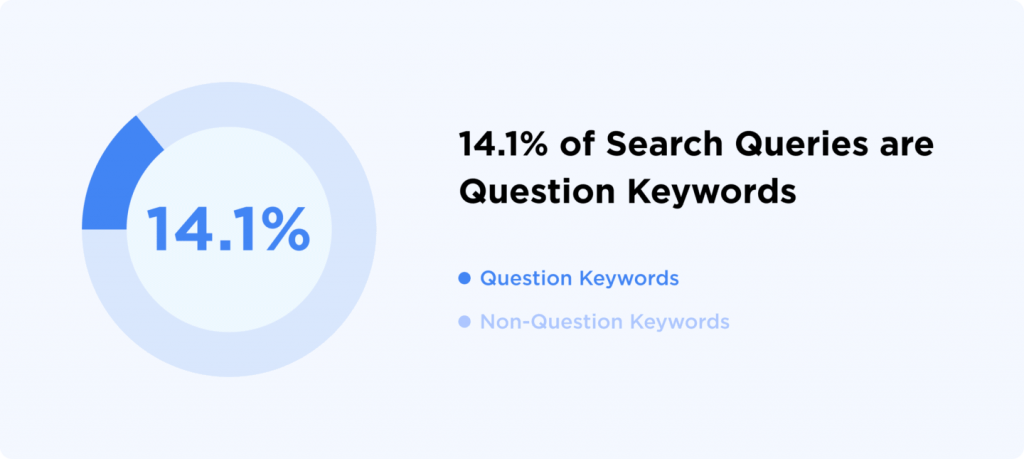
In the modern digital landscape, the nature of consumer search behavior has undergone a profound transformation. Gone are the days when users relied solely on fragmented, choppy keyword phrases to navigate the vast expanse of the internet. Today, search engines like Google process billions of queries daily, and an astonishing 14.1% of those searches are formulated entirely as questions. Out of roughly 3.5 billion daily searches globally, this equates to a staggering 490 million questions asked every single day.

This behavioral shift—heavily accelerated by the widespread adoption of voice assistants, mobile devices, and complex informational demands—presents a monumental opportunity for digital marketers, content creators, and SEO professionals. By systematically targeting question-based keywords, brands can intercept prospective buyers at the exact moment of high intent, delivering precise solutions while subtly weaving in products, services, or affiliate offers.
However, discovering these high-value, low-competition queries manually is an uphill battle. This comprehensive guide outlines four scalable, data-driven methodologies for unearthing lucrative question-based keywords using powerful SEO platforms like Semrush, browser extensions, and community forums.
Detailed Chronology: The Evolution of Search Intent and Question Targeting
To fully understand why question-based keyword research has become the cornerstone of modern search engine optimization (SEO), it is essential to trace how search engines and user habits have evolved over the last decade.
Phase 1: The Era of Fragmented Keywords
In the early years of commercial search engines, users were conditioned to think like machines. To find information on customer relationship management (CRM) software, a user would type a clipped phrase like "CRM software best" or "CRM tools comparison". Search algorithms relied heavily on exact-match keywords, forcing content creators to stuff articles with unnatural phrasing to rank on the first page.

Phase 2: The Rise of Natural Language Processing (NLP)
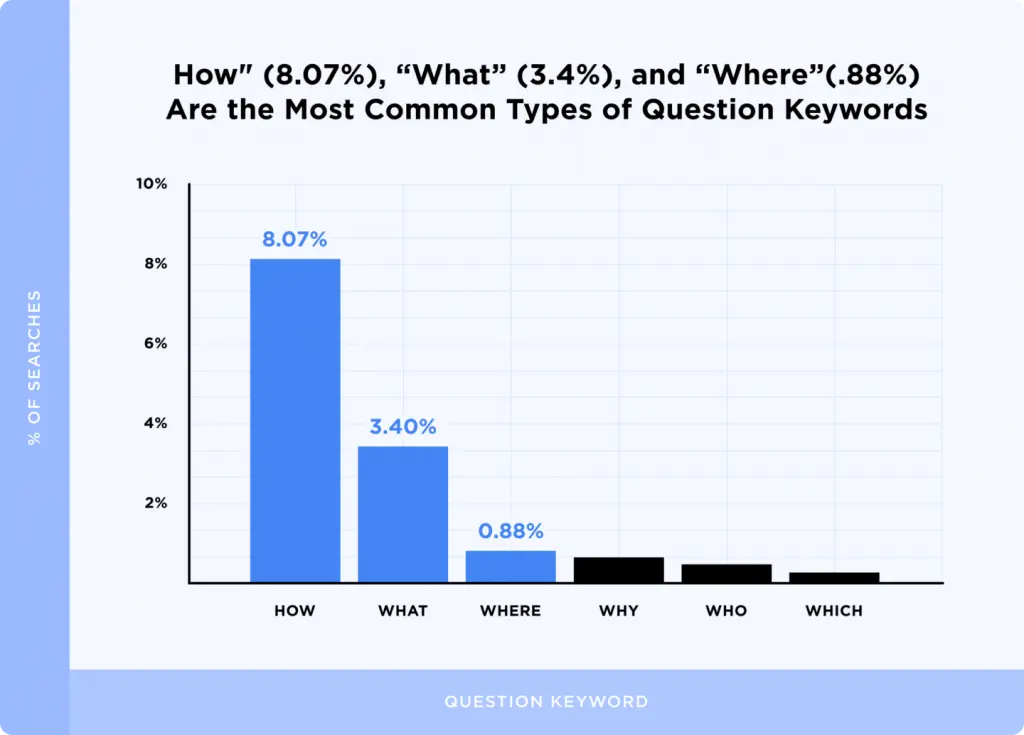
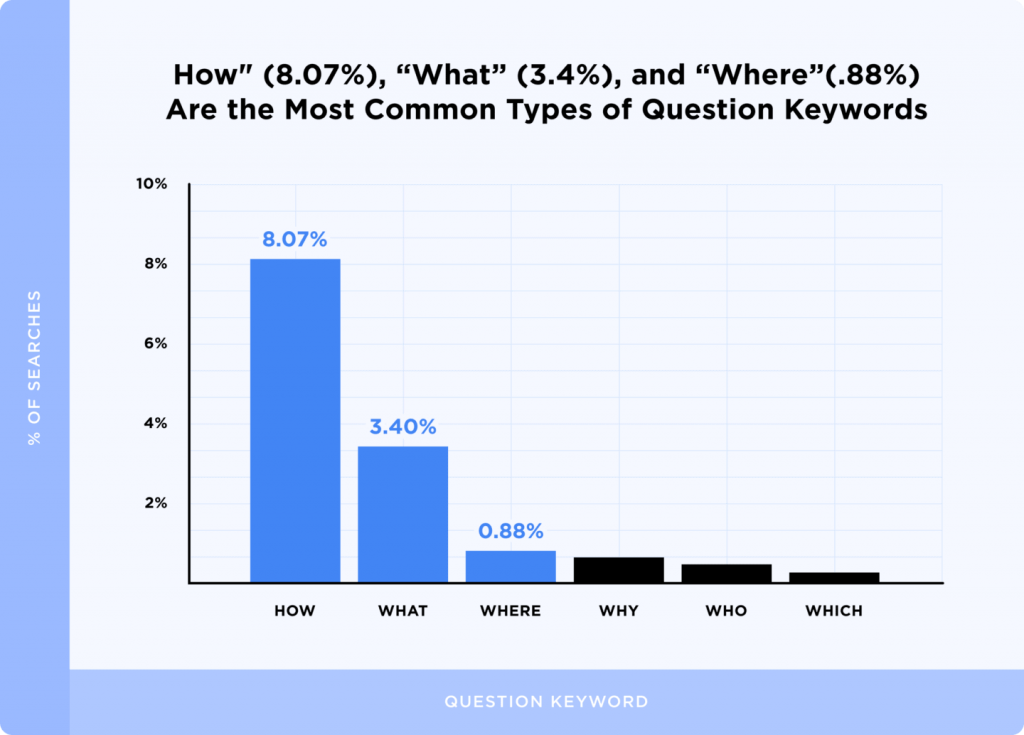
As search engines grew more sophisticated through updates like Google’s Hummingbird and BERT, the focus shifted from matching strings of text to understanding context and user intent. Search engines learned to interpret natural human language. Consequently, users abandoned robotic search queries in favor of conversational phrasing. Questions starting with "how," "what," "why," and "can" began flooding search bars. Data indicates that "how" questions alone account for roughly 8.07% of all question queries, while "what" questions make up about 3.4%.

Phase 3: The Voice Search Revolution and Long-Tail Dominance
The proliferation of smartphones and smart home devices (such as Siri, Alexa, and Google Assistant) pushed voice search into the mainstream. Voice queries are inherently conversational and long-tail by nature. A user is far more likely to type "What is the best CRM system for a small medical practice?" than simply "medical CRM." This transition leveled the playing field for smaller websites and niche publishers, as long-tail question queries often carry significantly lower keyword difficulty (KD) than broad head terms.

Supporting Context & Metrics: Why Question Keywords Are a Marketer’s Goldmine
Integrating question-based keywords into an editorial strategy yields two primary advantages that traditional keyword targeting often fails to match: high user intent and low competition.

1. High User Intent
When an internet user enters a question into a search bar, they are rarely browsing aimlessly. They are experiencing a specific pain point, roadblock, or curiosity, and they demand an immediate answer.

- The Opportunity: By answering their question directly and authoritatively, you position your brand as a trusted advisor.
- The Conversion: Seamlessly embedding your product, service, or affiliate recommendation as the logical solution to their problem dramatically increases conversion rates compared to top-of-funnel, broad-topic traffic.
2. Low Keyword Difficulty
Because questions are inherently specific and long-tail, they typically face far less competition than generic industry terms.
- The Ranking Advantage: In many cases, you do not need to construct massive, 5,000-word definitive guides or aggressively build external backlinks to rank on page one for targeted question keywords.
- The Efficiency: Optimizing short support pages, FAQ sections, or targeted blog posts around these queries allows smaller domains to capture valuable organic real estate quickly.
4 Ways to Scale Question-Based Keyword Research
To capitalize on this search behavior without spending countless hours manually guessing what users want to know, digital strategists can deploy four repeatable, scalable tactics. (Note: The following methodologies utilize Semrush as the primary SEO software suite).
1. Leveraging Dedicated Question-Based Keyword Reports
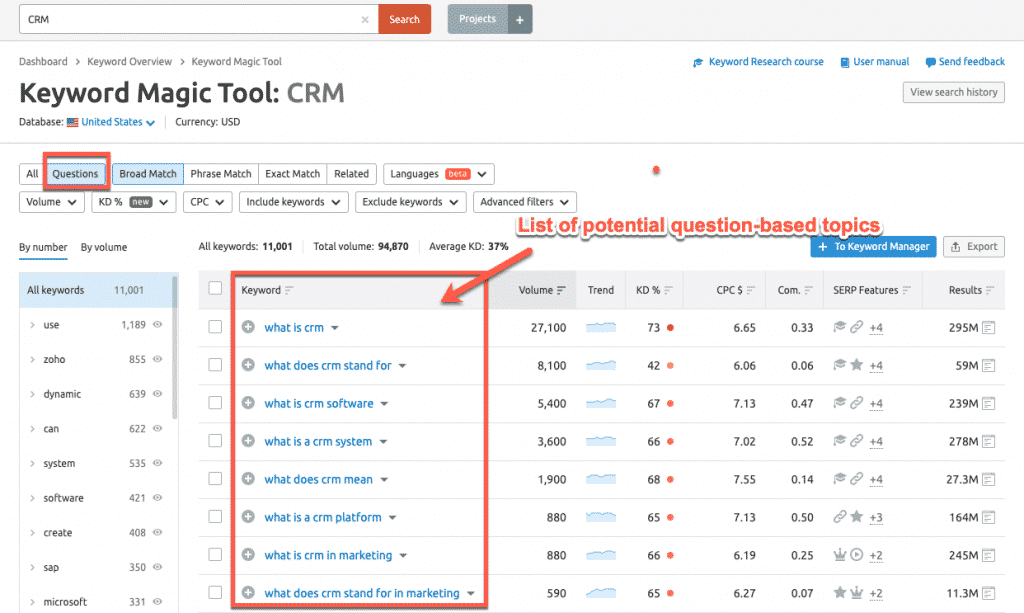
Most enterprise-level SEO tools feature built-in filters designed specifically to isolate interrogative queries. By entering a broad seed topic—such as "CRM"—into a tool like Semrush’s Keyword Magic Tool, users can generate exhaustive reports categorized by question modifiers ("how," "what," "where," "why," "can," etc.).

- Top-of-Report Queries: At the summit of these reports, you will typically find high-volume, highly competitive broad questions (e.g., "What is a CRM?").
- The Deep-Scroll Advantage: As you scroll further down the report, search volumes may decrease, but relevance, intent, and ease of ranking increase exponentially. You will unearth ultra-specific queries such as "Can a CRM be integrated with an ERP?" or "What features should I look for in a CRM database?".
- Actionable Execution: Create content frameworks that directly address these nuanced queries. If a user is searching about CRM-ERP integrations, your article can explain the technical process while highlighting how your specific software bridges the gap. Utilize keyword difficulty metrics (color-coded green or light yellow) to cherry-pick the easiest wins. Furthermore, leveraging Semrush’s Intent and Grouping filters allows you to instantly isolate transactional or commercial question intents.
2. Mining the "People Also Ask" (PAA) Box with Automated Tools
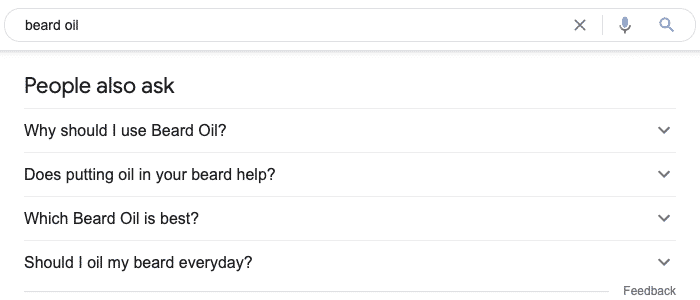
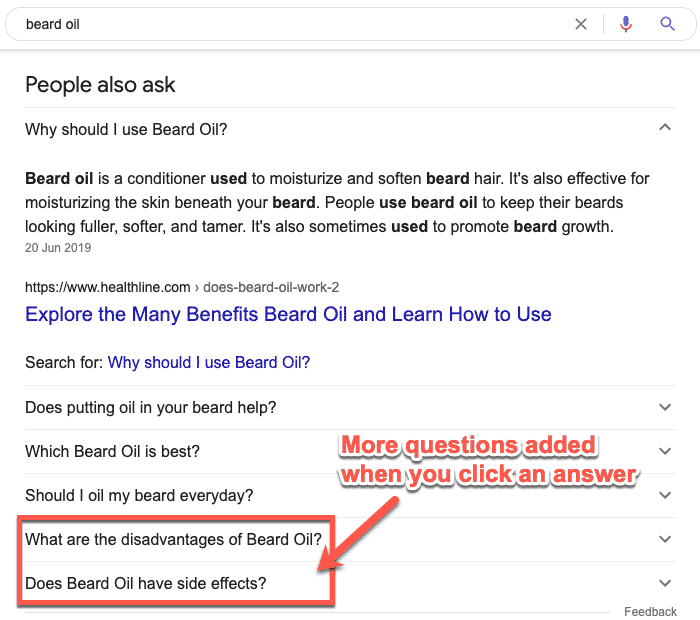
Google’s Search Engine Results Pages (SERPs) feature "People Also Ask" (PAA) boxes for a vast percentage of queries. These boxes display real-time questions that active searchers are typing into Google. Expanding these boxes reveals an ever-expanding tree of related queries, making them an infinite source of content topics.
- The Efficiency Bottleneck: Manually clicking, copying, and pasting PAA questions into a spreadsheet is tedious and inefficient.
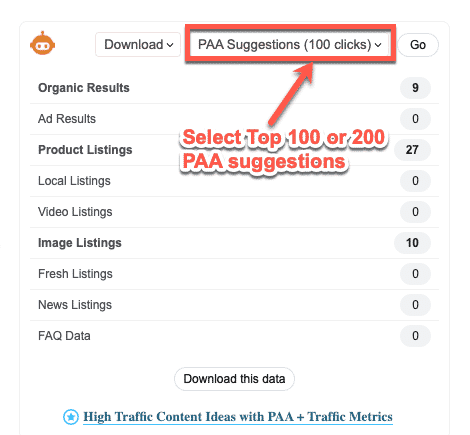
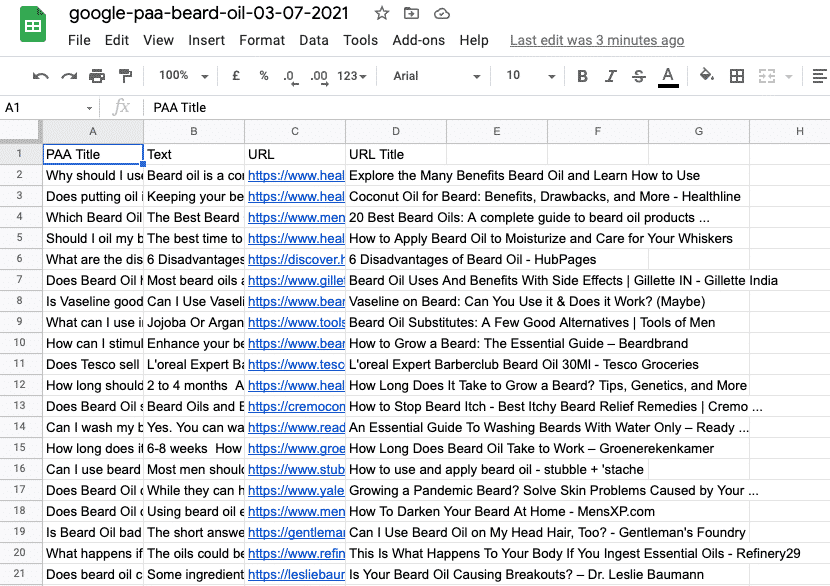
- The Solution: Install SEO Minion, a free Chrome extension recommended by top-tier SEO experts. Once installed, execute a search, open the SEO Minion widget on the SERP, select the "All Organic Results" or PAA export feature, and download a bulk CSV file containing PAA titles, text, URLs, and URL titles.
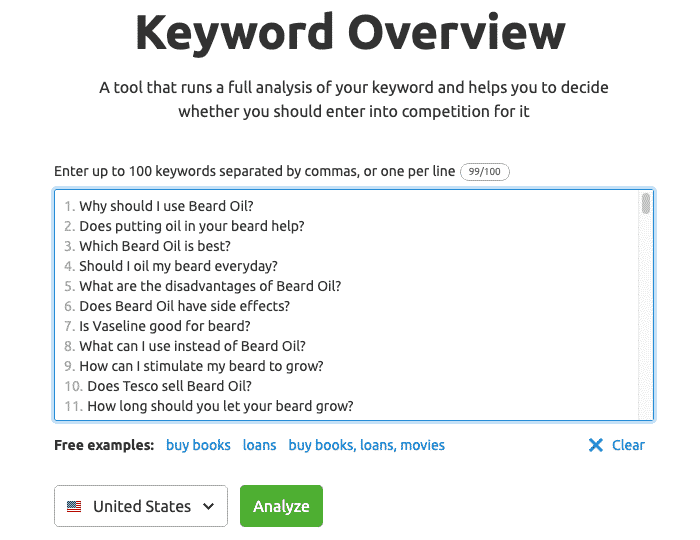
- Batch Processing: Take the exported question column, paste up to 100 queries at a time into the Semrush Keyword Overview tool, and analyze search volumes and keyword difficulties in bulk. While only a small percentage of these bulk-mined questions will feature high search volumes, compiling multiple seed topics yields a robust backlog of low-competition, highly relevant content ideas.
3. Mining Niche Subreddits for Untapped Pain Points
Online communities like Reddit represent unfiltered vaults of consumer sentiment, complaints, and questions. For virtually any industry, product category, or competitor, there is an active subreddit where users openly discuss their frustrations.
- Step 1: Locate a relevant subreddit (e.g.,
r/CRMfor customer relationship management software). - Step 2: Plug that specific subreddit URL into Semrush’s Organic Research report, ensuring the subfolder view is selected.
- Step 3: Apply advanced filters to refine the data. For instance, set a minimum search volume threshold (e.g., volume $ge$ 20) and add a word-count filter to include phrases greater than two words.
- Step 4: Scan the results for low-competition keywords. You will often find comparative or niche-specific queries that standard keyword research tools miss, such as "HIPAA compliant CRM" or "best CRM for contractors".
- Competitive Differentiation: If a user is asking "Is [Competitor X] HIPAA compliant?" and your product is compliant while your rival is not, you have discovered a high-converting question keyword that can serve as a powerful product differentiator.
4. Mining High-Traffic Quora Threads
Quora is a massive Q&A platform that frequently ranks on the first page of Google for informational queries. Beyond driving direct referral traffic through active participation, Quora serves as an exceptional keyword mining ground.
- Execution Strategy: Navigate to Semrush’s Organic Research report, input the domain
quora.com, and apply advanced URL/keyword filters. Combine a broad seed topic (e.g., "beard oil") with question modifiers like "how" or "best". - Uncovering Hidden Gems: Review the resulting low-competition, green-KD queries that surface from Quora’s ranking footprint. Questions like "How to apply beard oil without making it greasy?" or "What is the best natural alternative to commercial beard oil?" provide crystal-clear content angles.
- Workflow Integration: Click the "+" icon next to targeted keywords within Semrush to add them directly to your Keyword Manager. Export the consolidated list into your editorial content calendar, build structured briefs, and assign them to your writing team.
Future Outlook: The Next Frontier of Question-Based Optimization
As artificial intelligence continues to reshape search engines—exemplified by Google’s Search Generative Experience (SGE) and conversational AI chat interfaces—the prominence of question-based queries will only accelerate. Search engines are no longer merely matching blue links to keywords; they are synthesizing direct answers to complex, multi-part human questions.

For digital marketers and content strategists, the mandate is clear: keyword research must evolve beyond static noun phrases. By adopting a systematic approach to mining question keywords through SEO platforms, browser extensions, and community forums, businesses can future-proof their digital visibility.

Mastering question-based SEO ensures your brand is not just present when users search, but actively participating in the conversation when they are ready for answers, solutions, and conversions.
