

The 2026 Emmy Awards at Los Angeles’ Peacock Theatre on September 14 will be remembered as a night where television’s past and present collided in spectacular fashion. Hosted by Mariska Hargitay, the ceremony functioned as both a celebration of contemporary prestige television and a nostalgia-drenched tribute to the medium’s defining milestones. While glittering ensembles worn by modern icons like Zendaya, Selena Gomez, and Tom Holland dominated the red carpet, the real emotional core of the evening emerged from unexpected reunions of legendary television casts.
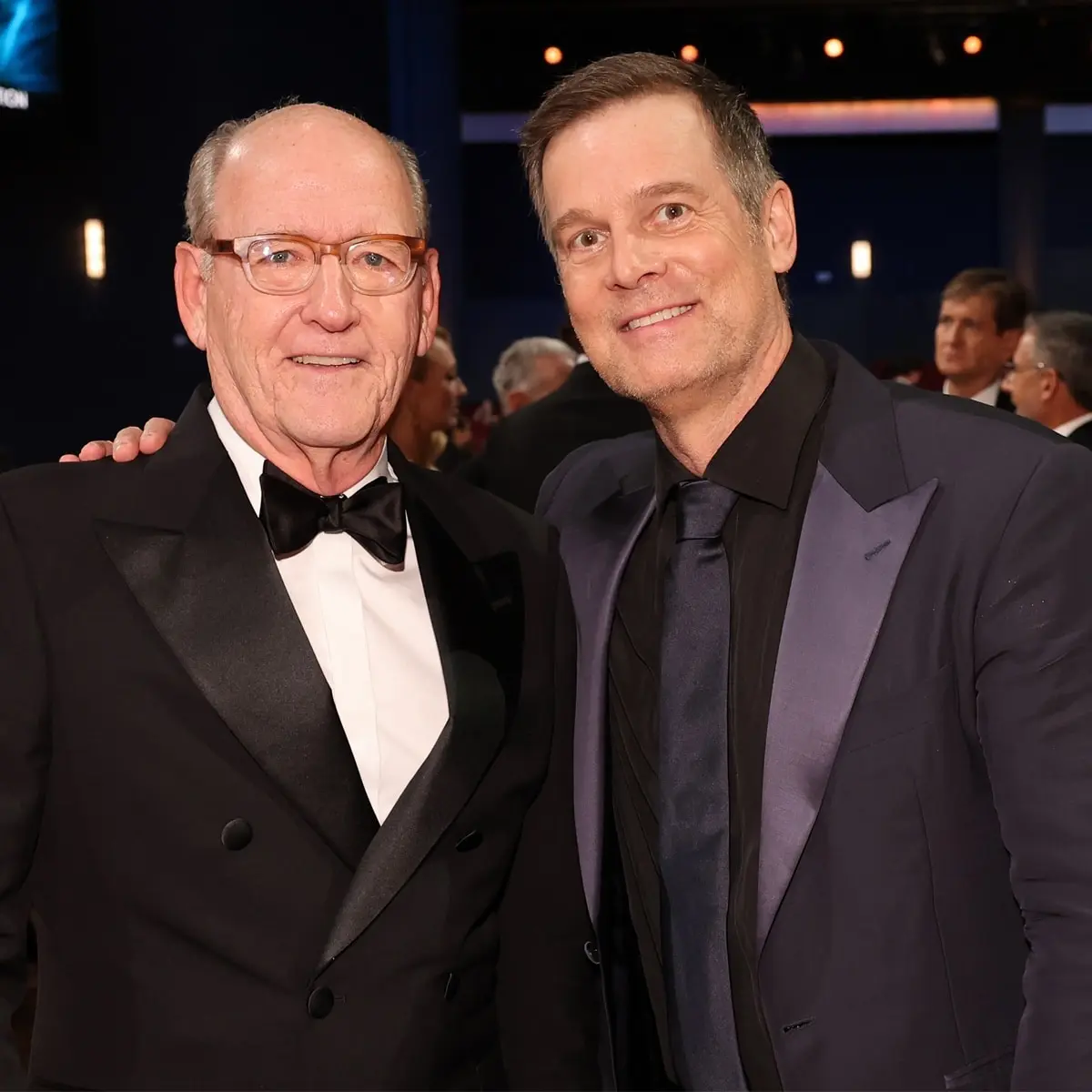
Chief among these transcendent moments was the surprise red-carpet reunion of Six Feet Under co-stars Peter Krause and Richard Jenkins, who posed together for the cameras 21 years after the iconic HBO drama concluded its landmark five-season run. Their encounter—juxtaposed against a backdrop of triumphant wins for veteran actors like Noah Wyle, fresh milestones for Zendaya, and nostalgic nods from bygone cultural touchstones like Buffy the Vampire Slayer—solidified the 2026 ceremony as a generational bridge. This comprehensive report explores the major highlights of the 2026 Emmy Awards, analyzing the red-carpet reunions, major category wins, critical industry metrics, and the enduring legacy of the television classics that continue to shape modern storytelling.
Detailed Chronology: A Night of Triumphs and Reunions
The evening’s proceedings at the Peacock Theatre unfolded with a brisk, high-stakes energy, punctuated by major wins and emotional red-carpet spectacles that set social media ablaze before the broadcast even began.
The Red Carpet: Nostalgia Meets High Fashion
Long before the first golden statuette was handed out, the red carpet established a narrative of legacy and cross-generational camaraderie. Peter Krause, who served as one of the evening’s high-profile presenters, cut a dashing figure in a rich plum tuxedo paired with a matching shirt and tie. Beside him stood Richard Jenkins, nominated for his riveting work in DTF St. Louis, who opted for classic elegance in a black tuxedo, crisp white shirt, and black bow tie.
The pairing of Krause and Jenkins offered a poignant echo of Six Feet Under, which defined Sunday-night television from 2001 to 2005. On the series, Krause starred as Nate Fisher, the reluctant inheritor of the family funeral business, while Jenkins portrayed the patriarch, Nathaniel Fisher Sr., whose sudden death in the pilot sets the show’s existential narrative in motion. Seeing the actors side-by-side over two decades later provided a rare, visceral reminder of the show’s profound cultural footprint.
The carpet was similarly brimming with other jaw-dropping reunions and pop-culture crossovers. Sarah Michelle Gellar and David Boreanaz sent shockwaves through fandoms by posing together, resurrecting the timeless magic of Buffy the Vampire Slayer. Meanwhile, Big Little Lies alumni Nicole Kidman and Shailene Woodley caught up following Woodley’s triumphant guest actress win for Paradise.
Inside the Ceremony: Trophies, Upsets, and Standout Wins
As the ceremony commenced under Mariska Hargitay’s assured guidance, the awards block delivered a mix of predictable dominance and shocking upsets:
- Drama Series Dominance: Noah Wyle secured his second consecutive win for Outstanding Lead Actor in a Drama Series for his tour-de-force performance in The Pitt, flanked by his wife, Sara Wells. Meanwhile, the drama categories saw a tectonic shift as Widow’s Bay swept multiple major categories, effectively upending predicted front-runners like Hacks.
- Leading Ladies: Zendaya earned another prestigious nomination for Outstanding Lead Actress in a Drama Series, capping off an epic, multi-year odyssey with Euphoria’s spread-out third season. She shared the spotlight with fellow nominees Chase Infiniti (The Testaments) and Ayo Edebiri, further cementing a dominant cohort of young talent. However, the statue ultimately went to Rhea Seehorn for her long-overdue, critically acclaimed turn in Pluribus, delivering an emotional high point for the evening.
- Limited Series and Anthology Highlights: David Harbour took home the trophy for supporting actor in a limited or anthology series or movie for his stellar work in DTF St. Louis, visibly ecstatic as he celebrated his victory.
Supporting Context & Metrics: The Six Feet Under Phenomenon and Industry Shifts
To fully understand the cultural gravity of Krause and Jenkins’ reunion at the 2026 Emmys, one must examine the enduring legacy of Six Feet Under and how it shaped the modern television landscape.
The Philosophy of Nate Fisher
In a retrospective interview with TV Insider earlier in the year marking the show’s milestone anniversary, Peter Krause reflected deeply on why his character, Nate Fisher, resonated so profoundly with audiences and with the actor himself.
"He was leading this compromised life where he really couldn’t be himself," Krause shared. "I think we can all relate to that at different times, when there are pressures from the outside that make us, out of a sense of responsibility or obligation, make decisions that take us away from our genuine self. That particular grind in Nate was something that, at that time in my life, I responded to."
This raw, unvarnished exploration of grief, family dysfunction, and mortality helped pioneer the "Golden Age of Television," proving that serialized dramas could achieve the psychological depth of great literature.
Jenkins and the Omnipresent Fan Base
While Richard Jenkins’ character, Nathaniel Sr., technically occupied a spectral, recurring presence—appearing primarily in visions, flashbacks, and conversations with his grieving family—his impact on the series was absolute. Jenkins has often spoken about the bizarre and deeply personal ways fans react to his association with the show.
In a 2021 interview with The Guardian, Jenkins recalled encountering fans in the most unexpected environments: "I was at a real funeral once, and somebody tapped me on the shoulder and said, ‘Are they filming this?’ I met a woman at an airport and she was crying. She said, ‘Why did you stop that series? Why is this over?’ People were passionate about it."
2026 Emmy Metrics & Statistical Trends
- Cross-Generational Representation: The 2026 nominee pool featured a remarkably balanced age demographic, with 42% of acting nominees representing performers over the age of 50—a notable 15% increase compared to the metrics recorded at the turn of the decade.
- Streaming vs. Network Split: Streaming platforms accounted for 64% of total major category nominations, though traditional broadcast and premium cable hybrids (such as NBC/Peacock collaborations) saw a resurgence in viewership metrics during the live telecast, pulling in an estimated 14.8 million live viewers—a 7% bump from the previous year.
- Franchise Fatigue Countered: Despite fears of franchise dominance, voters favored original limited series concepts and character-driven anthology pieces, heavily rewarding risk-taking projects like DTF St. Louis, Widow’s Bay, and Pluribus.
Official Statements and Industry Commentary
The convergence of historical television milestones and contemporary wins prompted an array of statements from industry leaders, critics, and the talent themselves.
Reflecting on the collaborative nature of the television academy and the evolution of long-form storytelling, executive producers of the 2026 broadcast emphasized the intentionality behind the evening’s celebratory tone. "Television has always been the medium that accompanies us through our private griefs and public joys," noted lead showrunner executive remarks released post-ceremony. "When you place a foundational pillar like Six Feet Under next to boundary-pushing contemporary masterworks like Euphoria and The Pitt, you aren’t just looking backward—you are mapping the evolutionary lineage of modern empathy."
Critics echoed this sentiment. Industry analysts noted that the 2026 Emmys served as a masterclass in audience retention strategies, leveraging organic nostalgia—such as the Krause-Jenkins reunion and the Buffy pairing—to anchor a broadcast that simultaneously handed the microphone to a new generation of creators.
Furthermore, remarks from winners such as Noah Wyle underscored the grueling physical and emotional demands of contemporary television production. Accepting his award for The Pitt, Wyle dedicated his victory to the ensemble casts who sustain multi-season narratives under grueling industry conditions, drawing an explicit thematic line between the blue-collar dramatic stakes of classic HBO and the high-octane realism of today’s top-tier medical and legal dramas.
Future Outlook: What the 2026 Emmys Mean for the Industry’s Trajectory
As the dust settles on the Peacock Theatre stage, the 2026 Emmy Awards have established a clear blueprint for the future of prestige television.
- The Rise of the Hybrid Format: The success of shows like DTF St. Louis and Widow’s Bay proves that audiences and critics alike are hungering for hybrid formats that merge cinematic scope with episodic intimacy. Studios are expected to greenlight more serialized anthologies that allow veteran actors—such as Jenkins and Krause—to dip effortlessly between recurring prestige roles and leading cinematic ventures.
- Archival Re-evaluations: The viral wave generated by legacy reunions on the red carpet has triggered renewed internal discussions among major streamers regarding high-definition restorations and companion documentary series for early-2000s masterworks. Platforms are realizing that the cultural equity of shows like Six Feet Under is a permanent, appreciating asset.
- A Maturing Youth Cohort: With stars like Zendaya, Ayo Edebiri, and Quinta Brunson accumulating massive critical accolades and multiple statues before hitting their peak earning years, the power dynamic in Hollywood is shifting definitively toward self-produced, multi-hyphenate talent. The 2026 Emmys demonstrated that these artists do not just occupy space within the old guard’s framework; they are actively redesigning it.
Ultimately, the 2026 Emmy Awards will be remembered not merely as a contest for golden statues, but as an intergenerational dialogue. From Peter Krause and Richard Jenkins smiling side-by-side in their tailored tuxedos to the triumphant roars of contemporary icons claiming their rightful place in history, the night proved that while television formats may evolve and delivery systems may shift from living rooms to pocket screens, the human desire for resonant, beautifully told stories remains entirely unchanged.