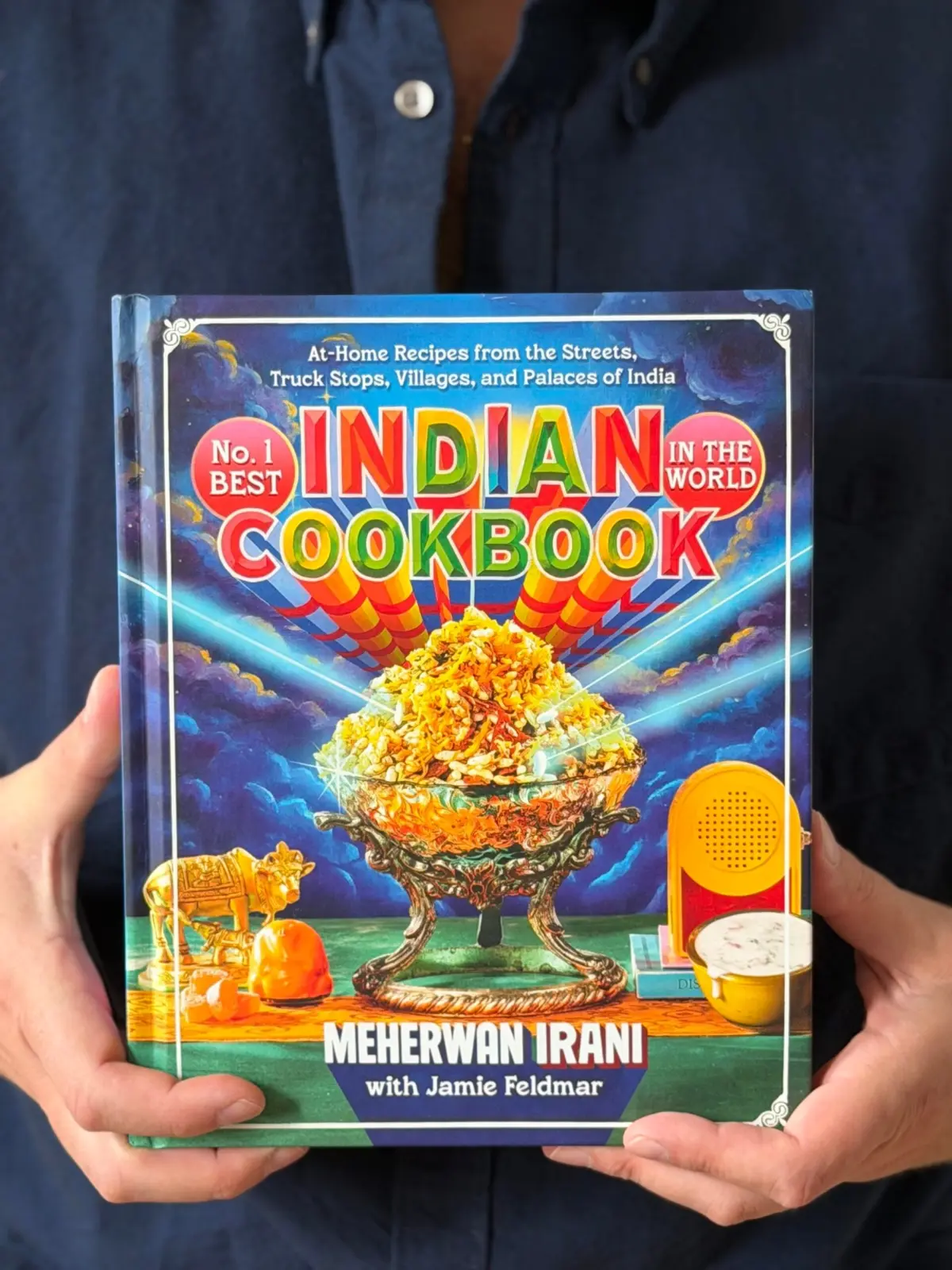
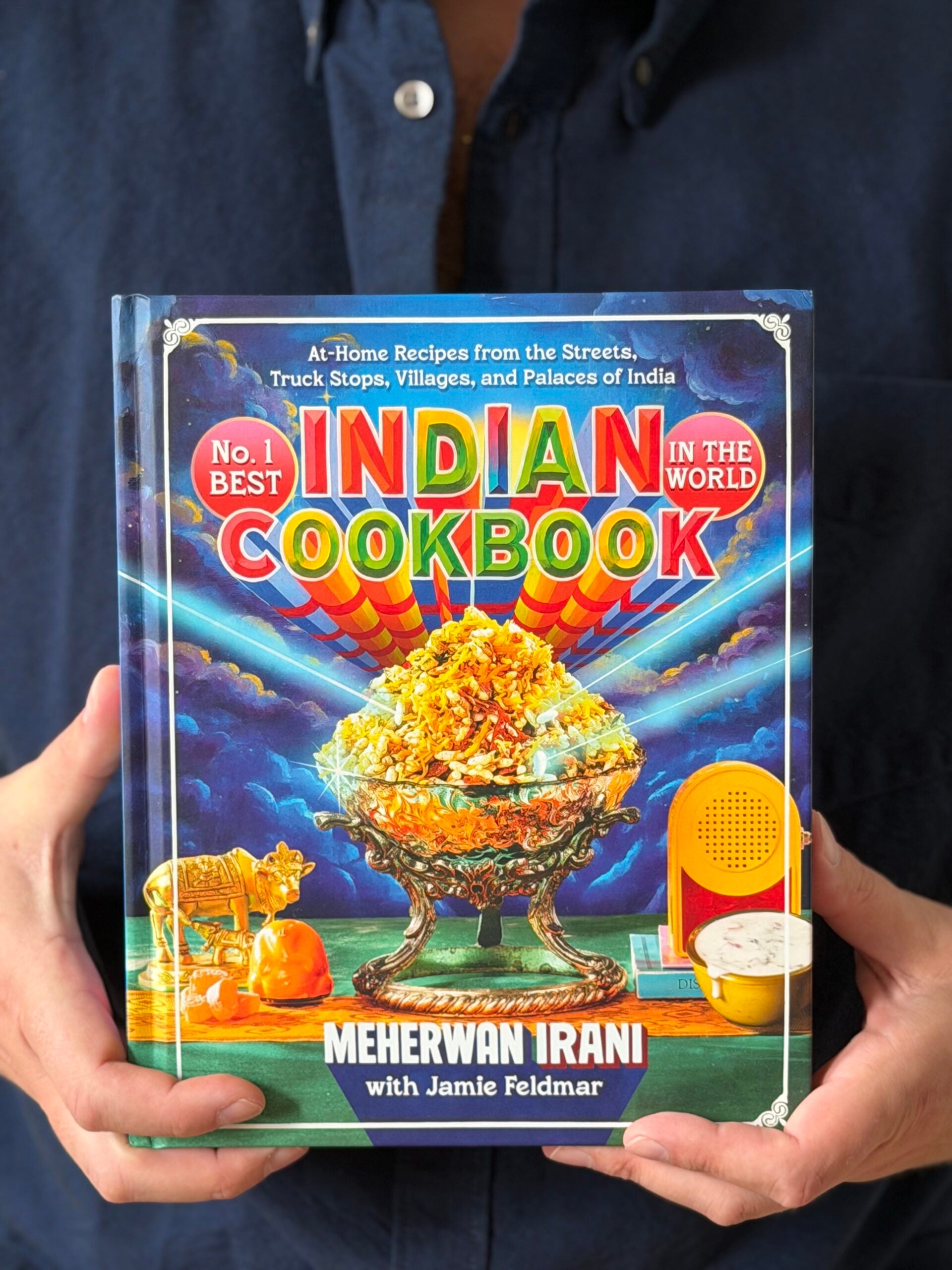
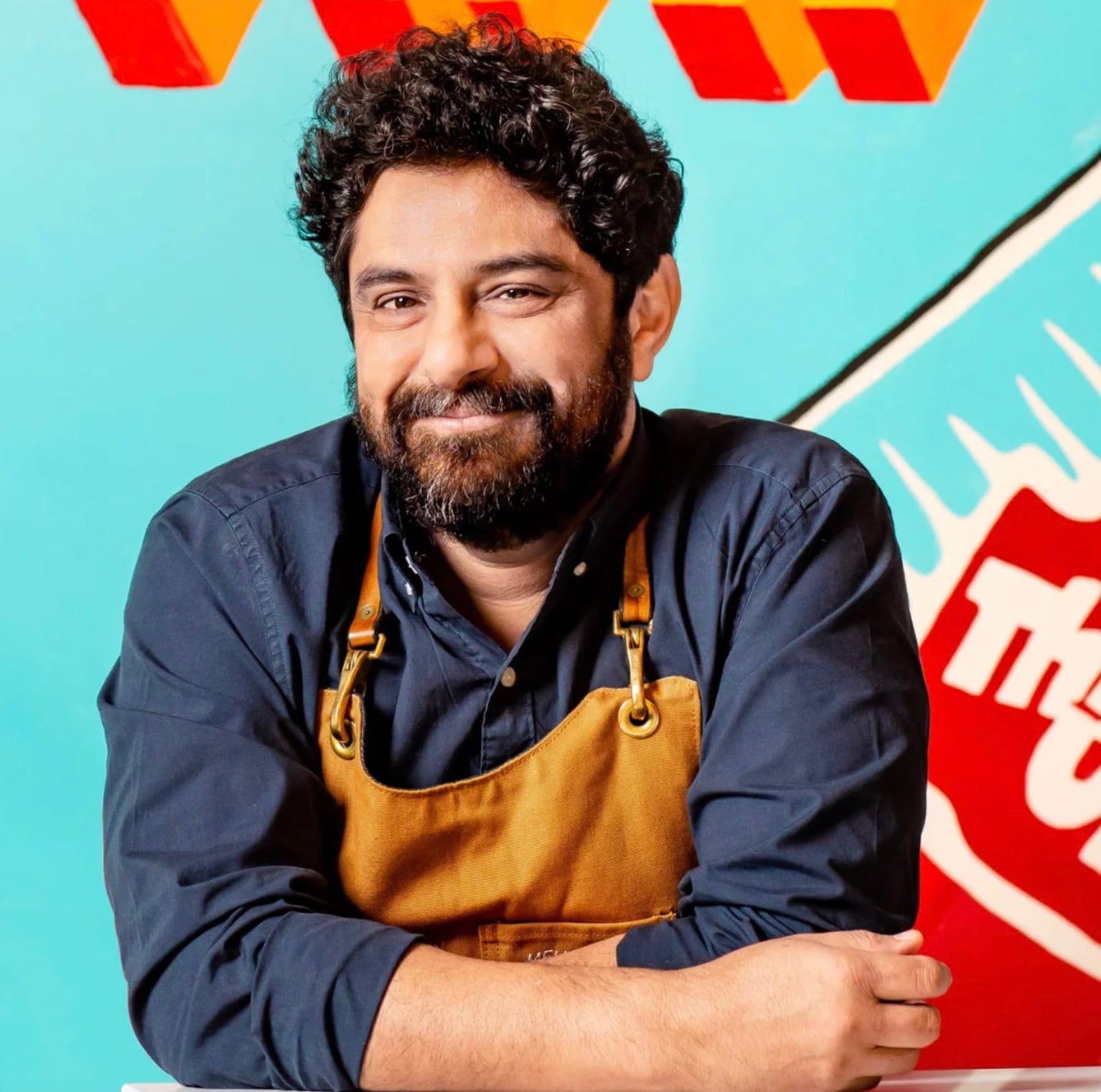
In the ever-evolving landscape of culinary literature, few releases capture the cultural zeitgeist quite like No. 1 Best Indian Cookbook in the World by James Beard Award-winning chef Meherwan Irani. Published by Ten Speed Press, this 288-page masterwork transcends the traditional boundaries of the genre, functioning simultaneously as a vibrant travelogue, an anthropological study of Indian street culture, and an accessible guide for home cooks.
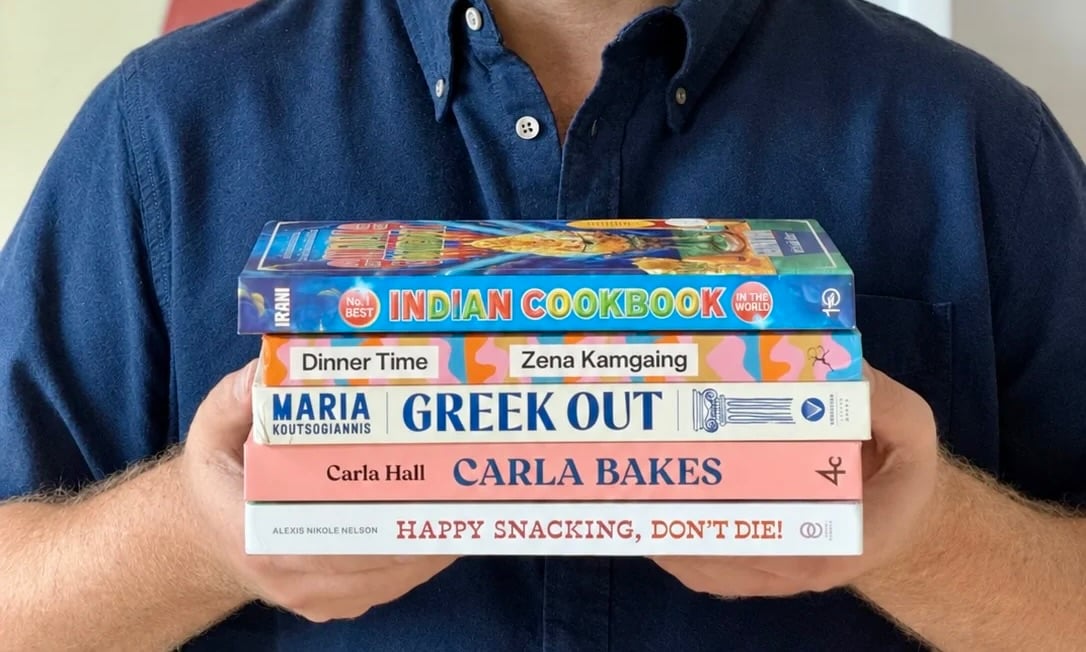
Launched as the premier installment of a new monthly culinary series curated by food writer Casey Elsass, Irani’s debut cookbook redefines how Western audiences perceive, prepare, and conceptualize Indian cuisine. Moving far beyond the monolithic tropes historically pushed by Western publishers, the book champions a dynamic, highly adaptable approach to cooking rooted in the egalitarian spirit of India’s roadside hawkers, railway canteens, and multigenerational home kitchens. Alongside a comprehensive deep dive into Irani’s philosophy, the monthly roundup also highlights four additional standout cookbooks for the season, written by Zena Kamgaing, Maria Koutsogiannis, Carla Hall, and Alexis Nikole Nelson.
Detailed Chronology & Background
The genesis of No. 1 Best Indian Cookbook in the World stretches across decades of lived experience, professional kitchen management, and cultural reclamation. Meherwan Irani, widely recognized as the driving force behind acclaimed street food ventures such as Chai Pani and Botiwalla, as well as the spice purveyor Spicewalla, spent years translating the kinetic energy of Indian street food into brick-and-mortar hospitality concepts in the United States.
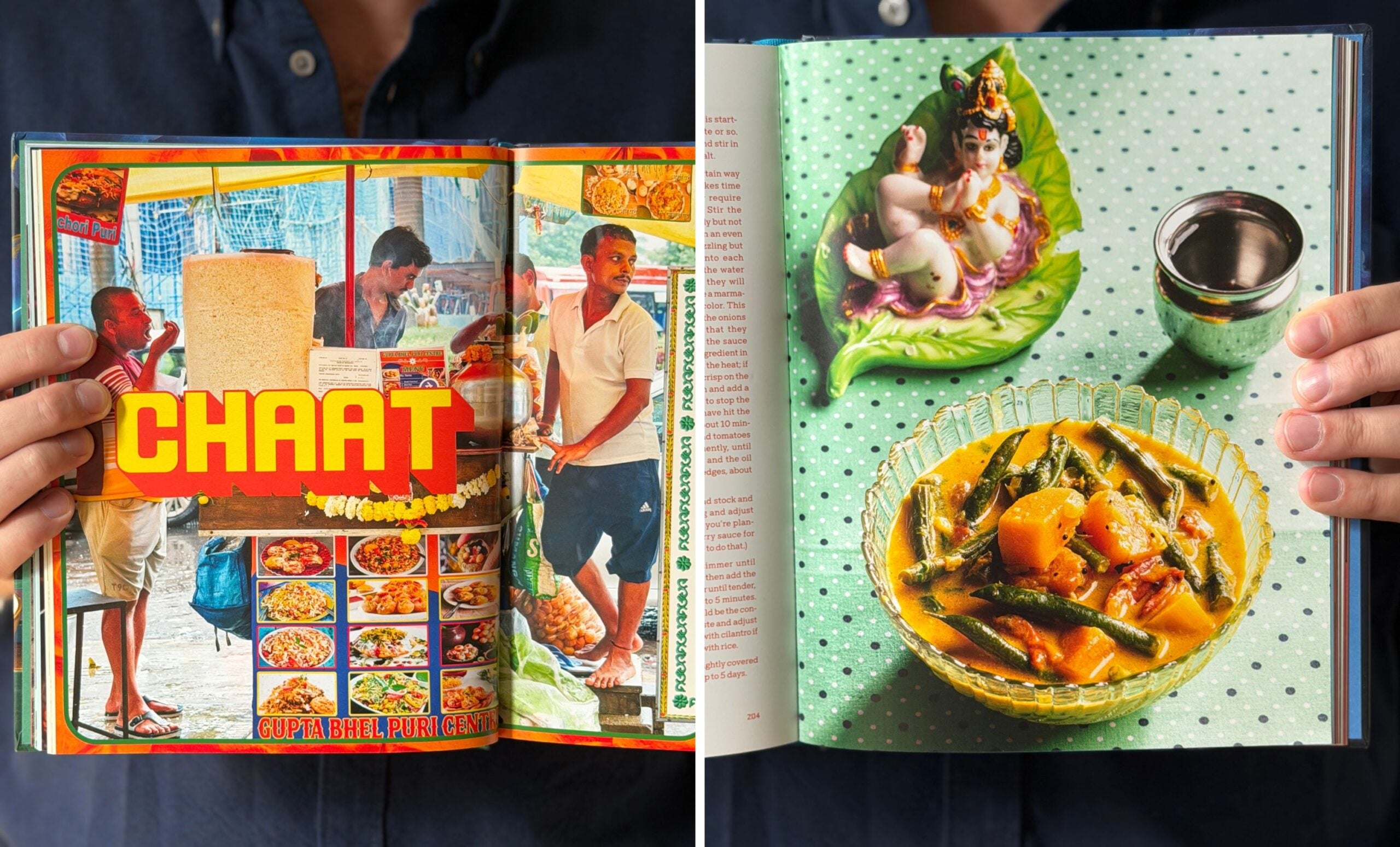
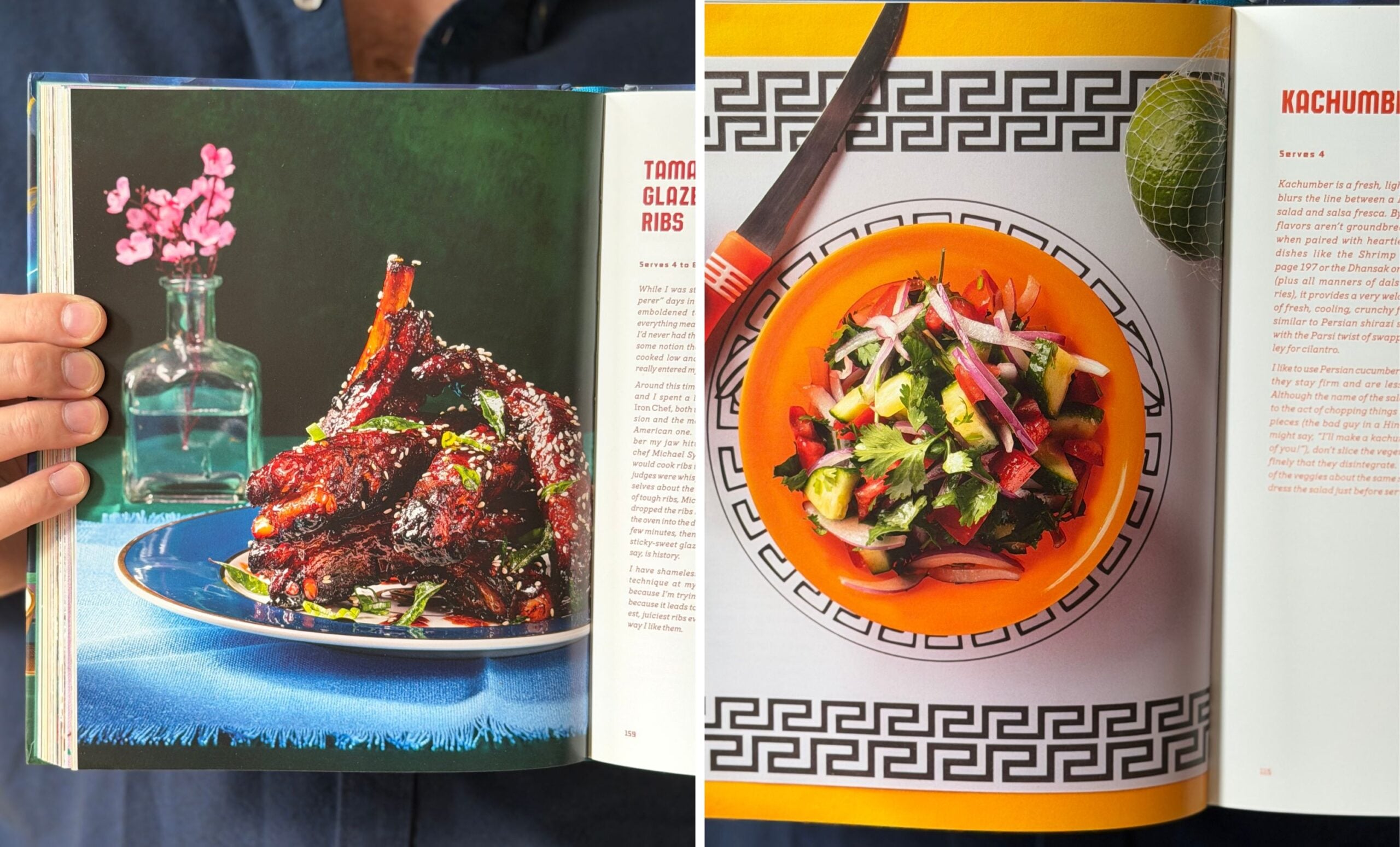
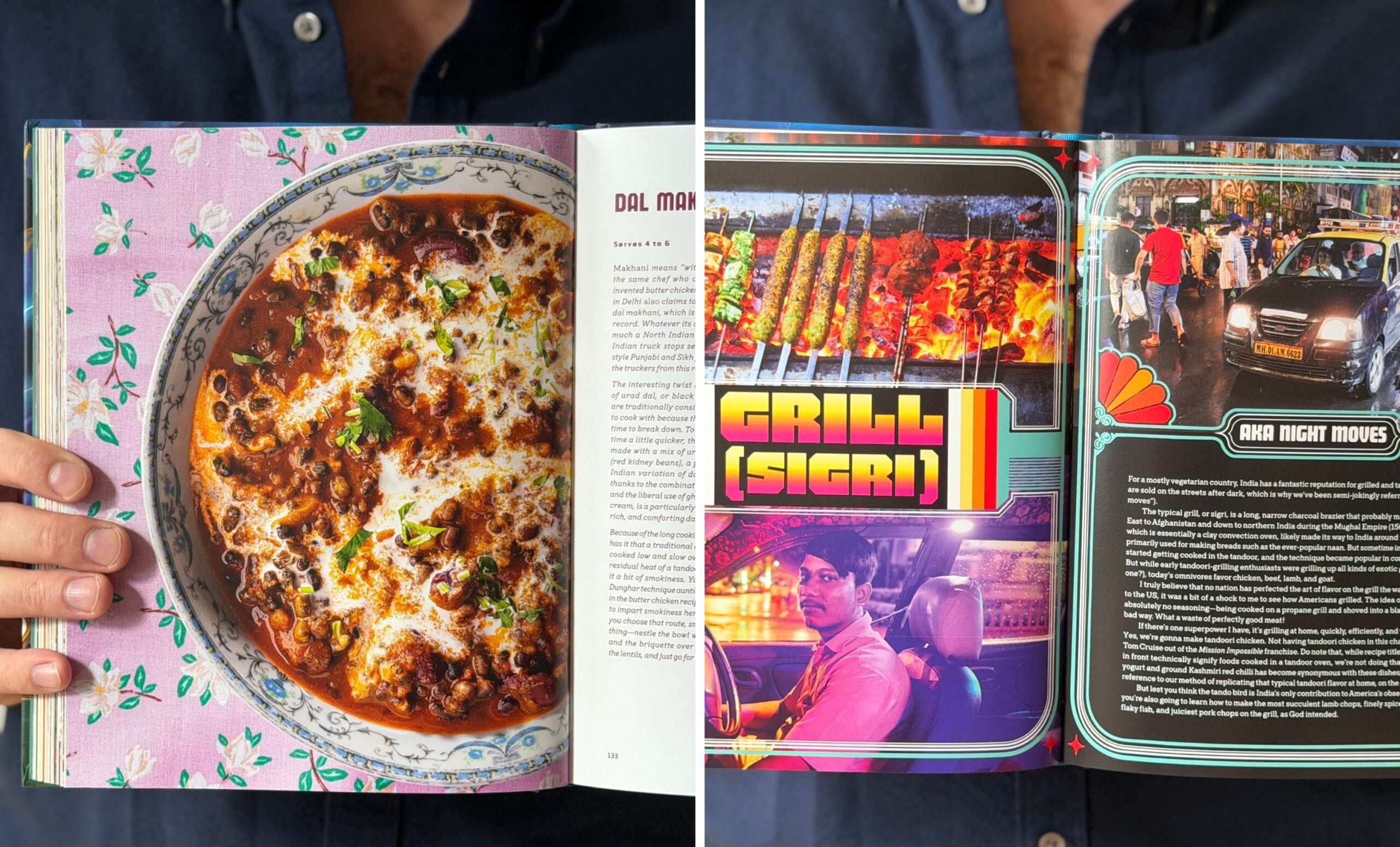
However, translating that ethos into book format required a meticulous development process. Partnering with designer Mikey Files, Irani sought to recreate the chaotic, colorful, and visually arresting environment of Mumbai and Delhi marketplaces right on the page. Eschewing the minimalist, sterile white space typical of contemporary culinary tomes, the book incorporates bold typography, striking visual interruptions, and nostalgic graphic elements reminiscent of the hand-painted Tata trucks and vibrant rickshaws seen across the Indian subcontinent.
The project reached a critical milestone upon its publication by Ten Speed Press, capturing immediate praise from critics and home cooks alike. Following the book’s release, food writer Casey Elsass initiated a comprehensive review and interview series, sitting down with Irani to unpack the philosophy, unlearning processes, and regional influences that shaped the text. Through their discourse, the culinary community gained rare insight into the deliberate dismantling of rigid "authenticity" narratives that have long restricted South Asian cooking in Western spheres.
Supporting Context, Philosophy, and Culinary Mechanics
Deconstructing the Myth of "Authenticity"
A core pillar of Irani’s philosophy—and a primary theme explored within the pages of No. 1 Best Indian Cookbook in the World—is the fallacy of culinary purism. Irani draws an immediate parallel for Western readers, noting that labeling a regional cookbook from India simply as an "Indian cookbook" is analogous to taking a cookbook from Spain and calling it a "European cookbook."
Furthermore, Irani actively challenges the static definition of traditional food. Civilization in the region spans at least five millennia, yet foundational ingredients now viewed as quintessential—such as chilies, tomatoes, potatoes, and bell peppers—are relatively recent historical arrivals introduced through global trade and colonization. By highlighting regional variants and the fusion of domestic and foreign techniques, Irani empowers home cooks to view recipes as fluid blueprints rather than unchangeable laws.
Bridging Restaurant Craft and Domestic Practicality
Transitioning from a high-volume restaurant chef to a cookbook author required Irani to deliberately unlearn hyper-laborious professional techniques. While classic South Asian cookery often demands meticulous preparation, Irani’s recipes prioritize modern efficiency without sacrificing deep, authentic flavor profiles.
Throughout the book, the author offers explicit permission for home cooks to utilize convenient shortcuts—advocating for pre-cut ingredients and high-quality frozen vegetables (such as frozen spinach) to dramatically reduce active kitchen times. This pragmatic approach ensures that complex-tasting dishes can be successfully executed by busy individuals on weeknights.
Featured Recipe: My Grandma’s Dal
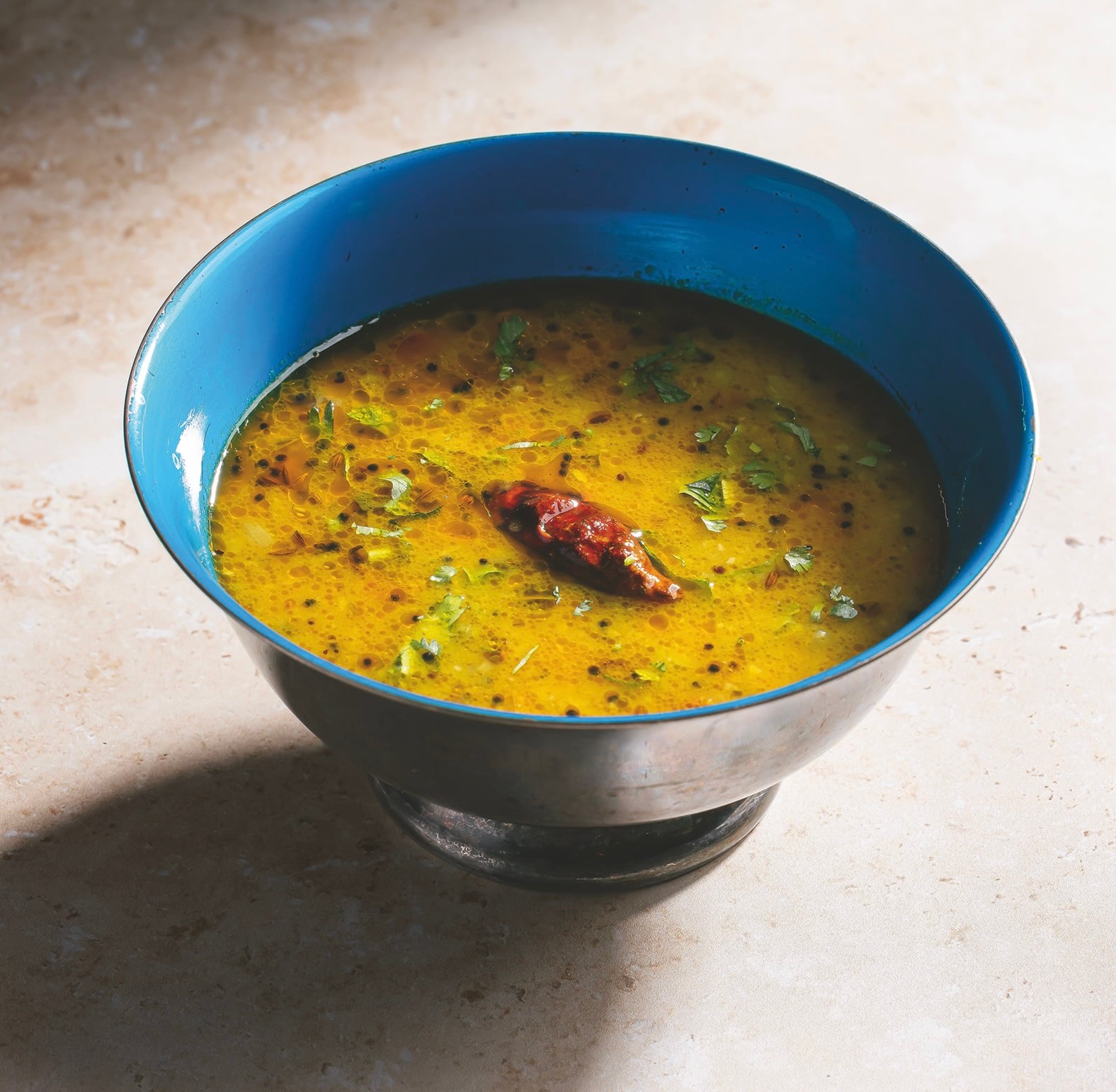
Serving as a nostalgic anchor within the book, "My Grandma’s Dal" highlights the agricultural history of Dehradun, nestled in the Himalayan foothills where Irani spent his childhood summers. The dish utilizes a combination of split red lentils (masoor dal) and split yellow lentils (toor dal), creating a textural contrast where the former breaks down into a smooth base while the latter maintains a pleasant bite. Finished with a sizzling tadka—a traditional tempering technique blooming mustard seeds, cumin, turmeric, ginger, garlic, and chilies in hot oil—the recipe represents the comfort, nutrition, and enduring legacy of Indian domestic cooking.
Official Statements and Author Insights
In his conversation with Casey Elsass, Meherwan Irani elaborated on the artistic and structural decisions behind his debut publication:
"When I sat down with our designer, Mikey Files, I said, ‘I want the cookbook to feel like you’re in one of our restaurants.’ We’re always trying to create a sense of place. I really like the way you put it, that it feels like you’re strolling down the streets of Mumbai, visiting these various hawker stands."
Addressing the breadth of the recipes selected for the volume, Irani emphasized the democratic nature of street food:
"If you’re going to write a book about the cuisine of India, you have to find the throughlines. For me, one of those throughlines has always been the street food… To me, street food is the most democratic, egalitarian, pan-Indian food."
On the psychological barrier of kitchen mistakes, Irani offered encouragement to novice cooks:
"I hope you will learn more from making mistakes than you will from nailing the recipe… What you learn from fixing your mistake sticks with you. And if you don’t mind screwing up, you can be fearless with experimentation."
Future Outlook and Seasonal Cookbook Roundup
As No. 1 Best Indian Cookbook in the World sets a new benchmark for culturally rich and accessible international cuisine writing, it anchors an exceptional seasonal lineup of culinary literature. Alongside Irani’s debut, critics and home cooks are embracing several other notable releases curated in this month’s series:
Dinner Time: Deeply Delicious Meals in 15, 30, 45, and 60 Minutes by Zena Kamgaing: Tailored for individuals with tightly scheduled lives, Kamgaing proves that speed does not necessitate a compromise on flavor, offering dynamic recipes ranging from Curry Butter Shrimp to Gochujang Pork Lettuce Wraps.
Greek Out: Sunny Vibes, High-Energy Mediterranean Flavor by Maria Koutsogiannis: Serving as a bridge for modern Mediterranean cooking through an American lens, Koutsogiannis delivers vibrant, approachable dishes like Lemon-Feta Wings and Portokalopita.
Carla Bakes: Sweet, Savory, and from the Heart by Carla Hall: Infused with Hall’s signature energetic personality, this book merges Southern roots with inventive, playful baking concepts such as a Scallion Biscuit and Sausage Gravy Casserole and Southern Pecan Crinkle Baklava.
Happy Snacking, Don’t Die! Foraging and Vegan Recipes with Black Forager by Alexis Nikole Nelson (with Jeanelle Hayner Olson): Blending environmental education with culinary arts, Nelson connects readers to ancestral roots and local ecosystems through wild-harvested ingredients, yielding creative dishes like Violet Lemonade and Juniper-Cured Carrot Lox.
Ultimately, Meherwan Irani’s contribution—alongside these complementary texts—signals a broader industry shift toward inclusive, narrative-driven, and highly practical cookbooks that invite readers not just to replicate instructions, but to engage fearlessly with the global history of food.