

Executive Overview
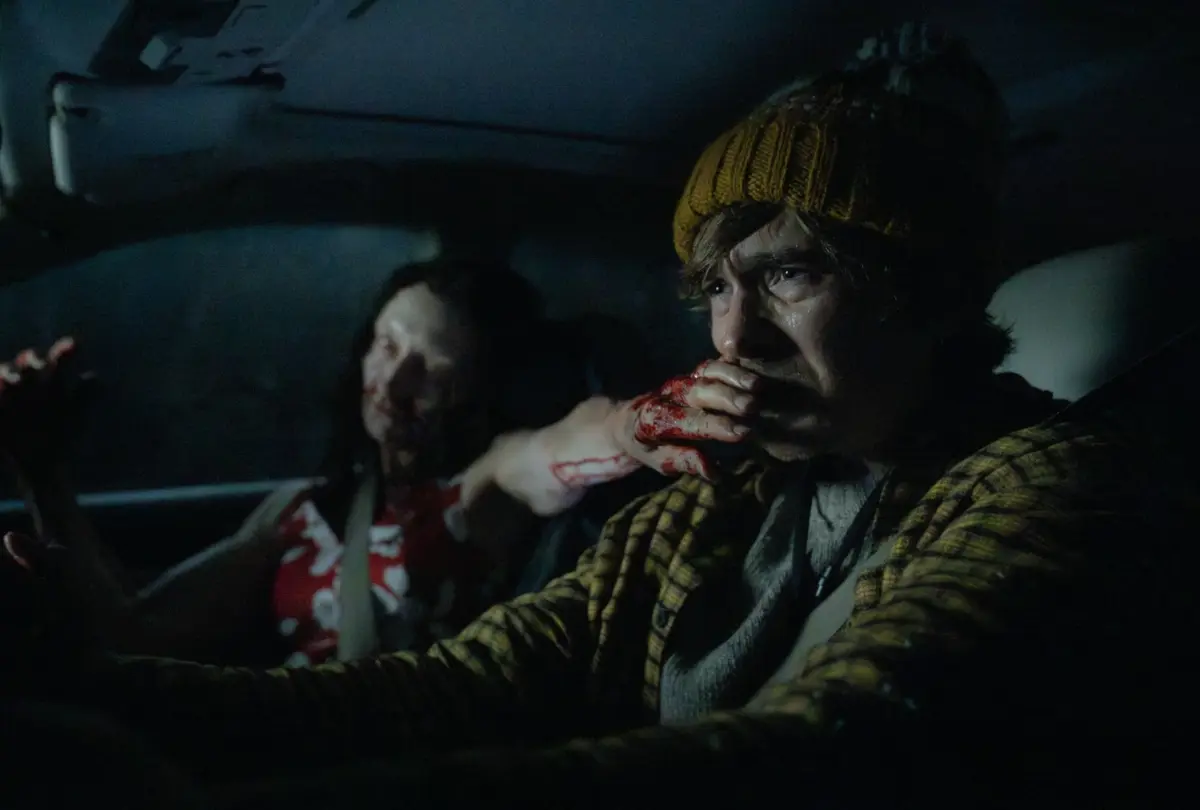
In the contemporary cinematic landscape, the definition of a successful video game adaptation has undergone a severe ideological transformation. With the release of Zach Cregger’s gritty, game-accurate Resident Evil reboot—featuring Austin Abrams as an out-of-his-depth medical courier navigating claustrophobic, monster-infested corridors—critics and modern audiences have been quick to celebrate the film as a breath of fresh air. It has been lauded for jettisoning the "depersonalized zombie sludge" of the past in favor of everyday human vulnerability.
Yet, this widespread jubilation over Cregger’s "prestige horror" approach risks erasing the cinematic legacy of Paul W.S. Anderson. Over seventeen years and six commercially lucrative, critically maligned installments, Anderson and star Milla Jovovich forged an idiosyncratic, high-octane monument to "vulgar auteurism." Rather than slavishly recreating Capcom’s survival-horror source material, Anderson utilized the IP to construct sprawling, neon-lit metaphors about corporate greed, artificial intelligence, climate collapse, and identity in the digital age.
As contemporary film culture increasingly demands that media reflect the algorithmic, hyper-personalized tastes of viewers—where audiences seek immediate validation through relatable "schlubs" rather than mythic avatars—it is worth interrogating what is lost when we dismiss audacious, unapologetic genre filmmaking in favor of safe, audience-surrogate realism.
Detailed Chronology: From the Umbrella Corporation’s Genesis to the Modern Reboot Era
To understand the cultural friction between Paul W.S. Anderson’s foundational franchise and Zach Cregger’s 2026 reinvention, one must trace the historical trajectory of the cinematic property through its various iterations.
The Anderson Era (2002–2016)
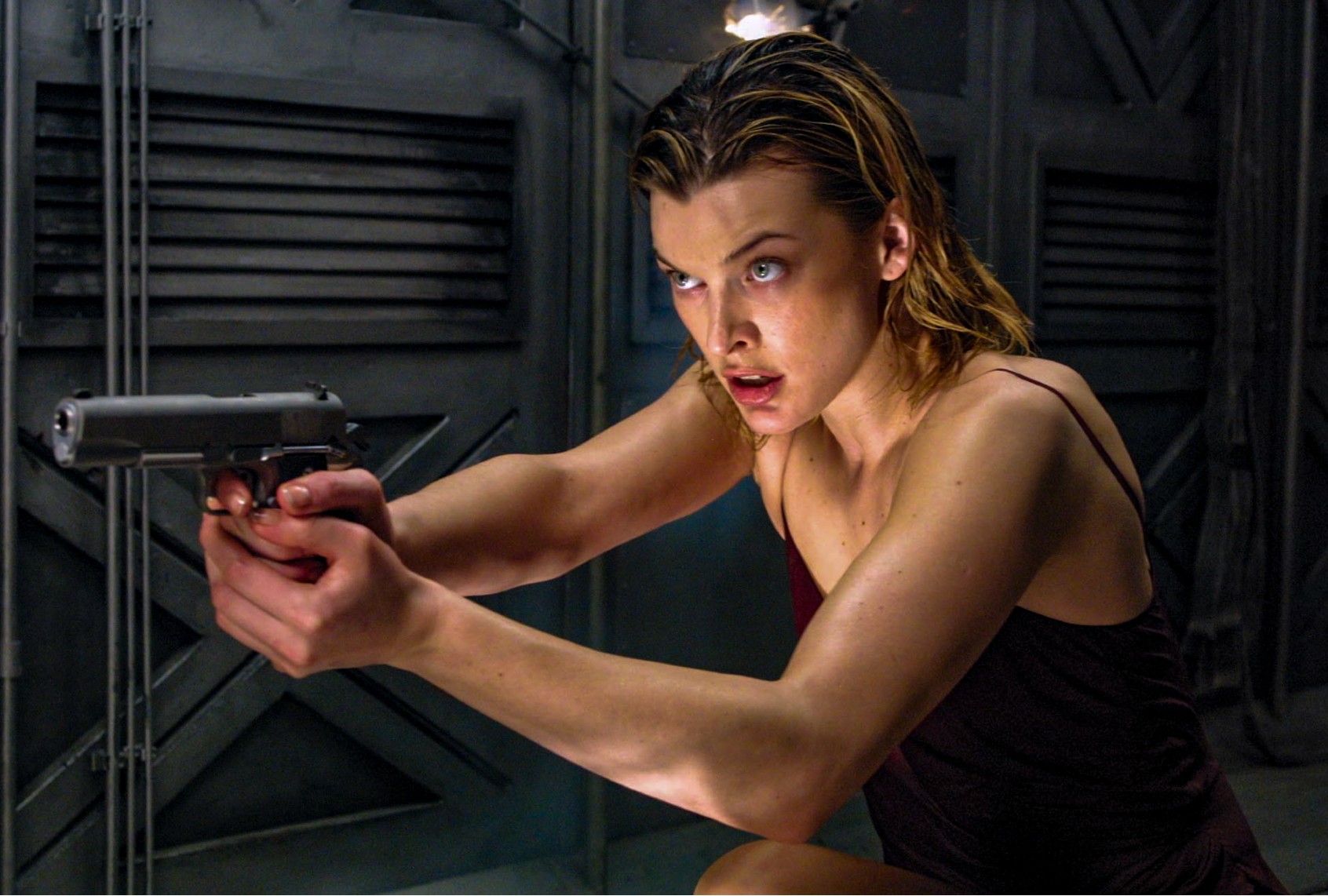
- March 2002: Paul W.S. Anderson releases the original Resident Evil, starring Milla Jovovich as Alice, an amnesiac security operative waking up in a subterranean bio-weapons facility known as the Hive. Blending the claustrophobic dread of Ridley Scott’s Alien with the techno-dystopian gun-fu of The Matrix, the film established a template that prioritized kinetic spectacle over strict canonical adherence to the video games.
- 2004–2012: Across sequels like Apocalypse, Extinction, Afterlife, and Retribution, Anderson expanded the scope from a single laboratory breakout to a global apocalyptic wasteland. The films mutated into stylized graphic-novel movements where Alice’s physical abilities evolved alongside her technological enslavement and liberation from the Umbrella Corporation.
- January 2017: Resident Evil: The Final Chapter hits theaters, concluding the six-part saga. Notably, the film features a climactic flashback sequence set just before the 2002 original. Umbrella Corporation executives, facing inevitable nuclear war, climate collapse, and societal famine, consciously engineer the T-Virus to wipe out humanity, planning to "reboot the Earth in our image" after a controlled extermination.
- September 2026: Zach Cregger’s highly anticipated reboot premieres, shifting the tonal and narrative gravity of the cinematic universe back to the survival-horror roots of the Capcom franchise.
The Shift to the Cregger Paradigm (2026)
- Current Era: Cregger’s reboot discards the superhuman, pre-programmed avatar of Alice. In her place is Bryan, portrayed by Austin Abrams, an ordinary medical courier who responds to the horrors of the T-Virus with clumsiness, terror, and total confusion. Critics immediately champion the film as a corrective to Anderson’s "overstuffed" action styling, praising its intimacy and realism. However, this critical consensus sparks a broader cultural debate regarding the modern appetite for algorithmic relatability versus singular, visionary excess.
Supporting Context & Metrics: The Box Office Paradox vs. Critical Reception
The tension between Anderson’s vision and contemporary critical appraisal highlights a fascinating cultural paradox: a franchise universally pilloried by mainstream reviewers that simultaneously achieved staggering financial longevity.
| Metric / Dimension | Paul W.S. Anderson’s Franchise (2002–2016) | Zach Cregger’s Reboot (2026) |
|---|---|---|
| Primary Protagonist | Alice (Milla Jovovich) — Super-powered, amnesiac security expert. | Bryan (Austin Abrams) — Average medical courier, audience surrogate. |
| Aesthetic Approach | High-octane action, nu-metal industrial styling, stylized matrix choreography. | Gritty, unpredictable survival horror, atmospheric dread, claustrophobic framing. |
| Relationship to Source Material | Loose inspiration; prioritized grand thematic metaphors over canon. | High fidelity to the spirit and monster design of the Capcom games. |
| Critical Reputation | Historically low Rotten Tomatoes consensus; dismissed as "noise." | Immediate critical praise for grounding the horror and offering relatable stakes. |
| Box Office Performance | Massive global commercial success grossing over $1.2 billion across six films. | Strong opening-weekend performance capitalizing on modern horror prestige trends. |
The historical disdain heaped upon Anderson’s films reflects a broader cinematic snobbery toward "vulgar auteurism"—a term used to describe filmmakers who express deeply personal, highly artistic worldviews through disreputable, low-culture genres. While critics frequently flagged the repetitive plotting and video-game-esque "save point" structures (where Alice routinely respawns or faces escalating level bosses), these very mechanics formed the structural poetry of the series. Anderson translated the tactile, interactive nature of gaming into a cinematic syntax without needing an analog controller.
Official Statements and Industry Discourse
The debate surrounding the evolution of the Resident Evil cinematic universe has drawn sharp commentary from both creators and cultural critics, illuminating shifting industry philosophies regarding audience engagement.
When discussing his casting and narrative choices for the 2026 reboot, director Zach Cregger articulated a deliberate departure from traditional action-hero archetypes in an interview with Polygon:
"I’d rather watch a movie starring a schlub who’s out of shape and never fired a gun before," Cregger explained, emphasizing his desire to place an average individual into an impossible scenario.
This philosophy resonated deeply with contemporary reviewers. A prominent review from Variety hailed Cregger’s direction as "different and much better than the other Resident Evil movies," dismissing Anderson’s collective output as "depersonalized zombie sludge."
Conversely, cultural commentators and defenders of Anderson’s legacy argue that this praise is symptomatic of a dangerous contemporary trend: the demand for hyper-personalized, algorithmic media. In an era where viewers subconsciously search for direct reflections of their own mundane identities on screen, art that refuses to flatter the viewer’s ego is frequently punished.
As film critic Coleman Spilde notes, there is a growing alienation from bold, unyielding directorial visions:
"Everything has become so hyper-personalized and algorithmic that viewers subconsciously watch media looking for themselves. The line between art and commerce has blurred so much that people unintentionally conflate all visual media with advertising — if they can’t see themselves in it, they’re not buying it."
Future Outlook: The Cost of Sanitizing Cinematic Madness
As Zach Cregger’s reboot reshapes audience expectations for video game adaptations, the broader cinematic ecosystem faces a critical cultural crossroads. The industry is increasingly leaning toward sanitized, prestige-adjacent genre exercises that satisfy modern demands for relatability, psychological realism, and narrative neatness.
Yet, in purging cinema of its messy, abrasive, and over-the-top excesses—the kind of unhinged ambition that defined Paul W.S. Anderson’s six-film run—we risk losing the raw human marvel of daring creation. Anderson’s Resident Evil films were never subtle, nor were they designed to appeal to the algorithmic sensibilities of modern prestige culture. They were loud, repetitive, garish, and undeniably singular.
In an era where synthetic, AI-generated imagery threatens to homogenize visual culture into frictionless perfection, the sweaty, labor-intensive, and idiosyncratic madness of physical filmmaking—even when it results in imperfect blockbusters—is more vital than ever. Dismissing misunderstood texts outright because they fail to conform to polite, middle-brow standards of "good taste" impoverishes our cultural palette. To truly appreciate cinema as an art form, audiences must be willing to engage with the uncomfortable, follow the anti-heroes down the rabbit hole, and fight to preserve the radical, un-relatable visions that refuse to look like us, but teach us how to feel anyway.