The traditional concept of the honeymoon—typically defined as an extended, lavish beach vacation immediately following a wedding—is undergoing a profound cultural and structural transformation. While the post-nuptial trip remains a revered milestone for newlyweds, contemporary couples are increasingly breaking away from cookie-cutter resort packages. Driven by shifting socioeconomic factors, evolving demographic priorities, and a collective desire for hyper-personalized experiences, modern honeymooners are choosing adventures that range from cross-country cross-haul moves to rugged backcountry camping, family-inclusive island getaways, and immersive cultural explorations.
This shift reflects broader changes in how society views marriage, leisure, and partnership. Rather than adhering to rigid expectations of relaxation or luxury, today’s couples view the honeymoon as the first official chapter of their shared life narrative. Whether seeking the complete disconnect of a Kenyan safari, the cinematic nostalgia of the Telluride Film Festival, or the comforting familiarity of a well-worn destination like New Orleans, newlyweds are prioritizing authenticity, shared passions, and resilience-building experiences over aesthetic conformity.
This comprehensive analysis examines the evolving anatomy of the modern honeymoon, highlighting diverse traveler profiles, logistical trends, and the psychological benefits of designing a post-nuptial trip that genuinely reflects a couple’s shared identity.
Detailed Chronology: The Evolution of Post-Nuptial Travel
To understand where honeymoon culture stands today, it is helpful to trace its evolution from historical tradition to its current decentralized landscape.
Historical Roots and the Traditional Paradigm
Historically, the honeymoon was designed as a private transition period for the newly married couple to adjust to their new social and domestic status away from family obligations. Originating in 19th-century Great Britain, upper-class couples embarked on "bridal tours," visiting relatives who could not attend the wedding. By the mid-to-late 20th century, the rise of commercial aviation and the globalization of the tourism industry commodified the honeymoon. Tropical destinations—most notably Hawaii, the Caribbean, and later, the Maldives and Fiji—became the default gold standard.
The Turning Point: Experiential Over Aesthetic Travel
In the late 2010s and early 2020s, a cultural shift occurred. Fueled by digital connectivity and fatigue with over-curated social media tropes, millennial and Generation Z couples began questioning traditional itineraries. The focus pivoted from where a couple could afford to stay to what they would actually enjoy doing together.
The disruption of global travel patterns during the early 2020s further accelerated this trend. Couples who faced postponed weddings, shifting financial landscapes, or family pressures began viewing their honeymoons not as obligatory post-stress vacations, but as therapeutic escapes, radical lifestyle transitions, or deeply personal pilgrimages.
Case Studies in Modern Honeymooning
A cross-section of contemporary newlyweds reveals the astonishing breadth of what a honeymoon can entail:
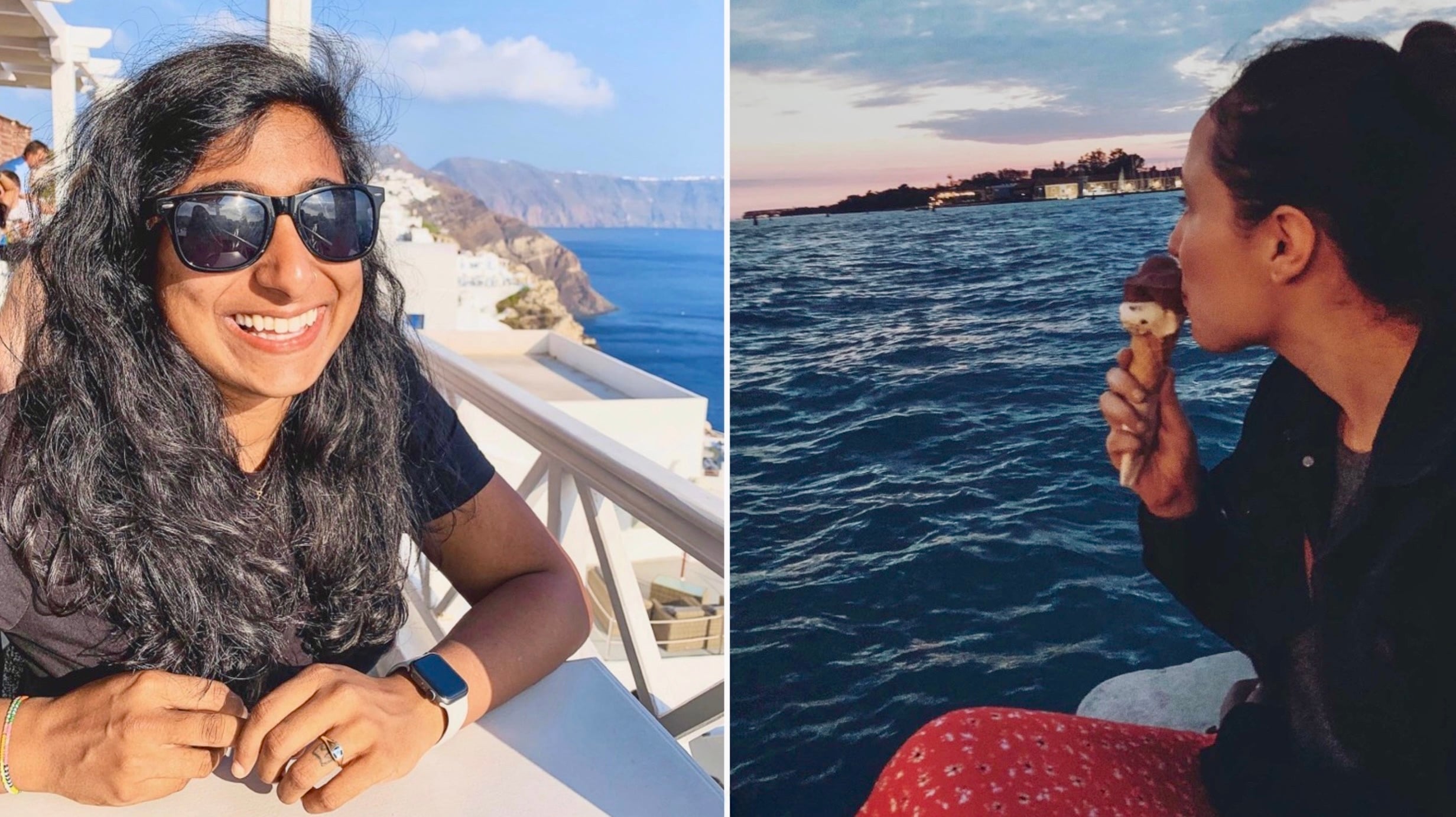
The Decompression Cruise: For couples recovering from high-stress wedding planning or familial friction, structured yet effortless travel serves as an ideal antidote. A seven-day cruise navigating the Greek islands and Croatia offers a balance of structured exploration and forced relaxation, allowing newlyweds to decompress from the emotional toll of the wedding process.
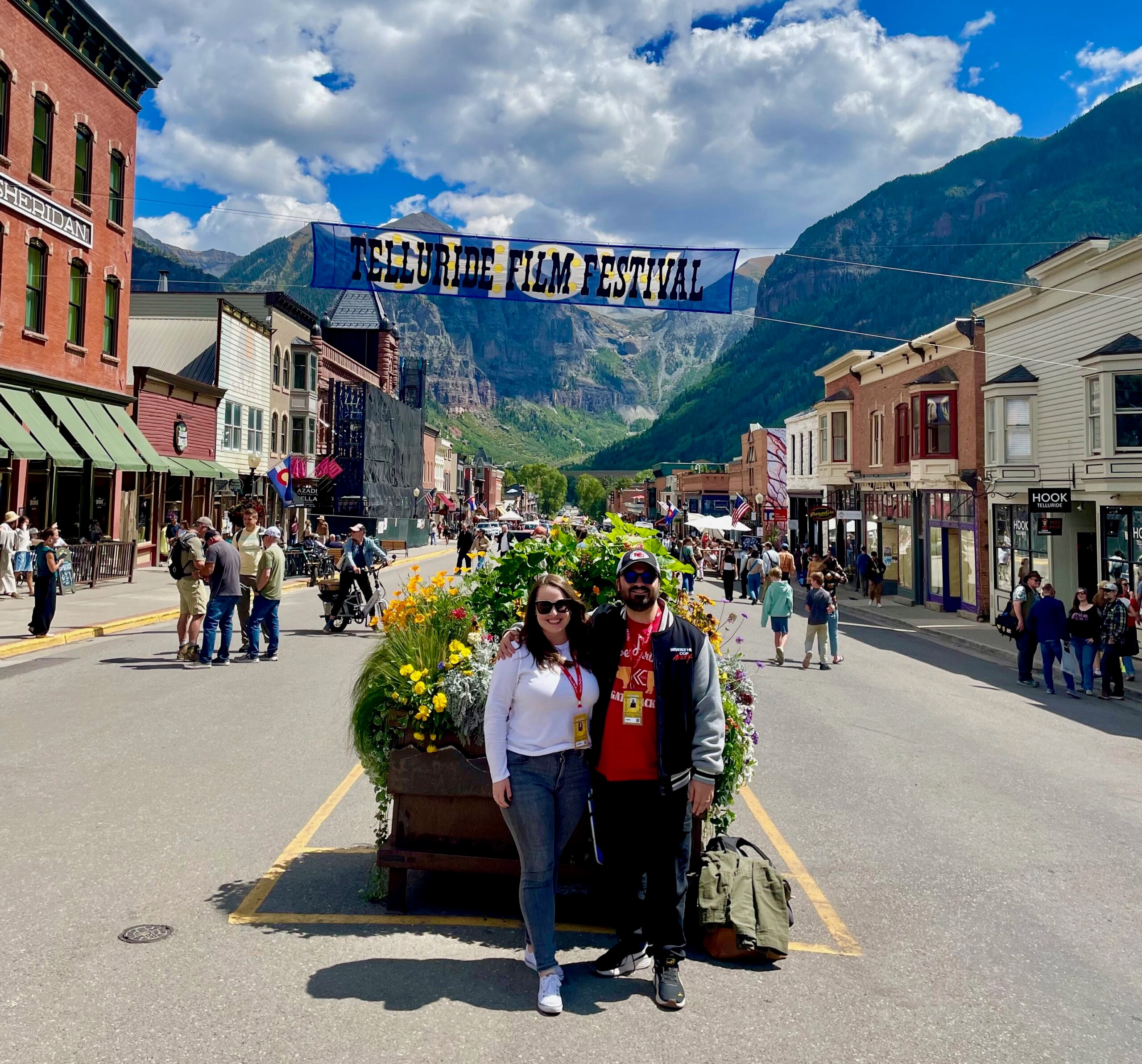
The Thematic Pilgrimage: Cinephiles and pop-culture enthusiasts are increasingly designing their honeymoons around niche interests. Attending events like the Telluride Film Festival in Colorado transforms a post-wedding trip into an immersive celebration of shared passions, complete with celebrity sightings and mountain vistas.
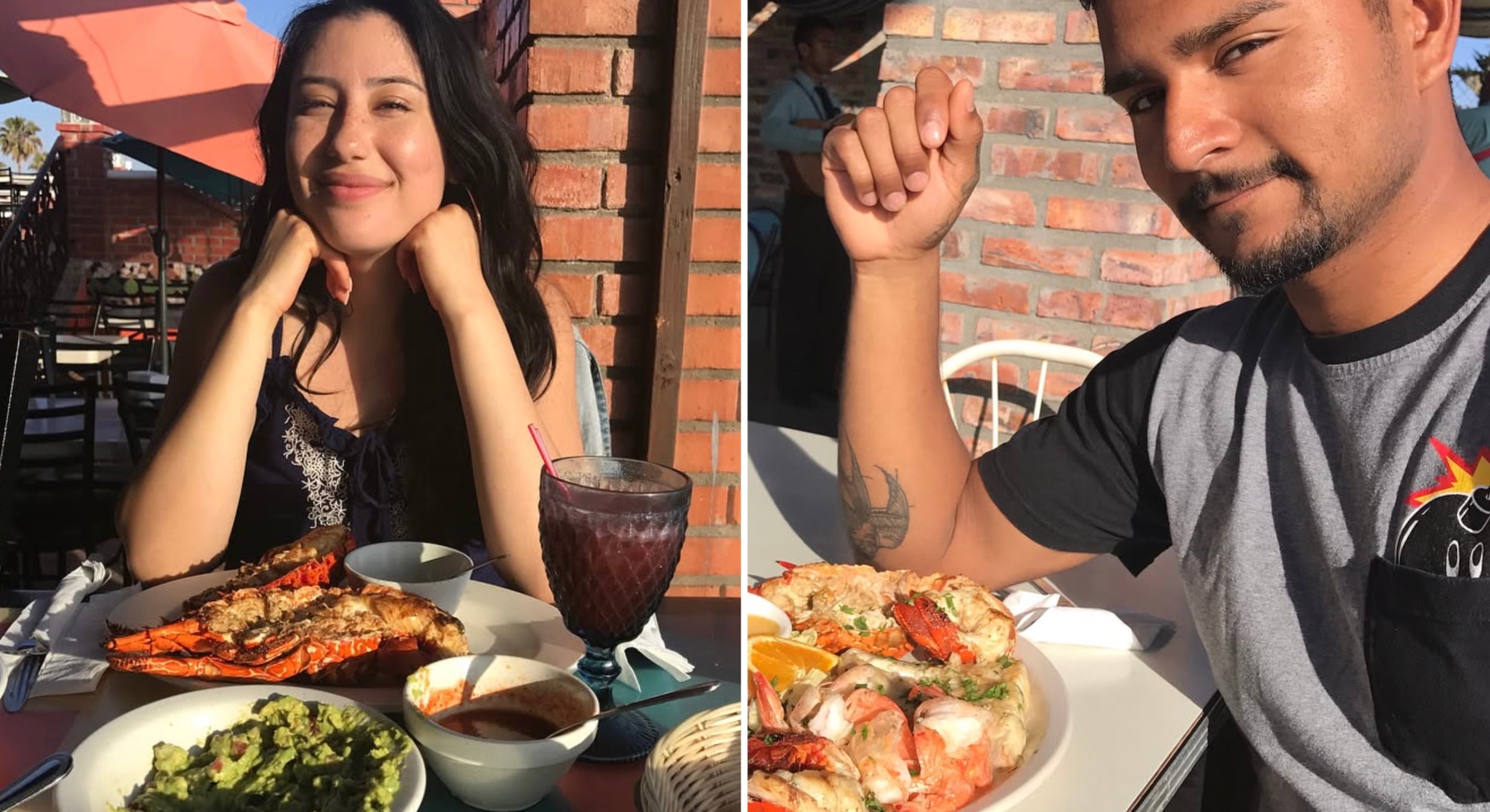
The Culinary Reconnaissance: Rather than venturing into entirely unknown territory, some couples choose destinations tied to personal history. Exploring towns like Rosarito and Puerto Nuevo in Mexico connects newlyweds to deep-rooted familial traditions and localized culinary arts, emphasizing comfort, heritage, and world-class regional cuisine.
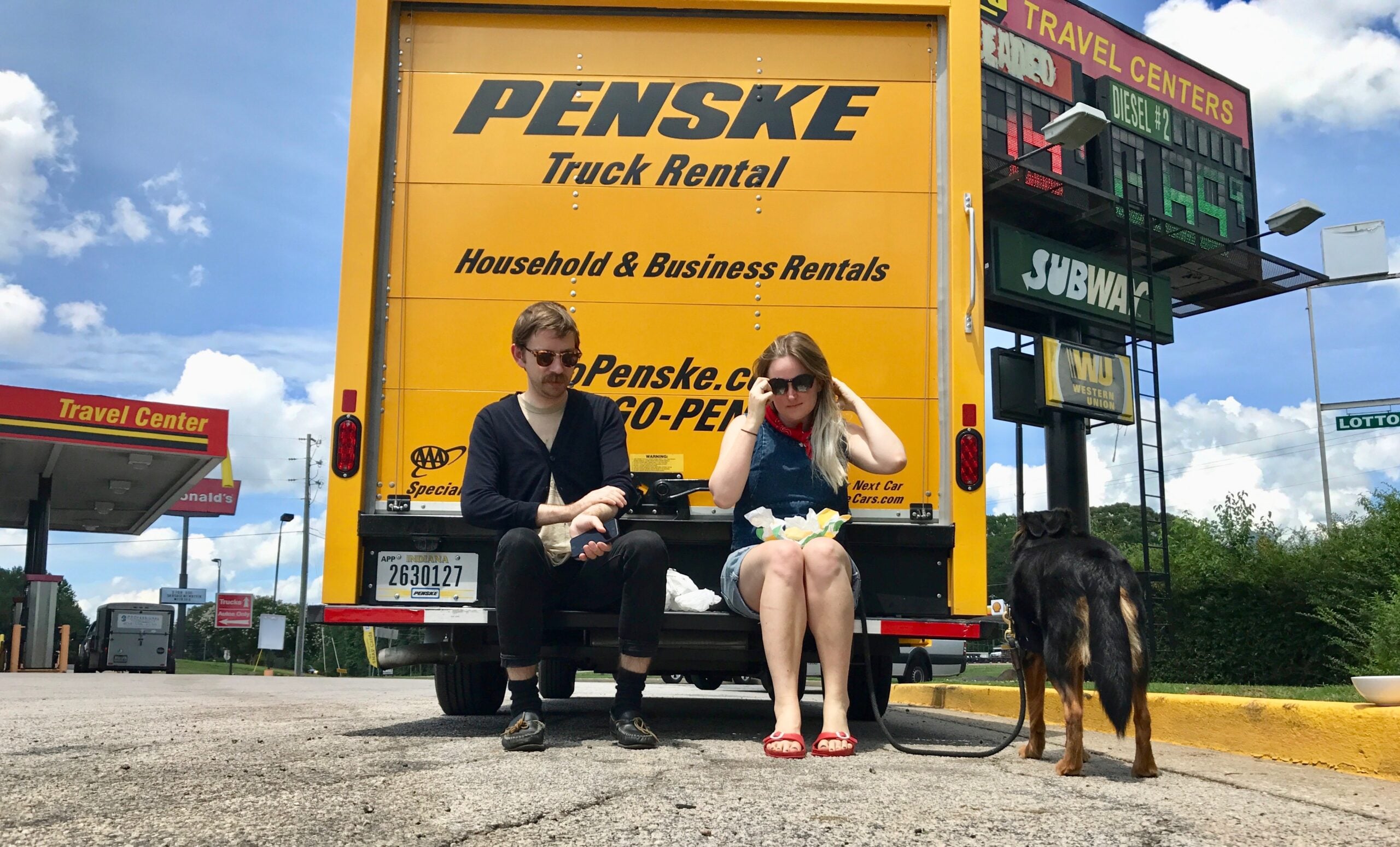
The Relocation Odyssey: Breaking the mold entirely, some couples eschew traditional vacations to tackle major life milestones simultaneously. Moving cross-country—from New York to Los Angeles—with pets and personal belongings while stopping at national parks and historical landmarks transforms the logistical nightmare of relocation into an epic, memory-laden road trip.
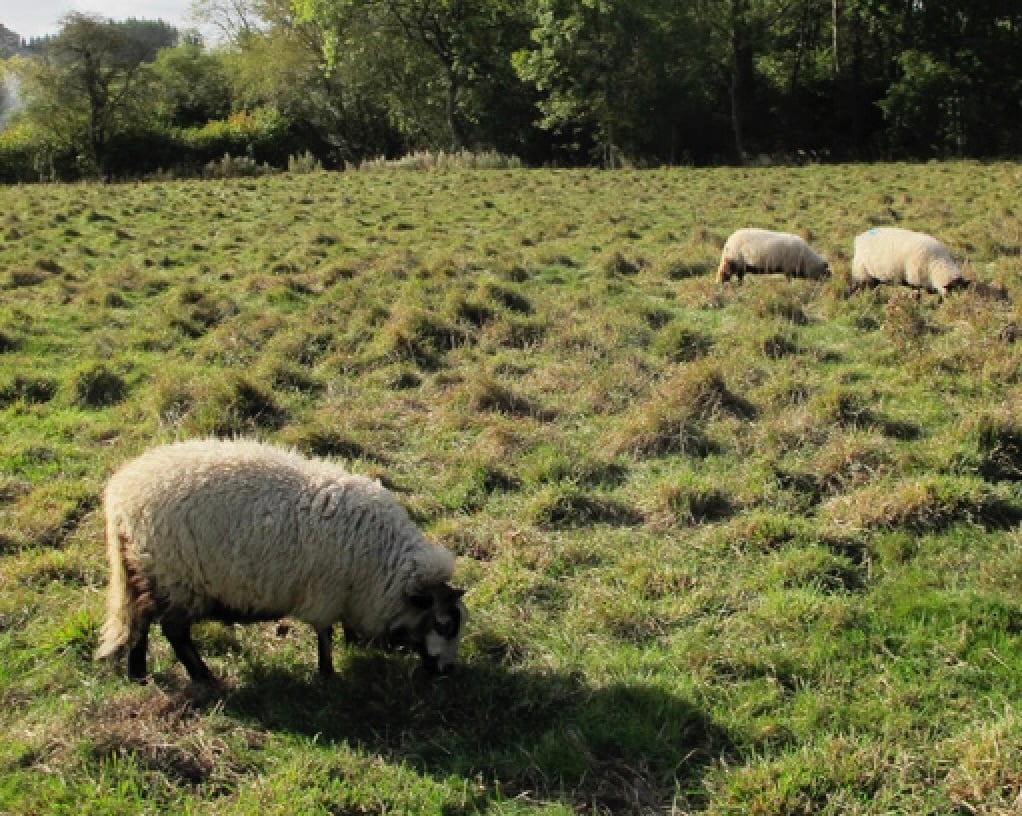
The Rural Immersion: Escaping digital noise and urban pressures often leads couples to walking tours of rural landscapes, such as the Cotswolds in England. Staying in historic country houses, walking through pastures, and engaging with local agrarian life offers a grounding, restorative pace.
The Family-Inclusive Escape: With modern marriage patterns frequently intersecting with parenthood, many couples now incorporate their young children into the honeymoon. Destinations like Kauai, Hawaii, offer a seamless blend of romantic vistas and family-friendly pacing, proving that romance and childcare can comfortably coexist.
The Seamless Luxury Safari: For those seeking absolute freedom from decision-making, all-inclusive luxury properties—such as safari camps in Kenya and the famous Giraffe Manor—provide an environment where logistical burdens evaporate, leaving only curated adventure and fine dining.
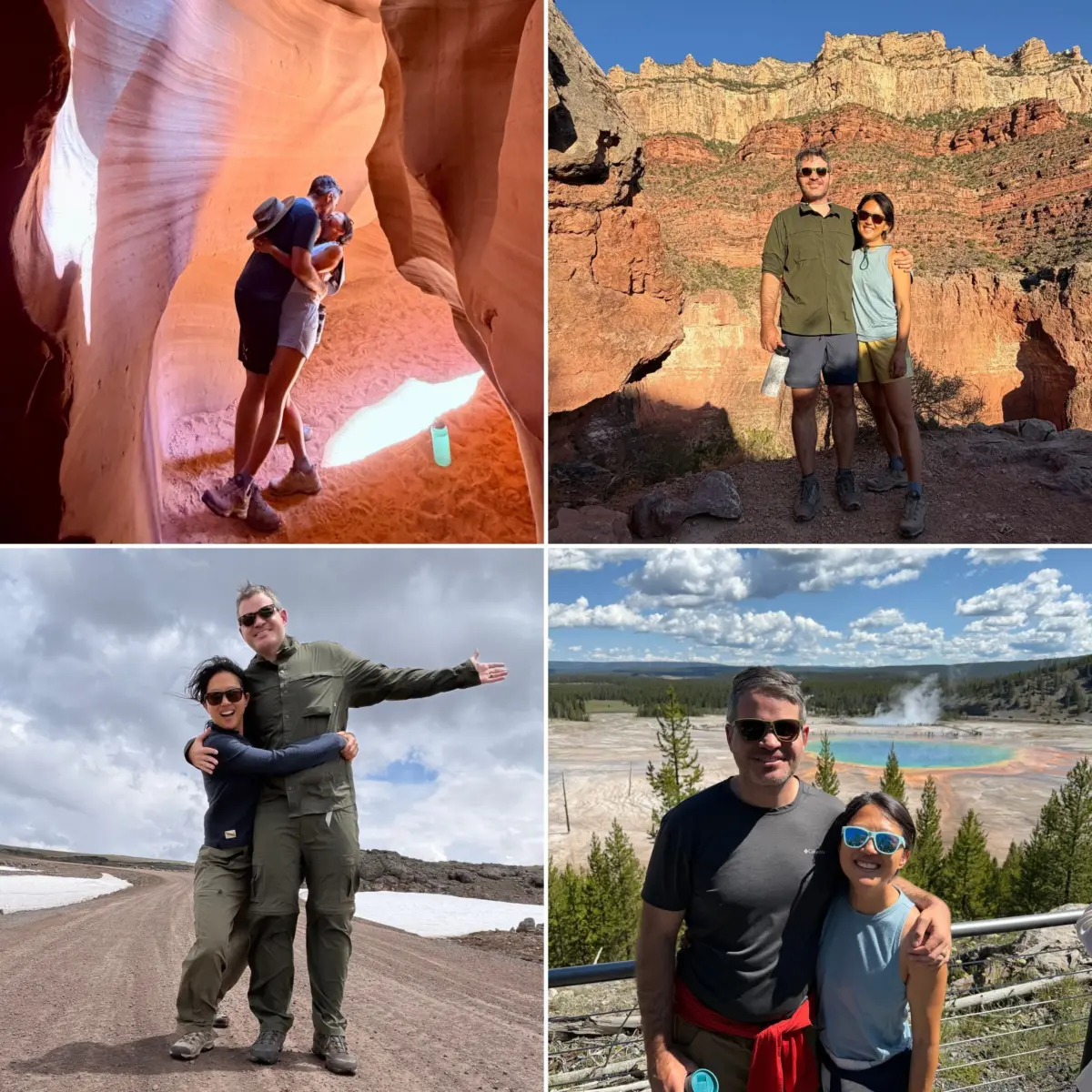
The Resilience-Building Wilderness Expedition: Rejecting luxury entirely, some couples test their bonds in the great outdoors. Camping in the western U.S. national parks through leaky tents and unglamorous conditions provides a foundational test of partnership, proving that shared laughter in the face of adversity is the ultimate bonding mechanism.
The Low-FOMO Return: Avoiding the anxiety of new destination discovery, savvy travelers return to familiar urban centers like New Orleans. Revisiting beloved restaurants, historic music venues, and local haunts guarantees a stress-free trip anchored in comfort and ease.
Supporting Context & Metrics: Travel Preferences and Psychographics
The travel and tourism sector has closely monitored these behavioral shifts. Industry data underscores a massive pivot away from passive resort stays toward active, experiential, and idiosyncratic travel itineraries.
Key Industry Shifts
Rise of "Slow Travel": According to recent tourism analytics, the average duration of honeymoon trips has expanded for couples who choose quality over quantity, while others opt for hyper-localized, immersive stays in a single region rather than multi-city hops that induce travel fatigue.
Adventure and Resilience Tourism: Outdoor recreation and wilderness expeditions have seen a steady uptick among younger demographics. Couples increasingly value trips that double as "character-building" exercises, testing communication, adaptability, and problem-solving skills in challenging environments (e.g., backcountry camping or cross-country road trips).
The Familiarity Factor: A surprising percentage of modern honeymooners deliberately choose destinations they have visited before. This trend—driven by a desire to eliminate Fear Of Missing Out (FOMO) and decision fatigue—allows couples to prioritize emotional comfort over sightseeing checklists.
Demographic Breakdown of Honeymoon Styles
Honeymoon Style
Primary Motivation
Typical Destination Profiles
Core Psychological Benefit
The Decompression Cruise
Stress recovery & relaxation
Mediterranean, Caribbean, Fjords
Effortless pacing, passive enjoyment
The Thematic Expedition
Shared hobbies & passions
Film festivals, culinary hubs, music capitals
Intellectual & cultural stimulation
The Relocation Odyssey
Efficiency & life milestones
Cross-country highways, national parks
Resourcefulness, milestone integration
The Rural Immersion
Nature, quiet, & disconnection
Countryside manors, walking trails
Grounding, simplicity, agrarian charm
The Family-Moon
Inclusivity & bonding
Tropical family resorts, accessible islands
Unified family celebration
The Turnkey Luxury Trip
Total relief from decision-making
Safari lodges, all-inclusive eco-resorts
Radical convenience, pampering
The Wilderness Challenge
Resilience & partnership testing
National parks, primitive campsites
Trust-building, shared endurance
The Nostalgia Trip
Comfort, ease, & zero FOMO
Beloved domestic cities, familiar haunts
Low anxiety, maximum emotional security
Official Perspectives & Expert Insights
Travel psychologists and wedding industry experts emphasize that the primary function of the honeymoon has fundamentally changed. No longer a societal expectation rooted in Victorian tradition, it is now an intentional psychological buffer between the high-octane stress of wedding execution and the realities of daily married life.
Dr. Elena Vance, a relationship sociologist specializing in modern matrimonial transitions, notes:
"The wedding is a performance for an audience; the honeymoon is the first act of privacy for the partnership. How a couple chooses to spend those initial days or weeks together often mirrors how they plan to navigate married life as a whole. Whether they choose to face a leaking tent with humor or surrender to the effortless luxury of a giraffe-filled African manor, the underlying success of the trip relies on alignment of values and mutual expectations."
Furthermore, travel planners report a steep decline in clients asking for "destination packages" off the shelf. Today’s clientele demands bespoke itineraries that reflect their unique intersecting identities—whether they are cinephiles, outdoor survivalists, young parents, or food enthusiasts.
Future Outlook: Where Do We Go From Here?
As the travel industry adapts to the nuanced demands of contemporary newlyweds, several emerging trends point toward the future of honeymoon design over the coming decade:
Hyper-Personalized Itineraries Powered by AI and Niche Curation: Couples are utilizing advanced planning tools and specialized travel curators to stitch together micro-experiences that cannot be found in standard brochures.
The Rise of the "Delayed Moon": Financial prudence and scheduling constraints mean more couples are waiting months—or even years—after their official legal ceremonies to take their dream honeymoons. This decouples the trip from the immediate wedding window, allowing for better seasonal timing and financial recovery.
Eco-Conscious and Regenerative Travel: Newlyweds are increasingly evaluating the carbon footprint of their post-wedding travel, favoring conservation-focused safari camps, train travel over short-haul flights, and localized agrarian stays that support regional economies.
The Family-First Shift: As average marriage ages rise and more couples enter wedlock with established households or children, the travel industry is rapidly expanding its offerings for family-inclusive honeymoons, proving that romantic milestones can successfully embrace family life.
Ultimately, the modern honeymoon is no longer defined by geography or luxury price tags. It is defined by intention. Whether scaling a mountain, navigating a cross-country move, sharing a bowl of porridge with whiskey in the English countryside, or simply laughing in a flooded tent, today’s couples are writing their own travel rules—proving that the best honeymoon is simply the one that feels most authentically like them.