

Executive Overview
For millions of individuals suffering from chronic knee pain caused by osteoarthritis, a stark and frustrating void has long existed in the continuum of care. On one end of the medical spectrum lie conservative, non-invasive therapies: oral analgesics, routine physical therapy regimens, and targeted intra-articular steroid injections. While these modalities offer temporary relief for early-stage degeneration, their efficacy notoriously wanes as the underlying joint disease progresses. On the far end of the spectrum looms total knee replacement—a major, invasive surgical intervention requiring extensive rehabilitation, carrying inherent procedural risks, and demanding a psychological and physical toll that many patients are simply not ready to undertake.
Caught squarely in this clinical no-man’s-land, patients have historically been forced to endure mounting joint stiffness, chronic inflammation, and debilitating discomfort until their cartilage degradation became severe enough to justify major surgery.
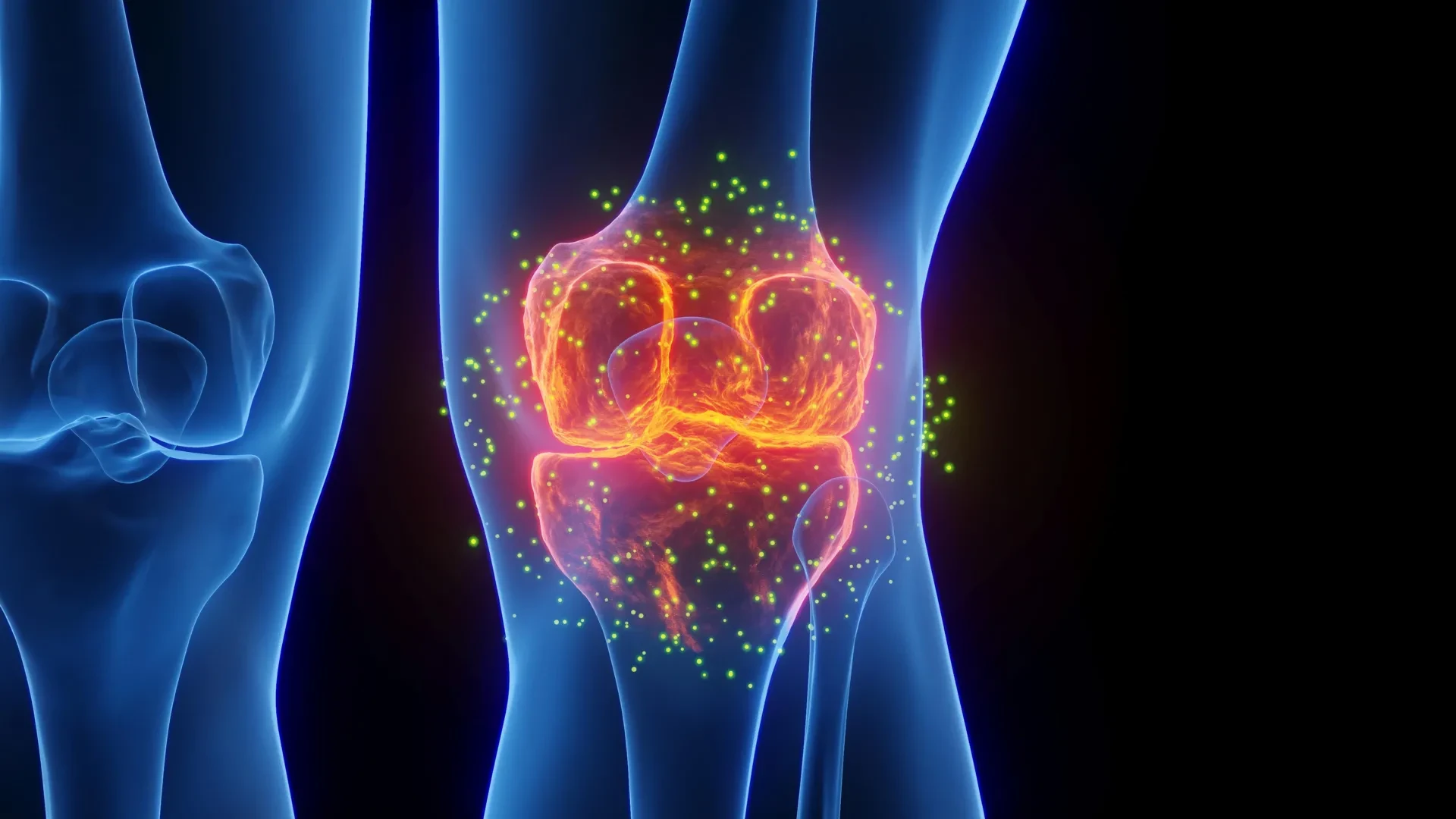
Today, however, an innovative, minimally invasive outpatient procedure known as Genicular Artery Embolization (GAE) is rapidly emerging as a transformative medical solution designed to bridge this exact therapeutic gap. By specifically targeting the microscopic blood vessels that proliferate in chronically inflamed knee tissue, GAE aims to disrupt the cyclical inflammation driving osteoarthritis pain.
Clinical data emerging from institutions like the University of Colorado (CU) Anschutz School of Medicine indicates that approximately 70% of properly selected GAE patients experience phenomenal outcomes, frequently cutting their pain scores in half or better. For patients like 74-year-old Cynthia Schraf-Fletcher—who successfully avoided the complications of a second major knee operation—GAE offers a compelling middle-ground alternative. As international clinical trials advance, FDA-designated breakthrough technologies evolve, and researchers explore adaptations for other chronic musculoskeletal conditions, GAE stands at the vanguard of modern interventional radiology, promising prolonged relief and a renewed lease on active living for an aging global population.
Detailed Chronology: From Concept to Clinical Reality
The journey of Genicular Artery Embolization from an experimental concept to an internationally recognized, state-of-the-art procedure highlights the relentless pace of innovation in vascular interventional radiology. Understanding its development offers crucial insight into why this treatment is reshaping orthopedic and pain management paradigms.
Origins and Global Expansion (A Decade of Evolution)
The foundational techniques underlying GAE were first pioneered in Japan a little more than a decade ago. Vascular interventional radiologists in Japanese medical centers observed that chronic joint inflammation, particularly in cases of osteoarthritis and adhesive capsulitis, is consistently accompanied by abnormal angiogenesis—the excessive formation of tiny, fragile new blood vessels. These pathological vessels not only feed the inflammatory response within the synovial lining and bone margins but also sustain local pain receptor signaling.
By utilizing micro-catheter technology to selectively block these hyperemic pathways with embolic agents, clinicians noted a dramatic reduction in local inflammation and a corresponding alleviation of patient pain. Over the ensuing years, clinical reports from Asia sparked international interest. Interventional radiologists across Europe and North America began replicating the procedure, refining catheter delivery systems, and initiating institutional clinical trials to validate safety, efficacy, and long-term durability.
Regulatory Milestones and FDA Recognition
As clinical adoption expanded into the United States, regulatory bodies took note of the procedure’s unique potential to address an unmet medical need. Recognizing the promise of targeted vascular embolization for musculoskeletal indications, the U.S. Food and Drug Administration (FDA) has granted "breakthrough device status" to a number of specialized medical devices utilized in this field since 2021.
This critical regulatory designation is purposefully engineered to expedite the development, clinical evaluation, and governmental review of medical technologies that offer significant advantages over existing standards of care. This administrative momentum has helped accelerate physician training, foster multi-center clinical trials, and clear institutional pathways for broader insurance coverage, transforming GAE from a niche experimental therapy into a viable, mainstream clinical offering.
Supporting Context & Metrics: Mechanisms, Procedure, and Patient Outcomes
To fully appreciate the clinical impact of Genicular Artery Embolization, one must examine the underlying pathophysiology of osteoarthritis, the mechanics of the procedure itself, and the robust data measuring its success.
Pathophysiology and Patient Selection
Osteoarthritis is fundamentally a degenerative joint disease characterized by the progressive breakdown of articular cartilage, subchondral bone remodeling, and chronic inflammation of the synovial membrane. Within a diseased knee, mechanical wear and tear trigger an inflammatory cascade. This inflammatory environment stimulates the growth of abnormal micro-vessels branching from the genicular arteries surrounding the knee joint. These hyper-vascular networks perpetuate swelling, warmth, and persistent nociceptive pain.
According to Dr. Leigh Casadaban, MD, MS, assistant professor of radiology at the University of Colorado Anschutz School of Medicine, patient selection remains a cornerstone of successful outcomes.
- Ideal Candidates: Individuals presenting with mild to moderate knee osteoarthritis who have exhausted conservative therapies (medications, physical therapy, steroid injections) but are not yet appropriate candidates for, or psychologically prepared to undergo, total knee replacement.
- Advanced Cases: Patients with more advanced, end-stage structural degradation can also undergo the procedure, though clinical observations suggest that the duration of symptom relief may be comparatively abbreviated.
Step-by-Step Procedural Workflow
Performed entirely in an outpatient setting by an interventional radiology team, GAE typically spans one to two hours. Rather than exposing the patient to the physiological risks and extended recovery times of general anesthesia, the procedure is conducted under conscious sedation, ensuring the patient remains deeply relaxed and comfortable throughout.
- Vascular Access: The interventional team makes a microscopic incision, typically located in the crease of the upper leg or groin.
- Guidance and Imaging: Utilizing advanced digital X-ray imaging (fluoroscopy) and specialized contrast dye to illuminate the vascular architecture, a remarkably thin catheter is expertly navigated through the femoral artery down toward the knee joint.
- Targeted Embolization: Once the catheter successfully maps and reaches the targeted genicular arteries feeding the inflamed areas identified by the patient’s clinical symptoms, the team releases microscopic embolic beads.
- Vascular Occlusion: These tiny spheres selectively lodge within the abnormal micro-vessels associated with the painful, hyperemic zones. By drastically reducing localized blood flow to these specific areas, the pathological inflammation is rapidly quenched.
- Post-Procedural Recovery: Because GAE requires neither joint replacement nor extensive surgical incisions, the physical trauma to the body is minimal. Patients are monitored in a recovery unit for several hours and discharged to go home the same day, with instructions to maintain a low-activity profile for the first few days.
Measurable Clinical Outcomes and Longevity
The clinical dividends of this targeted approach are well-documented in both international and domestic registries. Dr. Casadaban notes that roughly 70% of patients achieve phenomenal results, frequently halving their baseline pain scores or eliminating discomfort entirely.
Furthermore, longitudinal data underscores the surprising durability of the treatment:
- Four-Year International Data: Published findings from Japanese cohorts demonstrate that a single outpatient GAE session can yield pain relief and functional improvement lasting up to four consecutive years.
- Two-Year U.S. Data: Domestic studies confirm that patients demonstrating an initial favorable response can maintain sustained pain relief and functional recovery at the two-year mark.
This sustained efficacy strongly indicates that GAE does more than merely mask symptoms; it appears to fundamentally alter the destructive inflammatory microenvironment within the osteoarthritic joint.
Official Statements and Expert Perspectives
The paradigm shift represented by Genicular Artery Embolization is best articulated by the clinicians performing the procedures and the patients whose lives have been reclaimed by the technology.
Clinical Insights from Dr. Leigh Casadaban
Dr. Casadaban, a vascular interventional radiologist at the CU Anschutz School of Medicine who treats patients like Cynthia Schraf-Fletcher, emphasizes the profound therapeutic void GAE successfully addresses:
"For treating osteoarthritis in the knees, we often think of medications, physical therapy, maybe a steroid injection, and then on the far end of the spectrum is a total knee replacement. There really hasn’t been anything for patients in between," explains Casadaban. "GAE is a promising minimally invasive procedure that may fill that spot for people who have failed conservative treatments but are not yet ready to have a major surgery."
Reflecting on the transformative feedback received from patients who have navigated years of unmanaged pain, Casadaban highlights the high satisfaction rate:
"We find about 70% of patients have phenomenal results. They cut their pain scores in half, sometimes more. We have a few patients with no pain at all after the procedure. Patients that have tried a lot of other treatments and haven’t had pain relief are happy to get back to their normal activities."
Commenting on the physiological implications of long-term studies, Casadaban notes:
"The theory is that GAE reduces inflammation inside the knee joint, and symptom relief can last years. Four-year data published in Japan shows that if you have one outpatient procedure, your pain relief can last for those four-year marks. In the U.S., we now have two-year data, which shows that if you have a good response, pain relief can last two years. That really speaks to the theory that we’re hopefully modifying something in multinodular joint tissue."
The Patient Perspective: Cynthia Schraf-Fletcher
For 74-year-old Cynthia Schraf-Fletcher, the decision to undergo GAE under Dr. Casadaban’s care was heavily influenced by her previous experiences with traditional orthopedic surgery. Having previously undergone a total knee replacement on her left knee—which, while successful, was accompanied by challenging surgical complications—Schraf-Fletcher was highly motivated to find a less invasive alternative for her right knee.
Describing the procedure as "remarkably" successful, Schraf-Fletcher notes that the post-procedural functional outcome in her right knee feels remarkably comparable to her surgically reconstructed left knee, achieved with a fraction of the physical toll. Today, everyday activities that were once deferred due to substantial discomfort—such as tending to her garden, riding a stationary bicycle, and engaging in her favorite recreational pursuits—are performed with minimal to no pain.
"I couldn’t be more pleased," Schraf-Fletcher remarks, emphasizing that the opportunity to bypass another major operation proved exceptionally rewarding.
Future Outlook: Clinical Trials, Technological Innovations, and Horizon Applications
As medical science continues to unlock the complex interplay between vascular proliferation and joint pathology, the future horizon for Genicular Artery Embolization is expansive. Investigators are actively working to refine the procedure, understand its precise biological mechanisms, and evaluate its utility across a broader spectrum of musculoskeletal disorders.
Cutting-Edge Clinical Trials at CU Anschutz
To establish definitive scientific consensus on why and how GAE alters joint physiology, academic medical centers are spearheading advanced clinical investigations. At the University of Colorado Anschutz School of Medicine, Dr. Casadaban is leading pivotal clinical trials designed to evaluate intra-articular changes post-procedure:
- Fluid Dynamics and Inflammation Studies: One active research protocol investigates changes in synovial fluid composition and volume within the knee following GAE. By analyzing biological markers in this fluid pre- and post-procedure, researchers hope to map out the exact molecular pathways by which vascular embolization dampens intra-articular inflammation.
- Evaluation of Next-Generation Embolic Devices: Another institutional study is evaluating the safety and performance of a novel temporary treatment device known as Nexsphere-F. This temporary device is designed to be placed into the local arterial network to transiently obstruct the small blood vessels contributing to inflammation and pain before safely dissolving or clearing from the vascular bed.
Expanding Beyond the Knee: Horizon Applications
While the knee has served as the primary clinical proving ground for GAE, the foundational physiological principle—that targeted vascular embolization can successfully mitigate hyperemic, inflammation-driven pain in localized joints and soft tissues—holds massive potential for other chronic conditions.
Researchers and interventional radiologists are already exploring similar minimally invasive approaches for a variety of stubborn musculoskeletal pathologies, including:
- Frozen Shoulder (Adhesive Capsulitis): Targeting hyper-vascularization within the glenohumeral joint capsule to restore range of motion and relieve intractable shoulder pain.
- Tennis Elbow (Lateral Epicondylitis): Embolizing abnormal micro-vessels surrounding the common extensor tendon origin to treat chronic overuse injuries unresponsive to physical therapy.
- Plantar Fasciitis: Applying targeted embolization techniques to alleviate chronic, debilitating heel pain driven by localized tissue inflammation and neovascularization.
Conclusion: A New Era for Pain Management
Genicular Artery Embolization represents a paradigm shift in the management of chronic joint pain. By intelligently navigating the therapeutic chasm between conservative care and major joint surgery, interventional radiology is offering patients a safer, faster, and remarkably effective pathway back to active health. As ongoing clinical trials at institutions like CU Anschutz deepen our understanding of joint biology, and as innovative devices like Nexsphere-F enter clinical evaluation, GAE is poised to solidify its place as a cornerstone of modern, patient-centered musculoskeletal care.