

Executive Overview
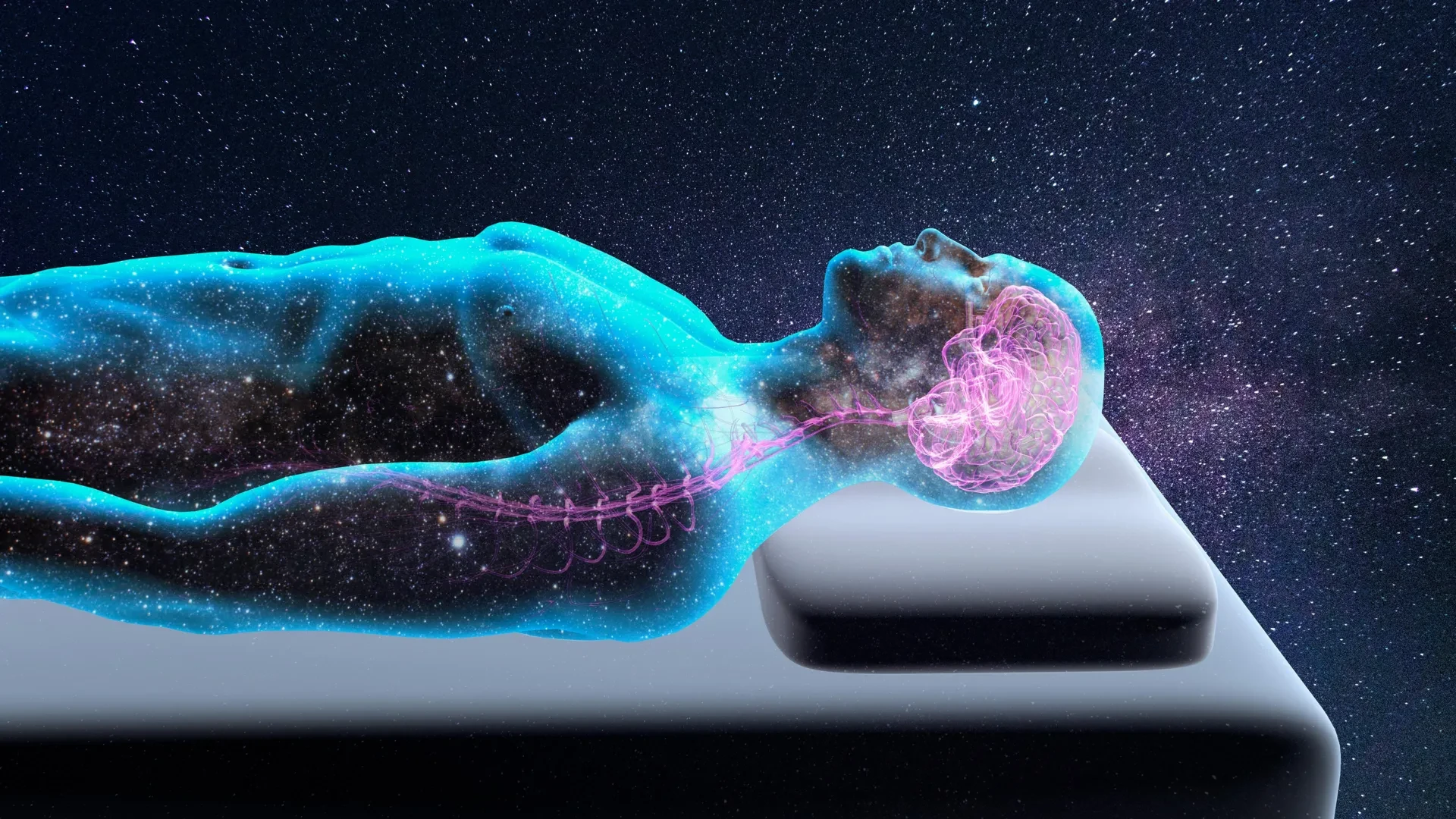
In the modern era of relentless connectivity, hyper-competition, and urban noise, sleep has frequently been treated as a negotiable commodity—a flexible block of time that can be traded away to meet professional demands or social obligations. However, a landmark epidemiological and computational study published on September 17 in the open-access journal PLOS Medicine challenges this cultural norm with unprecedented granularity. Led by Shengzhi Sun and colleagues at Capital Medical University in China, the research provides robust, objective evidence that the structural composition of our sleep—specifically the proportion of rapid eye movement (REM) and deep sleep we experience—acts as a biological shield against a sprawling catalog of human pathologies.
Analyzing the objective sleep metrics of nearly 100,000 individuals tracked over a median of nearly nine years, the research team utilized advanced deep-learning algorithms to decode continuous wrist-accelerometer data. Their findings reveal a striking dichotomy: while logging fewer than five hours of total sleep per night opens the floodgates to elevated clinical vulnerability across dozens of conditions, the precise architecture of sleep—how much time is spent cycling through restorative deep sleep and dreaming REM states—exerts a profound, systemic influence on long-term health.
Greater amounts of REM sleep were systematically associated with lower risks for an astonishing 83 distinct diseases, including devastating neurodegenerative and cardiovascular disorders like dementia, Parkinson’s disease, and heart failure. Simultaneously, robust metrics of deep (slow-wave) sleep were linked to decreased vulnerabilities for metabolic and psychiatric conditions, such as type 2 diabetes and major depressive disorder.
By mapping these sleep parameters against more than 1,000 health outcomes, the Capital Medical University team has bridged a critical gap in preventative medicine. They have moved the public health conversation beyond the simplistic question of "how many hours did you sleep?" to a far more sophisticated inquiry: "what happened during those hours?" As global health systems buckle under the weight of aging populations and chronic illness, these insights offer a transformative roadmap for disease prevention, suggesting that optimizing sleep architecture may soon become a cornerstone of clinical intervention.
Detailed Chronology and Methodological Rigor
Moving Beyond the Flaws of Subjective Reporting
For decades, nutritional and sleep epidemiology faced a persistent methodological bottleneck: the heavy reliance on self-reported sleep questionnaires. Human beings are notoriously poor estimators of their own sleep patterns. Subjective evaluations routinely suffer from recall bias, social desirability bias, and an inability to accurately quantify micro-architecture elements such as sleep staging, sleep fragmentation, and nighttime awakenings. Consequently, real-world links between nuanced sleep dynamics and long-term health outcomes remained murky and inconsistent.
To overcome these historical limitations, Shengzhi Sun and his research collaborators turned to the vast, meticulously curated repository of the UK Biobank. They focused their investigation on a cohort of 95,559 participants who agreed to wear high-resolution wrist accelerometers continuously for seven consecutive days and nights. These wearable devices captured raw, continuous movement data at a scale and precision that self-reporting could never replicate.
The Power of Deep-Learning Algorithms
Raw accelerometer data is inherently noisy, requiring sophisticated computational pipelines to translate physical motion into physiological sleep stages. To achieve this, the researchers deployed a state-of-the-art deep-learning algorithm. This computational model was trained to parse minute-by-minute behavioral signatures, allowing the team to accurately categorize real-world sleep architecture into distinct domains:
- Rapid Eye Movement (REM) sleep
- Deep (slow-wave) sleep
- Light sleep
- Total sleep duration
- Wakefulness after sleep onset (WASO)
- Night-to-night sleep irregularity
Once these objective sleep profiles were established for the cohort, the participants were entered into a longitudinal tracking framework. Over a median follow-up period of 8.9 years, the researchers cross-referenced the baseline sleep data against comprehensive national health records, screening for associations across more than 1,000 distinct disease outcomes. To ensure maximum statistical integrity, the team applied stringent adjustments—including Bonferroni corrections—ultimately isolating 156 highly significant, independent associations between specific sleep patterns and incident diseases.
Supporting Context, Metrics, and Findings
The 6-to-8-Hour Sweet Spot and the Danger of the 5-Hour Threshold
While sleep architecture proved vital, total sleep duration maintained its status as a foundational pillar of health, exhibiting a significant non-linear relationship with disease risk across 86 distinct disease phenotypes. Among these, the minimum-risk duration for the vast majority of conditions—precisely 69 phenotypes—was concentrated within a strict 6-to-8-hour window.
For middle-aged and older adults, maintaining a sleep duration within this 6-to-8-hour window acts as a powerful health safeguard. The authors note that this protective effect is likely attributable to more favorable physiological distributions of sleep stages that naturally occur within this timeframe.
Conversely, stepping outside this window triggered sharp biological penalties. Sleeping less than a total of five hours per night emerged as a critical danger zone, linked to an alarming elevation in clinical vulnerability across 37 separate medical conditions. This chronic sleep deprivation places an unsustainable allostatic load on the cardiovascular, immune, and neurological systems, accelerating the transition from subclinical dysfunction to overt disease.
REM Sleep: The Neurological and Cardiovascular Shield
Perhaps the most startling revelation of the study centers on the protective power of REM sleep. Historically associated with dreaming, memory consolidation, and emotional processing, REM sleep was found to have systemic physiological implications far beyond the brain.
In the phenome-wide association analysis, greater quantities of REM sleep (measured per interquartile range of 47.6 minutes) were associated with a statistically significant reduction in the risk of 83 separate diseases. The magnitude of these risk reductions was striking:
- Parkinson’s Disease: Exhibited a hazard ratio of 0.20, implying an eighty percent reduction in relative risk among those with robust REM durations.
- Dementia: Demonstrated a hazard ratio of 0.54, cutting the risk of cognitive decline nearly in half.
- Heart Failure: Recorded a hazard ratio of 0.74, highlighting a profound cardiovascular benefit derived from a well-regulated sleep cycle.
These findings suggest that the physiological restoration occurring during REM sleep—characterized by heightened brain activity, muscle atonia, and rapid eye movements—plays an active, indispensable role in maintaining vascular elasticity, clearing metabolic waste from neural tissues, and regulating autonomic nervous system tone.
Deep Sleep, Sleep Irregularity, and Wakefulness
While REM sleep dominated the neurological and cardiovascular landscape, deep sleep (slow-wave sleep) carved out its own distinct domain of protection. Greater amounts of deep sleep were directly linked to a lower risk of 7 major clinical conditions, most notably type 2 diabetes and major depressive disorder. Deep sleep is the period during which the body experiences its deepest physical relaxation, marked by delta waves, tissue repair, muscle growth, and the robust secretion of human growth hormone. Its protective effect against metabolic and mood disorders underscores the intimate biochemical crosstalk between physical tissue recovery and metabolic-endocrine homeostasis.
On the flip side, the study unmasked the insidious dangers of fragmented and erratic sleep. Greater night-to-night sleep irregularity—shifting bedtimes and wake times wildly across the week—alongside elevated wakefulness after sleep onset (WASO) were each independently linked to an increased risk of several debilitating conditions, including anxiety disorders and substance use disorders. When the brain’s internal circadian clock is chronically disrupted, or when sleep is repeatedly punctured by micro-awakenings, neurochemical balance is destabilized, predisposing the individual to psychiatric vulnerabilities and emotional dysregulation.
Official Statements and Global Implications
Perspectives from the Authors
The implications of the PLOS Medicine study extend far beyond Western biomedical circles, resonating deeply within nations experiencing rapid demographic and lifestyle transitions. In China, for instance, sleep quantity and quality have officially risen to the level of national priority under the National Health Commission.
Data from the recent 2026 China Sleep Health White Paper underscores the urgency of this agenda. While the average surveyed Chinese citizen logs 6.97 hours of sleep per night—technically scraping into the lower bound of the protective window—a troubling 23 percent sleep less than 6 hours per night. Furthermore, the report highlights that only 26 percent of respondents maintain a consistent sleep schedule, and systemic sleep disturbances are compounding over time due to urbanization, screen time, and work stress.
Reflecting on these societal challenges and their empirical findings, Shengzhi Sun and his co-authors emphasized the actionable nature of their research:
"The findings provide additional evidence supporting the role of a 6-8 hours’ sleep duration as a health safeguard for middle-aged and older adults, likely attributable to more favorable distributions of sleep stages," the authors stated. "Maintaining a sleep duration of 6-8 hours can effectively reduce the risk of multiple diseases, providing new insights for health promotion and preventive practice."
Elaborating on the methodological depth of their phenome-wide scan, they added:
"Phenome-wide association analysis identified 156 significant associations between sleep patterns and incident diseases after Bonferroni correction. Sleep duration exhibited significant non-linear associations with 86 disease phenotypes, with the minimum-risk duration for the majority of these conditions (69 phenotypes) precisely concentrated within a 6-8 hour window."
Despite the profound statistical power of a cohort approaching 100,000 individuals, the researchers maintain appropriate scientific conservatism. Because this is an observational study, it cannot definitively prove a strict, unidirectional causal relationship—it remains within the realm of possibility that early, undetected pathological processes (such as pre-clinical neurodegeneration or subclinical inflammation) disrupt sleep architecture, rather than poor sleep architecture solely causing the disease. Nevertheless, the convergence of deep-learning analytics, objective wearable data, and longitudinal tracking makes the case for bidirectional or causal protective mechanisms exceptionally compelling.
Future Outlook: The Next Frontier in Preventative Medicine
Reimagining Clinical Diagnostics and Public Health Policy
The publication of this study marks a definitive turning point in how modern medicine must approach sleep. For generations, sleep medicine has been largely reactive, focusing on acute pathologies such as obstructive sleep apnea, severe insomnia, or narcolepsy, typically diagnosed through expensive, centralized in-lab polysomnography.
The success of deep-learning algorithms applied to continuous wrist-accelerometer data in this research points toward a vastly more democratized and proactive future. Consumer-grade and clinical-grade wearables are rapidly approaching a level of fidelity where they can reliably estimate sleep stages and fragmentation patterns in free-living environments. This technological leap opens the door for primary care physicians to integrate continuous sleep-architecture tracking into routine wellness exams, catching the subtle degradation of REM and deep sleep long before clinical symptoms of dementia, heart failure, or type 2 diabetes manifest.
Policy Interventions in an Always-On Society
At a societal level, the data demands a systemic re-evaluation of work culture, urban planning, and public health messaging. If dropping below five hours of sleep places citizens at elevated risk for 37 distinct medical conditions, sleep deprivation is no longer merely a personal lifestyle choice—it is a public health hazard akin to poor nutrition or sedentary living.
Policy initiatives modeled after China’s National Health Commission priorities will likely need to expand globally. Future preventative frameworks must target:
- Workplace Regulations: Curtailing extreme shift work and protecting mandatory recovery windows for employees.
- Educational Campaigns: Moving public health messaging beyond the vague advice to "get enough rest" to emphasize the clinical importance of sleep consistency, circadian alignment, and the preservation of sleep stages.
- Urban Noise and Light Abatement: Recognizing environmental disruptions to sleep as major contributors to municipal disease burdens.
As research continues to decode the complex biological symphony of human rest, one reality stands clear: sleep is not an empty pause between productive waking hours. It is an active, highly orchestrated biological imperative. By safeguarding our 6-to-8-hour windows and preserving the deep architecture of our REM and slow-wave cycles, we unlock one of nature’s most potent defenses against the erosion of human health.
Acknowledgments: This groundbreaking work received independent financial backing from the National Science Fund for Distinguished Young Scholars, the Key Program of the National Natural Science Foundation of China, the Beijing Outstanding Young Scientist Program, the Young Beijing Scholars Project, and the Chinese Institutes for Medical Research, Beijing. The funding bodies exercised no influence over the design of the study, data collection, analytical methodologies, the decision to publish, or the drafting of the final manuscript.