

Executive Overview
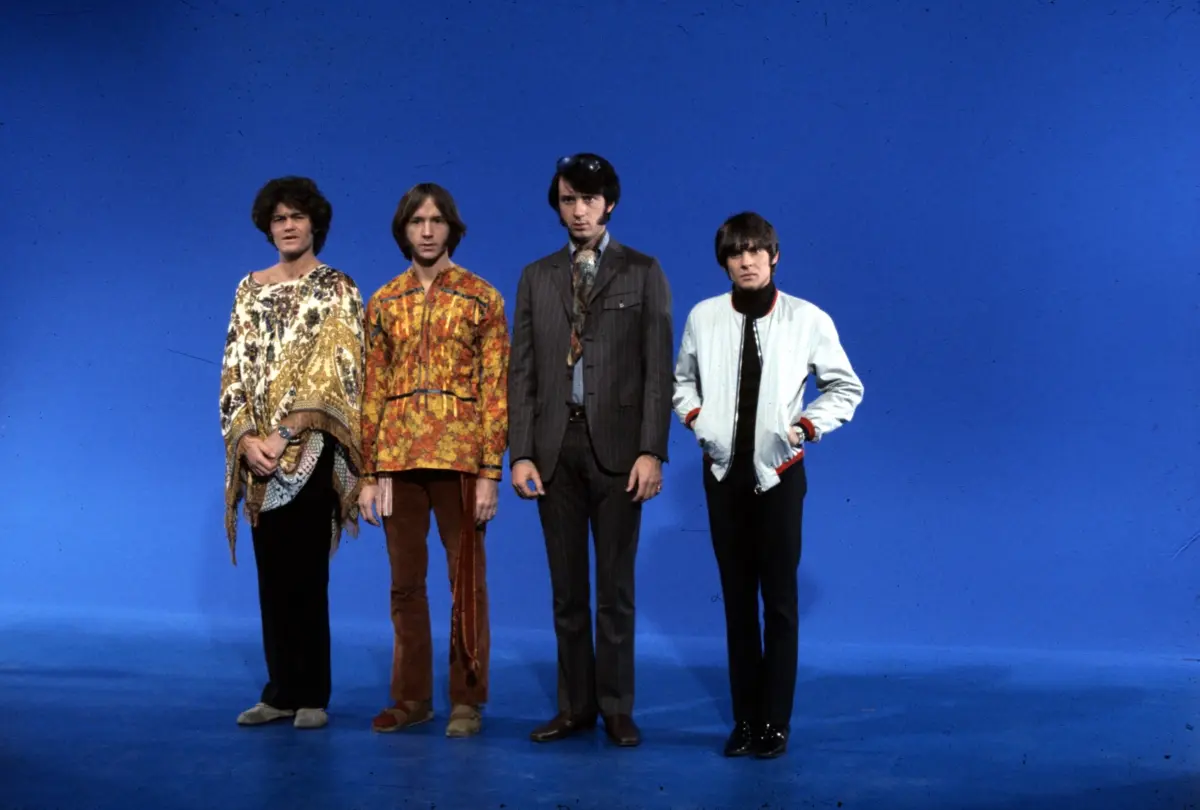
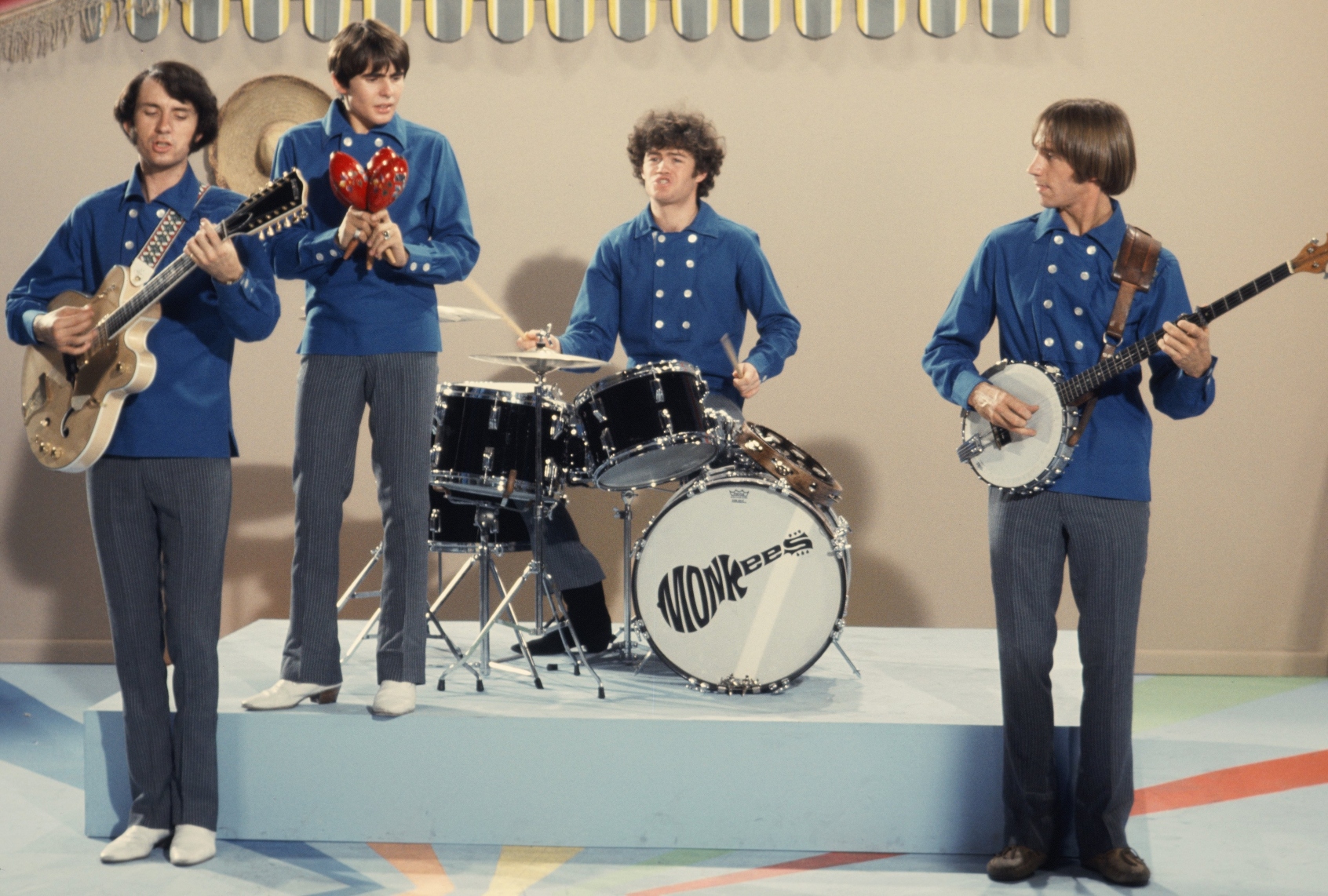
Sixty years after their revolutionary television series premiered on NBC in September 1966, The Monkees remain one of the most polarizing, enduring, and paradoxically authentic forces in pop culture history. Originally conceived by television producers Bert Schneider and Bob Rafelson as a scripted sitcom about a struggling fictional group, the quartet of Micky Dolenz, Davy Jones, Michael Nesmith, and Peter Tork rapidly transcended their "Pre-Fab Four" moniker. They evolved from actors-for-hire into legitimate musical innovators whose cultural ripple effects can still be felt in today’s multi-platform entertainment ecosystem.
While music purists of the 1960s initially dismissed them as a corporate-manufactured counterweight to The Beatles, history has offered a much kinder, more nuanced verdict. The Monkees pioneered the visual album aesthetic through their fast-paced musical interludes—a direct ancestor to the 1980s MTV music video boom—helped launch the careers of legendary songwriters like Neil Diamond, and inadvertently birthed the modern blueprint for the contemporary boy band. As the last surviving member, Micky Dolenz, continues to tour and carry the torch into his ninth decade, a retrospective examination reveals that The Monkees were not merely a product of the television studio system; they were a lightning-in-a-bottle cultural phenomenon that permanently altered the DNA of modern entertainment.
Detailed Chronology: From a Hollywood Reporter Classified to Global Superstardom
The genesis of The Monkees reads like a Hollywood fable, born from the rapidly shifting youth culture of the mid-1960s. Desirous of capitalizing on the cinematic energy and commercial dominance of The Beatles’ 1964 film A Hard Day’s Night, television producers Bert Schneider and Bob Rafelson set out to create a scripted comedy series centered around a fictional rock-and-roll band.
The project officially took shape when producers focused initial efforts around Davy Jones, a charismatic British stage and television actor who would quickly become the prototypical teen idol of the era. Needing three more "insane boys" to round out the ensemble, Schneider and Rafelson placed an open casting call in the Hollywood Reporter on September 8, 1965. The now-legendary classified ad read:
"Madness!! Auditions. Folk & Roll Musicians-Singers for acting roles in new TV series. Running Parts for 4 insane boys, age 17-21. Want spirited Ben Frank’s types. Have courage to work. Must come down for interview."
Out of the 437 hopefuls who answered the call, producers selected Peter Tork, a multi-instrumentalist with deep roots in the American folk scene; Michael Nesmith, a sharp-witted Texas singer-songwriter equipped with a wool knit cap and a dry comedic delivery; and Micky Dolenz, a former child star and drummer who could handle both physical comedy and soaring lead vocals.
When The Monkees premiered on NBC on September 12, 1966, it was an instant commercial and critical triumph. The show’s rapid-fire editing, surrealist humor, and breezy musical interludes captured the imagination of post-school youth across America. Behind the scenes, however, tensions immediately boiled over regarding creative control. Initially barred by their studio backers from playing their own instruments on recordings—a standard practice for television-tie-in acts managed by veteran producer Don Kirshner—the band fought aggressively for artistic autonomy.
By 1967, the members had successfully wrested control of their recording sessions, proving their performance chops on classic records. Yet, the intense whirlwind was short-lived. Following creative burnout, declining ratings, and friction with network executives, The Monkees was canceled after just two seasons and 58 episodes in 1968.
Undeterred, the group pushed their avant-garde tendencies to the limit with Head, a surreal, counterculture feature film released later that year. Written and produced by Jack Nicholson and Bob Rafelson, Head bombed commercially upon release but eventually achieved legendary cult status. By 1970, the original lineup had completely fractured through departures, though subsequent nostalgia-fueled reunion tours in the 1980s, 1990s, and 2000s proved that their musical footprint was permanent.
Supporting Context & Metrics: The Charts, the Cultural Legacy, and the Industry Ripple Effect
The statistical footprint left by The Monkees during their brief active window between 1966 and 1968 defies easy categorization. Despite beginning as a fictional television construct, the band achieved commercial dominance that rivaled the biggest musical acts of the era:
- Chart Supremacy: The Monkees scored multiple Billboard Hot 100 number-one hits, including "Last Train to Clarksville," "Daydream Believer," and the Neil Diamond-penned anthem "I’m a Believer," which spent seven weeks at the top of the charts and sold over 10 million copies worldwide.
- Album Dominance: During a single twelve-month span in 1967, The Monkees outsold both The Beatles and The Rolling Stones combined, shifting more than 16 million albums in the United States alone.
- The Blueprint for Animation and Sitcom Bands: The show’s runaway success established a lucrative television formula. It directly inspired subsequent live-action and animated musical properties, including The Partridge Family, Josie and the Pussycats, and The Archies—the latter of which scored a global mega-hit with 1969’s "Sugar, Sugar."
- Proto-Punk and Alternative Cred: While widely derided early on for lacking instrumental autonomy on their debut tracks, later recordings proved their musical depth. Tracks like "(I’m Not Your) Steppin’ Stone" (originally recorded by Paul Revere & the Raiders) and Micky Dolenz’s self-referential tour-de-force "Randy Scouse Git" showcased a raw, proto-punk urgency that influenced generations of garage rock revivalists.
Furthermore, the show’s reliance on fast-paced, cinematic musical interludes directly prefigured the MTV revolution of the 1980s. Long before music videos became a billion-dollar promotional tool for record labels, The Monkees was packaging standalone mini-films for every single track they released.
Official Statements: Micky Dolenz Reflects on the Myth and the Reality
Decades after the cameras stopped rolling, the historical reassessment of The Monkees has largely been shaped by the reflections of surviving members, most notably Micky Dolenz. In recent interviews, including a comprehensive retrospective with AARP, Dolenz offered a candid perspective on the true nature of the enterprise, demystifying the friction between the public perception of the group and the reality of the television industry.
"It was a musical comedy television series about these four guys that wanted to be a band," Dolenz explained during his AARP interview, emphasizing the fictionalized core of the project.
Dolenz has frequently noted the delightful irony embedded in the show’s premise—specifically, that the characters on screen never actually achieved mainstream success within the narrative universe of the sitcom.
"It was the struggle for success that was important, and I think helped endear it to all these kids around the world," Dolenz remarked, adding with a characteristically wry chuckle: "Which does, of course, beg the question of how we could afford a Malibu beach house. But that’s Hollywood."
This self-aware humor has defined the legacy of the band. Rather than running away from their manufactured origins, the members ultimately leaned into the absurdity, transforming themselves from corporate puppets into self-actualized musicians who owned their niche in rock history.
Future Outlook: The Enduring Echo of the Pre-Fab Four in Modern Pop
As we look at the pop music landscape of the 21st century—marked by stadium-filling solo superstars like Harry Styles (whose trajectory from the manufactured boy band One Direction mirrors the idol-building mechanics of the 1960s)—the foundational importance of The Monkees becomes ever clearer.
The entertainment industry continues to grapple with the tension between manufactured stardom and authentic artistic expression. Yet, the path blazed by Nesmith, Tork, Jones, and Dolenz proved that authenticity is not always about where an artist starts; it is about how they evolve under the harsh glare of public scrutiny.
With the passing of Davy Jones in 2012, Peter Tork in 2019, and Michael Nesmith in 2021, the chapter on the original quartet has closed. Yet, Micky Dolenz’s continued presence on the concert circuit ensures that the music remains alive. Sixty years after four young men answered a bizarre classified ad in Hollywood, the songs they sang—and the television magic they accidentally perfected—continue to resonate with generations of fans who refuse to let the daydream fade.