

Executive Overview
In an era defined by curated digital footprints, perfectly filtered social media feeds, and the relentless pursuit of sanitized parental perfection, a counter-movement is quietly thriving in the backyards and living rooms of families worldwide. Parents are discovering that their children’s favorite bedtime tales are not heroic adventures or moral fables, but rather deeply human, utterly humiliating, and hilarious misadventures from their own early years.
This phenomenon—informally captured in recent viral parenting anecdotes involving backyard trampolines and ill-fated bathroom breaks—highlights a profound psychological truth: children crave vulnerability, humor, and proof that their parents were once flawed, messy, and small.
This comprehensive report explores the burgeoning trend of sharing embarrassing childhood lore with the next generation. We examine the developmental psychology behind why children obsess over these narratives, the sociological impact of parental transparency, and how family folklore acts as an emotional anchor in an increasingly complex world. Drawing insights from family therapists, developmental psychologists, and cultural anthropologists, we delve into why a sequined bathing suit dropped into a toilet bowl can become a cornerstone of domestic bonding.
Detailed Chronology: The Anatomy of a Backyard Confession
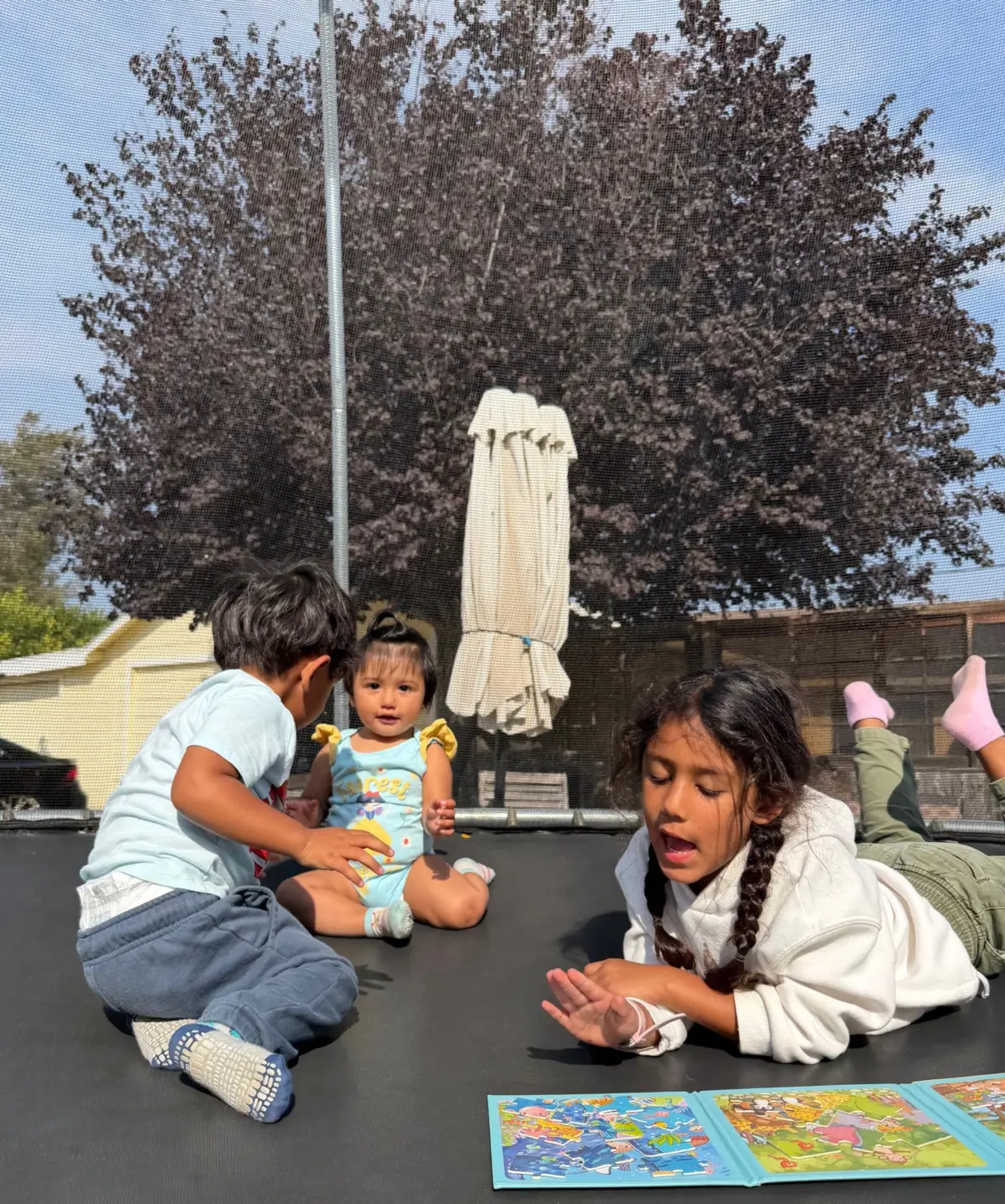
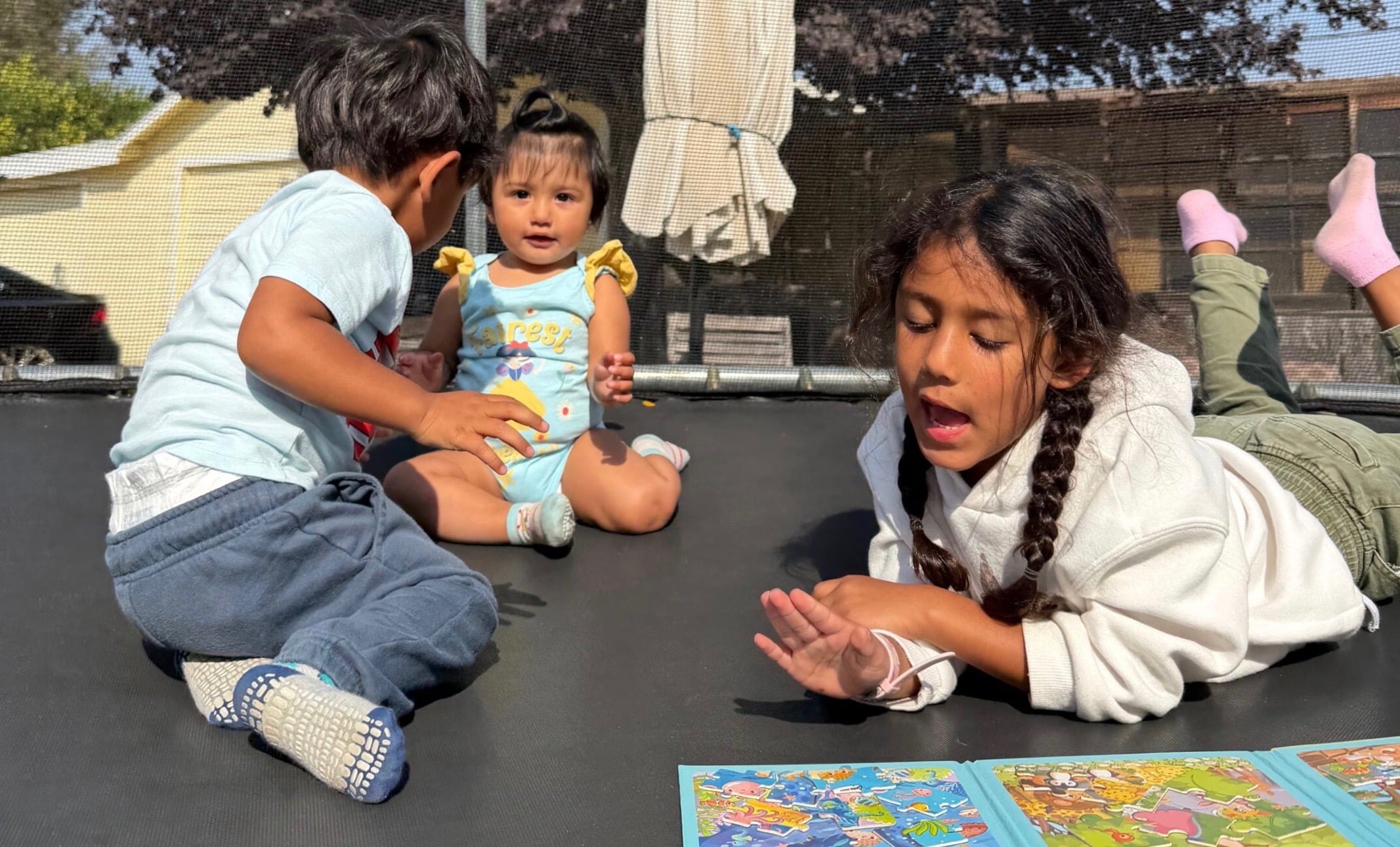
The mechanics of how family lore is passed down often begin spontaneously, born out of moments of low-stakes intimacy. Consider a typical afternoon: a mother bouncing on a backyard trampoline with her three young children—Ella, Emiliano, and Evelynn. In this weightless environment, away from screens and schedules, five-year-old Ella poses a timeless question: "Mommy, can you tell me a story about when you were a kid?"
What follows is not a rehearsed parable, but a sudden, unearthing of a dormant memory from a summer day nearly three decades prior.
The Summer of the Sequined Suit
The protagonist—then just four years old—was living her best life at a sprawling family barbecue. The setting is classic Americana: relatives gathering, the scent of charcoal in the air, and children splashing in the grandparents’ backyard pool. But for a four-year-old, paradise comes with logistical interruptions.
Repeatedly, the urgent call of nature disrupted a critical itinerary:
- Interrupting the triumphant march to the diving board.
- Halting an epic, imaginative game of deep-sea mermaids.
Reaching a breaking point by the fifth restroom trip, the young girl executed a fateful executive decision. After finishing her business, she bypassed the arduous, uncomfortable task of wriggling her cold, wet, clinging one-piece swimsuit back up over damp skin. Instead, she peeled the sequined garment down around her ankles, stepped out of it entirely, dropped the sparkling piece directly into the toilet bowl, and simply walked away.
The Audacious Naked Transit
Deed done, a distinct toddler logic took over: If I make it back to the water fast enough, surely no body will notice that I am entirely nude.
Naturally, physics and human observation intervened. Passing her teenage cousin Lupe on the patio, the illusion was instantly shattered.
- The Interception: "Jannelley… where are your clothes?"
- The Intervention: A frantic mother rushing forward with a thick towel, swiftly bringing an abrupt end to the afternoon’s swimming privileges.
While the adults viewed it as a chaotic parenting moment, the child’s internal processing was entirely different. Rather than experiencing deep shame, she felt a complex mixture of pride and innovative fascination. She had acted like a "big girl," diagnosing a cumbersome logistical problem and solving it entirely by herself.
The Ongoing Cultural Legacy
When this story was recounted on the trampoline decades later, the reaction was immediate. Five-year-old Ella dissolved into rolling, unrestrained laughter.
What started as a fleeting memory quickly transformed into a household institution. Day after day, as evening routines approached, the request remained the same: "Tell me the bathing suit down the toilet story." It graduated from a casual anecdote to a treasured piece of family folklore, proving that children do not just tolerate parental vulnerability—they demand it on a nightly basis.
Supporting Context & Metrics: The Science of Shared Vulnerability
To understand why children like Ella become utterly fixated on tales of parental mishap, we must examine the intersection of developmental psychology and family dynamics. Why do stories of social blunders resonate more deeply than stories of academic achievement or polite behavior?
1. The De-Idealization of Parents
Child development experts note that very young children initially view their parents as omnipotent, infallible deities. Parents know everything, fix everything, and rarely make mistakes. While comforting in infancy, this illusion can inadvertently create anxiety as children grow older and inevitably make mistakes of their own.
When a parent shares a story of extreme childhood foolishness—such as swimming in the nude or locking themselves out of the house—it shatters this impossible standard of perfection in a safe, humorous way. It communicates a powerful subtext: I made massive mistakes when I was your age, and I survived. You will too.
2. The Neurological Impact of Shared Laughter
Laughter triggers the release of endorphins and oxytocin—the neurochemicals responsible for bonding and trust. When parents and children laugh together at the parent’s expense, it shifts the domestic power dynamic. The child momentarily holds the social upper hand, viewing their parent not as an authoritative disciplinarian, but as a fellow traveler in the human experience.
3. Narrative Identity and Family Cohesion
According to Dr. Marshall Duke, a professor of psychology at Emory University who has extensively studied family narratives, children who know detailed stories about their family’s history—including its eccentricities and stumbles—exhibit higher levels of emotional resilience. Known as the "Do You Know?" scale, research demonstrates that children equipped with robust family lore cope better with stress, exhibit higher self-esteem, and possess a stronger sense of identity.
[Parental Vulnerability Shared]
       │
       ▼
[Shattering the Myth of Perfection]
       │
       ▼
[Joint Laughter & Endorphin Release]
       │
       ▼
[Enhanced Emotional Resilience & Trust]
Official Perspectives: Insights from Parenting Experts and Sociologists
As family dynamics evolve in the digital age, mental health professionals are increasingly advocating for intentional storytelling as a tool for emotional connection.
Dr. Helena Vance, Child Developmental Psychologist
"When children ask for stories about their parents’ childhoods, they are performing a subconscious check on safety and empathy. They want to know: ‘Were you ever as chaotic as I feel inside?’ When a parent responds with an authentic, self-deprecating story, it builds a bridge of radical acceptance. The child realizes that their messy thoughts and impulsive behaviors do not disqualify them from love."
Marcus Thorne, Cultural Anthropologist & Author of The Modern Tribe
"For generations, tribal knowledge was passed down through oral traditions around fires. Today, the backyard trampoline, the dinner table, or the edge of a bed serves as that campfire. The content of the story matters less than the ritual itself. When a parent admits to dropping a sequined swimsuit in a toilet, they are offering an heirloom of humility. They are saying, ‘Our family does not hide our flaws; we laugh at them together.’"
Future Outlook: The Resurgence of Oral Tradition in Modern Parenting
As we look toward the future of family life, the pendulum is swinging away from hyper-curated, algorithmic perfection and back toward authentic, messy humanity.
Parents are increasingly recognizing that the curated highlight reels of social media do little to build genuine emotional intimacy within the four walls of a home. Instead, the domestic currency of the future lies in unscripted oral histories. Initiatives, parenting forums, and modern family lifestyle platforms are increasingly encouraging parents to curate their own personal "archive of absurdity"—a mental catalog of childhood misadventures ready to be deployed at bedtime.
Key Takeaways for Modern Families:
- Embrace the Mess: Do not sanitize your past. The moments where you failed, acted impulsively, or misunderstood the world are often your most valuable teaching tools.
- Establish Narrative Rituals: Use transitions—like bedtime, long car rides, or casual backyard hangs—to invite children into your personal history.
- Encourage Ownership: Let children retell your stories back to you. When a child takes ownership of a family joke or lore, it cements their sense of belonging within the family unit.
Ultimately, the story of the sequined bathing suit in the toilet bowl is more than just a funny anecdote. It is a testament to the enduring power of shared humor and the comforting reality that growing up has always been, and will always be, a delightfully chaotic journey.