

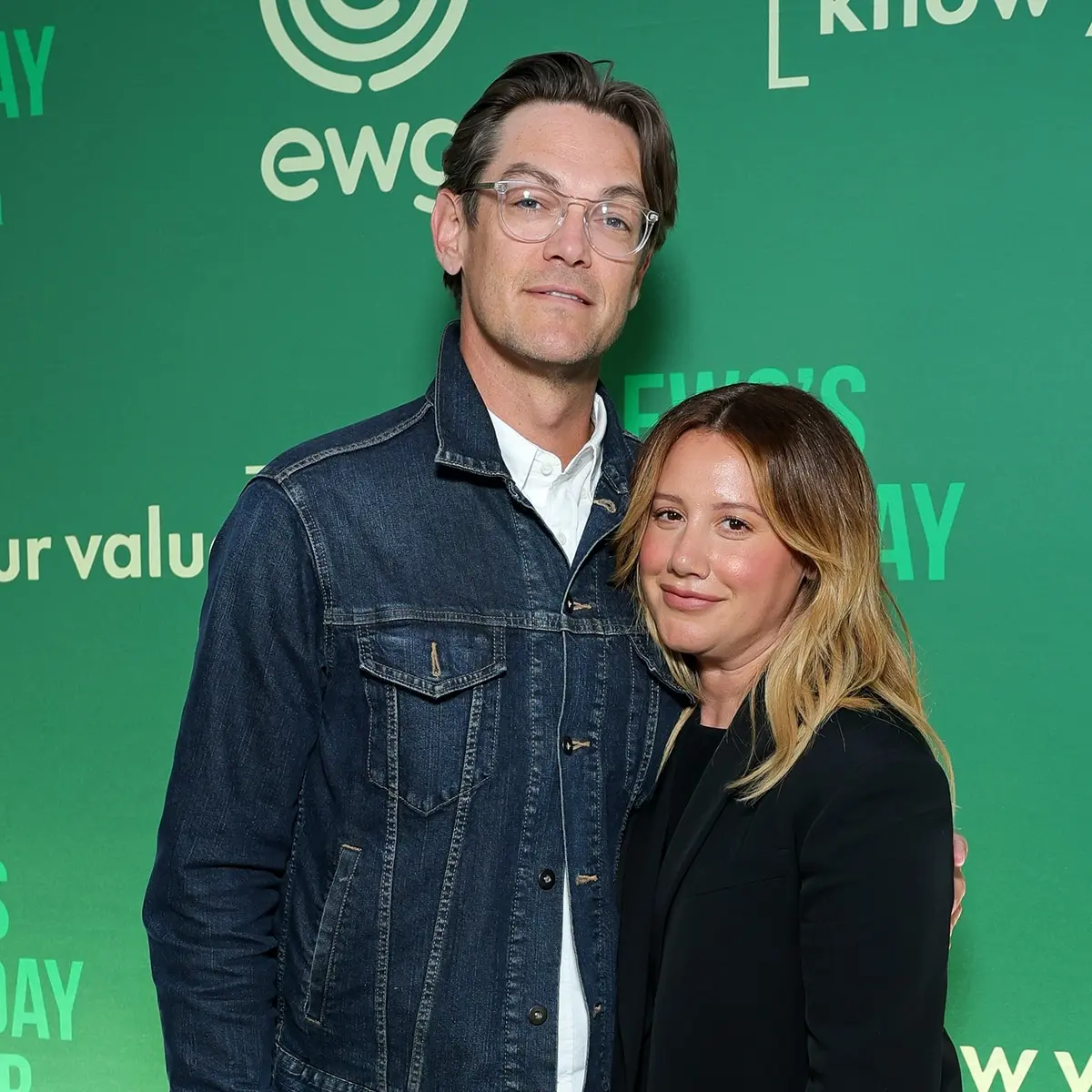
In the ecosystem of modern celebrity culture, few phenomena generate as much instant intrigue—and subsequent fallout—as a high-profile friendship breakdown. The fault lines of Hollywood social circles were tested anew following an essay penned by actress and musician Ashley Tisdale for The Cut in January. In the confessional piece, Tisdale detailed the painful, gradual dissolution of her relationship with an elite circle of fellow celebrity mothers, describing herself as feeling "frozen out" after observing outings on social media that she was excluded from.
While Tisdale purposefully omitted explicit names, the internet’s collective detective work immediately zeroed in on her well-documented inner circle: fellow mom-fluencers and entertainment industry heavyweights Hilary Duff, Mandy Moore, and Meghan Trainor. Though representatives for Tisdale formally denied that the essay targeted these specific women, the shockwaves were immediate. The fallout culminated in rare, candid public pushback from both Moore and Duff, who expressed deep hurt and dismay at being associated with allegations of toxic clique behavior.
Months after the initial publication, the discourse surrounding the essay continues to reverberate, drawing commentary not just from the principals involved, but from their extended support systems. Most recently, Tisdale’s husband, musician and composer Christopher French, broke his silence on the matter, offering a stout defense of his wife’s autonomy and character. This comprehensive report examines the genesis of the controversy, the official responses from the prominent figures involved, and the broader implications of public interpersonal conflicts within the modern entertainment landscape.
Detailed Chronology of the "Toxic Mom Group" Controversy
January: The Article That Launched a Thousand Theories
The saga began with the publication of Ashley Tisdale’s essay in The Cut. The High School Musical alum, who shares daughters Jupiter (5) and Emerson (2) with husband Christopher French, bared her soul regarding the often-isolated reality of modern motherhood compounded by the unique pressures of celebrity status.
Tisdale chronicled how her attempts to integrate into a tight-knit ecosystem of high-profile mothers ultimately devolved into feelings of alienation. The emotional pinnacle of the essay centered on the slow burn of exclusion—the realization via digital breadcrumbs on social media that her peers were gathering without her. She framed the decision to step away as an act of self-preservation, a necessary severance from dynamics that no longer served her mental health or maternal well-being.
The Internet Sluths and the Immediate Backlash
Within hours of the piece going live, digital sleuths cross-referenced past Instagram posts, playdates, and red-carpet appearances. They quickly identified Hilary Duff, Mandy Moore, and Meghan Trainor as the primary subjects of Tisdale’s narrative. The trio had frequently documented their mutual support systems, shared postpartum journeys, and playdate gatherings across social media platforms, making them the logical—albeit unconfirmed—targets of the "toxic" label.
Recognizing the impending public relations firestorm, a representative for Tisdale issued a clarification stating that the essay was not intended to target Duff, Moore, or Trainor. However, the clarification did little to quell the mounting speculation or repair the perceived reputational damage among the tight-knit community of famous mothers.
Spring: The Targets Speak Out
The uncoupling of reputations proved difficult to manage quietly. By February and May, Duff and Moore respectively stepped forward to address the elephant in the room, making it clear that the collateral damage of the essay had deeply affected them.
During a February appearance on the hit podcast Call Her Daddy, Hilary Duff addressed the controversy head-on, noting that the situation made her "really sad." The Lizzie McGuire star lamented the reality of public falsehoods, emphasizing the cascading impact such narratives have on multiple families and women simultaneously.
A few months later, in May, Mandy Moore used her platform on SiriusXM’s Andy Cohen Live to vehemently defend her character. Moore expressed visible distress over the implications of Tisdale’s piece, emphasizing that her life’s core mission is maintaining a legacy of kindness, making any insinuation to the contrary deeply upsetting.
September: Christopher French Breaks His Silence
As the initial media storm settled into a low-burning ember, Christopher French stepped forward to offer a grounded perspective on the drama. In a September 30 interview with Page Six, the Annie Automatic musician adopted a stoic stance, indicating that he and Tisdale have maintained their day-to-day equilibrium despite the turbulence.
French praised his wife’s intelligence and emotional resilience, stating plainly, "We’re doing fine. She’s a super smart, capable person, and she knows what she’s doing and that’s part of what I love about her." Addressing why he remained conspicuously silent throughout the controversy, French noted a philosophy of mutual respect and autonomy in interpersonal relationships: "I have no problem supporting my wife completely in her ability to deal with her own interpersonal relationships in whatever way [she] feels is right for her, without getting involved or feeling like I have to speak for her."
Supporting Context & Metrics: The Anatomy of Celebrity Feuds
The Tisdale-Moore-Duff dynamic sits within a long lineage of public Hollywood fallouts. To understand why an essay about a mom group resonated so deeply across digital platforms, one must examine the mechanics of celebrity lifestyle branding and parasocial relationships.
- The Monetization of Motherhood: In the era of Instagram and parenting podcasts, celebrity motherhood is frequently packaged as an aspirational, curated brand of communal support. When the facade of effortless, collective parenting fractures, followers and brands alike experience a destabilization of the parasocial contract.
- The Digital Amplification Factor: Algorithms reward emotional vulnerability and interpersonal conflict. An essay detailing exclusion naturally attracts higher engagement metrics than standard lifestyle content, accelerating the speed atwhich rumors solidify into perceived factual feuds.
- The Cost of Unnamed Targets: By omitting direct names while leaving enough contextual breadcrumbs for the public to deduce identities, essayists create a vacuum. This vacuum forces accused parties into a difficult corner: either remain silent and let the implication stand, or speak out and inadvertently fuel the longevity of the news cycle.
Official Statements and Perspectives
To fully comprehend the depth of the divide, examining the precise language used by the principals involved provides vital context into how personal boundaries were drawn and defended.
Ashley Tisdale (via The Cut)
"I started to feel frozen out of the group… You see things on social media, you see people hanging out, and you realize you aren’t part of it anymore. It’s a very specific kind of heartbreak, reminiscent of high school, but with the added weight of adulthood and motherhood."
Hilary Duff (via Call Her Daddy)
"It sucks to read something that’s not true, and it sucks on behalf of like six women and all of their lives. It makes me really sad that things have to play out this way when there’s so much more beneath the surface that people don’t see."
Mandy Moore (via Andy Cohen Live)
"The most important thing in my life is being a kind person, and that legacy of kindness and anyone even insinuating that that might not be the case—and with the company that I choose to keep—is very upsetting."
Christopher French (via Page Six)
"I have no problem supporting my wife completely in her ability to deal with her own interpersonal relationships in whatever way [she] feels is right for her, without getting involved or feeling like I have to speak for her. She’s a really smart chick and a very capable person."
Future Outlook
As the dust settles on the initial wave of headlines, the long-term trajectory for all parties involved appears focused on career rehabilitation and family life. Ashley Tisdale continues to host her Recovering podcast, channeling her experiences into digital conversations surrounding wellness, mental health, and the realities of modern parenthood. Meanwhile, Mandy Moore, Hilary Duff, and their respective families have continued navigating their busy professional schedules in television, music, and entrepreneurial ventures.
Whether the fractured friendships can ever be quietly mended behind closed doors remains an open question. However, the public nature of the fallout has served as a cautionary tale for celebrities navigating the delicate balance between authentic personal storytelling and the preservation of private boundaries. In an age where every personal reflection can be weaponized by algorithms and fanbases, the fallout from Tisdale’s essay underscores a fundamental truth of modern fame: in the court of public opinion, the narrative is rarely controlled by its author once it enters the wild.