

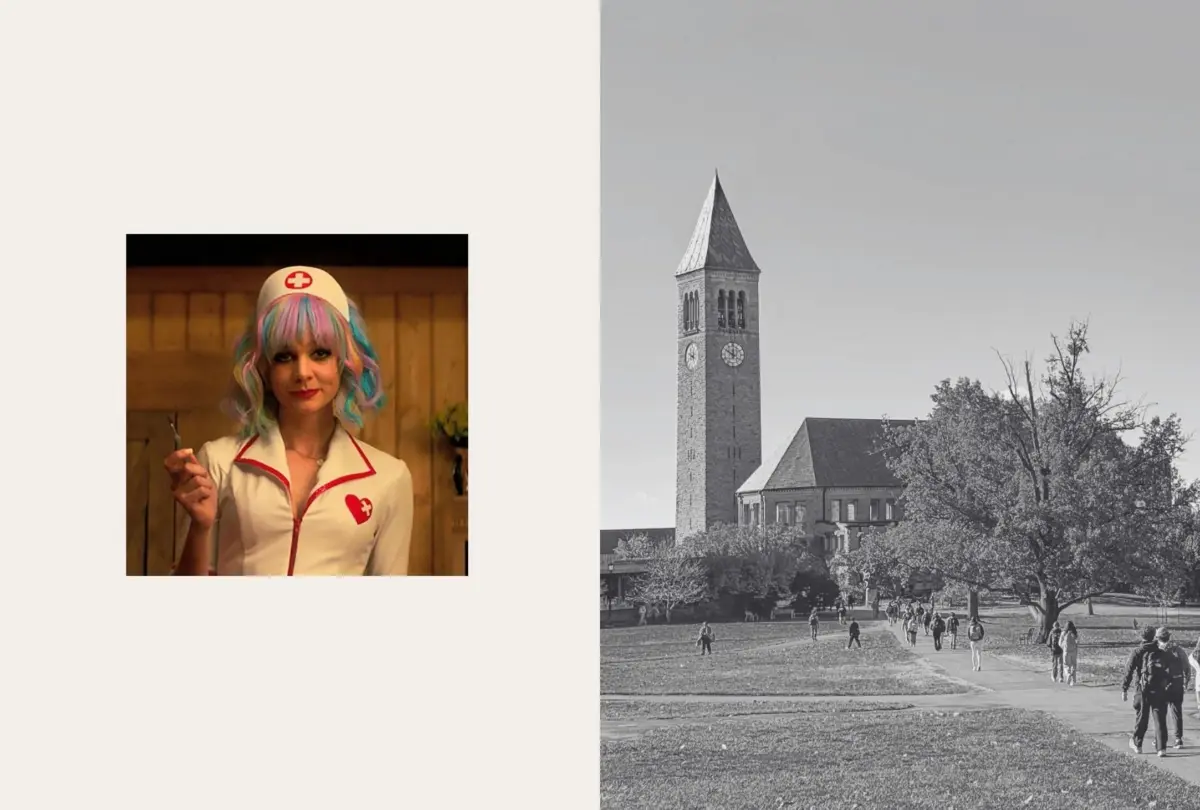
In late September 2026, the quiet campus of Cornell University in Ithaca, New York, became the epicenter of a national conversation surrounding institutional accountability, systemic misogyny, and the lengths to which communities must go to protect their vulnerable members. Four student journalists at The Cornell Daily Sun made the unprecedented and courageous decision to publish the names of seven male students named in a federal-style lawsuit filed by an anonymous plaintiff, known as Jane Doe. The lawsuit alleges that Jane Doe was coerced into taking drugs and subsequently gang-raped by fraternity members at a 2024 party hosted by the campus’s Chi Phi chapter.
The student-led exposé—emblazoned on the front page under the stark headline “Cornell Won’t, We Will”—ignited immediate national scrutiny. It thrust Greek life culture, institutional bureaucratic self-protection, and the intersection of modern social media subcultures into the public crosshairs. Simultaneously, this real-world reckoning has forced a cultural reappraisal of Emerald Fennell’s polarizing 2020 film, Promising Young Woman. Starring Carey Mulligan as a grieving vigilante seeking cosmic and social justice for her best friend’s sexual assault, Fennell’s dark satire was initially received as a stylistic exercise in discomfort. Today, however, the film stands as a prescient mirror reflecting the bleak realities of institutional failures, peer complicity, and the heavy burden placed on survivors who seek accountability when systems of power intentionally look away.
Detailed Chronology of the Cornell University Case
The roots of the current crisis at Cornell extend back nearly two years, tracing a troubling path of administrative opacity and student-led resistance.
- Spring 2024: An anonymous student, identified in court documents as Jane Doe, attends a party at Cornell University’s Chi Phi fraternity house. During the event, she is allegedly coerced into consuming drugs and subjected to a brutal gang rape by seven fraternity members. Evidence and subsequent investigative reporting suggest that elements of the assault may have been documented and shared within insular digital spaces.
- Spring 2024 (Immediate Aftermath): Jane Doe reports the incident directly to the Cornell University Police Department. In response, the university establishes a sexual assault task force and initiates an internal investigation. While the general student body is vaguely alerted to allegations circulating on campus, the specific findings, disciplinary actions, and outcomes of the university’s internal review are kept strictly confidential, hidden behind walls of institutional privacy and administrative protocol.
- September 16, 2026: Frustrated by nearly two years of institutional silence, administrative foot-dragging, and a lack of tangible justice, Jane Doe formally files a civil lawsuit against Cornell University. The legal filing names seven male students as defendants, laying bare the specific allegations of the 2024 Chi Phi assault.
- Late September 2026: Recognizing that the university’s internal processes have failed to provide transparency or public accountability, four student journalists at The Cornell Daily Sun take matters into their own hands. Publishing an editorial titled "Cornell Won’t, We Will," the newspaper prints the names of all seven male defendants on the front page, shattering the veil of institutional anonymity and sparking an immediate, nationwide media firestorm.
- Following Publication: The local district attorney’s office announces it is actively revisiting the case. Cornell University scrambles to respond, releasing an extensive Frequently Asked Questions (FAQ) document that experts and students quickly note contains stark contradictions regarding the timeline and thoroughness of the original Title IX investigation. As protests erupt on campus, the case becomes a watershed moment for modern collegiate accountability.
Supporting Context & Metrics: The Anatomy of Modern Misogyny and Media Complicity
The parallels between the real-world events at Cornell and the fictional universe of Emerald Fennell’s Promising Young Woman highlight a grim cultural continuity. In Fennell’s film, protagonist Cassie Thomas (Carey Mulligan) drops out of medical school following the suicide of her best friend, Nina. Nina was raped while incapacitated at a university party, an assault witnessed, minimized, and ultimately buried by peers, faculty, and administrators—including the university dean, played by Connie Britton.
When Promising Young Woman premiered in late 2020, critics frequently debated its caustic, hyper-stylized tone. Some viewed it as a necessary, razor-sharp critique of #MeToo-era hypocrisy, while others dismissed its revenge-thriller mechanics as cynical or overly bleak. Yet, viewed through the lens of ongoing collegiate scandals, the film’s core thesis is not merely about retributive justice; it is about protection and the systemic infrastructure designed to shield perpetrators while isolating survivors.
The Rise of the "Burnerverse" and Digital Complicity
A terrifying element binding the fictional trauma of Nina’s assault to the real-world allegations at Cornell is the role of digital media. In Promising Young Woman, pivotal evidence—a cell phone video of the assault—is passed around among former classmates who giggled at the footage, treating human degradation as a form of casual entertainment before collective cognitive dissonance set in.
In contemporary academic and social environments, this dynamic has metastasized. As Wired senior writer EJ Dickson and other cultural analysts have noted, the proliferation of digital subcultures—colloquially termed the "burnerverse"—has supercharged traditional toxic masculinity. Speaking on the integration of hard-partying, self-aggrandizing internet personas with predatory behavior, experts emphasize that modern sexual misconduct is frequently fueled by "main character syndrome."
Perpetrators increasingly operate within isolated digital echo chambers, viewing their actions not as crimes, but as viral content designed to bolster an untouchable, hyper-masculine online brand. In both the Cornell Chi Phi allegations—where an alleged Snapchat thread became a focal point of evidence—and the chilling world crafted by Fennell, the barrier between committing an atrocity and broadcasting it for social capital has dangerously dissolved.
Official Statements and Institutional Responses
The fallout from The Cornell Daily Sun’s editorial has forced university administrators into a defensive posture, resulting in a public relations battle between institutional risk management and demands for radical transparency.
- Cornell University Administration: In an effort to quell mounting outrage from students, alumni, and faculty, Cornell released an official FAQ statement addressing the Chi Phi lawsuit. The administration defended its historical handling of the 2024 report, emphasizing adherence to federal Title IX guidelines, student privacy laws, and due process rights. However, legal analysts and student leaders quickly pointed out glaring discrepancies between the university’s defensive posture and the aggressive steps now being taken by the local district attorney.
- The Cornell Daily Sun Editorial Board: Defending their historic decision to bypass administrative discretion, the student journalists who authored "Cornell Won’t, We Will" stood firm in their ethical obligations. Their statement highlighted a fundamental breach of community trust: when institutions prioritize their own legal liability and public relations over the safety and well-being of their students, the journalistic duty shifts from passive reporting to active public protection.
- Legal and Advocacy Communities: Title IX advocates and civil rights attorneys have weighed in heavily on the controversy, noting that Cornell’s reliance on confidential internal investigations has long served as a shield for institutional inaction. The decision by The Cornell Daily Sun has reignited debates over whether the traditional norms of journalistic anonymity for unconvicted defendants must sometimes be broken when institutional systems fail to safeguard the public.
Future Outlook: What the Cornell Rebellions and Promising Young Woman Teach Us
As the dust settles on the initial weeks of the Cornell disclosures, the broader cultural implications are profound. The intersection of The Cornell Daily Sun’s journalistic bravery and the re-examination of Promising Young Woman offers a sobering blueprint for how society must confront systemic sexual violence moving forward.
First, the crisis at Cornell signals a generational exhaustion with bureaucratic platitudes. Gen-Z and millennial students are increasingly unwilling to accept the hollow promises of internal university task forces that operate behind closed doors. The willingness of student journalists to risk institutional retaliation in order to publish names underscores a rising tide of radical accountability—one that demands transparency over institutional self-preservation.
Second, revisiting Fennell’s debut film six years after its release strips away the superficial debates about its genre mechanics. Promising Young Woman was never meant to provide a comforting narrative arc or an easily digestible moral lesson. Instead, it posits that rape culture is not an aberration within our social fabric, but a pervasive, structural baseline. The film’s famously bleak, uncompromising ending refuses to offer the audience a false sense of closure because, in reality, carceral and social justice frequently arrive too late—if they arrive at all.
Ultimately, the courage demonstrated by the staff of The Cornell Daily Sun and the ongoing re-evaluation of Fennell’s cinematic warning converge on a single, vital takeaway: safeguarding the vulnerable is not merely about what communities do to prevent tragedy before it strikes, but how they respond in the grueling, uncomfortable aftermath. When institutional systems fail, the responsibility falls upon collective human vigilance. As both fiction and reality demonstrate, turning the other cheek is no longer an option; the only path forward is to look directly at the decay, name it without fear, and demand fundamental, uncompromising change.