

Executive Overview
Finishing a grueling workout delivers an immediate rush of endorphins, a psychological high that is frequently upended hours later by the arrival of delayed onset muscle soreness (DOMS). This familiar, deep-seated ache can linger for days, transforming everyday tasks—from climbing stairs to lifting grocery bags—into formidable challenges. In response to this universal athletic hurdle, recreational gym-goers are increasingly adopting advanced recovery protocols once restricted to elite training camps and professional sports franchises. Driven by social media influencers and commercial marketing, a multi-billion-dollar ecosystem has emerged around rapid recovery, popularizing everything from sub-zero ice baths and high-pressure compression garments to therapeutic massages and specialized nutritional supplements.
However, a rigorous examination of the scientific literature reveals a more nuanced, and often contradictory, reality. While these trendy interventions frequently promise accelerated recovery, diminished soreness, and enhanced athletic performance, the physiological mechanisms at play tell a different story. In many cases, sidestepping short-term discomfort may inadvertently compromise long-term muscular adaptations. Furthermore, while certain modalities successfully alter subjective perceptions of fatigue, they fail to accelerate the objective restoration of muscle function. This investigative report explores the science behind the four pillars of modern fitness recovery—ice baths, compression garments, massage, and nutritional supplementation—to determine what truly works and what is merely expensive hype.
Detailed Chronology: The Evolution of Post-Exercise Recovery
To understand how recreational fitness culture arrived at its current obsession with high-tech recovery, it is necessary to examine how athletic science and commercial markets have co-evolved over the past several decades.
The Era of Passive Rest (Pre-2000s)
For decades, post-exercise recovery was largely a passive endeavor. Athletes relied primarily on natural rest, adequate sleep, and basic hydration to bounce back from strenuous sessions. While physical therapy and sports massage existed, they were largely reactive treatments reserved for acute injuries rather than proactive tools integrated into daily training cycles. Muscle soreness was universally accepted as an unavoidable rite of passage—the physical tax paid for physical progress.
The Rise of Elite Interventions (2000–2010)
As sports science advanced and millions of dollars began flowing into professional athletics, researchers sought ways to shave fractions of a second off running times and accelerate turnaround times between matches. This era saw the mainstream adoption of cold-water immersion (ice baths) and specialized compression wear, initially validated by studies on elite endurance runners and rugby players. These techniques were designed to blunt acute inflammatory responses, allowing athletes to train harder, more frequently.
The Commercialization and Social Media Boom (2010–Present)
The advent of platforms like Instagram and TikTok democratized access to elite sports culture. Recreational gym-goers gained a front-row seat to the recovery routines of Olympians and professional bodybuilders. Capitalizing on this visibility, a vast wellness industry materialized. High-end home ice bath tubs, smart compression boots, and brightly colored recovery powders flooded the consumer market. Recovery transformed from a clinical, performance-oriented practice into a lifestyle status symbol. Yet, as the consumer market ballooned, the gap widened between what the marketing promised and what peer-reviewed science could actually support.
Supporting Context & Metrics: Deconstructing the Big Four Recovery Modalities
To separate empirical evidence from wellness industry marketing, sports scientists have subjected popular recovery tools to rigorous, controlled trials. The findings challenge several deeply ingrained fitness dogmas.
1. Ice Baths (Cold-Water Immersion)
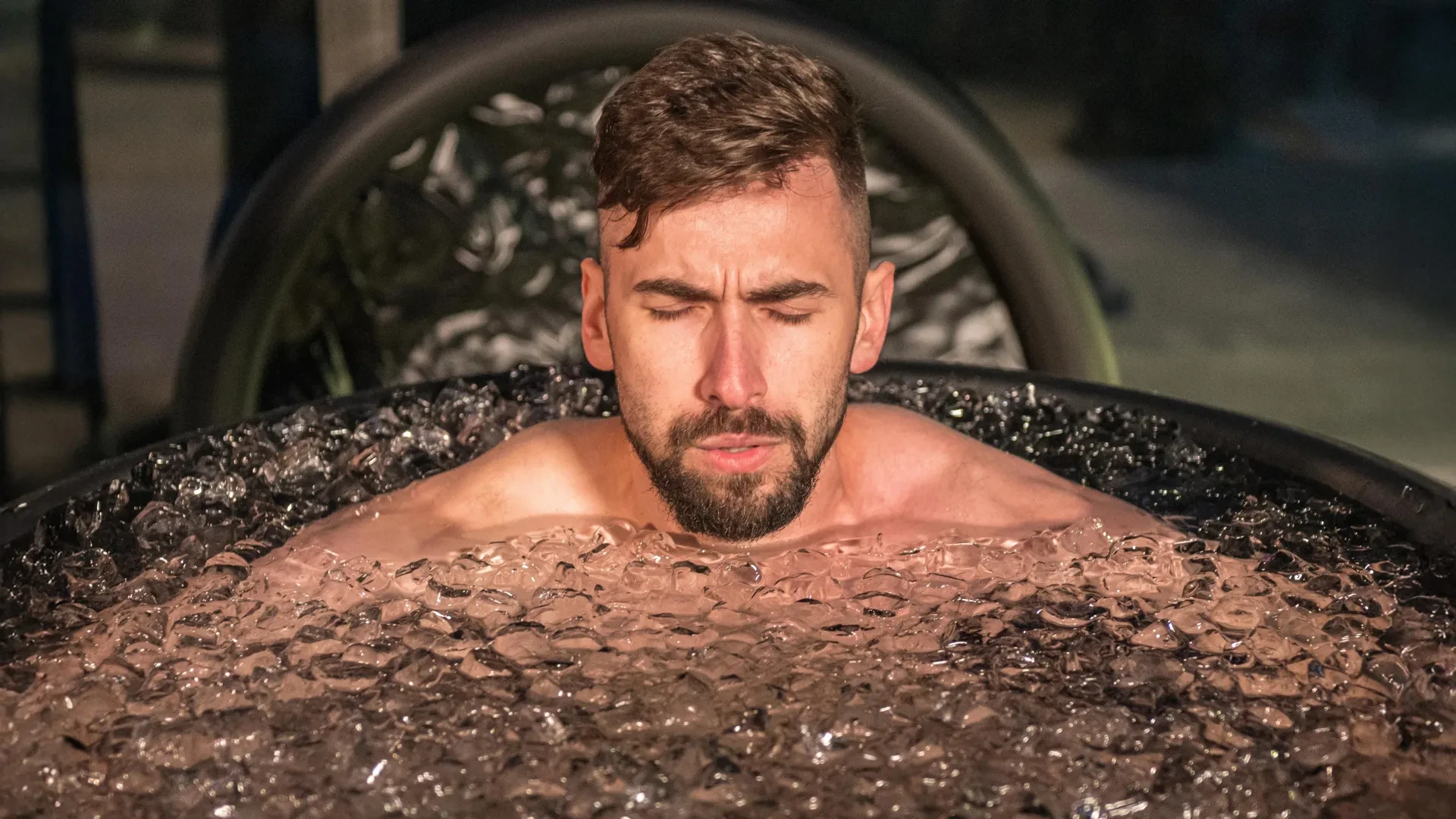
Few recovery strategies command as much attention—or generate as much physical dread—as the ice bath. Typically involving immersion in water below 15°C (59°F), this method is deployed to blunt the body’s acute inflammatory response following high-intensity exercise.
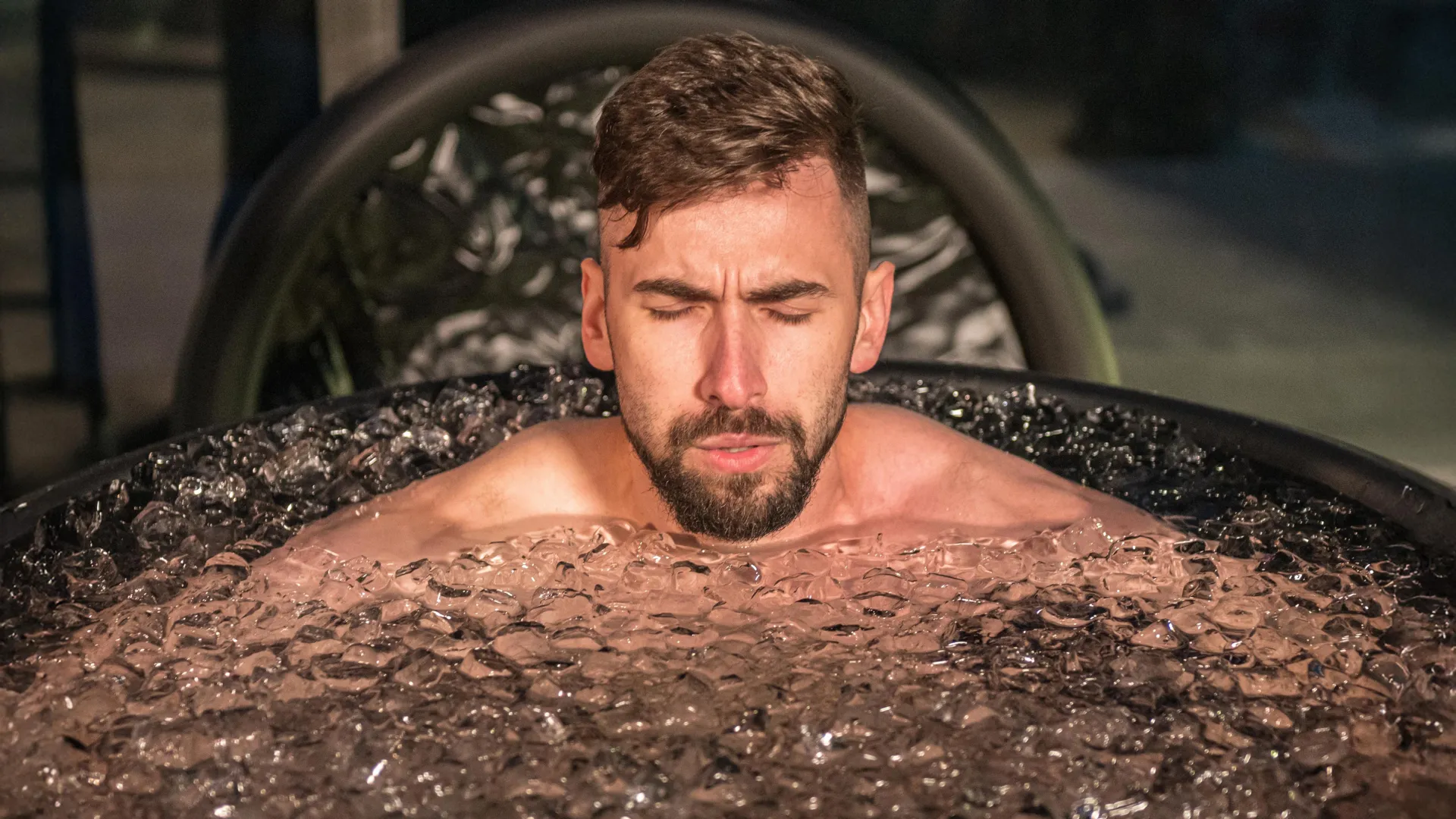
- The Proposed Mechanism: By constricting blood vessels and decreasing metabolic activity, cold exposure reduces localized tissue inflammation. Research indicates this can successfully diminish immediate muscle soreness and help athletes recover basic muscle function within a 24-hour window.
- The Catch: Herein lies the physiological paradox. While inflammation is responsible for the uncomfortable ache of DOMS, it is simultaneously a critical signaling mechanism that triggers cellular adaptations, enabling muscles to repair, grow, and become stronger. Dampening this inflammatory cascade with frequent ice baths can blunt the long-term hypertrophic and strength-building benefits of resistance training.
- The Verdict: Ice baths should not be utilized as a daily post-workout habit. They are best reserved for competition windows or periods of intense, compressed training schedules where rapid turnaround supersedes long-term muscular adaptation.
+-------------------------------------------------------------------+
|                   THE ICE BATH PARADOX                            |
|                                                                   |
|   [Short-Term Benefit]  --> Reduces inflammation and DOMS         |
|   [Long-Term Cost]      --> Blunts muscle growth & strength gains |
+-------------------------------------------------------------------+
2. Compression Garments
Popularized by endurance runners and weightlifters alike, compression tights, sleeves, and socks apply graduated external pressure to the limbs.
- The Proposed Mechanism: The external force is designed to support venous return, enhance blood circulation to recovering muscle tissues, and minimize post-exercise edema (swelling).
- The Evidence: While wearers frequently report subjective feelings of comfort, empirical data demonstrating direct improvements in muscle recovery is less convincing. A landmark 2022 study utilized a clever experimental design, providing one group with real compression garments and another with a placebo tablet falsely marketed as an equally effective mechanical alternative. The results showed that while compression genuinely improved physiological markers like blood flow—changes the placebo failed to elicit—these alterations did not directly translate to accelerated restoration of muscle function.
- The Verdict: Compression garments primarily aid recovery through psychological reassurance and minor physiological support. They make you feel better, but they are not a biological silver bullet for muscle repair.
3. Massage
Massage therapy remains one of the few interventions supported by relatively consistent scientific literature regarding its psychological and subjective benefits.
- The Proposed Mechanism: While the exact biological pathways remain debated, therapeutic massage is hypothesized to reduce myofascial stiffness, enhance local blood circulation, and stimulate the parasympathetic nervous system, thereby boosting overall relaxation.
- The Evidence: Clinical reviews confirm that massage reliably reduces subjective ratings of soreness and significantly improves perceived recovery. However, when researchers measure objective markers of performance—such as explosive power output and force production—the effects are modest and inconsistent.
- The Verdict: Massage is an exceptional tool for managing training discomfort and promoting relaxation, but users should not expect it to magically restore peak muscle performance in the absence of physiological rest.
4. Recovery Supplements
The nutritional supplement market is a multi-billion-dollar enterprise characterized by vividly colored powders, RTD (ready-to-drink) shakes, and capsules. A critical analysis reveals a stark divide between heavily marketed compounds and rigorously proven nutrients.
- Whey Protein: Highly researched and biologically robust. Rich in essential amino acids, particularly branched-chain amino acids (BCAAs), whey stimulates muscle protein synthesis—the molecular process underlying muscle growth. While it offers small-to-moderate benefits for overall recovery, evidence regarding its ability to directly alleviate DOMS remains inconsistent.
- Branched-Chain Amino Acids (BCAAs): Despite dominating supplement aisles, BCAAs (leucine, isoleucine, valine) are increasingly viewed by researchers as inferior to complete protein sources. Muscle tissue repair requires a full complement of all essential amino acids, not just the three found in BCAAs. Whole foods like chicken, beef, salmon, and tofu inherently provide this complete amino acid profile.
- Tart Cherry Juice: An emerging darling of the endurance world, tart cherry juice is rich in polyphenols—potent plant compounds with established anti-inflammatory and antioxidant properties. Emerging clinical trials indicate that tart cherry juice has small-to-moderate effects on reducing post-workout soreness and assisting in the restoration of muscular strength.
- Omega-3 Fatty Acids (Fish Oil): Touted for their systemic anti-inflammatory effects, omega-3 supplements can modestly reduce muscle soreness and protect muscle function during strenuous exertion. However, results across clinical trials remain inconsistent, suggesting they are helpful dietary adjuncts rather than miraculous recovery agents.
Official Statements and Expert Perspectives
The consensus emerging from the sports science community is shifting away from commercial gimmicks and returning to fundamental physiological principles.
Dr. Jonathan Peake, an exercise scientist who has extensively researched post-exercise inflammation and recovery, notes: "There is a fundamental biological trade-off in fitness. The very processes that cause discomfort—acute inflammation and cellular stress—are the exact triggers the body uses to adapt, rebuild, and grow stronger. When we aggressively try to shut down inflammation with cold plunges or high-dose anti-inflammatory protocols after every single workout, we run the risk of blunting our own hard work."
Furthermore, registered sports dietitians consistently emphasize the supremacy of whole-food nutrition over isolated supplements. Nutritional biochemists point out that whole foods offer synergistic nutrient interactions that isolated powders simply cannot replicate. As one leading clinical researcher summarized: "You cannot out-supplement a poor diet, inadequate sleep, and chronic stress. The wellness industry wants consumers to believe recovery can be bottled, purchased, and consumed. In reality, biological recovery is a physiological process dictated by time, nutrition, and rest."
Future Outlook: What Actually Works?
As the fitness industry matures past the era of unbridled biohacking and commercial hype, the future of recovery points toward personalization and a renewed focus on fundamental lifestyle practices.
Instead of chasing the latest social media trend, sports scientists advocate for mastering the foundational triad of recovery:
- Sleep: The non-negotiable cornerstone of physical repair. During deep sleep, growth hormone release peaks, facilitating optimal tissue repair and central nervous system recovery.
- Nutrition: A balanced, whole-food diet rich in complete proteins, complex carbohydrates, healthy fats, and antioxidant-dense micronutrients provides all the raw materials necessary for cellular regeneration.
- Periodized Training: Managing training volume and intensity (progressive overload balanced with scheduled deload weeks) prevents the accumulation of debilitating fatigue in the first place, reducing reliance on emergency recovery interventions.
Ultimately, while ice baths, compression gear, and targeted supplements have their respective niches in competitive athletics, recreational gym-goers must recognize a humbling biological truth: true recovery cannot be bottled, marketed, and sold. It remains an organic process rooted in consistency, patience, and biological fundamentals.