

Executive Overview
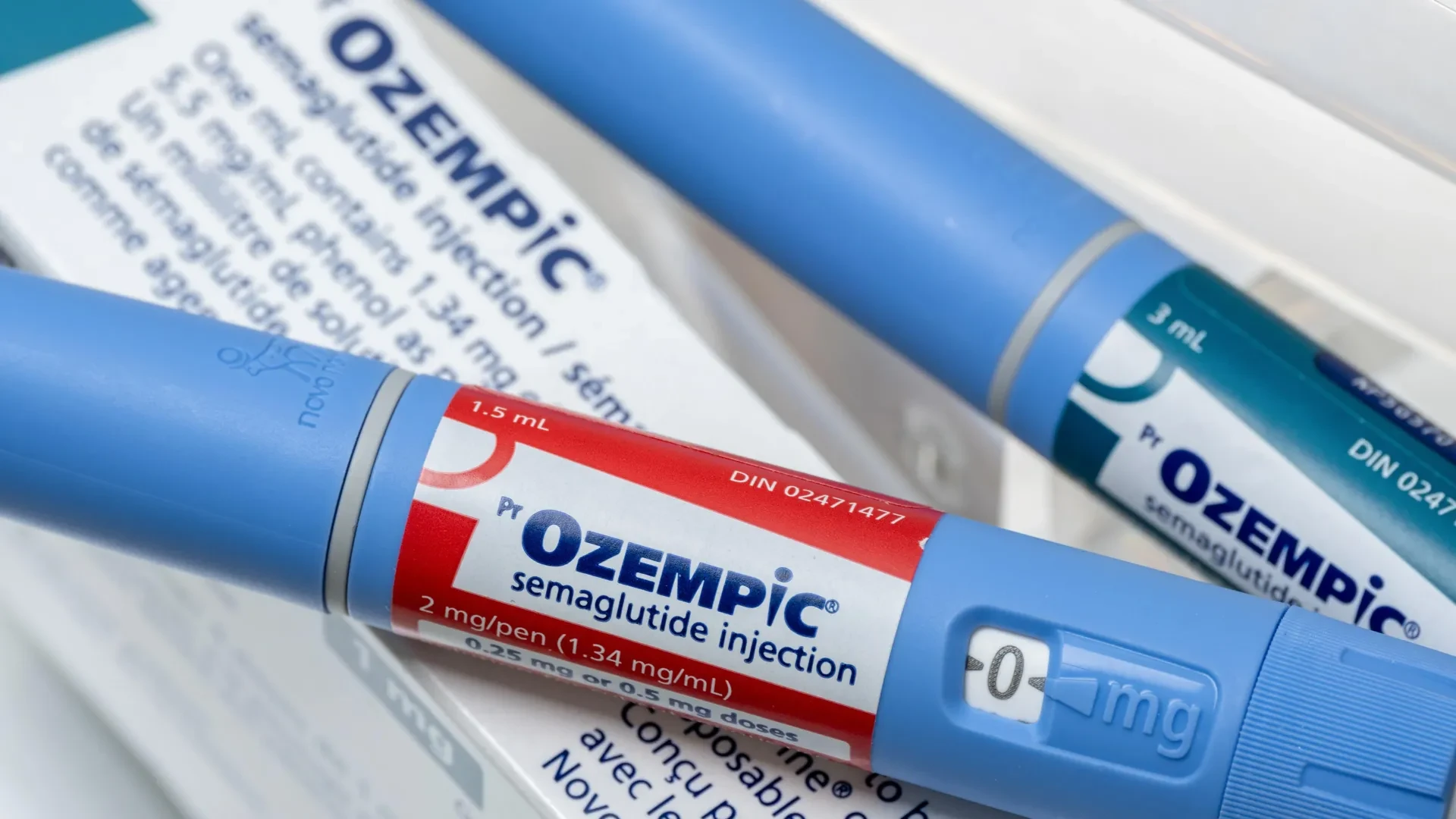
In the era of modern medicine, few pharmaceutical breakthroughs have captured public imagination and transformed global healthcare quite like the class of medications known as glucagon-like peptide-1 receptor agonists, or GLP-1s. Marketed under household names such as Ozempic, Wegovy, Mounjaro, and Zepbound, these drugs have reshaped the landscapes of endocrinology and weight management. Millions of patients worldwide rely on them not only to manage Type 2 diabetes and achieve sustainable weight loss, but also to mitigate secondary cardiovascular and renal risks.
However, as prescription rates skyrocket and these medications transition from specialized treatments to cultural phenomena, the scientific community faces an imperative mandate: rigorous, continuous post-market surveillance.
A groundbreaking, large-scale study led by researchers at Rutgers University has injected a note of caution into the prevailing enthusiasm. Published in the Annals of Internal Medicine, the research has identified a potential, previously under-recognized vision risk associated with widely used GLP-1 medications. According to the findings, patients taking these drugs may face a slightly elevated risk of developing a rare, debilitating eye condition known as ischemic optic neuropathy—an affliction capable of causing sudden and potentially permanent vision loss.
While the absolute risk identified by the Rutgers team remains statistically low, the clinical severity of the condition elevates the study to critical importance. Ischemic optic neuropathy occurs when blood flow to the optic nerve is compromised, starving the vital neural pathway that transmits visual information from the retina to the brain. Because the resulting damage can manifest rapidly and often leaves permanent deficits, the study’s authors emphasize that both prescribing clinicians and patients must remain vigilant.
This comprehensive report examines the methodology and findings of the Rutgers study, details the physiological mechanisms of the eye condition in question, contextualizes the metrics within the broader debate over GLP-1 safety, shares official commentary from the researchers, and projects what this means for the future of metabolic therapeutics and patient care.
Detailed Chronology and Study Methodology
To understand the weight of the Rutgers findings, one must examine how the research was conducted. The investigation was spearheaded by a multidisciplinary team from the Center for Pharmacoepidemiology and Treatment Science at the Rutgers Institute for Health, Health Care Policy and Aging Research, alongside colleagues from the Ernest Mario School of Pharmacy and the Rutgers School of Public Health.
Pinpointing the Population
The research team set out to analyze real-world healthcare data to evaluate the safety profiles of newer diabetes and weight-loss therapies. They focused their analysis on a large, robust database comprising health records of United States adults aged 18 to 65 diagnosed with Type 2 diabetes.
Within this cohort, researchers isolated patients who had recently initiated regimens designed to manage their blood sugar and metabolic health—specifically focusing on those prescribed GLP-1 receptor agonists like semaglutide and tirzepatide. By comparing the incidence rates of specific ocular events between patients taking GLP-1s and those managing their conditions through alternative therapeutic pathways, the team sought to uncover any statistically significant correlations.
Unveiling the Association
The analytical models revealed a modest, yet statistically significant, association between the use of GLP-1 medications and the onset of non-arteritic anterior ischemic optic neuropathy (NAION). Though the incidence rate of the condition remained low overall within the broad demographic examined, the elevated risk among GLP-1 users demanded formal scientific documentation and public awareness.
The researchers were careful to maintain methodological rigor throughout the process. They accounted for confounding variables—such as baseline health disparities, pre-existing vascular conditions, and variations in glycemic control—to isolate the medication variable as cleanly as possible within observational data limitations. The publication of these findings in the Annals of Internal Medicine signaled to the global medical community that while the benefits of GLP-1s remain profound, their long-term ocular safety profile warrants dedicated, ongoing scrutiny.
Supporting Context & Metrics: Decoding the Data
To fully grasp what the Rutgers study implies for individual patients, it is essential to dissect the numbers, understand the underlying eye pathology, and examine the broader landscape of GLP-1 pharmacology.
The Numbers: Quantifying the Risk
In epidemiology, distinguishing between relative risk and absolute risk is vital for preventing public panic while ensuring informed consent. The Rutgers study highlighted an increase in relative risk, but the absolute risk—the actual number of individuals likely to be affected—remains small.
To put the metrics into perspective:
- The Incidence Rate: The researchers estimated an increase of approximately three to four additional cases per 10,000 patients treated with GLP-1 receptor agonists over an 18-month monitoring window.
- The Patient Profile: The risk was not uniformly distributed across the study population. Cases of ischemic optic neuropathy were notably more prevalent among male patients and adults in the older bracket of the cohort—specifically individuals aged 50 to 65.
- The Severity Spectrum: Over 80% of ischemic optic neuropathy cases are estimated to involve the non-arteritic anterior form (NAION), where the blood supply to the anterior (front) portion of the optic nerve becomes critically insufficient.
What is Ischemic Optic Neuropathy?
The optic nerve acts as the data cable connecting the eye to the visual processing centers of the brain. When its blood supply is restricted—whether through localized vascular occlusion, systemic blood pressure fluctuations, or other physiological mechanisms—the nerve tissue suffers ischemic injury.
Unlike other tissues in the body, the central nervous system, including the optic nerve, has a very limited capacity for regeneration. Consequently, damage to the optic nerve often results in permanent visual impairment.
- Clinical Presentation: Patients experiencing NAION typically do not suffer total, painless darkness overnight; instead, they usually notice a sudden, painless loss of vision in one eye. This often manifests as blurriness, a darkened area, a missing patch in the visual field (a scotoma), or a sensation that a curtain has been drawn across part of their vision.
- Recovery Projections: According to clinical data cited by the researchers, approximately one-third of affected patients experience some degree of visual recovery, typically occurring within the first six months following the acute event. However, even when recovery takes place, residual visual impairment is the norm rather than the exception.
The Expanding Universe of GLP-1 Medications
The urgency of safety monitoring for GLP-1s is directly tied to their meteoric rise in popularity. Originally developed exclusively for the management of Type 2 diabetes by mimicking the body’s natural incretin hormones to stimulate insulin secretion and suppress appetite, these drugs have transformed into frontline treatments for chronic weight management.
Today, formulations containing semaglutide (such as Ozempic for diabetes and Wegovy for obesity) and tirzepatide (Mounjaro and Zepbound) are prescribed to millions of individuals worldwide. Beyond glycemic control and weight loss, robust clinical trials have demonstrated that these medications can significantly reduce cardiovascular morbidity and mortality, as well as slow the progression of chronic kidney disease.
Because these drugs are now prescribed to a vast, heterogeneous population—often for decades-long or lifelong use—detecting rare adverse events like NAION is paramount to modern pharmacovigilance.
Official Statements and Expert Perspectives
The implications of the Rutgers study have reverberated through clinical endocrinology and ophthalmology circles, prompting thoughtful commentary from the study’s authors and healthcare leaders.
Dr. Chintan Dave, a core faculty member at the Center for Pharmacoepidemiology and Treatment Science at the Rutgers Institute for Health, Health Care Policy and Aging Research, and lead author of the study, emphasized the balance between clinical utility and patient awareness.
"Although ischemic optic neuropathy was rare, it is clinically important because it can involve sudden vision loss," Dr. Dave stated. "The increase in risk was small—approximately three to four additional cases per 10,000 patients treated with GLP-1s over 18 months, but clinicians and patients should be aware of this potential association."
Addressing the specific demographic patterns identified in the research, Dr. Dave—who is also an associate professor at the Ernest Mario School of Pharmacy—highlighted the need for targeted vigilance among high-risk groups:
"Most patients in our study who had ischemic optic neuropathy were either men or men and women aged 50 to 65. Because ischemic optic neuropathy can present with sudden vision loss, which may be permanent, early recognition of symptoms and prompt ophthalmologic evaluation may be especially important for patients at higher baseline risk."
A Call for Scientific Caution
Crucially, the Rutgers research team has been careful to frame their findings through an objective, scientific lens. The study demonstrates an association between GLP-1 use and ischemic optic neuropathy; it does not definitively prove a direct, causal mechanism wherein the drug molecules themselves structurally damage the optic nerve.
Other confounding factors—such as underlying microvascular complications associated with long-standing diabetes, systemic hypertension, sleep apnea, or distinct anatomical features of the optic disc (often referred to in ophthalmology as a "crowded disc")—could contribute to the observed statistical correlation.
The research team—which included Kamika Reynolds and Kimberly O’Malley of the Institute for Health, alongside Jason Roy of the Rutgers School of Public Health—underscores that further mechanistic and clinical research is urgently required to untangle these variables.
Future Outlook: Balancing Innovation and Safety in Metabolic Care
As the medical community digests the Rutgers findings, the overarching consensus is clear: panic is unwarranted, but proactive vigilance is essential. The discovery of a potential vision risk should not deter patients for whom GLP-1 medications are life-changing or life-saving interventions. Instead, it serves as a reminder of the complex calculus inherent in modern pharmacology, where every powerful therapeutic agent carries a profile of potential risks alongside its benefits.
Implications for Clinical Practice
In light of these findings, healthcare providers are encouraged to adopt a holistic approach when prescribing GLP-1 receptor agonists:
- Informed Risk Discussion: Clinicians should incorporate ocular health discussions into their initial consultations, particularly when evaluating patients with pre-existing vascular risk factors, men, and individuals aged 50 to 65.
- Patient Education: Patients should be educated on the warning signs of NAION—such as sudden blurring, dimming, or loss of vision in one eye—and instructed to seek immediate emergency ophthalmologic evaluation if such symptoms occur.
- Interdisciplinary Collaboration: Strengthening communication channels between endocrinologists, primary care physicians, and ophthalmologists will ensure that patients experiencing early, subtle visual anomalies receive rapid diagnostic attention.
The Road Ahead for Research
The scientific journey sparked by this study is far from complete. Future research initiatives must focus on prospective clinical trials and deeper mechanistic studies to determine whether GLP-1 medications exert a direct physiological effect on ocular blood flow or optic nerve metabolism. Furthermore, as new generations of multi-receptor agonist therapies enter the clinical pipeline, continuous post-market surveillance will remain the bedrock of patient safety.
Ultimately, the Rutgers study exemplifies the gold standard of modern scientific inquiry: transparently reporting potential risks, contextualizing them within real-world data, and empowering patients and physicians with the knowledge needed to make safe, informed healthcare decisions in a rapidly evolving medical landscape.