

Executive Overview
The fundamental tensions governing the relationship between American political figures, the legal protections of the First Amendment, and the shifting dynamics of modern journalism have once again taken center stage. In recent weeks, the judiciary has delivered a decisive, albeit temporary, rebuke to the executive branch’s attempts to restrict media access, ruling that the administration’s ban on specific news outlets likely violates core constitutional tenets. Simultaneously, local politics have provided a stark reminder of the widening chasm between elected officials and the reporters covering them, highlighted by a contentious exchange involving a senior lawmaker and a student journalist.
Beyond the courtroom and the campaign trail, the media industry continues to grapple with dramatic changes in consumer behavior and corporate strategy. From the dramatic fluctuations in Sunday evening television ratings driven by the NFL’s broadcast dominance to the fallout of high-profile departures within network sports broadcasting, the media ecosystem is undergoing a profound structural reevaluation. This report provides an in-depth examination of these developments, exploring the legal battles over White House access, the viral confrontation involving congressional oversight and public recording laws, and the broader economic and institutional shifts shaping the future of journalism.
Detailed Chronology of Legal and Political Confrontations
The White House Press Pass Battle: A Constitutional Standoff
The ongoing legal skirmish between major news organizations and the executive branch reached a critical juncture when U.S. District Judge Timothy J. Kelly issued a decisive ruling protecting press access. The conflict began when the Trump administration barred representatives from CNN, MS NOW, and Politico from the White House complex, a move widely interpreted as retaliation for critical coverage.
Judge Kelly’s ruling mandates that the administration must restore press credentials to the affected outlets while their broader lawsuit seeking to permanently overturn the ban winds its way through the federal court system. This latest decision follows a 14-day temporary restraining order and a subsequent extension granted by the judge as he evaluated requests for preliminary relief.
In his comprehensive memorandum opinion, Judge Kelly indicated that the administration had not only violated the news outlets’ Fifth Amendment rights to due process—a point he raised in earlier proceedings—but had also likely infringed upon their First Amendment protections. Central to the judge’s reasoning was the public record of the president’s own statements, which established a clear causal link between the outlets’ protected speech and the revocation of their hard passes.
"President Trump likely banned Plaintiffs from the White House because he believes that their reporting is generally inaccurate and biased against him," Judge Kelly wrote, directly dismantling the administration’s retroactive national security justifications.
The administration has vowed to appeal the decision, dismissing the ruling as "misguided" and maintaining that the restrictions were enacted under the umbrella of national security. However, Judge Kelly flatly rejected this defense, noting a complete lack of contemporaneous evidence or direct official statements indicating that national security concerns motivated the initial ban.
Capitol Hill Flashpoint: Representative Andy Harris and the Student Journalist
While federal courts wrestled with the boundaries of executive power, a starkly different clash over press freedom unfolded at the local level during a congressional debate in Maryland. Republican Representative Andy Harris, seeking his ninth term in the House and serving as a senior member of the House Freedom Caucus, experienced a tumultuous evening that quickly went viral.
During a debate against Democratic challenger Dan Schwartz, an attempt by Harris to pin rising diesel costs on Democratic environmental regulations was met with widespread public mockery, laughter, and jeers from the audience. Visibly frustrated, Harris lashed out at the crowd, accusing them of hypocrisy regarding First Amendment principles.
The situation escalated dramatically after the debate during a media availability session. Harris targeted Cat Murphy, a graduate student reporter for Capital News Service—a student-powered newsroom operated by the University of Maryland Philip Merrill College of Journalism. As Murphy and other reporters attempted to question the congressman, Harris aggressively demanded that she cease recording.
"You don’t have my permission to record. If you record, we will refer you to the prosecutor," Harris stated, incorrectly asserting that Murphy was violating Maryland’s wiretapping statutes. Harris repeatedly insisted that because Maryland is a "two-party consent" state, recording the interaction without his explicit permission was illegal.
Legal experts and media observers swiftly pointed out the fundamental flaw in the congressman’s argument. Two-party consent laws strictly apply to private oral communications where individuals possess a reasonable expectation of privacy. A public post-debate media availability session involving a sitting member of Congress and credentialed journalists carries zero expectation of privacy.
Despite Harris demanding that an officer intervene and calling for Murphy’s camera to be confiscated, the student journalist maintained her composure, continuing to question him on substantive foreign policy matters, including the conflict involving Iran. Refusing to answer, Harris abruptly stormed away, blaming Murphy for ruining the availability for her peers. The incident drew widespread condemnation from prominent journalists across the political spectrum, who labeled the lawmaker’s behavior an embarrassing misunderstanding of constitutional law and public accountability.
Supporting Context and Metrics: Ratings, Reach, and Economic Realities
The Influence of NFL Lead-Ins on Television Audiences
The economic viability of traditional broadcast media remains inextricably linked to live sports programming, a reality underscored by recent Nielsen ratings fluctuations for CBS’s flagship newsmagazine, 60 Minutes.
Following a celebratory week in which the program surged past the 10-million-viewer threshold for the first time in the current season—bolstered by a high-stakes, late-window NFL matchup between the Kansas City Chiefs and the Las Vegas Raiders—the show experienced a precipitous drop. The subsequent episode, featuring Lesley Stahl’s reporting from the West Bank, drew 6.061 million viewers. According to industry analysts, this represented the lowest-rated fourth episode of a 60 Minutes season in the 21st century.
The primary driver of this volatility is the absence of a favorable NFL lead-in. While the previous week benefited from CBS broadcasting the premier late-afternoon game, the subsequent Sunday featured the marquee matchup on Fox, leaving CBS without the massive audience retention effect that pro football traditionally provides to evening news programming.
The Tony Romo Departure and Network Shifting
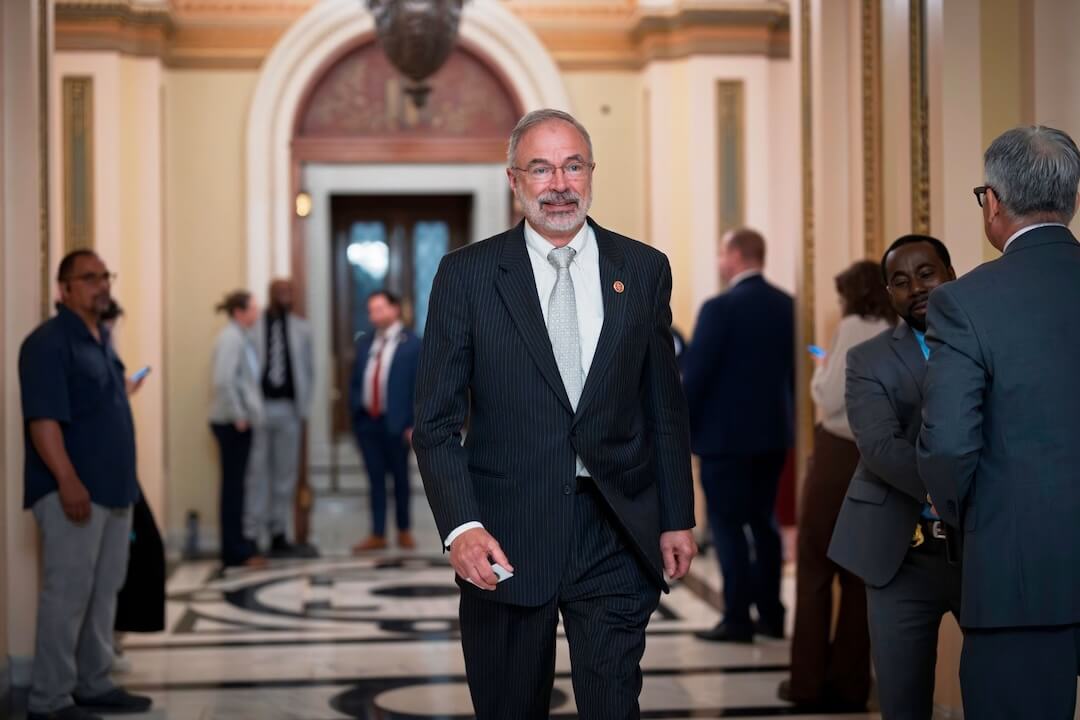
In sports broadcasting boardrooms, structural shifts continue to generate headlines. Jim Nantz, the premier play-by-play voice for CBS Sports, broke his public silence regarding the departure of his longtime broadcast partner, Tony Romo.
Romo’s tenure with CBS came to an end following his suspension over the summer stemming from an arrest on suspicion of driving while intoxicated in Wisconsin. Although Romo still had four financial years and a reported $72 million remaining on his contract—with industry insiders suggesting he will receive a substantial portion of that buyout—CBS elected to permanently move on from the former quarterback, turning temporarily to defensive stalwart J.J. Watt.
Reflecting on the partnership during a podcast appearance, Nantz emphasized the enduring personal nature of their relationship while acknowledging Romo’s immense talent and future marketability in the entertainment and sports media space. The transition marks one of the most significant shake-ups in top-tier NFL broadcast booths in recent memory, reflecting networks’ growing sensitivity to off-air conduct and changing audience sentiment.
Official Statements and Institutional Responses
The broader implications of these legal and cultural flashpoints drew pointed commentary from media executives, legal advocates, and institutional leaders.
- Ted Boutrous (Lead Attorney for the Media Outlets): Emphasized the gravity of the executive branch’s actions in a formal statement, noting, "When the President issued his ‘ban on the free press,’ he blatantly and explicitly violated due process and the First Amendment. Since then, the President has repeatedly, candidly, and consistently admitted in public that he banned our clients from the White House to punish reporting he doesn’t like…"
- Bruce D. Brown (President, Reporters Committee for Freedom of the Press): Celebrated the judicial intervention, stating, "The court has put an end to a blatantly unconstitutional attempt to punish news outlets for coverage the president doesn’t like. The decision protects not only CNN, MS NOW, and Politico, but all the other holders of White House passes who continued to work under the threat of retaliation…"
- Mark Thompson (CNN Executive Leadership): During a rare on-air appearance and in a memo to staff, Thompson adopted an uncompromising stance regarding the network’s legal battle. He characterized the preliminary injunction as a significant vote of confidence in foundational democratic freedoms, declaring, "This topic is one we’re never going to back down from. And no matter how many court cases, investigations, court appearances and all the expense that that entails, we will fight this one to the end."
Future Outlook
As these legal battles and cultural conflicts evolve, the landscape of American journalism faces a dual challenge: defending structural access against executive overreach and educating public officials on the constitutional rights of reporters in public forums.
The impending appeal by the administration ensures that the White House press pass dispute will likely test higher appellate courts, ultimately establishing critical legal precedents regarding the limits of executive discretion and First Amendment retaliation. Concurrently, the viral scrutiny faced by lawmakers like Representative Andy Harris highlights an urgent need for institutional training regarding public records, recording laws, and the essential role of the press—ranging from elite network correspondents to university student journalists—in maintaining transparent democratic governance.
Ultimately, the resilience demonstrated by media organizations, legal advocacy groups, and emerging reporters underscores an unwavering commitment to accountability. Whether in federal courtrooms, congressional hallways, or broadcast booths, the ongoing defense of a free and unhindered press remains vital to the health of American democracy.