

Executive Overview
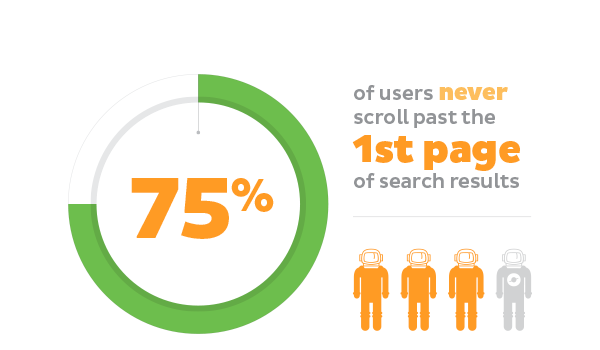
In the digital landscape, visibility is everything. With over 3.5 billion searches processed daily, Google remains the undisputed gateway to information, commerce, and digital success. Yet, the brutal reality of search engine optimization (SEO) is underscored by a sobering statistic: approximately 75% of users never scroll past the first page of search results. As industry lore famously notes, "The best place to hide a dead body is page 2 of the Google search results."
Achieving and maintaining a position on Google’s coveted front page is no longer a straightforward task of keyword stuffing or basic meta-tag optimization. Modern Search Engine Results Pages (SERPs) have evolved into complex, highly competitive ecosystems crowded with Paid Per Click (PPC) advertisements, Google Local Map Packs, Featured Snippets, knowledge panels, and interactive carousels. For businesses—ranging from nimble startups to established enterprises—relying solely on traditional organic rankings for their own web properties is often insufficient to capture high-intent traffic.
To successfully navigate this high-stakes environment, digital marketers and business owners must deploy a sophisticated arsenal of tactics. This comprehensive report examines thirteen actionable strategies—spanning quick-win optimizations, structural cleanup, alternative authority-building models, and paid interventions—designed to secure front-page visibility in any industry, with or without relying exclusively on your primary domain.
Detailed Chronology & Evolution of the Modern SERP
Understanding how to conquer the modern search landscape requires examining how search results have transformed over the past decade. Historically, a Google SERP featured a predictable layout: a row of paid text ads at the top, followed by ten distinct blue links representing organic web pages. Today, that linear layout has been disrupted by algorithmic shifts and user-experience enhancements designed to deliver answers instantly.

The Rise of SERP Real Estate Fragmentation
As Google shifted toward becoming an "answer engine" rather than merely a directory of links, the structural composition of the first page fractured. Modern webmasters must now contend with a crowded hierarchy:

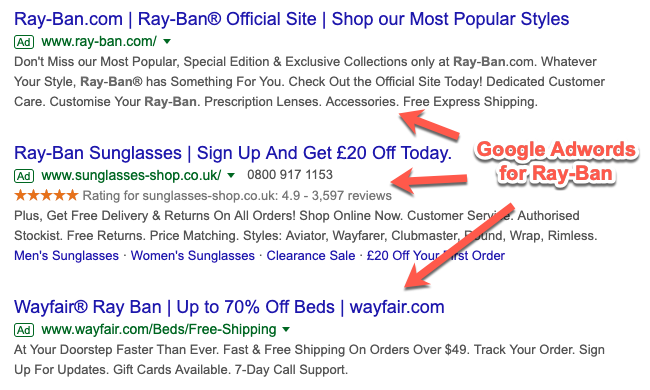
- PPC Advertisements: Prominently featured at both the very top and bottom of the page, commanding immediate attention and diverting clicks away from organic listings.
- Local Map Packs: Dominating geographic and local intent queries, placing map pins and localized business profiles front and center.
- Featured Snippets (Position Zero): Pulling direct answers out of web pages and displaying them in a prominent box above the traditional organic rankings.
- Related Questions (People Also Ask): Expanding interactively to trap users within the Google ecosystem before they ever click through to a publisher’s site.
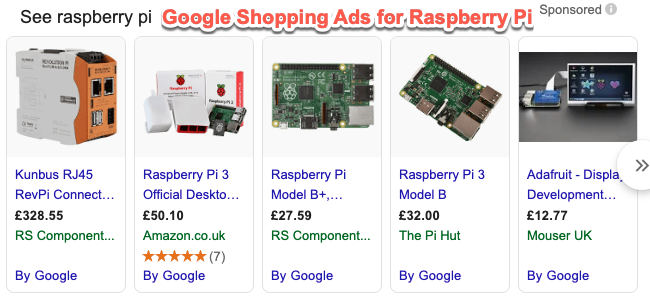
- Google Shopping Ads: Visually rich product carousels capturing high-commercial-intent e-commerce traffic.
Faced with this fragmentation, SEO practitioners must adopt dynamic, multi-pronged approaches. Success is no longer defined strictly by holding the #1 organic spot, but by capturing diverse real estate across the entire SERP.

Supporting Context & Metrics: 13 Ways to Get Your Website on the First Page
To master modern search visibility, digital strategists must implement a structured, data-driven framework. Below are thirteen foundational tactics, complete with industry-tested methodologies, designed to elevate your brand onto Google’s first page.
1. Start with Your Existing Keyword Opportunities (Quick Wins)
If your website has been active for any length of time, you likely sitting on a goldmine of unrealized search equity. Instead of constantly churning out new content, focus on optimizing existing pages that are currently languishing in "striking distance" positions (ranks 6 through 20).

- Identify Low-Hanging Fruit: Using tools like Semrush, pull your domain’s organic research report and apply a custom position filter for ranges between 6 and 20. Layer on advanced filters such as a minimum search volume (e.g., 100+), maximum keyword difficulty (KD% under 49%), and a word count of three or more.
- Prioritize by Intent: Focus your relaunch efforts starting at the bottom of the marketing funnel ("money" keywords like product or service pages) and work your way up to informational queries.
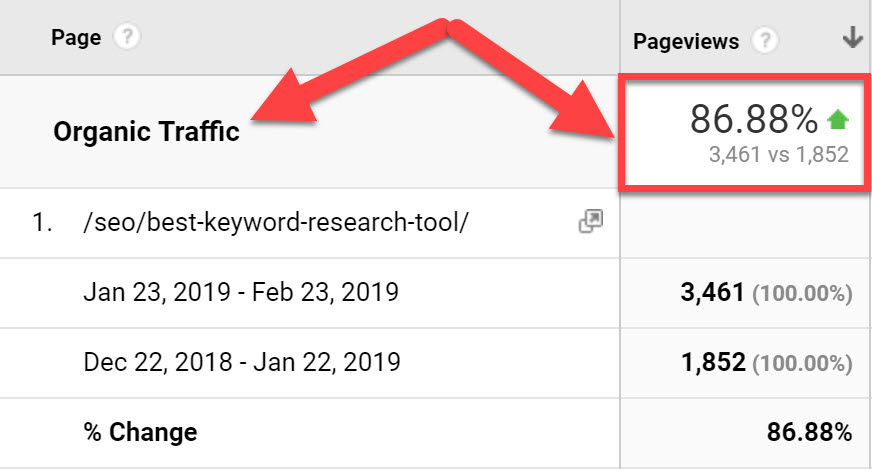
- Content Refresh: Update statistics, expand thin sections, add comprehensive subtopics, and improve internal linking to signal to Google that the page is actively maintained and highly relevant.
2. Find and Eliminate Keyword Cannibalization
Keyword cannibalization occurs when multiple pages on your domain compete for the exact same search query. Far from doubling your chances of ranking, this splits your backlinks, shares, and user signals across competing URLs, causing Google to frequently deprioritize or ignore both pages entirely.
- Audit Your Index: Export your organic positions report to a CSV file and cross-reference the URLs ranking for identical search phrases.
- Consolidate or Prune: If competing pages offer overlapping value, merge them into a single, comprehensive canonical resource and establish a 301 redirect from the deprecated URL. If a competing page offers no unique value, safely delete or redirect it to clear algorithmic confusion.
3. Steal Position Zero with Featured Snippets
Securing Position #0—the Featured Snippet—allows you to bypass traditional ranking hierarchies. Studies from Ahrefs indicate that the URL occupying the featured snippet steals approximately 8.6% of clicks directly from the #1 organic position.

- Target Existing Snippets: Identify keywords where your site already ranks on page one (positions 2 through 10) while a competitor holds the snippet. Restructure your content using concise paragraphs, bulleted lists, or comparison tables directly beneath clear header tags to capture Google’s attention.
- Mine Competitor Snippets: Use SEO toolkits to filter for competitor-owned snippets in your niche, then reverse-engineer their formatting to deliver a superior, more direct answer.
4. Get Ranked in the Google Map Pack
For any business with a physical location or a designated service area, the Google Map Pack is non-negotiable. Because Google dynamically filters queries based on the user’s geolocation, local map results frequently appear above traditional organic listings.

- Optimization Pillars: According to Google’s official ranking guidance, local visibility is determined by three core pillars: Relevance (how closely your Business Profile matches a searcher’s query), Distance (how far your location is from the searcher or search coordinates), and Prominence (how well-known your business is, measured via reviews, citations, and traditional SEO authority).
5. Target Low-Competition, High-Intent Long-Tail Queries
Long-tail keywords—search phrases consisting of three or more words—typically exhibit lower monthly search volume but significantly higher conversion intent. Users searching for a broad term like "TV" are browsing; users searching for "Sony 50 inch 4K TV under $1000" are ready to buy.

- Execution: Leverage Semrush’s Keyword Magic Tool or competitor keyword mining reports to isolate question-based and long-tail semantic variations. Integrate these naturally into subheadings to capture highly targeted micro-audiences.
6. Use Barnacle SEO to "Attach" Your Website to High-Ranking Giants
In hyper-competitive niches dominated by massive authority brands (such as TripAdvisor for travel, Zillow for real estate, or Avvo for legal services), outranking them directly is often impossible for smaller enterprises.

- The Strategy: Barnacle SEO involves "attaching" your brand to the authority sites that already dominate page one. By establishing robust profiles in premier industry directories, answering active threads on platforms like Quora, or contributing value-add commentary on high-ranking community forums, you can piggyback on their established organic visibility and channel targeted referral traffic back to your business.
7. Leverage Parasite SEO for Ultra-Competitive Keywords
Similar to Barnacle SEO, Parasite SEO involves publishing content directly on high-authority external platforms and publications (such as Business News Daily, Medium, or niche media outlets) rather than your own domain.

- Execution: By pitching comprehensive, high-value guest features or resource guides to trusted third-party sites, you leverage their immense domain authority to instantly rank for ultra-competitive "money" terms that would otherwise take years to target organically.
8. Match Your Content Type to SERP Intent
A frequent pitfall in SEO is targeting a keyword with the wrong content format. If searchers typing "interactive infographic" are consistently served long-form list posts by Google’s algorithm, attempting to rank a product page will fail regardless of backlink authority.

- Pre-Creation Audit: Always analyze the top ten ranking results for your target keyword before writing a single word. Determine whether the SERP demands an in-depth "How-To" guide, a product category page, a software review, or a video format, and tailor your production strategy accordingly.
9. Accurately Qualify with Page-Level Link Signals
Page-level authority—specifically the number of unique referring domains pointing to a specific URL—correlates more strongly with first-page rankings than broad domain-level metrics.
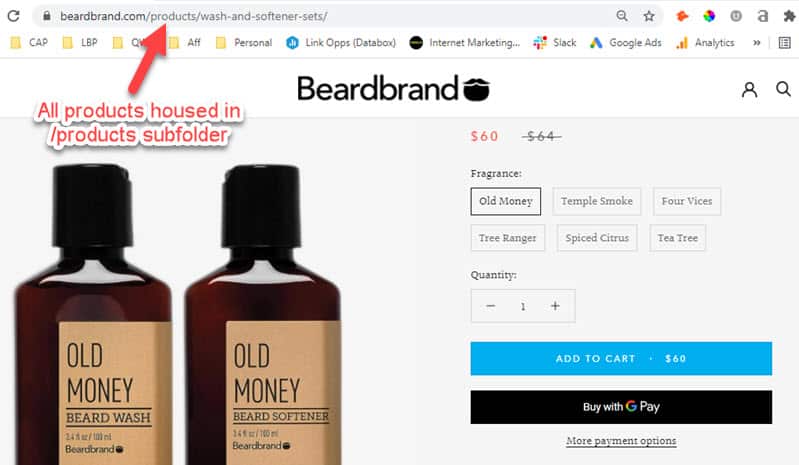
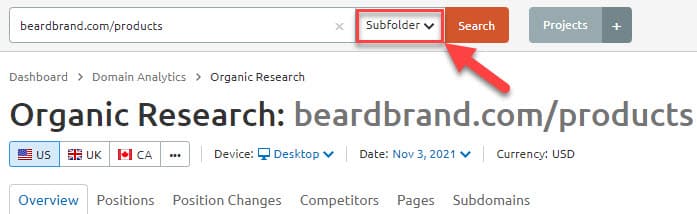
- SERP Analysis: Use tools like Semrush to review the Authority Score (AS) and Referring Domains of the pages currently populating the top ten. Unless your content strategy can secure comparable backlink profiles, focus on lower-competition semantic gaps or topical nuances (such as tailoring a broad topic to a specific sub-niche) where weaker pages outperform general giants.
10. Build Page-Level Authority Out of Big Brands
To compete effectively, you must systematically build authority to your target assets.
- Backlink Replication: Audit your top competitors’ backlink profiles to extract high-quality, text-based follow links.
- Backlink Gap Analysis: Identify recurring backlink sources—domains that link to multiple competitors but not your site—and conduct personalized outreach.
- Internal Linking: Pass link equity from your site’s existing high-authority pages to newly published assets by embedding contextual internal links from relevant, established posts.
11. Expand Your Organic Footprint (Rank for Thousands of Keywords with a Single Asset)
Comprehensive content assets frequently rank not just for their primary target phrase, but for hundreds or thousands of secondary long-tail and semantic variations.

- Footprint Expansion: Use keyword clustering tools to map out semantic sub-topics. By ensuring your core guides comprehensively cover related questions, terminology, and sub-categories, a single well-optimized page can capture massive cumulative traffic from secondary search queries.
12. Embrace a Mobile-First Mindset
With mobile devices accounting for over 57% of web traffic, Google relies entirely on mobile-first indexing. The mobile version of your website is crawled, indexed, and ranked first.

- Technical Health: A slow, non-responsive, or poorly optimized mobile user experience will drag down rankings across both mobile and desktop platforms. Regularly audit your web properties using Google’s Mobile-Friendly Test, PageSpeed Insights, and GTMetrix to ensure rapid loading times and flawless usability.
13. Pay to Play: Accelerating Visibility with Paid Ads
Organic SEO is a long-term investment. If your business requires immediate visibility while your organic rankings compound, allocating budget to paid acquisition is essential.

- Paid Channels: Utilize Google Ads (text ads and Local Map Pack sponsored listings) to capture immediate, high-intent traffic. Additionally, explore paid featured listings on high-authority review sites and industry directories (such as G2 Crowd or Avvo) that already dominate top organic positions. Analyze competitor ad histories to identify consistently profitable keywords and avoid costly budget wastage.
Official Statements & Industry Perspectives
The complexities of modern search optimization continue to draw commentary from leading search engine executives and industry pioneers.

Industry analysts frequently emphasize the shifting nature of user intent. As search engines integrate advanced machine learning and natural language processing models, optimization has moved away from rigid keyword matching toward holistic topical authority. Google’s Search Liaison frequently reminds publishers that algorithmic updates are designed to reward original reporting, deep contextual depth, and exceptional user experience across all devices.

Furthermore, digital marketing experts stress that SEO is no longer a localized discipline confined to a single tactic. As Robbie Richards, a prominent SEO strategist and educator, notes: "You can’t always rank on page one with your own web properties. But this shouldn’t stop your business from getting front page visibility for your most important keywords." Embracing alternative visibility frameworks—such as Barnacle SEO, Parasite SEO, and targeted paid placements—is vital for maintaining a competitive edge in saturated markets.

Future Outlook
As artificial intelligence and conversational search interfaces continue to reshape how consumers interact with the web, the definition of the "first page" of Google will undergo further transformation. The integration of generative AI experiences directly into search results means that traditional blue links may cede even more real estate to synthesized answers and interactive prompts.

However, the core fundamentals of SEO remain steadfast: satisfying user intent, establishing verifiable topical authority, securing high-quality contextual links, and delivering a frictionless technical experience on mobile devices. Organizations that adopt an agile, multi-channel approach—combining rapid technical audits, quick-win content optimization, strategic off-page partnerships, and targeted paid acquisition—will be uniquely positioned to capture attention, drive conversions, and dominate search results for years to come.