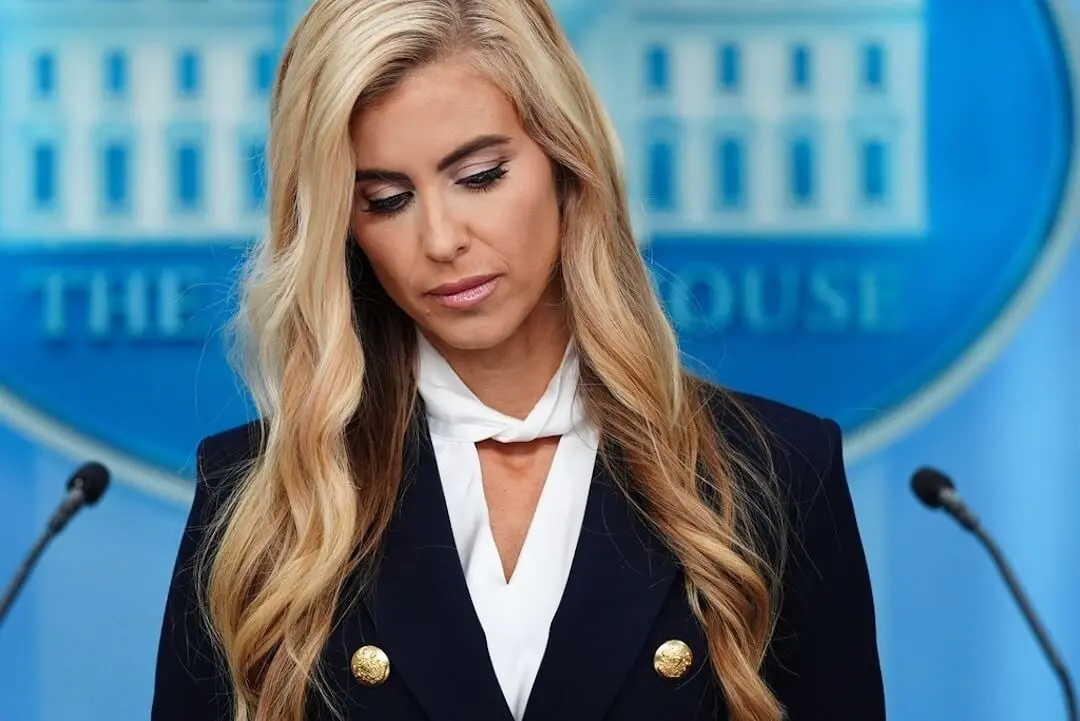
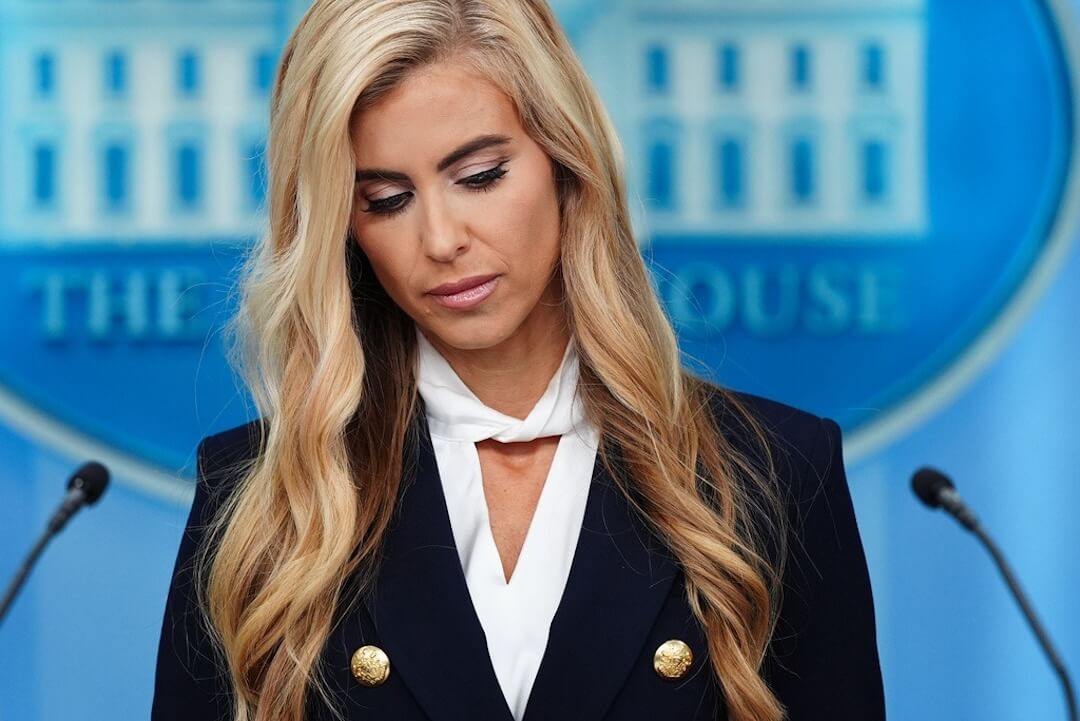
The political and media landscapes were sent into a tailspin following the tumultuous inaugural press briefing of newly appointed White House Press Secretary Katie Zacharia. Marked by a visibly nervous demeanor, an unprecedentedly brief 14-minute duration, and a restriction of questions exclusively to conservative outlets, Zacharia’s debut has triggered intense scrutiny over her vetting process, her professional credentials, and her long-term viability in the administration.
Compounding the administration’s public relations crisis, Zacharia’s briefing also served as the platform for breaking news regarding the resignation of U.S. Ambassador to Greece Kimberly Guilfoyle, following explosive allegations concerning financial improprieties. Meanwhile, the broader media ecosystem experienced its own seismic shifts, highlighted by internal turmoil at CBS News over editorial direction and foreign coverage, alongside legal developments involving former NFL star and broadcaster Mark Sanchez. This report provides a comprehensive, structured analysis of these interlocking crises across the Washington political apparatus and the national media sphere.
Detailed Chronology
The White House Press Briefing: A Slow-Motion Train Wreck
The sequence of events leading up to and immediately following Katie Zacharia’s first appearance at the White House podium reveals a chaotic hiring and deployment process.
The Eve of the Briefing: Senior White House staff, including Chief of Staff Susie Wiles, were reportedly informed of Zacharia’s appointment only the night before President Donald Trump publicly announced it. Bypassing standard vetting and advisory channels, the hire was made swiftly, leaving Zacharia with virtually no time to participate in "murder boards" or intensive briefing simulations—a staple preparation method for incoming press secretaries.
Tuesday, 1:00 PM (EST): Zacharia stepped up to the podium for her inaugural briefing. Visibly nervous, she kept her eyes fixed downward, reading directly from prepared notes for the duration of the 14-minute session. In a move that immediately alienated the broader press corps, she called on just three reporters, all representing conservative publications: Breitbart, Fox News, and the Daily Mail.
Immediate Aftermath: The reaction from veteran journalists and former press secretaries was swift and overwhelmingly negative. CNN White House correspondent Kaitlan Collins noted on-air that she had never witnessed a briefing restricted to a mere three questions, particularly for an anticipated inaugural session. Similarly, former Biden press secretary Jen Psaki likened the display to an Saturday Night Live sketch, while former Clinton press secretary Joe Lockhart questioned the qualifications of a former "far-right bomb thrower" attempting to speak for the entire nation.
The Exit Announcement: Amid the fielding of questions, Zacharia delivered breaking news: Kimberly Guilfoyle was stepping down as U.S. Ambassador to Greece.
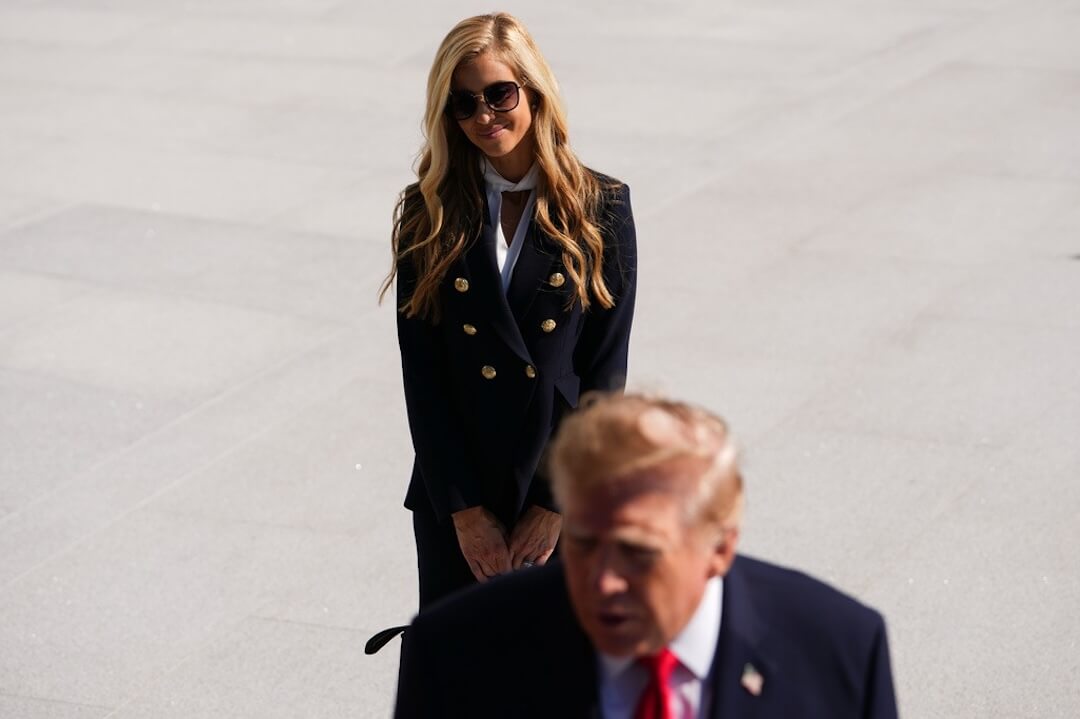
Post-Briefing Scramble: Following the briefing, Zacharia and President Trump addressed reporters outside the White House prior to the president’s departure for Alaska. Amid shouting reporters, queries shifted rapidly from administrative policy to Zacharia’s own credentials, specifically regarding her contested claims of being a licensed attorney.
The Kimberly Guilfoyle Resignation Timeline
The unravelling of Kimberly Guilfoyle’s diplomatic tenure occurred over a compressed, high-stakes timeline:
The Prior Week:The Wall Street Journal published an investigative report detailing that Guilfoyle had solicited a $100,000 payment to her American Express account from a Trump donor, Eric Deters, just days before her Senate confirmation hearing. In exchange, she allegedly promised to lobby the IRS and Department of Justice on his behalf.
Immediate Fallout: The report triggered bipartisan outrage, with numerous Republican figures calling for her immediate dismissal.
Tuesday: Zacharia formally announced Guilfoyle’s resignation during the White House briefing. President Trump subsequently distanced himself from the situation, stating he "didn’t like what I read" while downplaying her historical ties to the Trump family.
CBS News Foreign Coverage and Internal Clash
Parallel to the Washington turmoil, corporate media outlet CBS News experienced a dramatic internal conflict over editorial oversight:
Sunday: A "60 Minutes" segment featuring veteran correspondent Lesley Stahl focusing on extremist Israeli settler violence against Palestinians in the West Bank aired following heavy, hands-on editorial feedback from CBS News Editor-in-Chief Bari Weiss. Reports emerged that Stahl had privately discussed quitting over the intervention.
Monday: Status reporter Oliver Darcy broke the story regarding Stahl’s frustrations, setting off a chain reaction across the network.
Tuesday: During a virtual staff meeting, Foreign Editor Shayndi Raice launched into an uninterrupted 15-minute defense of her editorial decisions. A leaked audio recording revealed Raice clashing with foreign correspondent Holly Williams over the inclusion of Palestinian death tolls in an "Evening News" broadcast, warning that insubordination would not be tolerated and constituted legal grounds for firing.
Supporting Context & Metrics
To fully understand the gravity of these events, it is necessary to examine the metrics of Zacharia’s performance, the structural breakdown of her hiring, and the collateral investigations surrounding her background.
Briefing Metrics and Comparisons
Duration: 14 minutes total—substantially shorter than the historical average for inaugural White House press briefings, which typically run between 30 and 60 minutes to establish an administration’s tone and grant broad access.
Question Tally: Exactly 3 questions answered, marking a statistical anomaly in modern executive branch communications.
Comparison to Predecessors: While past communications directors and press secretaries faced steep learning curves—most notably Anthony Scaramucci, whose volatile tenure as White House communications director lasted a mere 10 days during Trump’s first term—insiders are already questioning whether Zacharia’s tenure could break that record. Anonymous administration officials told reporters that Zacharia risks an exceptionally brief run unless her performance drastically improves.
The Credentials Controversy
Beyond her public speaking performance, investigative reports by independent journalist Judd Legum (Popular Information) and Sarah Rumpf (Mediaite) have cast doubt on Zacharia’s professional credentials.
The Claim: Zacharia has repeatedly been identified on-screen as a lawyer or attorney across at least 18 appearances on Fox News since March 2025, and was similarly introduced by President Trump in his Truth Social announcement.
The Findings: A 50-state plus Washington, D.C., audit revealed no record of Zacharia passing a bar exam or holding active admission to practice law in any U.S. jurisdiction. Her LinkedIn profile indicates past employment as "General Counsel" for a California nonprofit named Fix California and as an associate for a law firm in Beijing, China. When confronted by reporters, Zacharia’s defense—referencing her work when she "moved to China"—drew immediate legal skepticism, as foreign bar admissions do not grant U.S. practicing rights, and Chinese legal structures severely restrict foreign nationals from practicing law or sitting for local bar exams.
Official Statements
The dissonance between the administration’s internal panic and its external public relations strategy was starkly highlighted by official communications issued in the hours following the briefing.
The White House Spin Room
Recognizing the widespread negative reception of the briefing, the White House communications office distributed an email statement framing Zacharia’s debut as a historic success. The memo described her performance as "powerful" and "commanding":
"Today, Katie Zacharia delivered a commanding inaugural press briefing as the 37th White House Press Secretary. The briefing, which generated wall-to-wall coverage, served as a strong introduction to her tenure and highlighted the Trump Administration’s record of delivering historic successes for the American people."
The statement highlighted Zacharia’s opening remarks:
"I am so honored to work for President Trump and the American people as the new White House Press Secretary. I want to thank President Trump for his trust that he has placed in me. I have wanted to work for him for a very long time."
Presidential Assessment
When speaking with reporters on the South Lawn before boarding Marine One, President Trump offered lukewarm, defensive praise for his embattled press secretary while she stood directly behind him:
"I thought she did very good. I thought she was very good."
Regarding the abrupt departure of Kimberly Guilfoyle, Trump sought to distance himself and his family from the scandal:
"She was doing a good job… but I didn’t like what I read. She wasn’t a member of my family. She, I guess, dated my son a long time ago."
CBS News Response
In response to reports of internal unrest and Lesley Stahl’s purported contemplation of resignation over Bari Weiss’s editorial edits, a CBS News spokesperson issued a brief statement dismissing the reports:
"This is a ludicrous, twisted narrative."
The network declined to comment further on the leaked audio of Foreign Editor Shayndi Raice’s confrontation with newsroom staff regarding editorial oversight and accusations of interference.
Future Outlook
The convergence of political missteps, credential scrutiny, and media institution restructuring points toward a turbulent period ahead for both the executive branch and national journalism outlets.
For the White House Press Office
Katie Zacharia’s immediate future hangs in the balance. While President Trump publicly endorsed her performance, the private consensus among senior administration officials—including figures like Chief of Staff Susie Wiles, who was reportedly bypassed in the hiring decision—suggests an urgent need for remediation. To survive past the historical benchmarks set by short-lived predecessors, Zacharia must quickly transition from reading prepared notes to commanding the briefing room, repairing relationships with a broader swath of the press corps, and addressing lingering questions regarding her legal credentials. Failure to stabilize her communication strategy risks turning the press office into a persistent vulnerability for the administration.
For Diplomatic and Personnel Appointees
The swift ouster of Kimberly Guilfoyle serves as a cautionary tale for executive appointees operating under heightened scrutiny regarding ethics and fundraising practices. The willingness of the administration to cut ties following investigative reporting by The Wall Street Journal establishes a low tolerance threshold for public scandals that threaten the administration’s narrative discipline.
For Corporate Media Integrity
The internal friction at CBS News involving top leadership—specifically Bari Weiss and Shayndi Raice—highlights a broader, ongoing ideological and structural struggle within legacy newsrooms. As editors assert more hands-on control over high-profile investigative pieces and foreign reporting, battles over editorial independence, institutional tradition, and journalistic standards will likely continue to test newsroom cohesion and public trust in mainstream media reporting.