

Executive Overview
In a paradigm-shifting discovery that challenges decades of liver-centric medical dogma, researchers at Michigan Medicine have successfully reversed a severe form of fatty liver disease in animal models by targeting an entirely unexpected anatomical location: the gastrointestinal tract. Published in The Journal of Clinical Investigation, the breakthrough centers on an experimental, glycine-based tripeptide compound designated as DT-109.
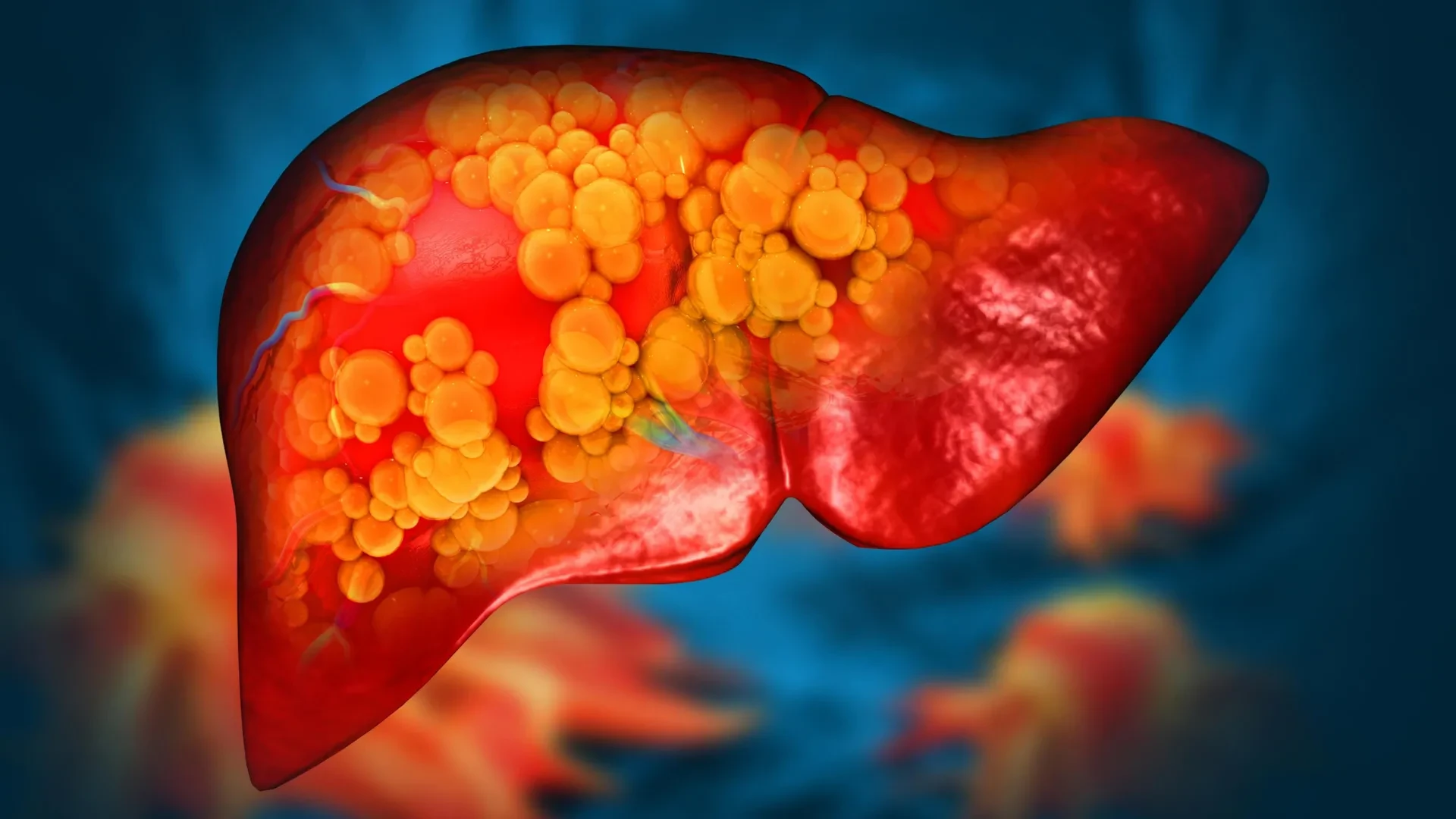
Metabolic dysfunction-associated steatohepatitis (MASH)—a progressive, highly destructive form of non-alcoholic fatty liver disease (NAFLD)—affects approximately 7% of the global population. Characterized by excessive hepatic lipid accumulation, chronic cellular inflammation, and progressive fibrotic scarring, MASH frequently spirals into life-threatening cirrhosis, hepatocellular carcinoma, and outright liver failure. Historically, therapeutic strategies have struggled due to limited efficacy, poor safety profiles, and a rigid focus on treating the liver in situ.
The Michigan Medicine research team has upended this conventional approach. By demonstrating that MASH is critically driven by a breakdown in the "gut-liver axis," the scientists proved that administering DT-109 directly suppresses pathogenic gut bacteria, neutralizes intestinal ammonia production, and fortifies the gut epithelial barrier. By halting the systemic translocation of microbial toxins before they can breach the portal circulation, the drug systematically starves hepatic inflammation of its triggers. Furthermore, because DT-109 also exhibits protective properties against vascular calcification and atherosclerotic plaque formation, this multi-organ therapeutic agent points toward a sweeping new era in metabolic medicine. While human clinical trials remain the vital next hurdle, the scientific community stands on the precipice of a fundamentally reimagined approach to treating gastrointestinal, hepatic, and cardiovascular disease concomitantly.
Detailed Chronology
To understand the magnitude of this discovery, it is essential to trace the investigative pathway that led the Michigan Medicine team from initial molecular synthesis to breakthrough non-human primate validation.
Phase I: Unlocking the Tripeptide’s Baseline Potential
Years prior to the current publication, the laboratory of Dr. Eugene Chen at the University of Michigan Medical School first identified DT-109—a small, highly specialized tripeptide composed of three distinct amino acids. Initial high-throughput screening and preliminary animal models indicated that DT-109 possessed a remarkable capacity to ameliorate features of MASH and metabolic syndrome. However, a profound mechanistic mystery remained: while the drug showed clear phenotypic improvements in the liver, researchers could not definitively pinpoint the primary biochemical pathway responsible for these systemic benefits. Was the tripeptide working directly on hepatocytes, or was its therapeutic fingerprint originating elsewhere in the body?
Phase II: Interrogating the Gut Microbiome and Ammonia Production
To solve this puzzle, Chen’s investigative team widened their diagnostic lens beyond the liver, focusing heavily on the intricate microbial ecosystems inhabiting the gastrointestinal tract. Through rigorous genomic and metabolic profiling of animal models, the team isolated a primary suspect in the pathogenesis of MASH: the excessive, unchecked proliferation of Clostridium perfringens.
Under pathological conditions, populations of Clostridium perfringens surge within the intestinal lumen, driving a steep escalation in bacterial ammonia production. The researchers established that these soaring ammonia concentrations act as a chemical corrosive, systematically degrading the tight junctions of the gut epithelial barrier. When this mucosal defense fails, the door is thrown wide open for harmful luminal contents—including endotoxins, microbial metabolites, and metabolic waste products—to escape the digestive tract, enter the portal venous system, and flood the liver.
Phase III: Mapping the Immune Cascade and the Gut-Liver Axis
Once these microbial toxins translocate into the hepatic environment, they trigger a violent immune response. The Michigan team mapped out how this systemic influx over-activates CD8+ T cells within the liver. While these immune cells normally function to destroy virally infected or neoplastic cells, their hyper-activation in the context of MASH pours fuel on the inflammatory fire, accelerating cellular apoptosis, steatosis, and fibrogenesis.
By mapping this step-by-step cascade, the researchers verified the functional reality of the gut-liver axis: a dense, bidirectional biochemical highway where intestinal dysbiosis dictates hepatic health.
Phase IV: Intervention and Validation in Non-Human Primates
Armed with this mechanistic framework, the team administered DT-109 to experimental models, including mice and, crucially, non-human primates. Because the gastrointestinal anatomy, microbial composition, and hepatic metabolic pathways of non-human primates closely mirror those of humans, this step was critical for clinical translation.
The administration of DT-109 yielded striking results. The compound actively suppressed Clostridium perfringens colonization, drastically reined in intestinal ammonia production, and successfully repaired the compromised gut epithelial barrier. In the non-human primate models, this intestinal restoration translated directly to a marked reduction in liver inflammation, halted disease progression, and reversed established MASH pathology—proving that a drug acting primarily within the gut can orchestrate profound healing within the liver.
Supporting Context & Metrics
The clinical burden of MASH cannot be overstated, underscoring why breakthroughs like DT-109 are receiving intense international scrutiny.
Epidemiological and Pathophysiological Metrics
- Global Prevalence: MASH currently affects approximately 7% of the worldwide population, translating to hundreds of millions of individuals suffering from progressive hepatic injury.
- The Clinical Spectrum: Non-alcoholic fatty liver disease (NAFLD) spans a spectrum from simple steatosis (benign fat accumulation) to MASH, which is defined by concurrent inflammation and hepatocyte ballooning. Without intervention, MASH advances to cirrhosis in a significant subset of patients, drastically escalating the risk of hepatocellular carcinoma (HCC) and end-stage liver failure requiring transplantation.
- The Tripeptide Architecture: DT-109 is classified as a glycine-based tripeptide. Tripeptides are tightly folded, highly bioavailable chains consisting of three amino acids linked by peptide bonds. Their compact structure allows for targeted physiological interactions without inducing the widespread toxicity frequently associated with larger biologic therapeutics.
- Cross-Species Efficacy: The transition from murine models to non-human primates represents a foundational validation metric. Because non-human primates share close physiological homology with Homo sapiens, the successful reversal of MASH in these subjects provides a high degree of translational confidence for upcoming human trials.
Official Statements
Leading figures behind the Michigan Medicine study emphasize both the scientific novelty of the findings and the transformative potential for patient care.
"We see clear evidence that DT-109 protects the gut epithelial barrier, reducing the systemic influx of harmful microbial products that are thought to contribute to MASH development and progression,"
— Dr. Eugene Chen, M.D., Ph.D.
Senior Author, Frederick G. L. Huetwell Professor of Cardiovascular Medicine, University of Michigan Medical School
Dr. Chen further emphasized the broad therapeutic scope of the discovery: "This compound shows benefits to the gastrointestinal system and has great potential as a treatment for MASH."
Elaborating on the intricate mechanics of the gut-liver axis, co-author Dr. Jifeng Zhang, Ph.D., research professor of cardiovascular medicine at the U-M Medical School, noted:
"DT-109 connects microbiota modulation with liver protection by restoring gut barrier integrity and limiting the systemic translocation of ammonia and other pro-inflammatory microbial products within the gut-liver axis. We also found that DT-109 primarily acts in the gastrointestinal tract, but its reach stretches much further."
Addressing the clinical necessity from a hepatological perspective, Dr. Elliot Tapper, M.D., Academic Director of Hepatology at Michigan Medicine, underscored the enthusiasm within the medical community:
"This study presents novel evidence about the pathogenesis of MASH and provides excitement about a therapeutic avenue to explore for a condition that remains difficult to treat. What patients with MASH need is a safe and effective therapy capable of improving their liver and heart health—of course we are excited about these developments."
Future Outlook
As the research moves past preclinical validation, the roadmap for DT-109 involves several critical milestones, commercial developments, and expansive clinical horizons.
Advancing Toward Human Clinical Trials
The immediate imperative for the Michigan Medicine team and its commercial partners is the design and execution of rigorous Phase I and Phase II human clinical trials. While animal models have demonstrated exceptional safety and efficacy parameters, clinical researchers must rigorously confirm that DT-109 can safely modulate the human microbiome, reinforce intestinal tight junctions, and reverse hepatic steatosis in human subjects without adverse systemic side effects.
Expanding Therapeutic Indications: Cardiovascular and Inflammatory Disorders
Beyond its primary application in MASH, DT-109’s ability to reinforce barrier integrity and suppress systemic inflammation positions it as a promising candidate for a suite of interconnected metabolic disorders.
- Cardiovascular Health: Previous investigations have confirmed that DT-109 can actively reduce the formation of atherosclerotic plaques and inhibit vascular calcification in non-human primates. Because atherosclerotic plaque buildup restricts blood flow and vascular calcification stiffens arterial walls, a single therapeutic agent capable of simultaneously treating MASH and cardiovascular disease could profoundly alter the management of metabolic syndrome.
- Inflammatory Bowel Disease (IBD): Because chronic conditions such as Crohn’s disease and ulcerative colitis are intimately linked to mucosal barrier failure and gut dysbiosis, researchers are exploring whether DT-109’s restorative effects on the intestinal epithelium could offer relief to IBD patients.
Intellectual Property and Commercialization
The translation of DT-109 from academic bench to clinical bedside is actively underway. The University of Michigan holds the core patents covering the tripeptide and its utility in treating metabolic, cardiovascular, and inflammatory disorders. The university has licensed the compound to Diapin Therapeutics, a biopharmaceutical company with institutional and inventor-held equity stakes involving Dr. Chen and select co-investigators. Diapin supplied the DT-109 utilized in the study and is steering its ongoing pre-clinical and clinical development pipeline.
Conclusion
The Michigan Medicine discovery represents a fundamental philosophical and practical shift in hepatology. By proving that the most effective way to heal a failing liver may be to repair the gut that feeds it, researchers have opened an entirely new frontier in drug development. If human clinical trials corroborate the preclinical data, DT-109 could soon transform from an experimental tripeptide into a cornerstone therapy for millions of patients battling metabolic, hepatic, and cardiovascular disease worldwide.