

Executive Overview
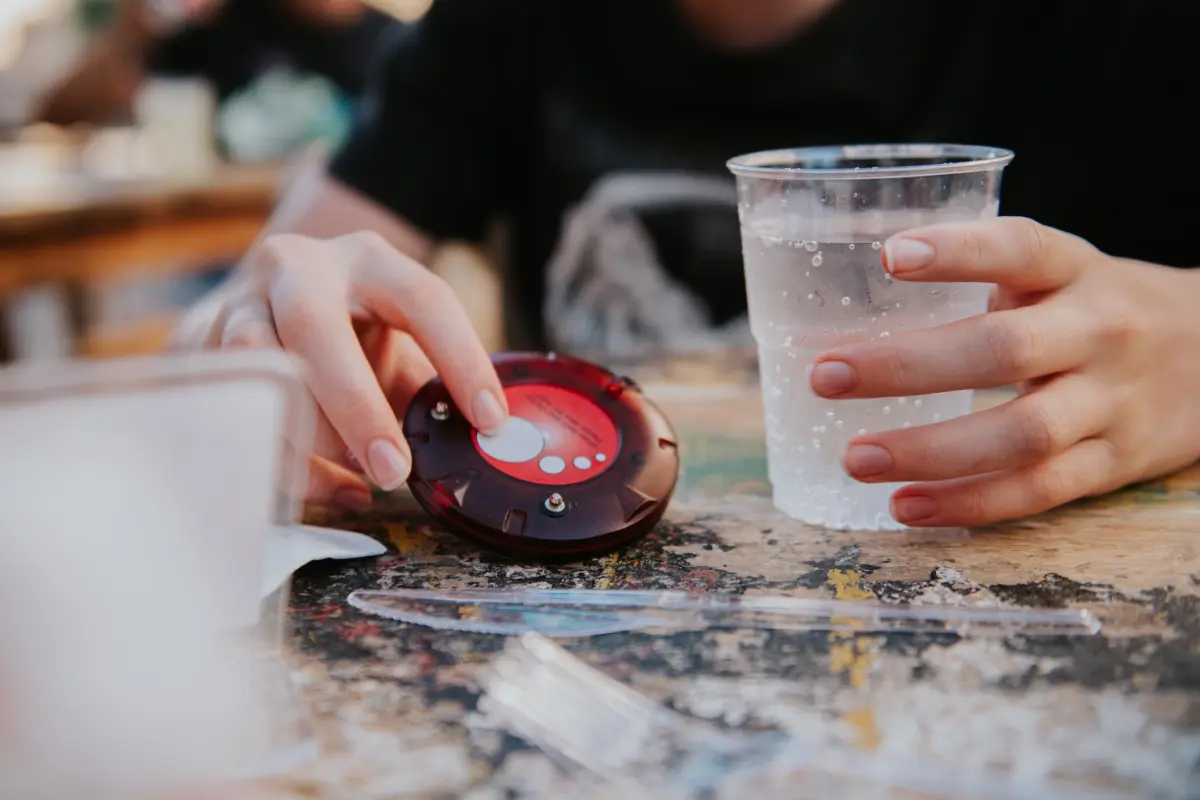
For decades, the physical rhythm of casual dining was anchored by a singular piece of industrial design: the restaurant pager. Chunky, heavy, and functionally stubborn, these vibrating plastic pucks did one thing and one thing only. They blinked, they buzzed, and they told patrons their tables were ready. They belonged to an era of hospitality where the transaction between diner and establishment was insulated by human interaction.
Today, that humble puck has been almost entirely usurped by the smartphone. What began as a pandemic-era sanitary measure—minimizing shared surfaces by texting guests instead—has ossified into a ubiquitous prerequisite for breaking bread. The transformation extends far beyond the host stand. Modern dining out increasingly demands an uninterrupted digital tether: QR code menus, app-based ordering portals, digital payment processing, and automated post-meal feedback requests.
While these technological integrations promise frictionless efficiency, they extract a hidden toll. They convert a restorative break from routine into yet another administrative chore managed through a glowing screen. By examining the swift retirement of the restaurant pager and the broader creep of mandatory device dependency, this report explores how the relentless pursuit of digital optimization is quietly eroding the core pleasures of hospitality.
Detailed Chronology: From Pagers to Portals
To understand how our dining experiences became tethered to mobile operating systems, it is necessary to trace the trajectory of front-of-house technology over the past thirty years.
- The Late 1990s and 2000s (The Age of the Pager): Casual dining chains—epitomized by suburban outposts of Chili’s, Olive Garden, and Applebee’s—standardized the waiting process. Hosts relied on wire racks brimming with radio-frequency pagers. Customers were handed a heavy plastic puck with the reassurance that they could wander as far as the parking lot without losing their place in line. The technology was deliberately isolated; it demanded nothing from the customer beyond basic tactile awareness.
- The Early 2010s (The Rise of Digital Waitlists): Software startups recognized the friction inherent in paper waitlists and manual estimation. Platforms like Yelp Waitlist (originally SeatMe) and OpenTable introduced digital queue management. Initially, these services operated behind the scenes on host computers, though they occasionally offered the novelty of an optional text message notification alongside or instead of a traditional pager.
- The 2020 Pandemic Disruption (The Great Sanitization): The onset of COVID-19 acted as an aggressive catalyst for touchless infrastructure. In the urgent push to eliminate shared fomites—surfaces touched by multiple people—exchanging plastic pagers became a public health hazard. Simultaneously, restaurants operating under strict capacity limits desperately needed automated ways to manage sprawling outdoor queues. The smartphone text message transitioned from a convenient alternative to an absolute operational necessity.
- 2021–Present (The Full-Funnel Digital Ecosystem): Post-pandemic economic pressures—including labor shortages and rising overhead—accelerated the adoption of end-to-end restaurant tech stacks. The phone at the host stand became a gateway drug for the rest of the meal. Once patrons used their devices to secure a table, they were funneled into scanning QR codes for menus, inputting credit card information via third-party web apps, and receiving automated text messages demanding reviews hours after paying the bill.
Supporting Context & Metrics: The Cognitive Load of "Convenience"
The digitization of hospitality is part of a broader, systemic shift across modern commerce. From public transit turnstiles and parking meters to medical check-in desks and multi-factor authentication loops, the smartphone has been quietly elevated from a personal communication device to mandatory civic infrastructure.
However, the psychological cost of this transition is becoming increasingly difficult to ignore.
The Illusion of Multi-Tasking
Proponents of app-based waitlists argue that digital queuing grants consumers freedom. Instead of idling on a pleather bench near the host stand, diners can browse neighboring shops, run errands, or grab a coffee. Yet, behavioral researchers note that "multi-tasking" in this context rarely equates to increased leisure.
When a restaurant texts a notification that a table is ready, checking that message inevitably re-exposes the user to the chaotic ecosystem of the smartphone: unread work emails, breaking news alerts, text messages from family, and social media notifications. What was intended as a brief pause in a meal transforms into a cognitive context-switch. The boundary separating everyday stress from leisure dining collapses.
Infrastructure Fragility
Furthermore, relying entirely on consumer-owned hardware introduces systemic vulnerabilities. When digital infrastructure fails—such as transit card readers malfunctioning at subway stations or restaurant reservation systems crashing during peak Friday night rushes—the analog safety nets have often been dismantled. Consumers are frequently left stranded by technologies that were ostensibly designed to make their lives easier.
As one disgruntled Chicago transit commuter remarked after a city turnstile rejected a phone-based transit pass: "We had arrived at the future, and it required a trip to the cash machine."
Industry Perspectives: Hospitality vs. Logistics
The friction between tech-forward efficiency and traditional hospitality highlights a fundamental philosophical divide within the restaurant industry.
Front-of-house managers and restaurateurs operating under thin profit margins naturally gravitate toward automation. Digital waitlists optimize table turnover, reduce host-stand labor bottlenecks, and build valuable customer databases for future marketing campaigns. From an analytical perspective, every minute shaved off the waiting process improves restaurant throughput.
Yet, veteran hospitality advocates argue that true hospitality is defined precisely by relieving the guest of logistical burdens.
"That’s part of the pleasure of hospitality, isn’t it?" reflects one industry observer. "For a little while, someone else tends to the logistics. You don’t need to manage every notification or keep every system running. You can just be a guest."
When a restaurant outsources the management of the wait to the customer’s personal device, it subtly shifts administrative labor back onto the diner. The establishment no longer actively manages the guest’s attention; instead, it demands that the guest remain perpetually vigilant, monitoring a glowing screen for permission to eat.
Future Outlook: Finding the Analog Balance
As we look toward the remainder of the decade, the pendulum of consumer sentiment may begin to swing back toward friction-aware design. While few industry analysts expect restaurants to abandon digital reservation platforms or completely resurrect the heavy, battery-draining pagers of the 1990s, a growing counter-movement is emerging among diners who actively value tactile, screen-free experiences.
- The Rise of "Analog-Friendly" Dining: A segment of independent restaurants is beginning to market themselves on the promise of human-scale service—greeting guests by name, offering physical menus without QR code workarounds, and restoring a sense of sanctuary from constant notifications.
- Opt-In vs. Mandate: The future viability of restaurant tech will likely depend on choice. Systems that respect the customer’s autonomy—allowing patrons to provide a phone number only if they genuinely intend to leave the premises, while accommodating those who prefer to sit quietly in the lobby—tend to foster deeper brand loyalty.
- Redefining Convenience: True technological progress in the hospitality sector must measure its success not merely by operational efficiency and labor savings, but by whether it actually enhances the human experience of sharing a meal.
Ultimately, the humble plastic puck served a vital psychological function: it absorbed the wait, contained the technology, and could be handed back when its job was done. Until modern restaurant technology learns to respect the sanctity of a screen-free dinner, many diners will continue to yearn for a simpler era when waiting for a table meant nothing more demanding than watching the door and waiting for your name to be called.