

Executive Overview
The landscape of modern television is undergoing a seismic shift, driven not merely by creative evolutions, budget realignments, or narrative reboots, but by the increasingly public and complex dynamics between creators, networks, and marquee ensemble casts. Recent developments across the television and streaming ecosystems have brought these behind-the-scenes tensions into sharp focus.
Foremost among these flashpoints is the ongoing cultural fallout surrounding Chuck Lorre’s newly published memoir, Sitcom, and his candid, often critical reflections on actress Anna Faris’s sudden departure from the hit CBS series Mom in 2020. Lorre’s public admissions—suggesting that his initial doubts regarding Faris’s casting were ultimately validated by her exit—have reignited public discourse concerning the immense pressures borne by ensemble leads and the precarious nature of showrunner-talent relationships.
Yet, Faris and Lorre’s public exchange is just one prominent symptom of a wider industry-wide trend. From long-running procedural dramas like Chicago Fire, Law & Order, and NCIS to cultural reality staples like The Valley, Summer House, and The Real Housewives of New York City, the television landscape is currently defined by an unprecedented wave of high-profile departures. Actors, reality stars, and hosts are increasingly walking away from lucrative contracts, citing reasons that range from mental health preservation and creative fatigue to financial restructuring and toxic workplace dynamics. This comprehensive report examines the structural shifts underlying these exits, details the chronology of the Mom controversy and its ripple effects, contextualizes these industry departures through verified metrics and trend analysis, and evaluates what this turbulent era means for the future of serialized television.
Detailed Chronology
To fully understand the current climate of friction within major television productions, it is essential to trace the timelines of the specific controversies and high-profile departures that have captured public and industry attention.
The Mom Fallout: From On-Screen Success to Memoir Revelations
- 2013: CBS premieres the multi-camera sitcom Mom, co-created by Chuck Lorre, Eddie Gorodetsky, and Gemma Baker. The series stars Anna Faris as Christy Plunkett and Allison Janney as Bonnie Plunkett, a mother-daughter duo navigating recovery from substance abuse.
- Season 2 (2014–2015): Jaime Pressly joins the main cast as Jill Kendall, a wealthy, recovering alcoholic who becomes an integral part of the show’s core support system, appearing across seven seasons.
- September 2020: Just before production is set to begin on the eighth season, Anna Faris announces her abrupt departure from Mom, citing a desire to pursue new opportunities. The show continues for one more season without her before concluding in May 2021.
- October 2024–October 2025: Chuck Lorre releases his memoir, Sitcom. In the book, Lorre writes that his initial reluctance to cast Faris was proven correct by her departure, pointing to what he describes as mysterious behind-the-scenes struggles that were transparent to the production team.
- October 15, 2025: Anna Faris takes to Instagram to address Lorre’s comments publicly. She expresses hurt over the critique while reaffirming her gratitude for the role and her seven years on the series. Crucially, Faris reveals she has achieved a year and a half of personal sobriety, drawing a poignant parallel between her character’s journey on Mom and her own real-life recovery.
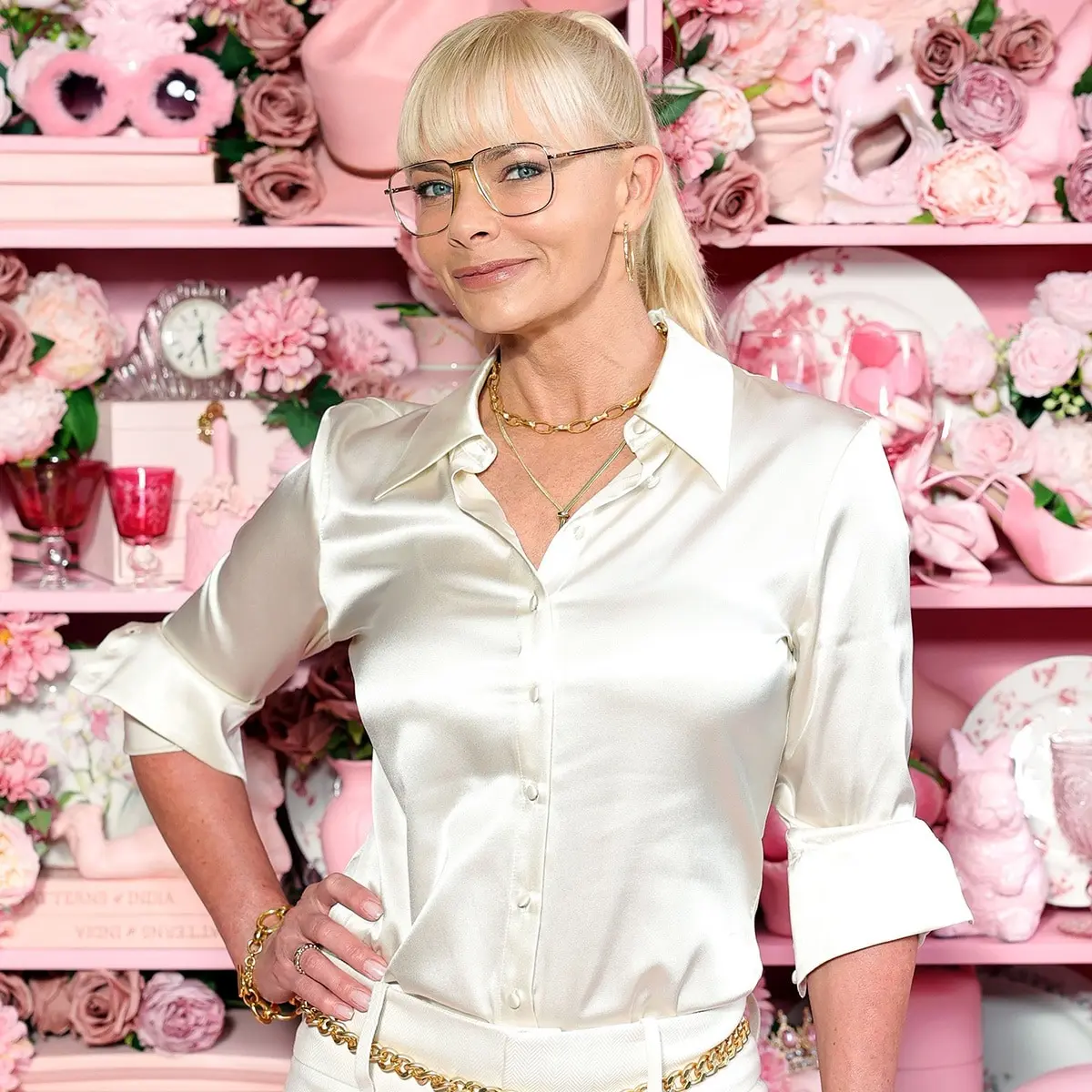
- October 16, 2025: Jaime Pressly, speaking exclusively at an Alice + Olivia breast cancer awareness event, reflects fondly on her seven-year tenure on Mom. Pressly emphasizes the supportive, collaborative environment shared among the female ensemble cast—including Allison Janney, Mimi Kennedy, and Beth Hall—framing her time on the show as a deeply positive antidote to broader industry toxicity.
A Timeline of Broad Industry Exits (2025–2026)
The instability seen in scripted comedies has mirrored a broader exodus across network and streaming television:
- November 2025: Jenna Lyons announces she will not return for the 16th season of Bravo’s The Real Housewives of New York City, citing the limitations of being a supporting "friend of" cast member and her desire to allow a new dynamic to emerge.
- November 2025: Chrishell Stause confirms her departure from Netflix’s Selling Sunset after nine seasons, explicitly citing mental health protection and financial independence as her primary motivators.
- March 2026: CBS’s NCIS shocks procedural fans by killing off Director Leon Vance, played by Rocky Carroll for 18 seasons, during the series’ landmark 500th episode.
- April 2026: Bridget Regan’s corrupt lawyer character, Monica Stevens, is written off The Rookie in a definitive series death after four seasons, drawing praise from the actress for a satisfying narrative conclusion.
- May 2026: Longtime medical drama mainstays Kevin McKidd and Kim Raver announce their departure from ABC’s Grey’s Anatomy, concluding nearly two decades of portraying Dr. Owen Hunt and Dr. Teddy Altman during the season 22 finale.
- July 2026: NBC confirms major cast shakeups across its stable of procedurals, including Joe Miñoso exiting Chicago Fire after 15 seasons and LaRoyce Hawkins leaving Chicago P.D. after 13 seasons. Simultaneously, Tom Jones publicly reveals his firing from The Voice UK due to insurance and budget constraints.
Supporting Context & Metrics
The sheer volume of recent casting shakeups is not merely coincidental; it reflects deep-seated economic, operational, and psychological shifts within the television industry.
The Economic Pressures of Long-Running Ensembles
In traditional network television, long-running series face immense budgetary pressures as cast members’ salaries scale up in accordance with syndication and longevity bonuses. For shows lasting past their seventh or eighth seasons, network executives often face difficult financial calculations.
| Show / Franchise | Network / Platform | Average Season Length | Key Departures (2025–2026) | Primary Driver of Exit |
|---|---|---|---|---|
| Grey’s Anatomy | ABC | 20–24 Episodes | Kevin McKidd, Kim Raver | Creative closure / Tenure length |
| Chicago Fire | NBC | 22 Episodes | Joe Miñoso | Natural narrative progression |
| The Valley | Bravo | 14–18 Episodes | Jax Taylor, Danny Booko, Nia Sanchez | Mental health / Personal sobriety |
| Summer House | Bravo | 14–16 Episodes | Paige DeSorbo, Amanda Batula, West Wilson | Cast fallout / Scandal fatigue |
| Law & Order | NBC | 22 Episodes | Reid Scott, Mehcad Brooks | Contract rotation / Creative refresh |
As indicated by the metrics above, reality television franchises and network procedurals exhibit distinct exit triggers. While procedurals typically rotate talent due to budget optimization and creative stagnation over multi-decade runs, reality ensembles face high attrition rates driven by interpersonal toxicity, public scrutiny, and the toll exacted on personal mental health.
The Mental Health and Workplace Culture Shift
For decades, actors and reality personalities were expected to absorb the stresses of high-pressure production environments quietly, fearing industry blacklisting if they raised concerns about workload, toxic co-star dynamics, or inadequate mental health support.
The public responses from figures like Anna Faris—who explicitly tied her departure and subsequent personal triumph to long-term sobriety—and reality stars like Jax Taylor and Chrishell Stause signal a fundamental cultural pivot. Talent is increasingly prioritizing personal well-being over institutional loyalty. When creators or networks publicly critique departing talent, as Chuck Lorre did in his memoir, it no longer goes unanswered; instead, it sparks a broader industry conversation regarding accountability, empathy, and the psychological toll of serial storytelling.
Official Statements
The friction between executive vision and talent experience is best understood through the direct words of those navigating these high-stakes professional environments.
Chuck Lorre, reflecting on Anna Faris in his memoir Sitcom:
"I wasn’t sure Anna would be appropriate for this kind of material… As the years went by, it became apparent that my initial reluctance to hire Anna was, in fact, correct. After six years, she left the show for mysterious reasons that were not mysterious to anyone on the show."
Anna Faris, responding via Instagram (October 15, 2025):
"Of course it hurts. Chuck gave me a job I loved, and for seven years I never took a day of it for granted. I’m proud of what we made together, and nothing changes how grateful I am for those people and those years… I’ve been sober for a year and a half. I was on a show about recovery and then I lived it. Now I’m healthy, I’m working, and I’s happier than I’ve been in a long time."
Jaime Pressly, discussing her camaraderie with her Mom co-stars:
"I came on in the second season, but I had seven wonderful years of working with an incredible crew and an incredible cast of women, who were, all of us, just as beautifully flawed as our characters on the show were… I think I just really thoroughly enjoyed being able to go to work with girlfriends every day. All of us of a certain age, it was nice. It was refreshing."
Danny and Nia Sanchez, announcing their departure from Bravo’s The Valley:
"We’re incredibly grateful for this experience, but our priority is protecting our peace and our family. We are fully committed to each other and our beautiful children."
Future Outlook
As the television industry moves further into the latter half of the 2020s, the relationship between creators, networks, and ensemble casts is set to undergo permanent transformation. Several key trajectories are emerging:
- Heightened Transparency and Public Advocacy: The days of quietly sweeping behind-the-scenes friction under the rug are over. With direct-to-consumer social media platforms, actors and reality personalities possess the tools to immediately contextualize their departures, counter executive narratives, and shape their own professional narratives.
- Contractual and Wellness Evolutions: Networks and streaming platforms are facing mounting pressure to incorporate robust mental health protocols, clearer exit pathways, and healthier work-life balances into standard talent contracts. Shows that fail to adapt risk facing sudden, disruptive cast walkouts.
- The Reimagining of Ensemble Dynamics: As veteran anchors of long-running procedurals and reality formats step down—evidenced by massive turnovers in Grey’s Anatomy, Chicago Fire, and Bravo’s unscripted lineup—production companies must adopt more fluid, anthology-style casting models. This will allow shows to sustain high viewer engagement without relying indefinitely on the same core talent pool.
Ultimately, the intersecting dramas of Mom, its ongoing posthumous memoir debates, and the sweeping wave of 2025–2026 television exits serve as a stark reminder: behind every fictional character or reality television persona is a working professional navigating the complex intersection of art, commerce, and personal survival. As the industry continues to evolve, respecting that humanity will be the ultimate determinant of creative and commercial longevity.