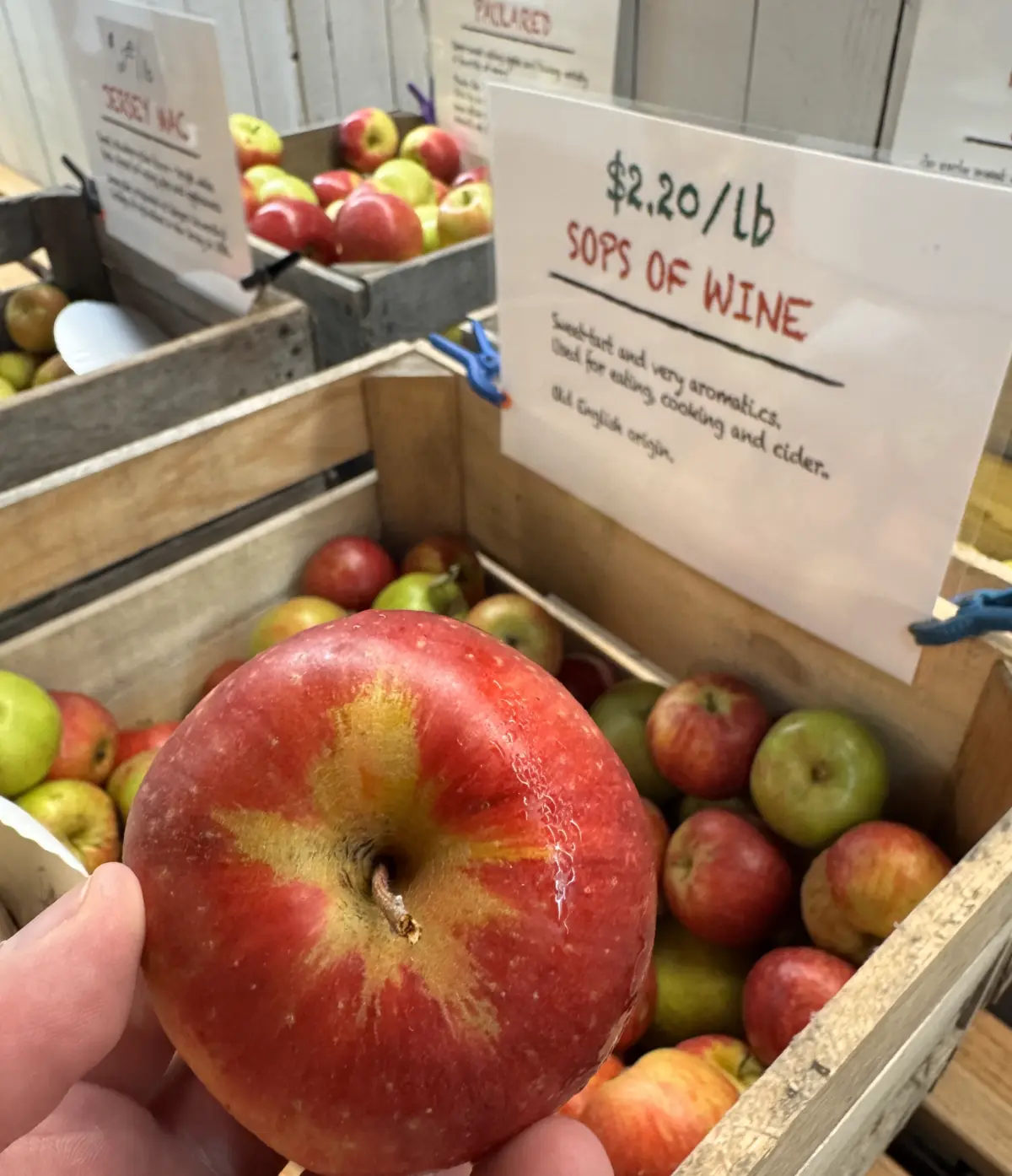
In the grand tradition of agricultural journalism and obsessive seasonal tasting, the ongoing pomological evaluation of rare, heritage, and contemporary apple cultivars has reached a fever pitch. Following the release of the initial evaluation batch, connoisseurs and casual consumers alike have turned their gaze toward the second installment of what is colloquially known as the "Apple Snack Gang" reviews.
This latest dossier covers an eclectic mix of dense spice-bombs, historical anomalies, and jaw-shattering heavyweights. Far from a simple culinary routine, this seasonal assessment serves as an investigative look into orchard management, fruit storage longevity, and the bizarre sensory associations triggered by vintage varieties.
Evaluating fruits ranging from the nutmeg-heavy Kickapoo Spice to the baffling, gym-toned Graham—which allegedly tastes of unadulterated Juicy Fruit gum—this report examines the physical, psychological, and historical dimensions of the 2026 harvest. With upcoming field expeditions slated across New York, New England, and Canada, the stakes for regional pomology have never been higher.
Detailed Chronology of the Tasting Trials
The evaluation window for this batch of rare cultivars took place over a compressed timeline in early autumn. Each specimen was subjected to rigorous, multi-sensory testing, measuring tactile resistance, aromatic compounds, and lingering aftertastes.
1. Kickapoo Spice
Score: 6.9 / 10
Physical Profile: Dense, compact build with a high spice component dominated by heavy notes of nutmeg, coupled with subtle undercurrents of cinnamon and clove. It lacked notable juiciness, leaving an unconventional aftertaste reminiscent of freshly cut grass.
Chronological Analysis: Evaluators noted that the fruit likely suffered from improper post-harvest timing. Apples, notoriously fickle in their maturation cycles, either improve gracefully in cold storage or rapidly decline the moment they leave the branch. The Kickapoo Spice appeared trapped between these states, offering a compelling flavor profile undermined by a subpar finish.
2. St Edmunds Pippin
Score: 8.3 / 10
Physical Profile: Featuring a rough exterior skin—described colloquially as resembling the texture of a shark’s hide rubbed in reverse—this cultivar surprised testers with an explosive, sharp-breaking crunch and high juice content. Aromatic notes leaned heavily into herbal, fennel-pollen territory, balanced by a bright, refreshing sweetness.
Chronological Analysis: As the first "proper" apple of the season, it set a high benchmark for subsequent varieties. Its tart-sweet equilibrium demonstrated that funky, heirloom aesthetics do not preclude immediate culinary satisfaction.
3. Sops of Wine
Score: 3.5 / 10
Physical Profile: Exhibiting a subacid flavor profile (sweeter than tart) infused with delicate notes of vanilla and spice, the apple suffered from severe textural deficiencies. Testers reported a mealy, gritty consistency, indicative of over-ripening or prolonged shelf storage.
Chronological Analysis: Nomenclature confusion plagued this testing phase. While historical literature suggests Sops of Wine often features red-fleshed or red-streaked interiors, the tested specimen displayed standard white flesh, fueling an ongoing debate among pomologists as to whether the name applies to a single distinct cultivar or a loose umbrella of historical types.
4. Fenceline Surprise
Score: 1.0 / 10
Physical Profile: A visual misnomer, this cultivar presented as an attractive, firmly labeled fruit that devolved rapidly upon consumption into a bland, sandy mush. A fleeting, mist-like hint of pear flavor provided the only reprieve from an otherwise dismal sensory experience.
Chronological Analysis: Despite signage indicating a firm texture, the specimen exhibited signs of advanced post-harvest decay. It stood as a cautionary tale regarding the degradation of fruit integrity in supply chains.
5. Americus Crab
Score: 2.5 / 10
Physical Profile: A classic crabapple characterized by extreme toughness, high tannin concentrations, and a complex interplay of savory and tart notes.
Chronological Analysis: Unsuited for casual, out-of-hand consumption due to its astringent nature, the Americus Crab was categorized as an experimental novelty—appealing primarily to those willing to brave aggressive tannic structures for the sake of culinary adventure.
6. Campfield (False?)
Score: 4.1 / 10
Physical Profile: Marked cryptically with a "(false)" designation, this specimen delivered a chewy, high-tannin experience that balanced excessive sweetness with an astringency that felt counter-reactive on the human palate.
Chronological Analysis: Recognized primarily as a traditional cider apple rather than a table fruit, its chemical composition demands microbial transformation through fermentation before it can be safely and pleasurably consumed.
7. Graham
Score: 8.0 / 10
Physical Profile: Exceptionally dense and structurally armored, the Graham challenged testers’ dental integrity with a glacial, high-tension snap. However, once breached, it yielded a remarkably juicy interior boasting an unmistakable, vibrant flavor profile identical to commercial Juicy Fruit chewing gum.
Chronological Analysis: The final entry of the trial proved that extreme physical resistance can occasionally mask extraordinary and unexpected flavor payoffs, provided the consumer possesses the jaw strength to conquer it.
Supporting Context & Metrics
To fully comprehend the gravity of these findings, one must examine the broader metrics governing heritage apple preservation and agricultural distribution.
Cultivar
Flavor Profile
Texture Rating
Tannin / Spice Level
Final Score
Kickapoo Spice
Nutmeg, Clove, Cut Grass
Dense / Dry
High Spice
6.9 / 10
St Edmunds Pippin
Fennel Pollen, Herbal Sweet
Crisp / Juicy
Balanced
8.3 / 10
Sops of Wine
Vanilla, Subacid Spice
Mealy / Gritty
Moderate
3.5 / 10
Fenceline Surprise
Faint Pear
Sandy / Mushy
Low
1.0 / 10
Americus Crab
Savory, Astringent Tart
Tough
Extreme Tannin
2.5 / 10
Campfield (False?)
Sweet Cider Notes
Chewy / Dense
High Tannin
4.1 / 10
Graham
Juicy Fruit Gum
Rock-Hard
Low
8.0 / 10
The historical backdrop of these varieties also sheds light on early American agriculture. Notably, archival records tied to the Campfield apple trace its lineage back to Matthew Canfield (variously spelled), an anti-royalist Puritan and key historical figure in the establishment of New Haven Colony, Norwalk, and Newark. Records from the era mandated that colonial freeholders cultivate designated acreage for fruit trees, laying the groundwork for the rich heritage orchards that continue to supply rare specimens for modern evaluation.
Official Statements and Observations
Throughout the multi-cultivar tasting trials, lead evaluators noted the profound psychological and physiological toll exacted by inferior or uniquely structured fruits.
Commenting on the structural fortitude of the Graham cultivar, lead analysts remarked:
"So dense and hard it was difficult to penetrate with my weak human teeth. This is clearly an apple that has gone to the gym… I’m pretty sure this apple gave me TMJ."
On the psychological phenomena induced by vintage nomenclature—specifically regarding the auditory hallucinations of historical literary figures when encountering obscure names like Sops of Wine—investigators emphasized the unpredictable nature of human cognition when paired with heritage agriculture:
"I do find it fascinating the things our brains do when we see a thing or hear a thing—I saw this, heard the name in my head, and my brain instantly conjured the imagery of cinematic consumption. Brains are profoundly goofy."
Furthermore, experts stressed that evaluating cider-specific or wild-foraged crabapples requires a fundamental shift in consumer expectations. Fruits high in tannins, such as the Americus Crab and Campfield, are not engineered for casual consumption; rather, they represent historical testaments to the art of fermentation and cider-making.
Future Outlook
As the autumn season progresses, the scope of pomological investigation is set to expand geographically. With upcoming expedition tours scheduled across New York, New England, and the Canadian provinces, researchers and enthusiasts are bracing for a fresh influx of regional cultivars.
The upcoming expedition will focus on:
Regional Heritage Recovery: Locating localized mutations and forgotten orchard trees planted by early settlers.
Post-Harvest Longevity Trials: Tracking how cold-climate storage alters the sugar-to-acid ratios of northern-grown apples.
Public Engagement: Inviting local growers and enthusiasts to contribute field samples for immediate sensory evaluation.
As the Apple Snack Gang prepares to cross international borders in pursuit of undiscovered pomological treasures, the culinary world waits with bated breath—and heavily reinforced jawlines—for the next chapter in seasonal fruit evaluation.