

Executive Overview
Following years of intensive brand rehabilitation, introspection, and strategic restructuring, Victoria’s Secret is once again redefining its cultural footprint. For decades, the brand’s iconic Fashion Show served as the undisputed pinnacle of the lingerie industry—a high-gloss, exclusive television spectacle that dictated global beauty standards. However, shifting cultural paradigms, consumer pushback against exclusionary marketing, and a massive decline in traditional broadcast viewership forced the company to hit the reset button.
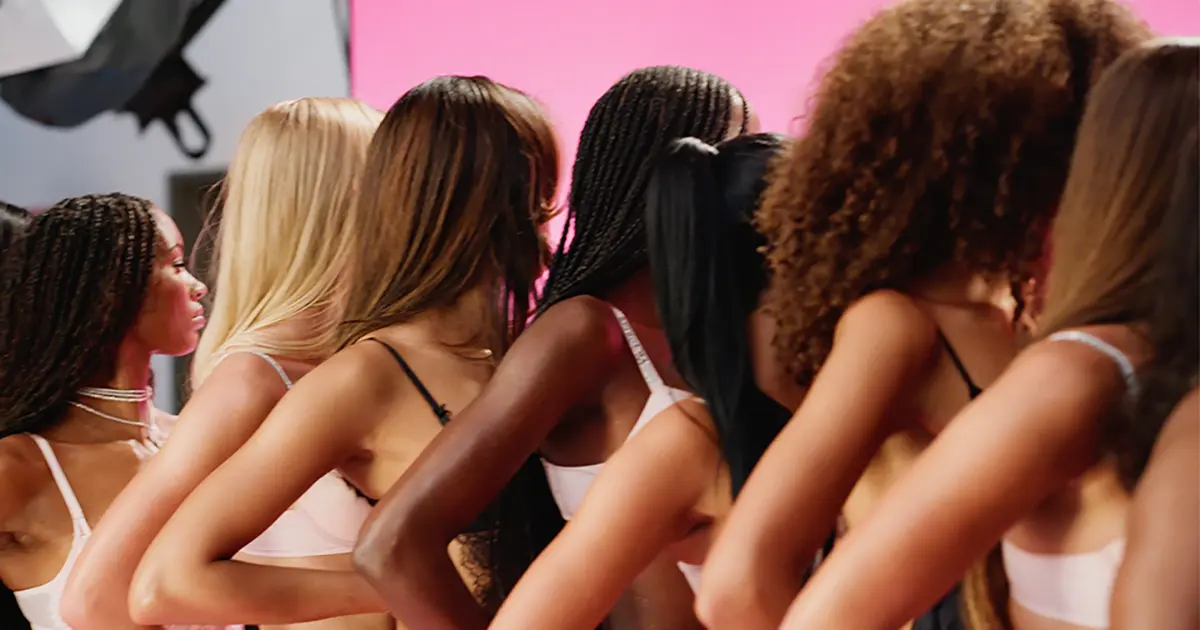
Today, the storied brand is officially reshaping its signature runway event into a communal, hyper-accessible cultural happening. Moving far beyond the velvet ropes of traditional fashion exclusivity, the modern incarnation of the Victoria’s Secret Fashion Show relies on public ticket drops, interactive digital ecosystems, and grassroots initiatives like a nationwide search for a new "Angel."
This year’s milestone event, hosted in Los Angeles on Sunday, October 18, represents a crucial litmus test for the company’s ongoing turnaround. By streaming globally via YouTube and the brand’s proprietary social channels—and capping off the night with an unprecedented TikTok Live stream—Victoria’s Secret is actively breaking down the barrier between audience and runway.
At the helm of this modern renaissance is Chief Marketing and Customer Officer Elizabeth Preis, who joined the organization in May 2025. Preis and her executive team are betting heavily that the future of retail entertainment lies not in passive observation, but in active participation. By transforming what was once an elite, closed-door affair into a night centered around community, fun, and friendship, Victoria’s Secret is attempting a delicate balancing act: retaining its legacy glamour while courting a digitally native, highly inclusive generation of consumers.
Detailed Chronology: From the Vault to the Runway
To fully understand the magnitude of the October 18 Los Angeles fashion show, it is essential to trace the dramatic timeline that brought Victoria’s Secret to this operational turning point.
The Zenith and Collapse of the Traditional Show (1995–2018)
Launched in 1995, the original Victoria’s Secret Fashion Show quickly evolved from a modest marketing stunt into a multi-million-dollar pop culture juggernaut. Featuring fantasy bras encrusted in millions of dollars of precious gems, towering angel wings, and performances by top-tier global musicians, the broadcast routinely drew millions of viewers worldwide.
However, by the late 2010s, the cultural winds had shifted dramatically. Consumers increasingly rejected the homogenous, hyper-sexualized standards of beauty championed by the brand. Plummeting television ratings, coupled with executive controversies and a failure to adapt to the body-positivity movement, culminated in the cancellation of the broadcasted fashion show after its 2018 iteration.
The Wilderness Years and Corporate Restructuring (2019–2024)
Between 2019 and 2023, Victoria’s Secret underwent a massive corporate overhaul. The company split from its parent organization, L Brands, becoming an independent publicly traded entity. Leadership was completely restructured, and the brand initiated a multi-year journey to rebuild its image from the ground up.
Instead of traditional wings and unattainable body standards, marketing campaigns began highlighting diversity, body inclusivity, and female empowerment. A soft relaunch of the fashion show concept occurred in late 2023 via a documentary-style feature film titled The Tour, which served as a bridge between the old guard and the new vision. By 2024, the physical runway returned in a scaled-up format, proving that consumer appetite for the brand’s theatricality still existed, provided the packaging felt modern and relevant.
The Elizabeth Preis Era and the Shift to Participation (2025)
The arrival of Elizabeth Preis as Chief Marketing and Customer Officer in May 2025 marked a distinct acceleration in the brand’s digital and experiential strategy. Recognizing that modern consumers—particularly Gen Z and Millennials—crave experiential validation and two-way dialogue with brands, Preis immediately set out to redesign the consumer journey.
The strategy culminated in the October 18 Los Angeles show. Rather than keeping the event locked away for television producers and Hollywood elites, the brand introduced democratic touchpoints: public ticket access, interactive social media campaigns, and a nationwide talent search designed to unearth the next generation of Victoria’s Secret faces. The evening’s programming—anchored by a global YouTube stream and culminating in a post-show TikTok Live—signaled a permanent departure from 20th-century broadcasting models.
Supporting Context & Metrics: Decoding the Turnaround
The transformation of the Victoria’s Secret Fashion Show is not merely an artistic pivot; it is a calculated financial and operational necessity driven by hard data and shifting consumer psychographics.
The Economics of Engagement
In the era of declining cable television viewership, traditional fashion show broadcasts offered diminishing returns relative to their exorbitant production costs. By shifting the delivery mechanism to digital-first ecosystems like YouTube and TikTok, Victoria’s Secret has dramatically lowered distribution friction while exponentially increasing global reach.
Digital metrics from the 2024 revival laid the groundwork for this year’s strategy, demonstrating that social-first video consumption generates higher engagement, immediate e-commerce conversions, and sustained viral momentum compared to scheduled television slots. The integration of a TikTok Live post-show allows the brand to capture impulsive consumer sentiment in real-time, bridging the gap between digital content consumption and immediate retail action.
The Consumer Shift: From Aspiration to Connection
Market research underlining Preis’s marketing strategy highlights a fundamental evolution in how modern shoppers view luxury and lifestyle brands. Historically, Victoria’s Secret relied on vertical aspiration—consumers looked up to an untouchable ideal.
Today’s consumer prefers horizontal connection. By turning the Los Angeles showcase into a communal event, the brand is capitalizing on the "watch party" phenomenon observed during the 2024 event. Consumers no longer want to watch culture happen in isolation; they want to experience it collectively with their peers, both physically and digitally.
| Era | Primary Medium | Beauty Standard | Audience Interaction | Core Brand Driver |
|---|---|---|---|---|
| 1995–2018 | Network Television / Cable | Homogenous, Highly Exclusive | Passive Viewing | Unattainable Aspiration |
| 2019–2024 | Documentary / Hybrid Digital | Diverse, Body-Positive | Limited / Transitional | Brand Rehabilitation |
| 2025–Present | Global Social Platforms / Live | Multi-Dimensional & Inclusive | Highly Participatory (Tickets, TikTok) | Communal Glamour & Connection |
Official Statements and Industry Perspectives
The structural redesign of the brand’s flagship event has drawn widespread attention across the retail and marketing sectors. Central to understanding this shift are the insights provided by leadership regarding the psychological and social objectives of the new format.
Reflecting on consumer behavior observed during previous iterations, Chief Marketing and Customer Officer Elizabeth Preis emphasized the strategic necessity of inclusivity:
"After observing how fans gathered together to watch the event, Victoria’s Secret wanted to make sure this year was much more participatory as a night of fun and friendship."
This sentiment underscores a broader philosophy shift within corporate headquarters at New York and Reynoldsburg. Industry analysts note that Preis’s approach successfully reframes the brand’s legacy of glamour. Instead of presenting beauty as an exclusionary club requiring a rigid set of physical criteria, the modern Victoria’s Secret positions glamour as a shared, celebratory experience accessible to anyone willing to participate.
Furthermore, internal brand communications emphasize that the nationwide search for a new Angel is designed to decentralize power from traditional modeling agencies. By opening the pipeline to everyday applicants and leveraging digital scouting, the company is attempting to democratize representation—a critical step for a brand working to permanently shed the baggage of its past controversies.
Future Outlook: What Lies Ahead for Victoria’s Secret
As the dust settles on the Los Angeles runway and the metrics from the YouTube and TikTok streams are fully cataloged, the long-term implications of this participatory strategy come into sharp focus.
1. The Blending of Entertainment and Commerce (Shoppable Media)
The success of the October 18 event points toward an aggressive future in "shoppable entertainment." As live-streaming commerce continues to dominate global retail markets—particularly in Asian economies and increasingly in the West—events like the Victoria’s Secret Fashion Show will no longer serve purely as brand awareness exercises. Future iterations are expected to integrate instantaneous e-commerce overlays, allowing viewers to purchase runway looks directly through social video interfaces the exact moment they appear on screen.
2. Redefining the "Angel" Archetype
The ongoing nationwide search for a new Angel signals that the traditional concept of an exclusive, long-term brand ambassador is evolving. Future Angels will likely function less like traditional print models and more like multi-hyphenate digital creators, cultural commentators, and community leaders who can maintain active, daily dialogues with consumers across social platforms.
3. Sustaining Momentum Beyond the Runway
The ultimate challenge for Elizabeth Preis and her marketing team will be maintaining the high-octane energy of the October event throughout the ordinary retail calendar. While a high-profile, participatory fashion show generates immense short-term buzz and digital impressions, long-term brand health relies on translating that communal excitement into consistent, everyday loyalty across core product categories like intimates, loungewear, and beauty.
Conclusion
Victoria’s Secret has successfully navigated the most perilous phase of its corporate turnaround. By trading old-guard exclusivity for modern, participatory communal engagement, the brand has proven its willingness to evolve alongside its consumer base. If the October 18 Los Angeles showcase is any indication, the future of the Victoria’s Secret Fashion Show is not about looking from afar—it is about sharing the spotlight together.