

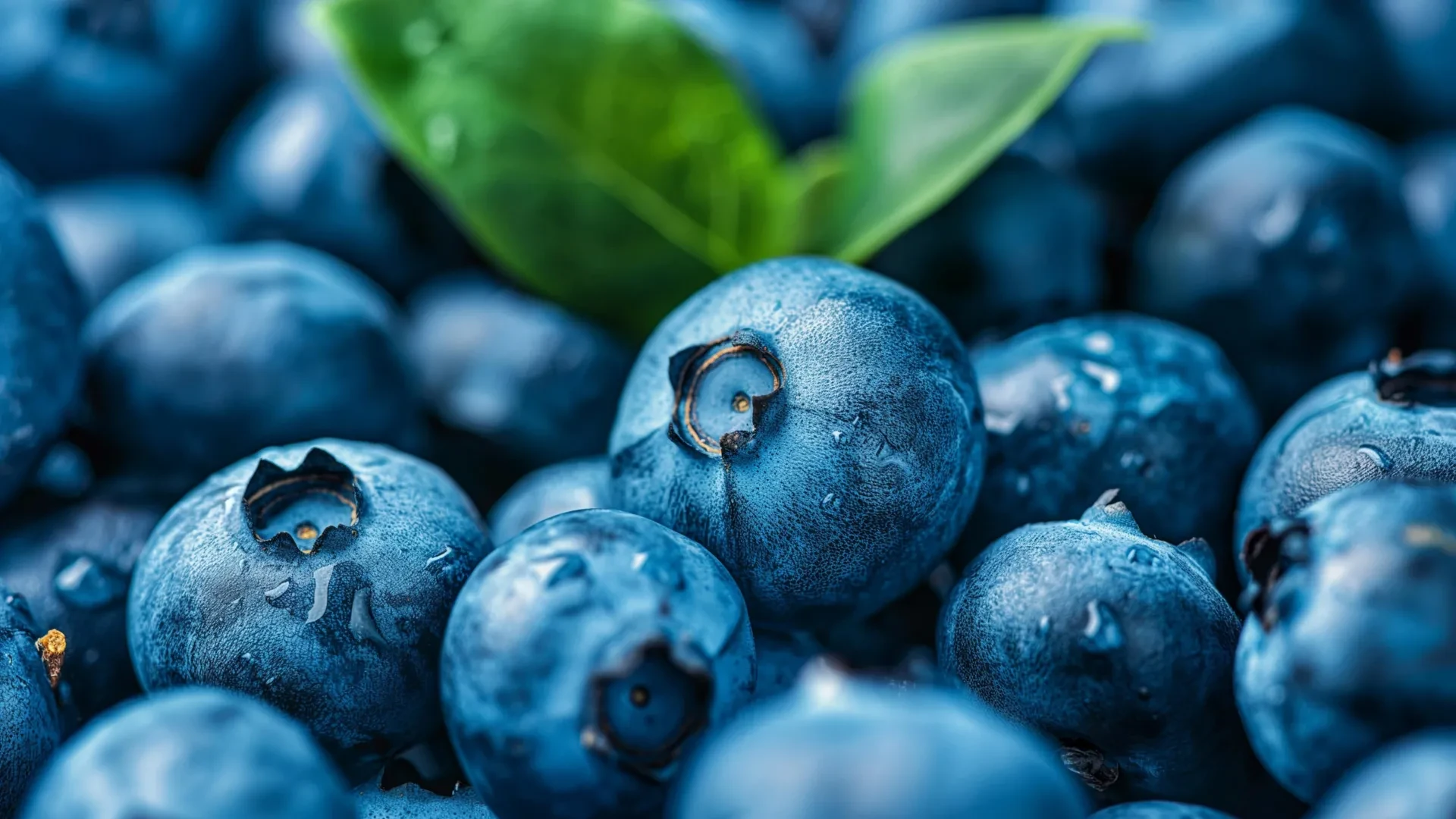
The intersection of dietary habits and neurological health has long captured the imagination of nutritional scientists and medical researchers alike. A compelling new frontier in this domain focuses on the gut-brain axis—a complex, bidirectional communication network linking the central nervous system with the enteric nervous system of the gastrointestinal tract. A recent small-scale pilot study conducted by a multidisciplinary team of researchers provides intriguing, albeit preliminary, insights into how daily consumption of blueberries might influence this intricate system. Specifically, the research investigates whether the regular intake of this antioxidant-rich fruit can modulate gut microbiota and subsequently affect depressive symptoms in older adults.
Published in the Journal of Nutrition, Health and Aging, the study centers on a cohort of sedentary older adults experiencing mild depressive symptoms. Over a rigorous three-month intervention period, participants consumed a daily dose of blueberry powder equivalent to approximately two cups of fresh blueberries, while a control group received a matched placebo. Although the clinical improvements in depressive symptoms observed in the blueberry group did not achieve statistical significance when compared directly to the placebo cohort, the investigation yielded fascinating biological observations. Most notably, metagenomic sequencing revealed subtle yet significant shifts in genes associated with specific gut microbial enzymes, including those tied to the production of neurotransmitters integral to brain signaling.
Led by Dr. Courtney L. Millar of Hebrew SeniorLife’s Hinda and Arthur Marcus Institute for Aging Research, alongside esteemed colleagues from Harvard Medical School, Beth Israel Deaconess Medical Center, and other prominent academic institutions, the study underscores both the potential and the limitations of nutritional interventions in geriatric psychiatry. While the findings stop short of establishing blueberries as a standalone treatment or preventative measure for clinical depression, they open a compelling window into the microscopic mechanisms through which functional foods may subtly alter human biology. This comprehensive review examines the methodology, biochemical findings, expert commentary, and future implications of this pioneering research.
Detailed Chronology: From Hypothesis to Biomarker Analysis
The genesis of this pilot study lies in a growing body of epidemiological and laboratory evidence pointing toward the neurological benefits of flavonoid-rich foods. Blueberries are exceptionally dense in anthocyanins—the water-soluble pigments that impart their deep blue hue—and dietary fiber. These bioactive compounds are known to resist upper gastrointestinal digestion, arriving largely intact in the colon where they interact directly with resident microbial communities.
Designing the Randomized Controlled Trial
To rigorously test the hypothesis that daily blueberry intake could influence both the gut microbiome and mood, the research team structured a randomized, double-blind, parallel-arm, placebo-controlled pilot trial. The design was chosen to minimize bias and isolate the specific variables associated with blueberry consumption.
Researchers established strict inclusion criteria to target a demographic particularly vulnerable to both cognitive stagnation and low-grade depressive symptoms:
- Age and Activity: Participants were required to be 65 years of age or older and classified as physically inactive (sedentary).
- Baseline Mood: Candidates needed to exhibit mild depressive symptoms, assessed prior to the intervention using validated psychological questionnaires.
A total of 18 participants successfully completed the rigorous three-month protocol. Demographically, the cohort was predominantly white and skewed toward female participants, divided into a placebo group ($n = 8$, mean age $75 pm 6$ years) and an active blueberry intervention group ($n = 10$, mean age $71 pm 4$ years).
The Intervention Protocol
Over the course of 90 days, participants in the active treatment arm consumed 48 grams of standardized blueberry powder daily. This precise quantity was calculated to mirror the nutritional payload of approximately two cups of fresh, high-quality blueberries. The control group received a visually and textually matched placebo powder designed to mimic the caloric, carbohydrate, and sensory profile of the blueberry supplement without delivering the active anthocyanins and specific fibers.
Multi-Omics and Psychological Assessment
To capture the complex biochemical shifts occurring within the participants, the research team deployed advanced multi-omics technologies:
- Metagenomic Sequencing: Fecal samples collected before and after the intervention underwent deep sequencing to evaluate the taxonomic abundance of microbial species and functional gene pathways within the gut microbiome.
- Mass Spectrometry: Liquid chromatography coupled with mass spectrometry (LC-MS) was utilized to measure fecal short-chain fatty acids (SCFAs)—vital metabolites produced when gut bacteria ferment dietary fibers, known for their anti-inflammatory and neuro-modulating properties.
- Psychometric Evaluations: Standardized, validated questionnaires were administered at baseline and post-intervention to quantify changes in depressive symptom severity over time.
Supporting Context & Metrics: Unpacking the Microbiome Data
When analyzing the post-intervention data, researchers encountered a nuanced and complex picture that highlights the challenges of translating nutritional epidemiology into definitive clinical outcomes. The metrics reveal a fascinating dichotomy between macroscopic clinical changes and microscopic enzymatic adaptations.
Clinical and Overall Microbial Outcomes
From a clinical standpoint, participants in the blueberry group did experience a more consistent reduction in self-reported depressive symptoms over the three-month period. However, when these improvements were juxtaposed against the placebo group, the variance failed to reach statistical significance. In scientific terms, while a positive trend was observed, it could not definitively be separated from potential placebo effects or natural fluctuations in mood.
Similarly, the broad structural composition of the gut microbiome remained largely stable. The overall abundance of distinct microbial species, MetaCyc metabolic pathways, and total short-chain fatty acid concentrations showed no statistically significant divergence between the baseline measurements and the 90-day mark, nor between the two study arms. For a field that often anticipates dramatic shifts in microbial populations following dietary interventions, these findings emphasize that complex microbial ecosystems in older adults can be remarkably resilient to single-food modifications over a relatively short timeframe.
Enzymatic Shifts and Neurotransmitter Pathways
Despite the stability of broad microbial populations, a closer examination of functional genes revealed a crucial piece of the puzzle. Researchers identified statistically significant alterations within the blueberry group regarding the abundance of genes associated with specific gut microbial enzymes.
Most notably, the study noted changes linked to EC 3.6.3.31 Polyamine Transporting ATPase. This specific enzymatic pathway is intimately involved in the transport and regulation of polyamines and plays a functional role in the synthesis and regulation of gamma-aminobutyric acid (GABA). GABA is the primary inhibitory neurotransmitter in the central nervous system, responsible for regulating neuronal excitability throughout the nervous system and directly implicated in the modulation of anxiety, mood, and emotional regulation.
This discovery provides a vital mechanistic clue: dietary interventions can modulate the functional capacity of the microbiome—what the microbes are capable of doing—even when the absolute headcount of specific bacterial species remains unchanged.
Official Statements and Expert Perspectives
The complexity of the findings has drawn thoughtful commentary from the study’s authors and principal investigators, who emphasize the exploratory nature of the trial while pointing toward promising directions for future research.
"Fiber and anthocyanins in blueberries have potential to modify the gut microbiome and metabolites that are relevant to depression in older adults," noted lead author Dr. Courtney L. Millar, Assistant Scientist II at Hebrew SeniorLife’s Hinda and Arthur Marcus Institute for Aging Research, and Assistant Professor of Medicine at Beth Israel Deaconess Medical Center and Harvard Medical School.
Elaborating on the study’s core mission, Dr. Millar explained, "Our objective was to preliminarily determine the effect of blueberry consumption on the gut microbiome, metabolites, and depressive symptoms, paving the way for larger, more definitive trials."
The collaborative effort brought together a powerhouse of academic and medical institutions. Contributing authors spanned prestigious entities, highlighting the interdisciplinary nature of modern biogerontology and nutritional psychiatry:
- Dr. Mohit P. Chopra (Deanna and Sidney Wolk Center for Memory Health at Hebrew SeniorLife & UMass Chan Medical School)
- Dr. Xochitl Morgan and Dr. Emily A. Green (Department of Biostatistics, Harvard T.H. Chan School of Public Health)
- Alex Wolfe (Hinda and Arthur Marcus Institute for Aging Research)
- Kerry A. Pierce (Broad Institute of MIT and Harvard)
- Dr. Lidan Gao and Dr. Christopher N. Blesso (Department of Nutritional Sciences, University of Connecticut)
- Dr. Alyssa B. Dufour, Dr. Douglas P. Kiel, and Dr. Lewis A. Lipsitz (Hebrew SeniorLife, Harvard Medical School, and Beth Israel Deaconess Medical Center)
These experts collectively underscore that while the link between dietary anthocyanins and mental health is biologically plausible—grounded in the ability of microbial metabolites to cross the blood-brain barrier and influence neuroinflammation and neurotransmitter production—bridging the gap from a small pilot cohort to clinical guidelines requires profound methodological scaling.
Future Outlook: The Horizon of Nutritional Psychiatry
As the medical community continues to grapple with the rising prevalence of geriatric depression and the limitations of traditional pharmacological interventions—which frequently carry side effect burdens in older populations—investigations into nutritional psychiatry assume heightened importance. This pilot study, while modest in scale, serves as an essential stepping stone for future research paradigms.
Methodological Lessons for Subsequent Trials
The limitations of the current study outline a clear roadmap for subsequent investigations:
- Sample Size and Diversity: With an active analysis cohort of 18 participants—predominantly white and female—the statistical power was inherently limited. Future trials must recruit larger, more demographically diverse cohorts to ensure generalizability across different populations, sexes, and ethnic groups.
- Duration of Intervention: A three-month window, while sufficient to detect subtle enzymatic shifts, may be too short to induce sweeping macroscopic changes in the established gut microbiome of older adults or to generate statistically significant divergence in clinical mood scales against a placebo. Longitudinal studies spanning six months to a year will be critical.
- Dose-Response Optimization: Evaluating varying concentrations of blueberry powder or comparing powdered supplements directly against whole fruit consumption will help clarify whether the observed enzymatic changes are dose-dependent.
The Broader Scientific Trajectory
The implications of discovering that dietary components can alter microbial enzyme genes—such as those governing GABA-related pathways—extend far beyond blueberries. This research contributes to a paradigm shift in how scientists view food: not merely as caloric sustenance or simple macronutrient delivery systems, but as an active biochemical software that communicates directly with our internal microbial symbionts.
Ultimately, while patients and clinicians should avoid interpreting these preliminary findings as a clinical prescription for depression management, the study provides a scientifically sound rationale for maintaining a diet rich in polyphenol-dense berries. As larger, adequately powered randomized controlled trials are designed and executed in the coming years, the medical community will inch closer to fully mapping the delicate biochemical dialogue between what we eat, the trillions of microbes residing within us, and the health of our minds.