The landscape of American media, political accountability, and First Amendment jurisprudence is currently undergoing a period of profound friction. Recent developments on multiple fronts highlight an escalating campaign by certain political actors to restrict journalistic access, stifle critical reporting, and police public discourse. Most notably, a federal court has dealt the Trump administration a stinging legal defeat, ruling that the White House must immediately restore press credentials to major news outlets—including CNN, MS NOW, and Politico—while constitutional challenges proceed to trial.
Simultaneously, at the legislative level, instances of elected officials misunderstanding or actively misrepresenting constitutional protections have ignited intense public scrutiny. Representative Andy Harris (R-Md.) made headlines following an aggressive and legally baseless confrontation with a student journalist over recording laws in a public forum. In the broadcast world, structural shifts continue to reshape the industry, evidenced by dramatic ratings fluctuations for legacy programs like 60 Minutes and high-profile network shake-ups, such as Jim Nantz’s public commentary regarding the departure of his longtime broadcast partner, Tony Romo.
This comprehensive report examines these intersecting crises, analyzing the legal battles over White House access, the legislative flashpoints threatening local and student journalism, and the broader economic and cultural dynamics currently transforming the American media ecosystem.
Detailed Chronology: Legal Battles and Political Flashpoints
The White House Press Pass Legal Battle
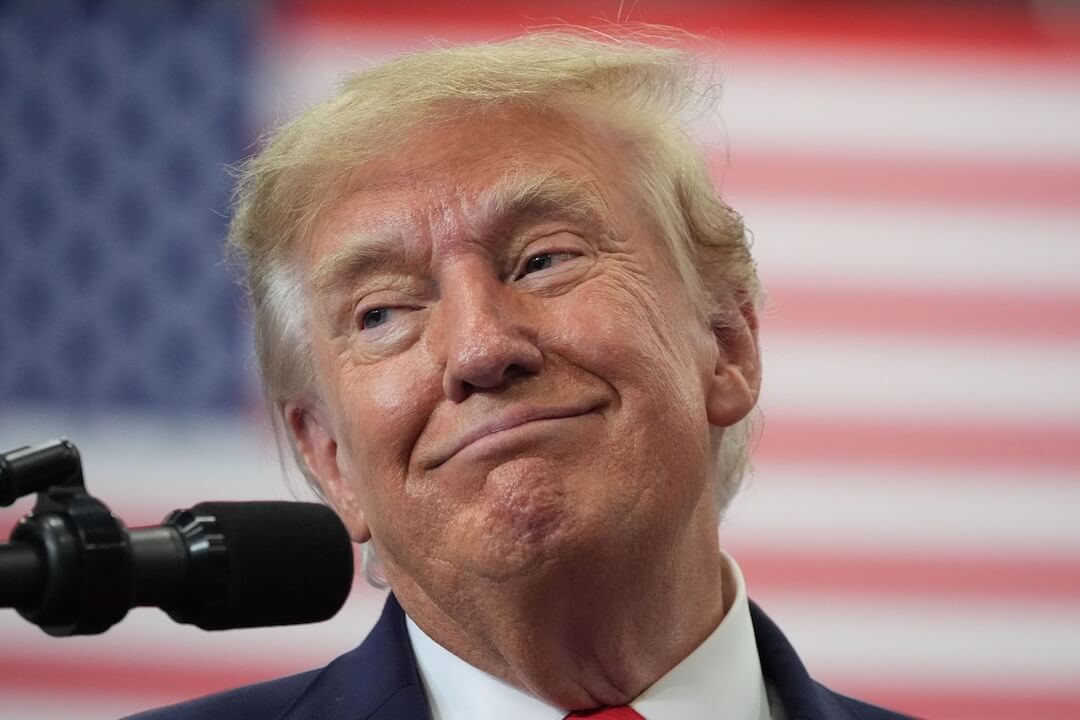
The ongoing conflict between the executive branch and the institutional press reached a pivotal juncture late Tuesday when U.S. District Judge Timothy J. Kelly issued a definitive ruling. The court ordered the Trump administration to immediately reinstate the hard White House press passes for journalists representing CNN, MS NOW, and Politico.
The controversy began last month when the administration barred the outlets from the White House complex. Public statements from President Trump strongly suggested that the revocation was a direct punitive measure against critical and unfavorable coverage. Initially, Judge Kelly granted a 14-day temporary restraining order, which was subsequently extended as the court weighed requests for a preliminary injunction. Tuesday’s ruling granted that broader relief, firmly favoring the press corps.
Judge Kelly previously indicated that the administration’s unilateral ban violated the outlets’ Fifth Amendment rights to due process. In his latest memorandum, the judge expanded his critique, ruling that the actions also likely infringed upon the First Amendment rights of the journalists. Kelly noted a clear causal link between the outlets’ protected speech and the revocation of their credentials, writing that the President "likely banned Plaintiffs from the White House because he believes that their reporting is generally inaccurate and biased against him."
The administration has vowed to appeal, dismissing the decision as "misguided." Officials initially attempted to justify the ban on national security grounds. However, Judge Kelly forcefully rejected this rationale, pointing out a complete absence of administrative record or direct statements from the President linking the pass revocations to national security concerns from the outset.
Representative Andy Harris and the First Amendment Clash
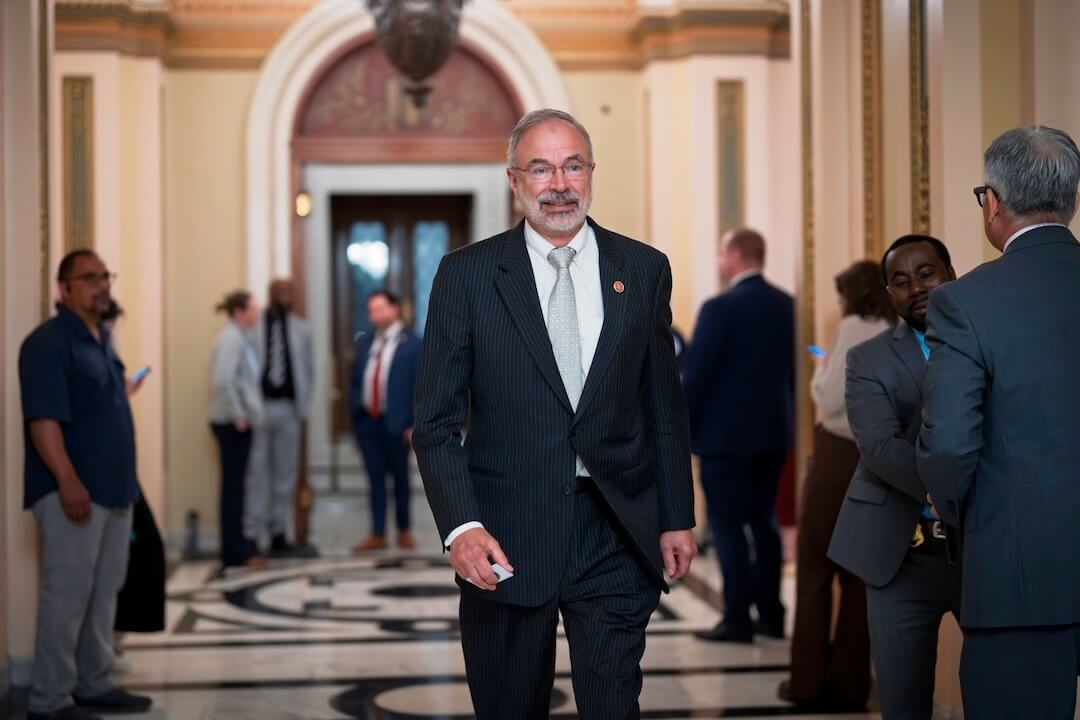
While federal courts wrestled with constitutional protections at the highest level of government, local and student journalism faced a starkly direct threat in Maryland. Representative Andy Harris experienced a turbulent week that began with a contentious debate against Democratic challenger Dan Schwartz. When questioned about the rising costs of diesel fuel, Harris attempted to blame environmental regulations and opposing lawmakers, only to be met with laughter and jeers from the audience.
Losing his composure, Harris lashed out at the crowd, accusing attendees of hypocrisy regarding the First Amendment. However, the real constitutional crisis unfolded after the debate concluded during an informal press gaggle.
Harris targeted Cat Murphy, a graduate student reporter for Capital News Service—a student-powered news organization operated by the University of Maryland’s Philip Merrill College of Journalism. Visibly agitated by Murphy’s presence and reporting, Harris demanded that she cease recording, warning, "You don’t have my permission to record. If you record, we will refer you to the prosecutor."
The congressman repeatedly and incorrectly asserted that Murphy was violating Maryland wiretapping statutes, claiming the state’s "two-party consent" law applied to the interaction. However, legal experts swiftly pointed out that two-party consent statutes strictly govern private oral communications where individuals maintain a reasonable expectation of privacy. A public debate venue surrounded by reporters and cameras does not qualify as private.
When another journalist interjected to remind Harris that the exchange occurred in a public forum, the congressman turned his ire toward them, boasting of his status as a legislator and claiming superior legal knowledge. As Murphy calmly pressed on with questions regarding foreign policy, Harris escalated his demands, calling for an officer and ordering individuals to confiscate her camera. Refusing to answer inquiries about his stated support for the First Amendment, Harris eventually stormed out, publicly blaming Murphy for ruining his colleagues’ chances of securing interviews.
Supporting Context & Metrics: Ratings, Reach, and Realities
Television Ratings and Lead-In Dynamics
Beyond legal and political battlegrounds, the business of television news and programming continues to experience volatile shifts. A prime example is CBS News’ flagship investigative program, 60 Minutes.
Just one week after celebrating a major milestone—surpassing 10 million viewers for the first time this season with a report bolstered by a dramatic NFL lead-in—the program suffered a precipitous ratings decline. Nielsen data indicated that the following Sunday’s broadcast, which featured Lesley Stahl’s reporting from the West Bank, drew roughly 6.061 million viewers. Industry analysts noted that this represented the lowest-rated fourth episode of a 60 Minutes season in the 21st century.
The dramatic fluctuation underscores the heavy reliance of legacy news broadcasts on sports programming lead-ins. The previous week’s high viewership benefited directly from a marquee late-window NFL matchup between the Kansas City Chiefs and the Las Vegas Raiders. Conversely, the subsequent week featured the game of the day on Fox, depriving CBS of the crucial sports-viewing spillover audience necessary to sustain blockbuster ratings.
The Tony Romo Departure and Network Shuffling
In sports broadcasting, the fallout from former NFL star Tony Romo’s abrupt departure from CBS continues to reverberate. Romo, who spent seven years in the top-tier broadcast booth alongside play-by-play announcer Jim Nantz, was suspended over the summer following an arrest on suspicion of driving while intoxicated in Wisconsin. CBS subsequently parted ways with Romo entirely, turning to J.J. Watt to fill the prominent analyst role.
During a recent appearance on the Traina Thoughts podcast, Jim Nantz addressed the situation for the first time publicly. Nantz praised Romo’s unique talent and star power, expressing confidence that the former quarterback will eventually return to the industry, whether in the broadcast booth or studio. Nantz also emphasized that his personal relationship with Romo remains strong, describing it as a "forever relationship" built on years of close collaboration.
Official Statements and Institutional Responses
The defense of press freedoms has drawn unified condemnation of government overreach from legal advocates and media executives alike.
Ted Boutrous, lead attorney for the media plaintiffs in the White House access lawsuit, issued a scathing critique of the administration’s actions:
"When the President issued his ‘ban on the free press,’ he blatantly and explicitly violated due process and the First Amendment. Since then, the President has repeatedly, candidly, and consistently admitted in public that he banned our clients from the White House to punish reporting he doesn’t like… The harm this ban did to our clients, the First Amendment, and the public as a whole is profound."
Bruce D. Brown, president of the Reporters Committee for Freedom of the Press, echoed these sentiments, highlighting the broader implications for the journalistic community:
"The court has put an end to a blatantly unconstitutional attempt to punish news outlets for coverage the president doesn’t like. The decision protects not only CNN, MS NOW, and Politico, but all the other holders of White House passes who continued to work under the threat of retaliation — and of course the public, which deserves timely and accurate information from a press corps free from government intimidation."
At CNN, network leadership adopted an uncompromising posture. Mark Thompson, making a rare on-air appearance following the judge’s ruling, emphasized that the network views the legal victory as a vital affirmation of public rights rather than a mere corporate win. Speaking with CNN’s Kate Bolduan, Thompson stated:
"It’s a vote of confidence in free speech, and our right — not really so much for ourselves, but on behalf of the public everywhere… to hear their political leader held to account by the press in ways that no politician always loves… This topic is one we’re never going to back down from. And no matter how many court cases, investigations, court appearances and all the expense that that entails, we will fight this one to the end."
In a subsequent internal memo to staff, Thompson reiterated this resolve, promising that CNN would pursue its press freedom rights to exhaustion, ensuring that frontline reporters operating in complex and hazardous environments retain the institutional backing necessary to perform their duties safely and effectively.
Public reaction to Representative Harris’s altercation with student journalist Cat Murphy was similarly swift and unequivocal. High-profile media figures took to social media to correct the congressman’s legal misinterpretations:
CNN anchor Jake Tapper: "To say the very least on this, the congressman is incorrect on the law. Two-party consent is relevant only to private oral conversations, and he has zero expectation of privacy here. 1st Amendment gives you the right to record public officials in public places as long as you’re not interfering with their official duties."
The Washington Post’s Drew Harwell: "How embarrassing for a member of Congress to not only think it’s illegal to record in public but to try to get a reporter arrested for doing so."
Independent journalist Jim Acosta: "He’d like to speak with the manager."
Despite widespread ridicule and professional condemnation, neither Representative Harris nor his congressional office issued an immediate retraction or formal apology regarding the incident.
Future Outlook
As these legal and cultural battles unfold, their long-term ramifications for American journalism and democratic governance will be substantial.
The White House Access Trial: While Judge Kelly’s preliminary injunction ensures that CNN, MS NOW, and Politico retain their press credentials in the interim, the case is destined for a comprehensive trial. The central question of whether an administration can leverage pass revocations to penalize unfavorable coverage will likely wind its way toward appellate courts, potentially setting a landmark constitutional precedent regarding executive power and the First Amendment.
Protection of Local and Student Press: The incident involving Representative Harris and Cat Murphy underscores the growing vulnerability of local and student journalists operating in increasingly hostile political environments. The widespread public defense of Murphy—culminating in professional recognition and encouragement from veteran journalists—highlights the vital role that emerging reporters play in maintaining institutional accountability, even in the face of intimidation.
The Evolving Media Ecosystem: From the economic pressures facing legacy television networks and their reliance on sports lead-ins to high-profile personnel transitions, the media industry remains in a state of rapid adaptation. Navigating this landscape will require unwavering institutional commitment to constitutional protections, robust legal defense funds, and a steadfast refusal by news organizations to yield to political pressure.
Ultimately, the events of the past week serve as a stark reminder that the freedom of the press is neither self-executing nor guaranteed without active defense. Whether in federal courtrooms challenging executive overreach or in local forums recording public officials, the daily work of journalism remains an indispensable pillar of an open society.