

Executive Overview
Retail media networks (RMNs) have rapidly evolved from digital afterthoughts into multi-billion-dollar engines driving profitability for major big-box retailers. Among these, Roundel—the in-house media network of retail giant Target—has positioned itself as a sophisticated bridge between brands and high-intent consumers. However, as the physical store increasingly converges with the digital ecosystem, RMN operators face a strategic crossroads: how to monetize physical footprint real estate without compromising the consumer experience.
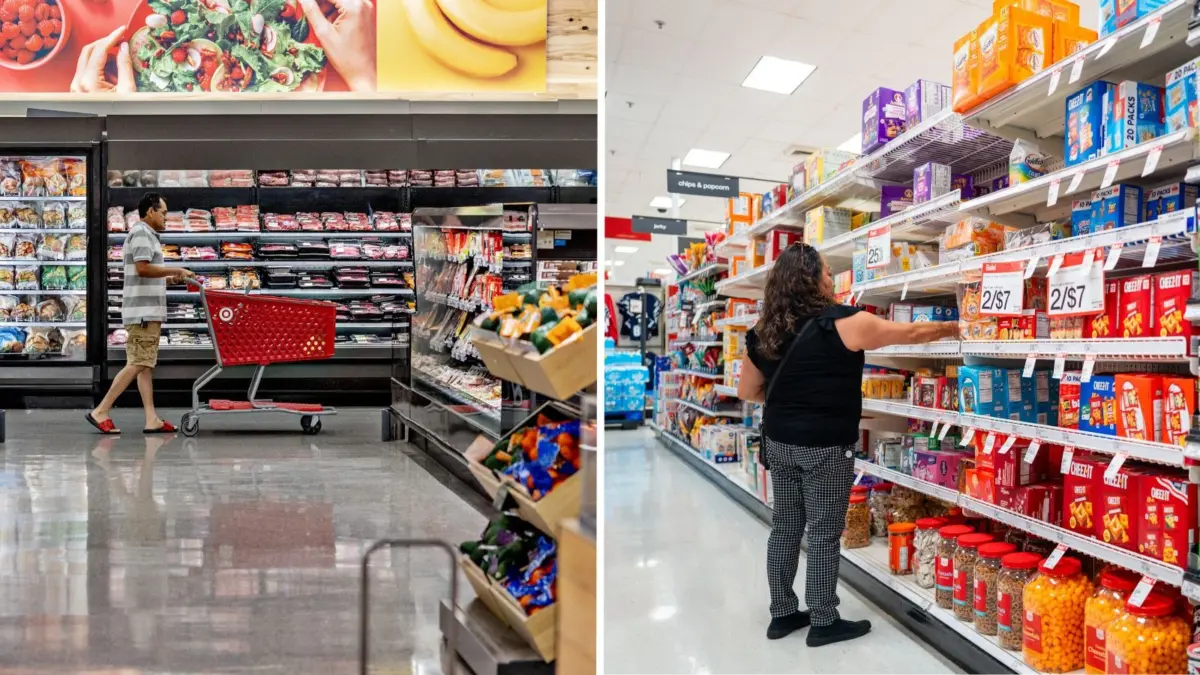
During a high-profile industry event in New York City last week, hosted exclusively for Target’s premier advertising partners, senior executives from Roundel addressed the future of in-store monetization. While competing retailers have aggressively blanketed their physical aisles with flashing digital screens, electronic shelf labels, and blaring audio advertisements, Target is adopting a notably more measured approach. According to Jenny Holleran, Vice President of Roundel’s Partner Solutions Group, the integration of digital screens into physical stores is under consideration, but any implementation remains strictly contingent upon preserving the frictionless, pleasant store environment that Target shoppers expect.
Instead of rushing to install digital billboards in the detergent aisle or the cosmetics department, Roundel is currently leaning into a different kind of in-store digital engagement: mobile-first connectivity. By leveraging the Target app and mobile website—platforms actively utilized by roughly 60% of shoppers while they physically navigate store aisles—Roundel argues that brands can achieve superior attribution and engagement without cluttering the physical landscape.
This in-depth report explores the strategic debates shaping modern retail media, analyzing the operational challenges of in-store screen adoption, the behavioral economics of the modern omnichannel shopper, and what the future holds for brands vying for consumer attention within Target’s four walls.
Detailed Chronology
The Evolution of Roundel and the Shift to In-Store Focus
- 2019: Target officially rebrands its media sales division from Target Media Network to Roundel, signaling an expanded ambition to operate more like an independent media agency, offering brands advertising opportunities not just on Target.com, but across external publisher networks as well.
- 2021–2022: As e-commerce growth normalizes following the explosive pandemic-era highs, retail media networks pivot heavily toward maximizing the value of the physical store. Retailers realize that brick-and-mortar locations remain the ultimate point of conversion, prompting a race to digitize physical retail assets.
- 2023: Industry competitors rapidly scale up their in-store digital networks. Grocery chains, pharmacies, and department stores install thousands of point-of-sale screens, endcap monitors, and smart cart displays, creating a booming new revenue stream from physical ad space.
- Late 2024 (Adweek Commerce Event, New York): Roundel hosts a targeted gathering for its advertising partners in New York. During a transparent Q&A session regarding the next generation of retail media, executives are pressed on Target’s strategy for physical store monetization. Jenny Holleran outlines Roundel’s cautious stance on physical screens, highlighting instead the heavy utilization of mobile devices by in-store shoppers as the primary vehicle for brand engagement.
Supporting Context & Metrics: The Omnichannel Reality
To understand Target’s hesitation regarding physical digital screens, one must examine the unique behavioral patterns of the modern Target shopper, alongside the broader macroeconomic pressures facing retail media networks.
The Mobile-First In-Store Phenomenon
Retail analytics consistently demonstrate that the physical store is no longer an isolated analog environment. According to data shared by Roundel executives, an impressive 60% of Target shoppers actively use the retailer’s proprietary app or mobile website while physically walking the aisles.
This behavior transforms the smartphone into a personal, portable digital screen. Rather than looking up at an overhead monitor or a digital shelf-edge display—which may or may not be relevant to their immediate shopping list—consumers are looking down at a screen customized entirely to their preferences, past purchase history, and real-time location within the store.
[Traditional Retail Media]
Physical Ads / Billboards ──> Generic Mass Reach (Low Context)

[Target / Roundel Strategy]
In-Store Shopper ──> Uses Target App (60% Penetration) ──> Hyper-Targeted Mobile Ad (High Relevance & Attribution)
This dynamic offers several distinct advantages over physical screens:
- Personalization: A mobile app ad can be tailored dynamically based on the user’s loyalty status, basket contents, and search queries, whereas a physical screen broadcasts the same static or looped video ad to every person walking down the aisle.
- Seamless Attribution: Digital impressions served via the Target app can be tracked directly to immediate physical or digital checkout, providing brands with closed-loop measurement that satisfies modern performance-marketing demands.
- Preservation of Ambiance: Target has long cultivated a clean, visually uncluttered brand identity often colloquially dubbed "Tarzhay"—a perception of elevated retail design compared to discount competitors. Cluttering sightlines with digital displays risks eroding this core brand equity.
The Retail Media Growth Paradox
Retail media is arguably the fastest-growing sector in modern advertising, projected by industry analysts to eclipse traditional television ad spend within the decade. Retailers love RMNs because they boast profit margins north of 70%, transforming low-margin retail operations into high-margin media powerhouses.
However, brands are increasingly suffering from "RMN fatigue." With nearly every major retailer launching a proprietary media network, brands are forced to parse dozens of fragmented platforms, disparate data clean rooms, and varying measurement standards. At the recent New York industry event, executives noted that while brands are eager to capture sales, they are growing increasingly skeptical of metrics that lack standardization. When retailers attempt to layer on expensive physical screen infrastructure, the pressure mounts on brands to justify these capital expenditures through rigorous return on ad spend (ROAS) models—models that are notoriously difficult to prove for overhead ambient displays.
Official Statements and Industry Perspectives
The discourse at last week’s Roundel partner event illuminated the ideological split within the retail media ecosystem between aggressive physical digitization and curated, experience-first restraint.
Jenny Holleran, VP of Roundel’s Partner Solutions Group, addressed the core dilemma during the conference’s Q&A panel. When queried about the role physical stores will play in the next generation of RMN strategies, Holleran emphasized a customer-first philosophy:
"Target is looking into putting digital screens in stores, but only in a way that wouldn’t disrupt the customer experience."
This statement underscores a deliberate, calculated hesitancy. While technological capabilities exist to digitize nearly every square foot of a Target superstore, leadership recognizes that the immediate gratification of ad revenue must be weighed against the long-term cost of customer alienation. Shoppers visit brick-and-mortar stores not only for transactional efficiency but for the tactile, exploratory experience of browsing. Over-saturation of digital advertisements risks transforming peaceful retail environments into high-stimulus digital billboards reminiscent of Times Square.
Industry analysts attending the event noted that Roundel’s stance represents a mature approach to retail media. Rather than chasing short-term ad inventory expansion, Roundel is protecting its foundational asset: consumer trust and store comfort.
Brand representatives at the conference offered mixed reactions. While some performance marketers expressed a desire for more physical touchpoints to capture impulse buys, many brand strategists praised Target’s restraint. "We don’t need more noise in the stores; we need better signal," remarked one senior digital marketing executive from a major CPG (Consumer Packaged Goods) brand. "If 60% of shoppers are already holding Target’s app in their hands, that is where our media dollars work hardest and smartest."
Future Outlook: What Lies Ahead for Roundel and In-Store Media
As we look toward the remainder of the decade, the trajectory of retail media inside physical stores will likely be defined by a delicate balance between technological innovation and consumer psychology. Several key trends will dictate how Target and Roundel navigate this landscape:
1. The Rise of "Silent" and Contextual Digital Integration
If Target does ultimately introduce digital screens to its physical stores, they will not resemble the loud, flashing video walls common in contemporary pharmacies and grocery stores. Industry insiders anticipate a more integrated, minimalist approach. Think subtle, interactive endcap displays that assist with product selection, recipe inspiration, or customized beauty consultations—screens that function as digital sales associates rather than intrusive broadcast media.
2. Deepening Mobile-App Synergy
Given that 60% of in-store shoppers already utilize the Target mobile app, the immediate future of Roundel’s in-store strategy will focus heavily on proximity marketing, geofencing, and in-store navigation aids. Brands will increasingly buy programmatic ad inventory that triggers notifications or promotional offers precisely when a consumer enters a specific department. For example, a shopper browsing organic coffee beans might receive a timely digital coupon for a complementary creamer brand, delivered seamlessly via the app without a physical screen in sight.
3. Standardization and Advanced Attribution
As brands become more selective with their RMN budgets, Roundel will face mounting pressure to prove the efficacy of its offerings. The future will require advanced econometric modeling and data clean room integrations that connect app engagement, digital ad exposure, and physical basket conversion with absolute precision. Brands will no longer pay for speculative impressions; they will demand verifiable incrementality.
4. Protecting the "Tarzhay" Brand Equity
Ultimately, Target’s greatest competitive advantage in the retail landscape has always been its brand positioning—an inviting, aesthetically pleasing environment that elevates mass-market retail. As competitors push deeper into aggressive, ad-heavy store formats, Target’s commitment to preserving the customer experience could serve as a powerful differentiator. By carefully regulating where, when, and how digital media appears in stores, Roundel can build a sustainable, high-performing media network that respects the shopper while continuously delivering exceptional value to its brand partners.