

Executive Overview
Artificial Intelligence has transitioned rapidly from a speculative technological frontier into the cornerstone of corporate strategy. Across industries, executive boards are mandating aggressive AI integration, greenlighting enterprise-wide software licenses, and issuing sweeping directives to modernize operations. Yet, viewed from the ground level, these rollouts frequently resemble farce rather than strategy. If translated to film, critics would dismiss the chaotic implementation as implausible.
Yet, organizations find themselves trapped in a familiar cycle of frustration. As digital strategist Paul Boag observes, we have been here before.
A decade ago, organizations approached the "digital transformation" era with identical zeal and matching incompetence. Back in 2014, when Boag published Digital Adaptation for Smashing Magazine to dissect corporate failures in adopting websites, content management systems, and mobile apps, the parallels to today’s AI rush were already forming. The foundational error remains identical: leadership continues to treat a profound cultural and structural evolution as a simple IT implementation project.
By framing AI adoption purely through a technical lens—procuring enterprise licenses, offering generic training modules, and tightening governance—companies are bypassing the human element. Consequently, staff are left anxious about job security, overworked, unmotivated, and terrified of making mistakes. This article investigates the systemic pitfalls of modern AI integration, drawing vital lessons from the digital transformation era to outline a sustainable path forward through adaptable technology, psychological safety, and human-centric change management.
Detailed Chronology: From the CMS Rush to the Generative AI Boom
To understand why corporate AI strategies are faltering, it is instructive to examine the historical trajectory of enterprise technology rollouts over the past fifteen years.
Phase 1: The Digital Transformation Era (2010–2018)
During the peak of the digital transformation wave, corporate IT departments were tasked with modernizing internal architecture and customer-facing touchpoints. Enterprises rushed to deploy Content Management Systems (CMS), Customer Relationship Management (CRM) platforms, and complex intranets. Simultaneously, consumer-facing teams launched mobile applications and personalization engines.
However, these initiatives suffered from a fatal disconnect: leadership focused almost exclusively on the software stack while ignoring the end-user experience. Internal administrative systems were notoriously cumbersome, resulting in low adoption rates. On the external front, digital products were built based on executive assumption rather than genuine consumer research.
Projects dragged on for months or years, mired in bureaucratic approval processes overseen by cautious steering committees. Employees were commanded to "go digital" while their daily Key Performance Indicators (KPIs) remained rigidly tied to legacy processes. The result was widespread project failure, bloated IT budgets, and deep employee cynicism.
Phase 2: The AI Inflection Point (2022–Present)
The public release of generative AI models ignited an unprecedented corporate gold rush. Fearing obsolescence, senior executives mandated immediate AI integration. However, the execution playbook remained frozen in 2014.
Today, IT departments purchase enterprise-wide generative AI licenses—such as Microsoft Copilot Studio—deploy them universally, and consider the task complete. Employees receive a generic, one-hour training seminar on prompt engineering and are expected to instantaneously revolutionize their daily workflows.
Rather than empowering workers, this approach has generated systemic friction. Employees read daily headlines predicting automation-driven job losses, heightening anxieties that their own companies plan to use AI to downsize workforces. Because productivity gains primarily benefit the corporate bottom line—demanding that workers produce more within the exact same working hours without additional compensation or reduced schedules—staff view AI adoption not as an opportunity, but as an existential threat.
Supporting Context & Metrics: The Anatomy of Modern AI Resistance
The friction between executive ambition and ground-level execution manifests in several distinct operational bottlenecks. Organizations attempting to force AI adoption without addressing these systemic realities encounter predictable barriers:
- The Procedural Knowledge Deficit: Learning to incorporate AI into professional workflows is not merely a matter of clicking buttons; it requires dismantling and rebuilding years, or even decades, of procedural knowledge. For overworked employees struggling to clear daily to-do lists, there is simply no cognitive bandwidth left for experimentation.
- The Fear of Failure: In corporate cultures where errors are treated as signs of incompetence, stringent governance and unrealistic expectations paralyze staff. Documented instances of employees being reprimanded for token consumption spikes or minor output anomalies teach workers a clear lesson: the safest course of action is to ignore AI tools entirely and revert to legacy methods.
- The Rise of Shadow AI: When official enterprise tools fail to meet specialized departmental needs—such as a UX research team requiring an AI-powered insights repository that standard corporate software cannot deliver—employees circumvent IT restrictions. Staff routinely open personal accounts on consumer AI platforms via personal devices to accomplish their work. This "Shadow AI" creates severe data governance risks, leaking proprietary corporate information into unmonitored external ecosystems.
Official Perspectives and Expert Insights
Industry analysts and change management specialists emphasize that successful technology integration relies on decentralization, peer-to-peer learning, and psychological safety.
Paul Boag argues that organizations must completely rethink how they incentivize and support their workforce during technological transitions. Instead of demanding immediate compliance from resistant departments, leadership should identify early adopters—the enthusiasts already experimenting with generative AI independently—and provide them with platforms to share success stories.

"Rather than trying to win over the most resistant staff first, organizations should find the people already experimenting with AI, give them time to share what they have learned, and let social proof do the heavy lifting." — Paul Boag
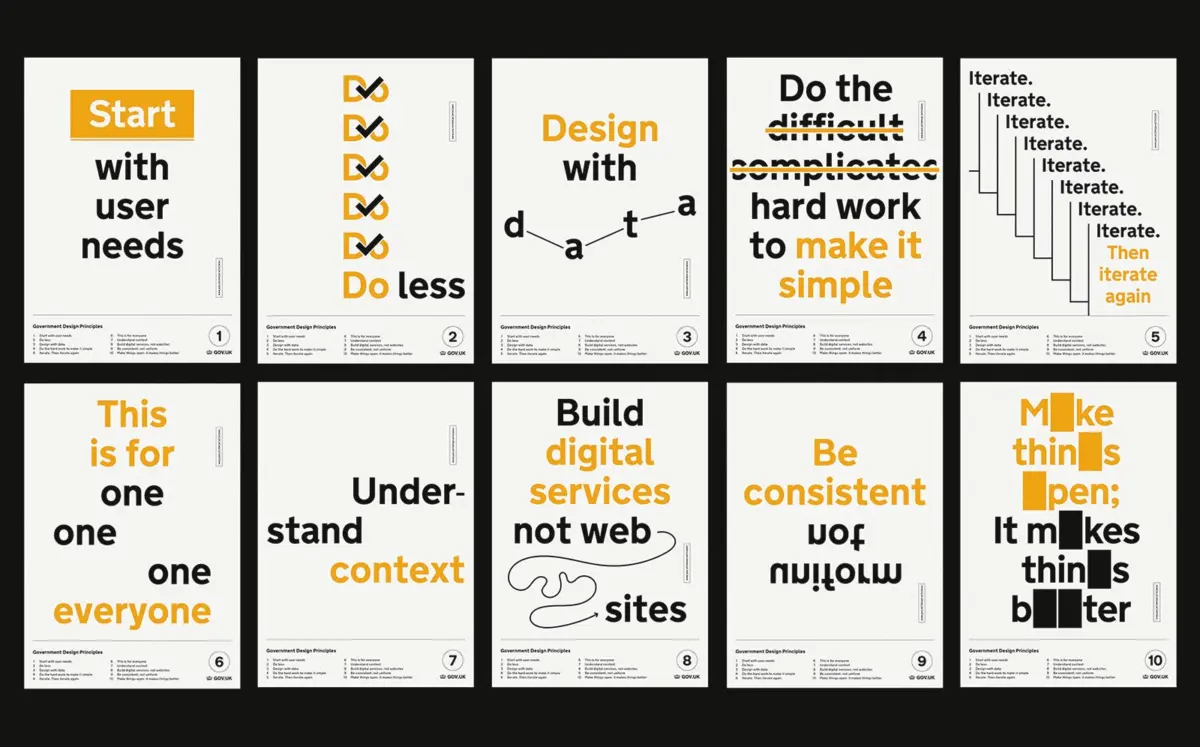
Furthermore, governance models must shift from exhaustive, restrictive rulebooks to concise behavioral frameworks. Rather than issuing multi-page compliance documents that stoke fear, organizations should establish clear, high-level guiding principles—similar to the minimalist design frameworks utilized by digital government services—and trust employees to exercise professional judgment.
Future Outlook: Building an Adaptive, Human-Centric AI Strategy
As organizations look toward the future of work, navigating the AI landscape successfully will require abandoning the illusion of central, autocratic control. The risk of moving too slowly—allowing bureaucratic friction to paralyze innovation—far outweighs the manageable risks of early-stage experimentation and operational messiness.
To break the cycle of failed technological adaptations, enterprises must commit to the following strategic pivots:
- Prioritize Culture Over Code: Acknowledge that AI adoption is fundamentally a cultural evolution. Change management, empathy, and employee well-being must take precedence over software deployment metrics.
- Redefine Productivity Incentives: Ensure that AI integration directly benefits the workforce. By helping employees automate tedious, frustrating tasks and tying adoption to tangible improvements in work-life balance, organizations can convert anxiety into genuine engagement.
- Establish Safe-to-Fail Environments: Adjust performance reviews, relax rigid KPIs temporarily during the learning curve, and decriminalize honest mistakes. Innovation requires a margin for error.
- Listen to Shadow AI: Treat unauthorized tool usage not as a disciplinary infraction, but as valuable market research. Investigate why employees turn to external platforms and use those insights to shape official enterprise tooling.
By synthesizing the hard-earned lessons of the digital transformation era, modern enterprises can finally bridge the gap between executive vision and frontline reality, transforming artificial intelligence from a source of corporate friction into a genuine catalyst for human capability.