

Executive Overview
As organizations globally scramble to integrate artificial intelligence into their operational frameworks, a familiar and alarming pattern has emerged. The current rollout of enterprise AI resembles a corporate farce—a series of top-down mandates, rushed deployments, and technological box-ticking exercises that ignore the fundamental realities of human behavior.
According to digital strategist and author Paul Boag, who famously chronicled the missteps of the digital transformation era in his 2014 book Digital Adaptation, companies are repeating the exact same strategic blunders they made a decade ago. The core error remains unchanged: leadership continues to treat a profound cultural and structural transformation as a simple IT implementation project.
By viewing artificial intelligence through a strictly technical lens, senior management is failing to address the human friction points—ranging from deep-seated job insecurity and lack of intrinsic motivation to suffocating governance models and the rise of "Shadow AI." This investigative analysis revisits the lessons of past digital disruptions to construct a robust playbook for modern AI adoption. To survive the current technological shift, organizations must pivot away from centralized control, embrace a culture that tolerates experimentation, and recognize that the true barrier to AI integration is not technological capability, but human adaptation.
Detailed Chronology: From CMS to Copilot—A History Repeated
To understand why contemporary AI deployments are stalling, one must examine the parallels between today’s landscape and the chaotic early days of enterprise digital transformation.
The Digital Transformation Era (2010–2018)
A decade ago, organizations faced an existential mandate: digitize or die. IT departments across industries rushed to roll out complex Content Management Systems (CMS), Customer Relationship Management (CRM) platforms, and internal intranets. Simultaneously, customer-facing divisions pushed out hastily designed mobile applications and web portals.
However, these rollouts were fundamentally flawed. Management focused exclusively on the software licenses purchased rather than how employees and customers would interact with them. Internal systems were notoriously unintuitive, and customer-facing digital products failed to solve actual user problems. The root cause was a profound disconnect between the executive vision of transformation and the daily operational realities of the staff tasked with executing it. Bureaucratic steering committees, rigid approval processes, and a zero-tolerance policy for failure resulted in sky-high project failure rates and glacial paces of innovation.
The Modern AI Era (2023–Present)
Fast-forward to the present day, and the corporate script remains virtually identical. Sparked by generative AI breakthroughs, senior leadership teams have succumbed to industry hype. In a carbon copy of past behaviors, IT departments are purchasing enterprise-wide licenses for tools like Microsoft’s Copilot Studio, distributing generic training videos, and declaring the mission accomplished.
Employees, once again, are left stranded. Rather than receiving tailored support to integrate AI into their specific workflows, workers feel an overwhelming pressure to deliver immediate productivity gains using unfamiliar tools. Just as staff bypassed cumbersome legacy IT systems a decade ago to adopt unauthorized cloud platforms, today’s workers are turning to "Shadow AI"—utilizing personal ChatGPT or Claude accounts on private devices because official enterprise tools fail to meet their operational needs.
Supporting Context & Metrics: The Human Element of Technological Shift
The primary friction point in technology adoption has always been human, yet metrics consistently show that organizations allocate the vast majority of their transformation budgets to software and infrastructure while underfunding change management.
The Motivation Deficit
A critical flaw in current AI deployment strategies is the assumption that employees will naturally embrace productivity-enhancing technologies. From the perspective of senior management, AI is an unmitigated good: it allows the organization to do more with less.
However, from the viewpoint of the average employee, the equation looks drastically different. In most corporate structures, increased productivity does not translate to shorter working hours, reduced stress, or higher compensation. Instead, it frequently translates to an expanded workload within the same nine-to-five constraints. When employees suspect that the ultimate goal of AI integration is headcount reduction—a fear validated by sensationalized headlines and poorly communicated executive strategies—the motivation to adopt the technology plummets.
To reverse this dynamic, organizations must reframe AI not as a monitoring or replacement tool, but as a mechanism to eliminate tedious, draining administrative tasks. Employees must be given tangible incentives, career progression opportunities, and—most importantly—the psychological safety to explore these tools without fear of professional reprisal.
The Danger of Strict Governance and "Shadow AI"
Governance is necessary for mitigating data privacy and security risks, but corporate governance frameworks are frequently engineered to eliminate risk entirely, thereby stifling innovation. When companies implement exhaustive, multi-page compliance directives detailing every prohibited use of AI, they induce a state of paralysis.
Faced with paralyzing restrictions and official tools that fail to handle specialized workflows, employees inevitably resort to "Shadow AI." This phenomenon introduces severe vulnerabilities:

- Data Leakage: Proprietary corporate data, source code, and customer information are ingested into consumer-grade AI models without institutional oversight.
- Loss of Auditability: Organizations lose visibility into which departments are utilizing AI and for what purposes.
- Cultural Alienation: A punitive corporate response—such as disciplinary warnings or blocked domains—drives behavior further underground, poisoning the relationship between staff and IT governance.
Official Perspectives and Industry Insights
Navigating the cultural nuances of technological adoption requires looking past vendor promises and examining the real-world experiences of digital strategists and organizational leaders.
Industry veterans emphasize that change management cannot be successfully automated or mandated from the top down. Paul Boag, reflecting on decades of digital advisory work, stresses that the most effective catalysts for technological adoption are not executive memos, but peer-driven social proof.
"Rather than trying to win over the most resistant staff first, organizations should find the people already experimenting with AI, give them time to share what they have learned, and let social proof do the heavy lifting."
When employees observe respected colleagues within their own departments successfully leveraging AI to solve domain-specific problems, skepticism gives way to curiosity. Conversely, when technological rollouts are bottlenecked by centralized IT steering groups—such as the UX teams trapped in bureaucracy while attempting to build AI research repositories—momentum evaporates.
Furthermore, expert consensus highlights the necessity of "safe-to-fail" environments. Innovation is inherently iterative; it requires trial, error, and localized failures. When organizations maintain rigid Key Performance Indicators (KPIs) and penalize staff for minor missteps during the learning phase, they effectively outlaw the experimentation required to achieve mastery.
Future Outlook: Building an Adaptive Enterprise
As artificial intelligence matures from an experimental novelty into a core economic driver, organizations face a stark choice. They can continue down the path of rigid, centralized control—clamping down on shadow technologies, ignoring employee sentiment, and treating cultural shifts as IT line items—or they can pivot toward an adaptive, human-centric rollout model.
Strategic Recommendations for Leaders
- Redefine the Narrative Around Productivity: Organizations must explicitly communicate how AI benefits the individual worker. By focusing on the elimination of despised tasks and offering genuine improvements to the daily work experience, leadership can build authentic buy-in.
- Cultivate Grassroots Communities: Instead of relying solely on top-down training modules, identify internal enthusiasts who are already experimenting with AI. Provide these champions with time, space, and platforms to demonstrate practical use cases to their peers.
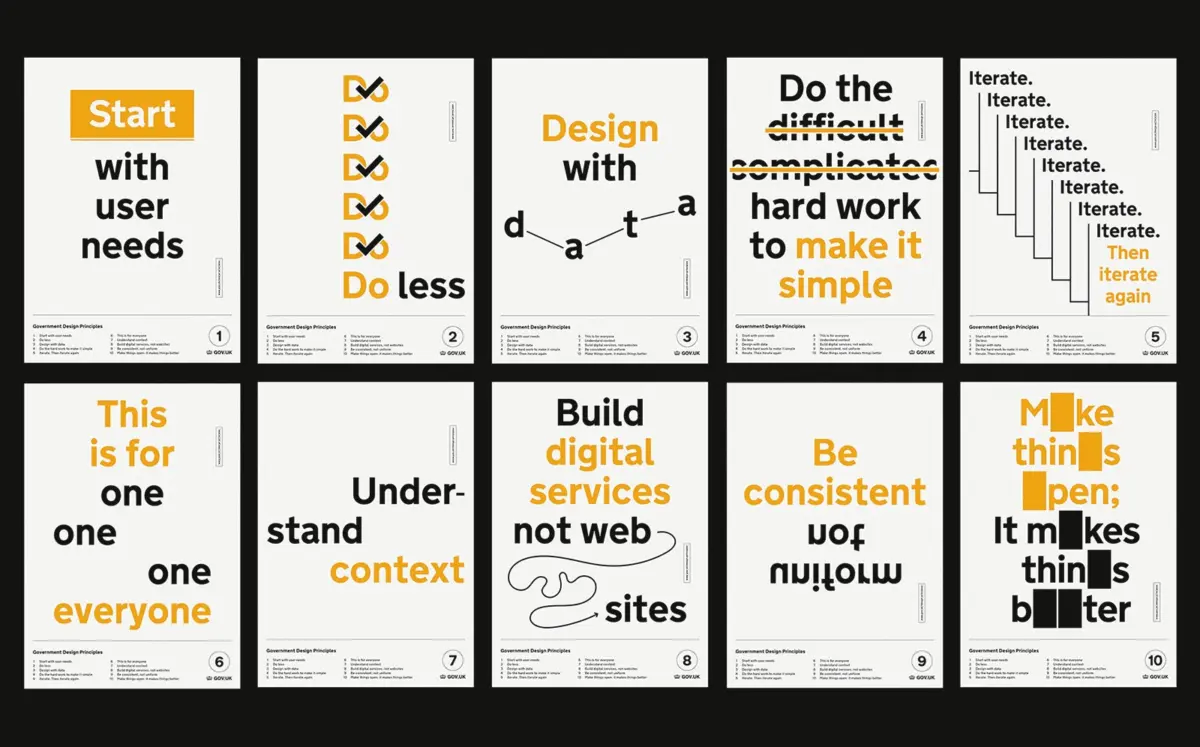
- Streamline Governance via Principles: Replace impenetrable compliance documents with concise, accessible design principles—modeled after frameworks like the UK Government Digital Service guidelines. Combine clear guardrails with institutional trust, allowing employees the autonomy to exercise common sense.
- Permit Controlled Chaos: Accept that the early stages of adoption will be messy. Rather than suffocating innovation with bureaucratic approval committees, allow business units the flexibility to explore diverse toolsets tailored to their specific operational realities.
- Establish Psychological Safety: Adjust performance metrics, review processes, and governance models to ensure that mistakes made during the learning curve are treated as valuable educational data rather than disciplinary infractions.
The organizations that will thrive in the AI era are those that recognize a fundamental truth: artificial intelligence is not a software deployment challenge. It is a profound test of leadership, culture, and organizational empathy. By learning the hard lessons of the digital transformation era, modern enterprises can finally bridge the gap between technological potential and human reality.