

Executive Overview
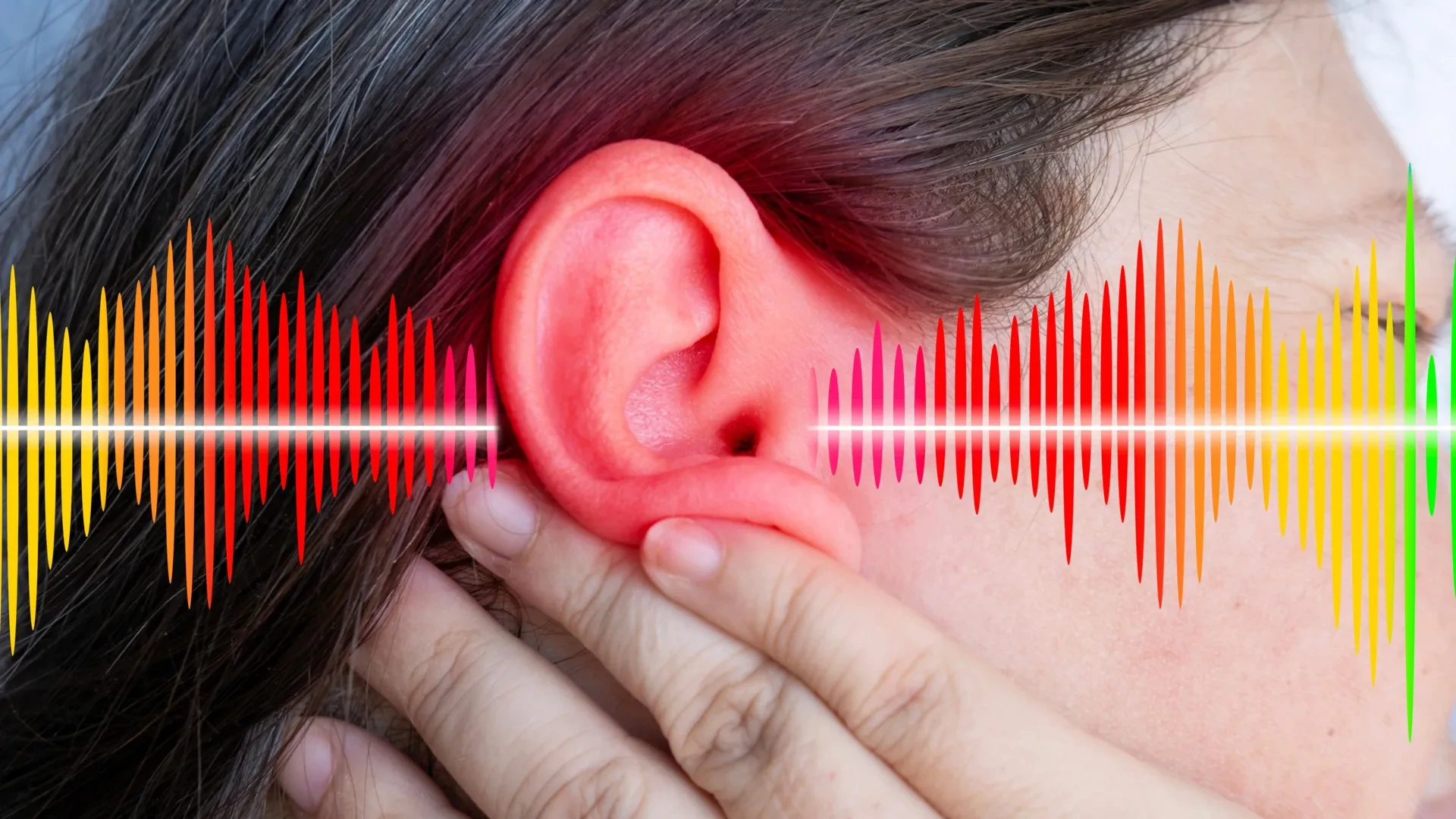
High blood pressure—widely known as hypertension—remains one of the most persistent and insidious public health challenges of the modern era. As a primary driver of cardiovascular disease, strokes, and fatal heart attacks, it forces millions of patients into lifelong pharmacological regimens that do not always achieve desired targets. Against this backdrop of unmet clinical need, a pioneering clinical trial led by researchers at Queen Mary University of London has introduced an intriguing potential alternative: a small, portable device that delivers gentle electrical pulses through the ear to lower blood pressure.
Published in Hypertension, a prestigious journal of the American Heart Association, the SCRATCH-HTN trial evaluated the safety, feasibility, and efficacy of transcutaneous autonomic neuromodulation (tAN). This experimental, non-invasive therapy targets the autonomic nervous system using discreet clips affixed to the outer ear. While the trial’s primary endpoint did not demonstrate a statistically significant reduction in blood pressure across the entire unselected study population when compared to a placebo, secondary and subgroup analyses revealed highly encouraging signals. Specifically, patients who entered the trial with more severe forms of hypertension experienced meaningful and distinct reductions in blood pressure when treated with active nerve stimulation.
These findings position ear nerve stimulation not as an immediate replacement for standard pharmaceuticals, but as a compelling candidate for precision medicine. Because the technology is well-tolerated, practical for home use, and entirely non-invasive, it opens new conceptual pathways for treating individuals whose blood pressure remains stubbornly elevated despite multi-drug regimens. As the scientific community digests these early-stage results, the medical device and cardiovascular research sectors are already looking toward larger, definitive clinical trials to determine the exact therapeutic viability and patient profiling required for tAN technology.
Detailed Chronology: The SCRATCH-HTN Trial
The journey of the SCRATCH-HTN trial represents a meticulous step forward in bioelectronic medicine, translating bench-level neurophysiological theories into a structured, human clinical investigation.
Conception and Trial Design
The trial was designed to rigorously test whether non-invasive electrical modulation of the auricular branch of the vagus nerve could safely and effectively lower blood pressure in patients whose conditions defied standard pharmacological management. Funded by the National Institute for Health and Care Research (NIHR), the study was structured as a randomized, double-blind, placebo-controlled trial—the gold standard of clinical evaluation.
Researchers at Queen Mary University of London partnered with device developers Afferent Medical Solutions to deploy a specialized handheld neurostimulation unit. Unlike older, surgical neurostimulation systems used for drug-resistant epilepsy or heart failure, this technology was engineered to be entirely external. It utilized specialized, dual-clip applicators designed to attach securely and comfortably to the tragus—the prominent flap of cartilage positioned immediately in front of the ear canal.
Patient Enrollment and Intervention Protocols
The trial successfully enrolled 63 participants. Every participant shared a common clinical profile: they suffered from uncontrolled hypertension, meaning their blood pressure remained chronically above recommended medical thresholds despite adherence to at least one blood pressure-lowering medication.
Upon enrollment, participants were randomly allocated into one of two cohorts:
- The Active Stimulation Group: Received genuine, calibrated electrical pulses designed to stimulate the targeted autonomic nerve fibers in the ear.
- The Sham (Placebo) Group: Used an identical device programmed to deliver a deceptive, non-therapeutic sensation, allowing researchers to control for the psychological and physiological placebo effects associated with operating a medical device.
The treatment regimen was structured to test both acute adaptation and medium-term compliance. During the first two weeks of the trial, participants administered the therapy to themselves at home for 30 minutes every single day. For the subsequent 10 weeks, the frequency was tapered down to a maintenance schedule of once per week. Throughout the 12-week intervention window, compliance metrics, adverse event logs, and blood pressure readings were meticulously tracked.
Data Analysis and Primary Outcomes
When the trial concluded and the data was unblinded, the primary analysis yielded a complex picture. Across the broader, unselected cohort of 63 patients, there was no statistically significant difference in overall blood pressure reduction between those receiving active electrical stimulation and those using the sham device.
However, the safety profile of the intervention exceeded expectations. The device proved to be exceptionally safe, highly acceptable to patients, and devoid of serious adverse events. Furthermore, adherence rates demonstrated that individuals of varying ages could comfortably and independently manage the home-use protocol without clinical supervision.
Crucially, pre-planned subgroup analyses pierced through the aggregate data to reveal a striking divergence: participants who began the trial with severe, highly elevated hypertension showed a pronounced, clinically relevant drop in blood pressure when exposed to the active tAN treatment compared to the sham controls. This pivot from a generalized null result to a targeted positive outcome transformed the SCRATCH-HTN trial from a standard negative study into a foundational pilot investigation that demands deeper, expanded research.
Supporting Context & Metrics
To fully appreciate the clinical significance of the SCRATCH-HTN trial, one must examine the physiological mechanics of hypertension, the burden of drug resistance, and the specific metrics governing the trial itself.
The Physiology of Autonomic Neuromodulation
Blood pressure regulation is governed primarily by the autonomic nervous system—the unconscious control center that dictates vascular tone, heart rate, and cardiac output. In chronic hypertension, this system often falls out of balance, characterized by persistent overactivity of the sympathetic nervous system ("fight or flight" responses) coupled with diminished parasympathetic tone. This imbalance constricts blood vessels, increases systemic vascular resistance, and drives blood pressure steadily upward.
Traditional medications—such as ACE inhibitors, beta-blockers, angiotensin receptor blockers (ARBs), and diuretics—intervene biochemically at various points in the renin-angiotensin-aldosterone system or directly on cardiac receptors. Yet, a substantial subset of patients experience chronic "pharmacological resistance," where chemical interventions fail to re-establish homeostatic balance.
Transcutaneous autonomic neuromodulation (tAN) approaches the problem from an entirely different angle. The outer ear—specifically the tragus and surrounding concha—features a dense concentration of superficial vagal nerve endings. By delivering micro-electrical impulses to these cutaneous neural pathways, tAN signals travel upward to the brainstem, effectively modulating central autonomic outflow. The ultimate goal is to dial down the overactive sympathetic tone that drives chronic vasoconstriction, offering a neural reset without the systemic side effects common to heavy pharmaceutical regimens.
Key Trial Metrics at a Glance
- Total Participants Enrolled: 63 patients with uncontrolled hypertension.
- Baseline Status: All participants were already prescribed at least one antihypertensive medication yet maintained blood pressure readings above clinical targets.
- Intervention Duration: 12 weeks total (daily 30-minute sessions for the first 2 weeks; weekly maintenance sessions for the subsequent 10 weeks).
- Delivery Method: Handheld device utilizing dual-clip attachments on the tragus of the ear.
- Primary Findings: No statistically significant global blood pressure reduction across the entire unselected cohort.
- Secondary/Subgroup Findings: Noticeable, statistically distinct blood pressure reduction concentrated exclusively within participants suffering from baseline severe hypertension.
- Safety and Usability: High patient tolerance, zero serious device-related adverse events, and strong home-use compliance metrics.
Official Statements and Expert Analysis
The medical community has responded to the publication of the SCRATCH-HTN trial with a mixture of grounded scientific caution and genuine optimism regarding the future of bioelectronic medicine.
Dr. Ajay Gupta, Chief Investigator of the trial, Clinical Reader at Queen Mary University of London, and Consultant Physician at Barts Health NHS Trust, provided an authoritative breakdown of the study’s implications:
"This is an exciting, highly patient-acceptable technology that could ultimately provide a cheap, scalable solution for millions. Although the trial did not achieve significance across the broad unselected group, those with more severe hypertension exhibited a clear blood pressure reduction in the active group compared to sham."
Dr. Gupta emphasized that the trial’s design makes it a vital milestone in cardiovascular research, representing the most rigorous exploration of its kind to date:
"As the first and most thorough study of its kind, this points towards important new research directions that could help us understand whether non-invasive neuromodulation can benefit particular groups of patients with uncontrolled hypertension."
Independent cardiovascular specialists not directly involved in the trial have echoed Dr. Gupta’s sentiments, noting that early bioelectronic trials frequently experience this exact pattern: broad efficacy is diluted by the mixed phenotypes within a general hypertensive population, while precise efficacy shines through in high-risk, treatment-resistant subgroups. The consensus among cardiologists is that while tAN is not yet ready for commercial prescription, the methodology is sound, the safety profile is established, and the physiological proof-of-concept has been successfully demonstrated in humans.
Future Outlook and Clinical Implications
As cardiovascular medicine looks toward the horizon, the implications of the SCRATCH-HTN trial extend far beyond a single device or academic paper. They signal an ongoing paradigm shift toward bioelectronic medicine—treating chronic diseases not merely with chemical molecules, but with calibrated electrical signals that command the body’s native regulatory networks.
The Path to Larger Clinical Trials
The immediate next step for the research team at Queen Mary University of London and Afferent Medical Solutions is the design and execution of a larger, definitive phase III clinical trial. Unlike the pilot nature of SCRATCH-HTN, future studies will likely:
- Enrich Patient Selection: Focus recruitment specifically on individuals with moderate-to-severe, treatment-resistant hypertension, filtering out patients whose baseline blood pressure is only marginally elevated or easily managed by standard pharmaceuticals.
- Optimize Stimulation Parameters: Fine-tune the frequency, pulse width, and daily duration of electrical delivery to maximize autonomic engagement.
- Evaluate Long-Term Outcomes: Track participants over 12 to 24 months to determine whether sustained use of the ear-clip device translates into long-term reductions in hard clinical endpoints, such as myocardial infarctions, strokes, and hypertensive crises.
Economic and Public Health Scalability
If future trials validate the promising subgroup signals observed in the SCRATCH-HTN study, the societal and economic benefits could be profound. Hypertension care currently accounts for billions of dollars in global healthcare expenditures, driven by hospitalizations for stroke, heart failure, and renal failure.
A non-invasive, reusable, patient-administered device represents a highly scalable intervention model. Unlike surgical neuromodulation procedures—such as renal denervation, which require specialized hospital infrastructure, surgical suites, and invasive catheterization—an ear-clip tAN device can be prescribed by a general practitioner, dispensed at a local pharmacy, and operated entirely in the comfort of a patient’s home. This eliminates geographical and economic barriers to care, offering a democratic technology capable of serving populations in both advanced metropolitan health systems and under-resourced rural clinics.
Conclusion
The SCRATCH-HTN trial does not provide an overnight cure for hypertension, nor does it render traditional blood pressure medications obsolete. Instead, it achieves something far more valuable: it opens a scientifically validated door to a completely new therapeutic category. By proving that non-invasive electrical stimulation of the ear is safe, practical, and capable of lowering severe blood pressure where pills fall short, the researchers have laid the groundwork for the next generation of cardiovascular care. As larger trials take shape, the humble ear-clip may soon transform from an experimental curiosity into a cornerstone of precision bioelectronic medicine.