

Executive Overview
Post-Traumatic Stress Disorder (PTSD) has long presented an imposing clinical challenge: a debilitating psychiatric condition managed predominantly through a trial-and-error approach of psychotherapy and generalized pharmacotherapy. For millions of individuals—particularly military veterans and survivors of severe trauma—standard interventions frequently fail to produce lasting relief, leaving a profound void in modern mental healthcare.
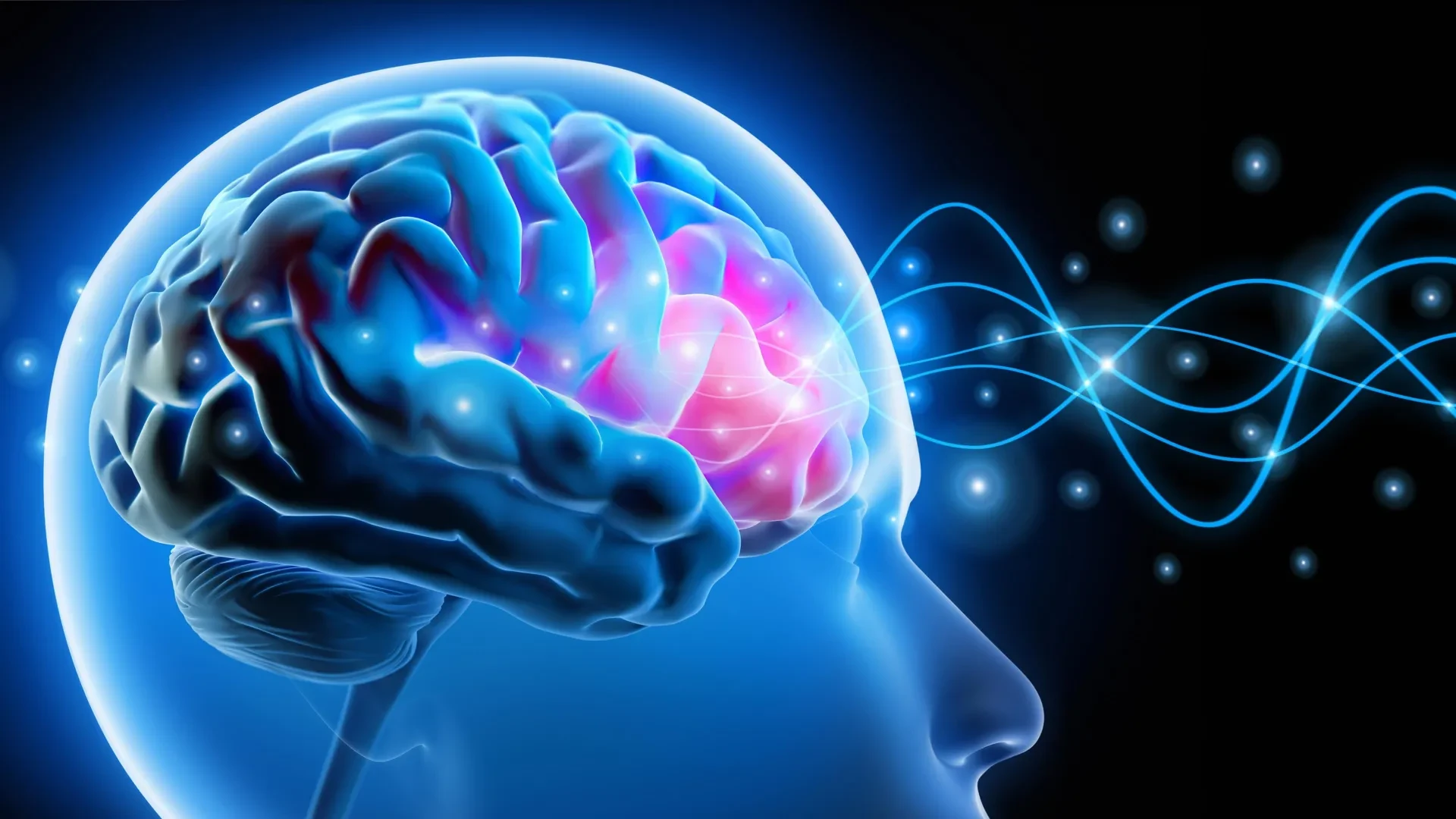
However, a monumental advancement in neurotechnology is poised to disrupt this status quo. A novel, personalized approach to treating PTSD has officially received clearance from the U.S. Food and Drug Administration (FDA). Developed through a collaborative synergy between California-based neurotechnology firm Wave Neuroscience and researchers at the Texas A&M Health Institute of Biosciences and Technology, this innovative system pairs quantitative electroencephalogram (EEG) brain activity measurements with targeted, AI-customized magnetic stimulation.
Early clinical trial findings reveal extraordinary efficacy metrics. According to data released by Wave Neuroscience, patients undergoing the novel treatment experienced an average 52% reduction in PTSD symptoms, with a remarkable 68% achieving clinical remission. By transitioning away from conventional "one-size-fits-all" medication models and toward a precision-guided, drug-free intervention, this technology offers a transformative alternative for an estimated 13 million Americans struggling with PTSD. This comprehensive report explores the technological mechanics, clinical implications, regulatory journey, and future outlook of a medical breakthrough that promises to redefine neuropsychiatric care.
Detailed Chronology: From Concept to FDA Clearance
The realization of personalized magnetic brain stimulation for PTSD is the culmination of decades of electrophysiological research, compressed into an accelerated developmental timeline that defied conventional medical device timelines.
The Foundation of Electrophysiology and AI Integration
The underlying architecture of the system builds upon decades of scientific research utilizing electrophysiological biomarkers to map abnormal brain activity profiles. While Transcranial Magnetic Stimulation (TMS) has previously earned FDA clearance for addressing treatment-resistant depression, traditional applications have relied on generalized, standardized stimulation protocols.
Wave Neuroscience distinguished its platform—known as Magnetic e-Resonance Therapy (MeRT)—by integrating an AI-assisted, augmented multivariate algorithm. This software processes individual EEG data to tailor magnetic stimulation parameters directly to a patient’s distinct neurophysiological profile.
The Research Partnership and Fast-Track Development
The collaborative engine driving this clinical validation was forged through a partnership between Wave Neuroscience and the Texas A&M Health Institute of Biosciences and Technology. Dr. Kenneth S. Ramos, a physician-scientist at Texas A&M Health renowned for his work in precision medicine, joined forces with the corporate leadership team, including CEO Fred Walke and Chief Medical Officer Dr. Erik Won, to spearhead the investigation.
Despite launching during the height of the global COVID-19 pandemic, the research initiative advanced through preclinical and clinical evaluation at an unprecedented pace. While typical medical device development and clinical validation cycles span approximately a decade, this project completed the rigorous regulatory pathway in just over two years.
A critical milestone occurred in 2024 when the system was awarded an FDA Breakthrough Device designation. Dr. Rick Silva, executive director of clinical trials at the Texas A&M Health Institute of Biosciences and Technology, noted that the designation streamlined communication and eliminated administrative bottlenecks without compromising the rigorous scientific and medical standards required for final clearance.
Following successful clinical trials demonstrating high efficacy and safety profiles, the system secured final FDA clearance, establishing a new class of non-medication, objective-driven therapies for neuropsychiatric trauma.
Supporting Context & Metrics: The Scale of the Crisis and Treatment Shortfalls
To fully appreciate the significance of this FDA clearance, one must examine the staggering human cost of PTSD and the stark limitations of legacy treatment modalities.
The Public Health Burden of PTSD
PTSD can emerge in the wake of catastrophic events, including military combat, physical assault, severe accidents, and natural disasters. Epidemiological data indicates that approximately 6% of the American population will experience PTSD during their lifetime, with disproportionately higher prevalence rates observed among women and combat veterans.
Within the veteran community, the statistics are particularly harrowing:
- Approximately 7% of veterans receive a formal PTSD diagnosis annually.
- An estimated 17.5 veterans die by suicide each day in the United States, underscoring an urgent, unmet need for more rapid and effective crisis-intervention tools.
The Shortcomings of Conventional Interventions
Since PTSD was formally recognized as a psychiatric diagnosis in 1980, clinical management has relied primarily on trauma-focused psychotherapies and selective serotonin reuptake inhibitors (SSRIs) such as sertraline and fluoxetine.
While these treatments help many individuals, their overall efficacy remains constrained:
- A comprehensive 2020 review of PTSD medications found that patient-reported symptom improvements ranged from a modest 6.8 to 10.1 points on standardized assessment scales, with maximum remission rates reaching only 10.9%.
- Psychotherapies, while evidence-based, demand immense emotional labor and active patient participation. Consequently, dropout rates are exceptionally high due to the anxiety-provoking nature of confronting traumatic memories.
In stark contrast, clinical data from Wave Neuroscience’s FDA trial demonstrated a 52% reduction in symptoms—representing more than a four-fold increase in efficacy compared to historical medication benchmarks—alongside a 68% clinical remission rate among trial participants. Patients completed a regimen consisting of five treatment sessions per week over a span of five to six weeks, with therapeutic benefits persisting well beyond the conclusion of active treatment.
Official Statements and Expert Perspectives
The convergence of engineering, AI algorithms, and clinical psychiatry has elicited strong commentary from the principal architects of the breakthrough.
Dr. Erik Won: Redefining Psychiatric Care
Dr. Erik Won, Chief Medical Officer at Wave Neuroscience, emphasized the qualitative leap represented by the new clearance.
"In comparison to historical medication studies, our FDA trial reported a 52% reduction in symptoms, so more than a four-fold increase in efficacy," Dr. Won stated. "And more importantly, we saw 68% remission in our clinical trial. So, it’s really a quantum change, an inflection point in what we can offer to patients. From a clinical care perspective, that’s really meaningful."
Dr. Won contrasted the historical reality of psychiatric care with this new horizon: "People living with PTSD have been left with trial-and-error treatment, medications and their side effects, and limited outcomes—even when treated by the most dedicated and experienced physicians. Wave’s FDA clearance signals a fundamentally different future: one in which PTSD can be objectively evaluated, precisely treated, and meaningfully healed."
Dr. Kenneth S. Ramos: The Philosophy of Precision Medicine
Dr. Kenneth S. Ramos of Texas A&M Health drew upon his extensive expertise in precision medicine to explain the biological rationale behind personalized intervention. Noting that humans share approximately 99.9% of their genetic material, Dr. Ramos stressed that the remaining 0.1% dictates vital differences in how individuals metabolize treatments and respond to physiological stimuli.
To illustrate the paradigm shift, Dr. Ramos offered a compelling architectural analogy: "Conventional TMS is like covering a leaking roof with a tarp to manage its effects. MeRT, in contrast, aims to provide a more targeted solution, comparable to identifying and replacing the damaged shingles responsible for the problem."
He added: "Most clinical interventions for the treatment of PTSD do not work very well. So, this is a huge area where identifying interventions that could hopefully add quality of life to the people impacted by this disorder would be tremendously impactful."
Dr. Israel Liberzon: Filling the Non-Medication Void
As the study’s lead psychiatrist and PTSD specialist, Dr. Israel Liberzon, distinguished professor of psychiatry and behavioral sciences at the Texas A&M Naresh K. Vashisht College of Medicine, highlighted the clinical uniqueness of the clearance.
"Right now, the FDA has approved only two medications for PTSD," Dr. Liberzon noted. "Both are SSRIs. This is the first time that in addition to medication, we have a non-medication option that is specifically cleared for PTSD. Now we have a unique alternative for patients who struggle with medication side effects or find psychotherapy too overwhelming to complete."
Dr. Leslie S. Prichep and Fred Walke: Objective Biomarkers and De-Stigmatization
Dr. Leslie S. Prichep, Chief Scientific Officer at Wave Neuroscience, underscored the diagnostic evolution embedded in the technology. "The FDA clearance of the MeRT System reflects decades of scientific research using electrophysiological biomarkers in identifying abnormal brain activity profiles and guiding personalized intervention strategies," she said.
Wave Neuroscience CEO Fred Walke believes that utilizing objective brain imaging will fundamentally alter societal perceptions of mental illness. By framing mental health conditions through measurable physical metrics—much like treating a broken bone with an X-ray and a cast—the company hopes to eradicate lingering social stigmas.
"One of the goals of the company is to create a platform for mental healthcare that uses objective imagery to help patients understand why they’re experiencing life the way that they are," Walke explained. "That insight, compounded with proven technologies, promises incredibly high efficacy when personalized."
Future Outlook: Scaling Precision Mental Healthcare
As Wave Neuroscience and Texas A&M Health transition from clinical validation to commercial implementation, the primary imperative is ensuring broad accessibility and affordability. Stakeholders are actively engaging with insurance providers and healthcare systems to secure coverage pathways, aiming to bring the MeRT system within reach of the millions of civilians and veterans who require advanced care.
Furthermore, the implications of this regulatory clearance extend far beyond PTSD. Medical leadership at Wave Neuroscience anticipates that the underlying platform of AI-guided, EEG-personalized transcranial magnetic stimulation can be successfully adapted to address other complex neuropsychiatric disorders, including major depressive disorder and severe anxiety.
For institutions like Texas A&M, which maintains a profound historical commitment to military veterans and service members, the successful deployment of this technology represents the ultimate validation of academic-industry partnership.
As Dr. Ramos concluded: "Texas A&M has a very rich history of military and veteran priorities. It’s a no-brainer that Texas A&M faculty would be interested in and supportive of an initiative that hopefully would bring positive solutions to a big problem. Anything we could do to help alleviate that problem is going to go a long way towards making a difference in the individual’s life as well as the people who are close to them. I feel very fortunate that we at Texas A&M were meaningfully involved in this project."
Ultimately, the FDA clearance of this personalized brain stimulation system signals the dawn of a new era in behavioral health—one where subjective psychological suffering meets rigorous, objective measurement, transforming population-scale precision medicine from an aspirational ideal into an achievable, life-saving reality.