

Executive Overview
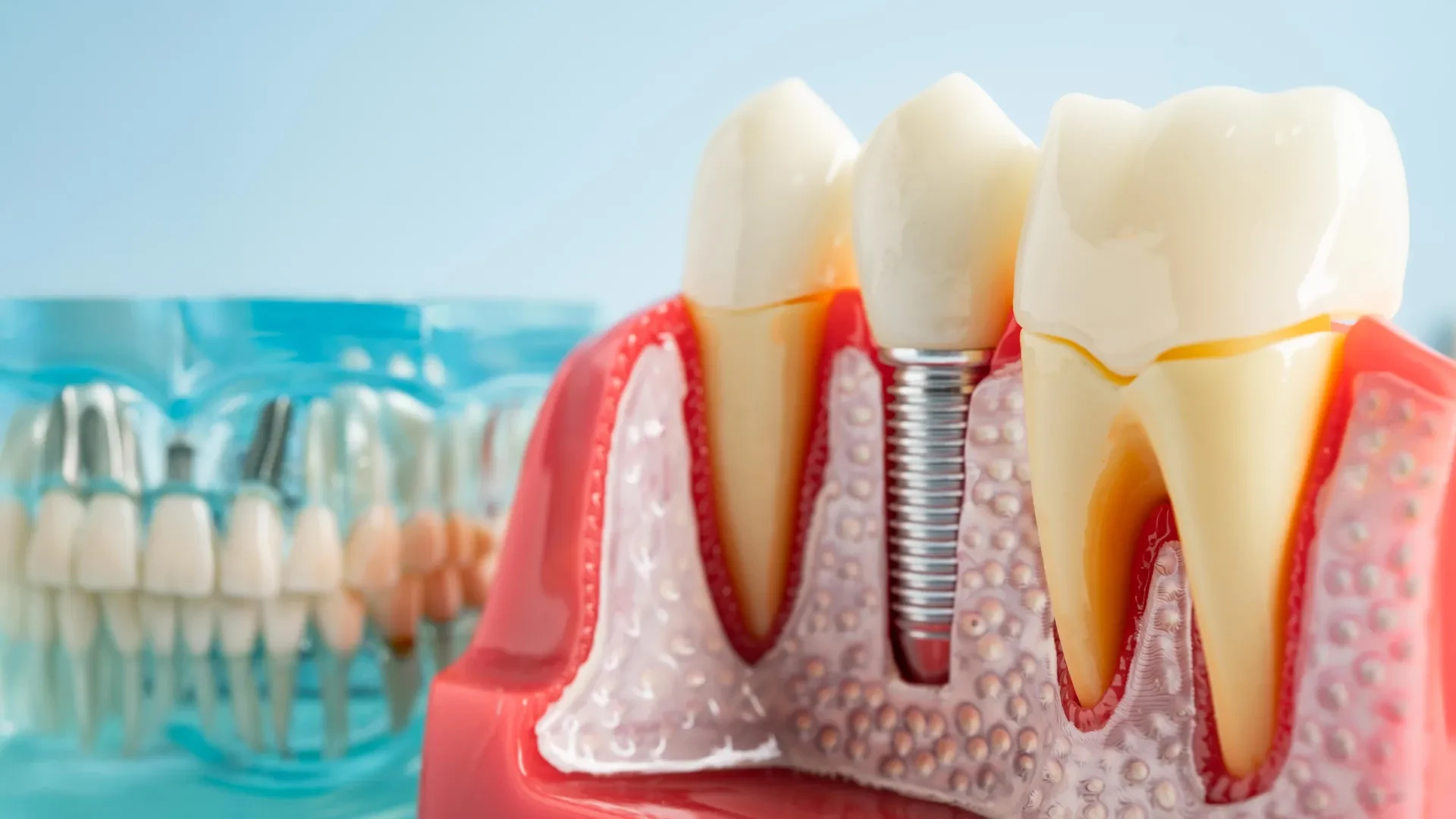
Dental implants have revolutionized modern restorative dentistry, offering tens of millions of people a permanent, functional alternative to removable dentures. For the vast majority of patients, these titanium anchors integrate seamlessly into the jawbone, restoring both a natural smile and the mechanical integrity of a full bite. Yet, beneath this clinical success story lies a persistent, highly challenging medical complication: peri-implantitis.
Affecting an estimated 10% to 20% of all dental implant recipients, peri-implantitis is an aggressive, destructive inflammatory condition that ravages the soft tissues and supporting jawbone surrounding an implant. Until recently, clinical management of this condition has been deeply frustrating. Standard protocols that effortlessly control periodontal disease around natural teeth—principally, professional mechanical debridement coupled with broad-spectrum antibiotic therapy—routinely fail when applied to implants. In more than half of all cases, antibiotics do little to arrest the underlying bone deterioration, leaving clinicians with few options short of surgical intervention or implant removal.
Now, a landmark study published in PNAS Nexus by a multidisciplinary team of researchers at the Rutgers School of Dental Medicine has fundamentally transformed our understanding of this disease. For the first time, scientists have mapped out the precise cellular and molecular mechanism driving peri-implantitis resistance to antibiotics.
The investigation reveals a surprising culprit: the implant material itself. Bacterial biofilms accumulating on the surfaces of titanium implants create acidic microenvironments that slowly corrode the metal, shedding microscopic titanium fragments smaller than red blood cells into the surrounding tissues. These metal shards become coated with bacterial toxins, creating a deceptive target that hijacks the human immune system.
Macrophages—the body’s frontline infection-fighting white blood cells—attempt to engulf these indestructible titanium particles, trapping the cells in a chronic state of hyper-inflammation. This dysfunctional immune response not only breaks down the supporting alveolar bone but also paralyzes the macrophages’ ability to combat the actual bacterial infection.
Crucially, the Rutgers team went a step further, identifying a specific cellular calcium channel, TRPC1, that acts as the master switch for this destructive immune cascade. By disabling this channel in preclinical models, researchers successfully halted the disease process. Backed by funding from the National Institutes of Health (NIH), this breakthrough transitions our understanding of peri-implantitis from a chronic infection to a material-induced immune hijacking, establishing the first credible drug target for a global healthcare crisis that costs upwards of $1 billion annually.
Detailed Chronology: Unraveling the Mystery of Implant Failure
For decades, the dental research community operated under a fundamental assumption: because peri-implantitis and periodontitis (gum disease around natural teeth) share identical microbial precursors, they should logically share the same treatment pathways. Yet, clinical reality stubbornly defied this hypothesis.
The Antibiotic Paradox
In the early days of widespread dental implant adoption during the late 20th century, clinicians treating peri-implantitis naturally reached for the pharmacopoeia that had served periodontics for generations. Standard scaling and root planing, coupled with systemic or localized antibiotic regimens, were deployed against the surging bacterial colonies.
While these protocols achieved high success rates around natural teeth, their efficacy plummeted around titanium implants, resolving fewer than 50% of cases. Even when aggressive interventions cleared visible bacterial loads, the underlying jawbone frequently continued to resorb, ultimately leading to implant mobility and failure.
For nearly twenty years, the scientific consensus remained anchored on the bacteria themselves. Researchers hypothesized that unique biofilm structures, titanium surface topography, or anaerobic bacterial niches were shielding the pathogens from pharmacological agents. Countless clinical trials tested alternative antibiotic cocktails, antiseptic washes, and laser decontamination techniques, yielding only marginal improvements.
Shifting the Paradigm to Biomaterials
Recognizing that the traditional microbial-centric focus had reached a dead end, the research group led by Georgios Kotsakis, assistant dean for clinical research at the Rutgers School of Dental Medicine, decided to pivot. Instead of looking solely at what the bacteria were doing to the patient, they asked a radical question: What was the implant itself contributing to the equation?
The team began by examining how bacterial communities interact physically and chemically with medical-grade titanium surfaces. Their investigation revealed that bacterial biofilms—metabolizing sugars and organic compounds—produce localized acidic microenvironments. Over time, this biological acidity initiates a slow, insidious corrosion of the titanium implant surface.
This corrosion process shears off billions of microscopic titanium particles. While some of these particles shed spontaneously via chemical dissolution and mechanical loading, others are inadvertently dislodged during routine dental cleaning procedures, particularly when clinicians utilize traditional metal scalers designed for natural teeth on titanium fixtures.
The Trojan Horse of the Immune System
Once liberated into the peri-implant mucosal tissues, these sub-micron titanium fragments do not remain inert. The Rutgers team discovered that the particles act as chemical "magnets," rapidly binding lipopolysaccharide (LPS)—a potent endotoxin found on the outer membrane of Gram-negative bacteria.
This fusion of metal and bacterial toxin creates a molecular "Trojan horse." When patrolling macrophages—immune cells specialized in phagocytosis (engulfing and digesting cellular debris and pathogens)—encounter these LPS-coated titanium particles, they perceive them as oversized, indestructible bacterial threats.
The macrophages attempt to consume the fragments, but because titanium cannot be digested by human biological enzymes, the cells become trapped in a futile, perpetual cycle of phagocytic activation. This chronic stimulation forces the macrophages to continuously pump out massive quantities of pro-inflammatory cytokines, most notably interleukin-1 beta (IL-1β)—a signaling protein deeply implicated in destructive inflammatory pathologies such as rheumatoid arthritis and neurodegenerative disorders.
The downstream consequences of this immune hijack are twofold and catastrophic for the implant:
- Bone Destruction: The relentless secretion of inflammatory molecules stimulates osteoclasts (bone-resorbing cells), systematically dissolving the jawbone anchoring the implant.
- Immunosuppression: Engulfed in the struggle to process indigestible metal, the macrophages experience a severe functional deficit, losing their capacity to phagocytose and clear live bacteria. Laboratory assays demonstrated that titanium-exposed macrophages ingested fewer than half as many bacteria as healthy control cells.
Pinpointing the Molecular Switch
Having mapped the macro-level pathology, the Rutgers team sought to isolate the precise molecular gateway responsible for this hyper-inflammatory reaction. Through rigorous cellular and genetic profiling, they traced the pathway to TRPC1, a specialized, pore-forming calcium channel located within the cellular membranes of macrophages.
The researchers discovered that TRPC1 acts as the critical transducer for the signals triggered by the titanium-LPS complex. When these particles bind to or interact with the macrophage surface, TRPC1 channels open, flooding the intracellular space with calcium ions that ignite the hyper-inflammatory cascade.
To validate this discovery, the team utilized a genetically engineered mouse model lacking the TRPC1 gene. When these knockout mice were exposed to the identical challenge of titanium particles and bacterial toxins, their immune systems behaved entirely differently. The animals exhibited drastically reduced localized abscesses, minimal inflammatory signaling, and—most importantly—retained full capability to clear the bacterial infection.
By disabling the TRPC1 channel, the researchers successfully blocked the destructive disease pathway at its root, proving that targeted immunomodulation could offer a viable therapeutic route where broad-spectrum antibiotics had failed.
Supporting Context & Metrics: The Scale of the Problem
To fully appreciate the significance of the Rutgers discovery, it is essential to contextualize the global burden of dental implant complications and the economic and biological toll they exact.
Epidemiological and Economic Impact
Dental implants have become the gold standard for replacing single, multiple, or full arches of missing teeth. Millions of procedures are performed annually worldwide. However, the long-term morbidity associated with these devices is substantial:
- Prevalence: Clinical studies consistently place the incidence of peri-implantitis between 10% and 20% of all implant patients, translating to tens of millions of individuals globally.
- Economic Cost: The treatment, maintenance, and surgical remediation of failing implants cost healthcare systems worldwide more than $1 billion annually. This figure accounts for non-surgical periodontal therapies, regenerative bone grafting procedures, surgical debridement, and, in worst-case scenarios, the surgical explantation of failed fixtures followed by costly restorative reconstruction.
Comparative Pathology: Periodontitis vs. Peri-Implantitis
| Clinical Parameter | Periodontitis (Natural Teeth) | Peri-Implantitis (Dental Implants) |
|---|---|---|
| Primary Etiology | Bacterial plaque biofilm | Bacterial biofilm + Titanium nanoparticle corrosion |
| Response to Antibiotics | High efficacy; highly responsive | Poor efficacy; <50% resolution rate |
| Immune Cell Behavior | Balanced phagocytic clearance | Macrophage paralysis & chronic IL-1β release |
| Bone Loss Mechanism | Bacterial-driven inflammatory response | Metal-induced hyper-inflammation + bacterial persistence |
| Treatment Strategy | Scaling, root planing, systemic antibiotics | Requires novel immunomodulatory therapeutics (e.g., TRPC1 inhibitors) |
Official Statements & Expert Insights
The implications of the Rutgers study extend far beyond academic journals, signaling a paradigm shift in how biomaterial science and clinical dentistry intersect.
"For the first time, we show why all the antibiotic treatments that work around teeth do not work around implants," stated Georgios Kotsakis, senior author of the study and assistant dean for clinical research at the Rutgers School of Dental Medicine. "Now that we know the cause, we can start developing therapeutics."
Kotsakis emphasized that the discovery bridges a long-standing disconnect between engineering and immunology in medical device design. For decades, medical device manufacturers focused heavily on biocompatibility in terms of initial osseointegration—how well bone fuses to titanium in a sterile environment. However, the long-term electrochemical stability of these metals within a dynamic, bacterially active oral cavity was largely overlooked.
"These particles are little magnets that attract the bacterial toxin, and they hijack the immune system, preventing it from clearing bacteria," Kotsakis explained, describing the fatal synergy between metal corrosion and microbial toxins. "You have a perfect storm that defies antibiotics."
Industry analysts and dental clinicians have echoed these sentiments, noting that the identification of the TRPC1 calcium channel transforms peri-implantitis from an intractable infectious disease into a precisely manageable immunometabolic condition. By shifting the therapeutic target from the bacteria to the host immune response, pharmaceutical developers now possess a concrete molecular target for drug design.
Future Outlook: Therapeutics, Prevention, and Clinical Practice
The publication of the Rutgers study in PNAS Nexus opens several critical avenues for the future of patient care, spanning pharmaceutical development, clinical instrumentation, and preventative maintenance.
1. Development of Targeted Immunomodulator Drugs
Armed with funding from the National Institutes of Health (NIH), Kotsakis and his research colleagues are already actively evaluating pharmacological compounds capable of selectively inhibiting the TRPC1 calcium channel in human cells.
- Local Delivery Systems: Future treatments for peri-implantitis may not involve systemic pills or harsh rinses. Instead, clinicians envision localized hydrogels, slow-release microparticles, or mouthwashes containing TRPC1 inhibitors applied directly to the affected peri-implant pocket. These therapeutics would quiet the hyper-reactive macrophages, allowing them to resume normal bacterial clearance without destroying the adjacent jawbone.
- Prophylactic Coatings: Long-term, biomedical engineers are exploring surface modifications and advanced alloy coatings that prevent bacterial adhesion and inhibit acid-driven titanium corrosion at the manufacturing stage.
2. Evolution of Clinical Hygiene Protocols
While waiting for pharmacological therapies to move through clinical trials, the study provides immediate, actionable guidance for dental practitioners and hygienists.
- The Death of Metal Scalers: A decade ago, using traditional stainless steel curettes and scalers on titanium implants was common practice. As research demonstrated that metal-on-metal contact scratches and gouges titanium surfaces—accelerating particle shedding—the dental profession began shifting toward nonabrasive alternatives.
- Modern Maintenance Standards: Today, standard of care mandates the use of specialized carbon-fiber, plastic, or titanium-coated cleaning instruments, alongside ultrasonic scalers equipped with non-metallic tips. The Rutgers findings reinforce these nonabrasive protocols as a vital, baseline defense mechanism to prevent the iatrogenic creation of microscopic metal debris.
Conclusion
The mystery of why dental implants fail in the face of aggressive antibiotic treatment has finally been unraveled. By demonstrating that bacterial corrosion transforms titanium implants into microscopic Trojan horses that paralyze human immunity via the TRPC1 channel, the Rutgers School of Dental Medicine has rewritten the textbook on peri-implantitis. As researchers transition from basic science to human clinical trials for targeted therapeutics, millions of implant recipients can look forward to a future where peri-implantitis is no longer an untreatable threat, but a fully manageable, preventable condition.