The modern information ecosystem is undergoing a period of profound turbulence. Across the globe, institutional trust is being tested by structural contraction, technological disruption, political polarization, and regulatory overreach.
At the center of this storm is a convergence of regulatory pressure and ethical crises. In Washington, Federal Communications Commission (FCC) Chair Brendan Carr has drawn sharp rebukes from press freedom advocates and fellow commissioners alike after warning broadcasters that airing "fake polls" could violate federal licensing requirements. This intervention unfolds against a backdrop of escalating tensions between government regulators and major broadcast networks, including an ongoing First Amendment lawsuit brought by ABC and its parent company, The Walt Disney Co., against the agency.
Simultaneously, the accountability mechanisms governing information platforms and legacy media organizations are being severely tested. Meta has been handed an unprecedented $25-billion penalty in New Mexico over historical data privacy violations stemming from the Cambridge Analytica scandal, setting a chilling new benchmark for tech litigation. In the print journalism sector, legacy institutions like Christianity Today are facing an exodus of editorial talent amid allegations of corporate interference and fading editorial independence.
Yet, amid these systemic challenges, pockets of resilience and innovation continue to emerge. In Alaska, competing newsrooms have bypassed traditional rivalries to forge a collaborative reporting infrastructure ahead of a high-stakes midterm election. Meanwhile, individual journalists are pushing creative boundaries, such as CNN anchor Jake Tapper’s upcoming graphic novel debut detailing the decades-long hunt for Nazi war criminal Klaus Barbie.
This comprehensive report examines these interconnected developments, tracing the regulatory, legal, and operational forces shaping the future of media and public discourse.
Detailed Chronology
Regulatory Warnings and Polling Controversies
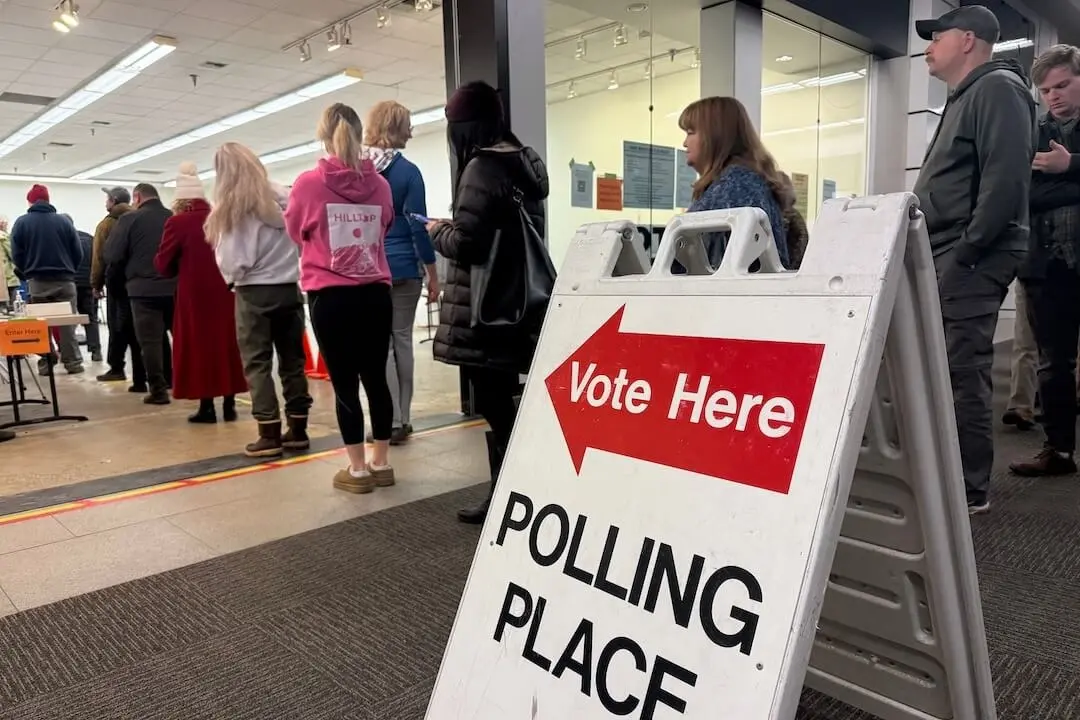
October 2026: Wedgewood Polls—a polling firm launched earlier in the year—admits to fabricating political surveys as part of a self-described "social experiment" designed to expose vulnerabilities within the polling industry. The fabricated data is picked up by various news organizations and incorporated into major polling aggregators before being scrubbed upon discovery of the fraud.
Mid-October 2026: Amid these revelations, a Reuters/Ipsos poll reveals that only 31% of Americans approve of President Donald Trump’s performance in office, marking the lowest level of either of his presidential terms. President Trump publicly attacks the results, telling reporters outside the White House that the polls and the journalists reporting them are "rigged."
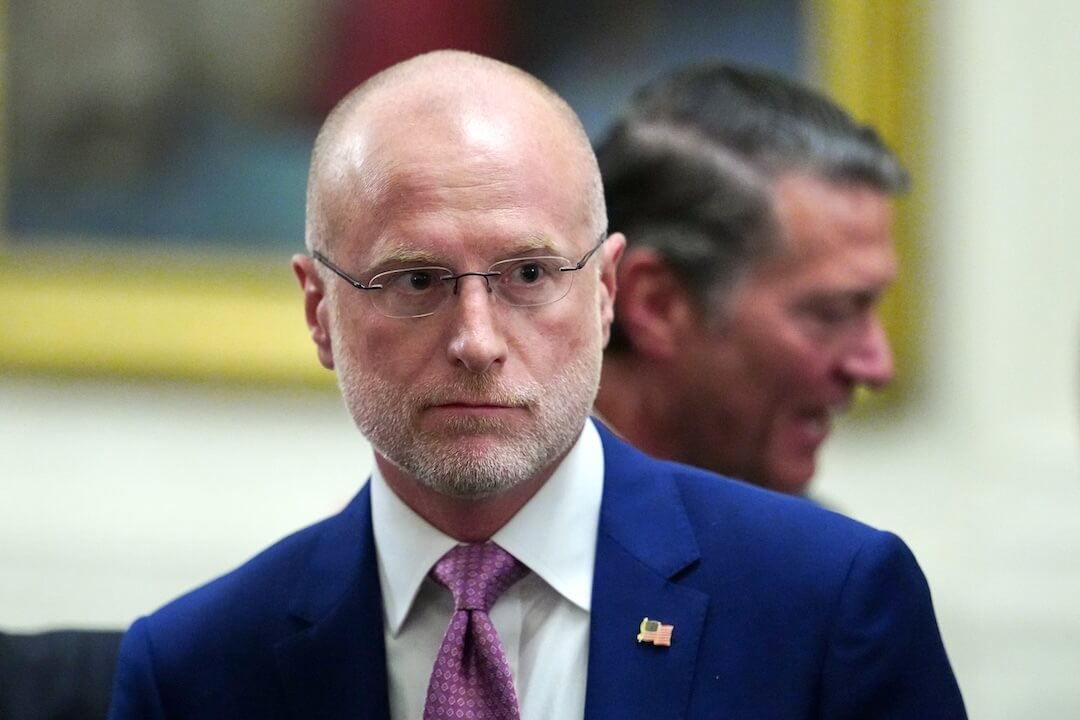
Wednesday, October 21, 2026: FCC Chair Brendan Carr issues a public warning via X (formerly Twitter), cautioning broadcasters that airing "Fake Polls and Suppression Polls" could violate their federal regulatory obligations. Carr cites rules against news distortion and broadcast hoaxes, sparking immediate pushback from press freedom organizations and democratic commissioners.
Late October 2026: Freedom of the Press Foundation Chief of Ethics and Advocacy Seth Stern and Democratic FCC Commissioner Anna Gomez publicly condemn Carr’s statements. Gomez notes that the threshold for a news distortion violation requires a "deliberate misrepresentation of something of significant importance," a standard that inaccurate polling data does not meet.
Legal and Institutional Battles
August 2026: ABC and The Walt Disney Co. file a landmark federal lawsuit against the FCC. The suit alleges that the agency violated the company’s First Amendment rights by weaponizing early license renewals and reviews for eight ABC-owned stations in retaliation for network coverage, comedy, and daily programming.
Tuesday, October 20, 2026: FCC Commissioner Anna Gomez appears at Media Trends Live in New York City, predicting that ABC is likely to prevail in its First Amendment lawsuit against the agency. Gomez criticizes the current FCC as the least independent in history, stating that agency actions are being driven directly by the White House.
Wednesday, October 21, 2026: A New Mexico state judge orders Meta to pay a staggering $25 billion penalty following a jury trial determining the company committed 43 million violations of state consumer protection laws related to the Cambridge Analytica privacy scandal.
Wednesday, October 21, 2026:The New York Times reports that Christianity Today has lost more than half of its staff over the preceding 14 months due to layoffs and resignations, with departing journalists accusing executive leadership of undermining editorial independence to protect financial and professional interests.
Supporting Context & Metrics
The tectonic shifts currently impacting the media landscape are quantifiable through staggering financial penalties, workforce reductions, and operational pivot points across the industry:
$25 Billion: The record-breaking penalty ordered against Meta by a New Mexico judge—representing a sum five times larger than the historic $5 billion privacy settlement Facebook reached with the Federal Trade Commission in 2019.
43 Million: The number of individual violations of New Mexico consumer protection laws committed by Meta, characterized by the presiding judge as a "systematic pattern of deception at the core of Facebook’s business model."
50% Staff Loss: The attrition rate experienced by Christianity Today over a 14-month window, reducing its newsroom to zero full-time writers and leaving only six "point editors" following the departures of high-profile journalists like deputy editor Bonnie Kristian and editor-in-chief Marvin Olasky.
31%: The approval rating for President Donald Trump recorded in an October 2026 Reuters/Ipsos poll—the lowest mark of either of his presidential terms—which served as the catalyst for intensified political attacks on mainstream polling aggregators.
3,000+ Stories: The volume of reporting shared and republished across newsrooms through collaborative media coalitions in Alaska, where regional outlets pool resources to navigate massive geographic barriers and high-stakes midterm coverage.
Official Statements & Reactions
The intersection of regulatory overreach, corporate governance, and political pressure has generated intense friction among public figures, legal experts, and industry executives:
Brendan Carr, FCC Chair: "Many journalists and broadcasters have been amplifying or airing these Polls without regard to basic journalistic ethics and without informing the public that those Polls lack a scientific, accurate, or even real basis… Broadcasters are prohibited by the terms of their federal licenses from engaging in News Distortion or promoting Broadcast Hoaxes. It is important that broadcasters comply with their public interest obligations."
Seth Stern, Chief of Advocacy, Freedom of the Press Foundation: "Broadcasters have a First Amendment right to report polling data, even if that data ultimately proves to be inaccurate. FCC policies about hoaxes and distortions must be applied narrowly to avoid clashing with the Constitution, if they can be constitutionally applied at all… The law under which the FCC operates expressly prohibits censorship and meddling with free speech."
Anna Gomez, FCC Democratic Commissioner: "I can tell you that I’m very glad Disney found its courage because I’ve said this time and time again: capitulation breeds capitulation, but courage inspires courage… I have never seen an FCC that’s less independent than this FCC. Clearly everything is at the direction of the White House, and that’s really problematic."
Bonnie Kristian, Former Deputy Editor, Christianity Today: "Christianity Today has an increasingly muddled sense of its place within American evangelicalism and a C-suite that exhibits discomfort with, disinterest in, and sometimes even distaste for journalists and our work… leadership [is] increasingly driven by fear, by the kind of anxiety about reputational and financial loss that makes bold, interesting, principled journalism very difficult."
Future Outlook
As the media industry navigates the remainder of the decade, the events of October 2026 point toward several critical trajectories:
Constitutional Showdowns in Broadcasting: The legal battle between ABC/Disney and the FCC is set to serve as a watershed moment for broadcast regulation. Should the federal courts rule in favor of ABC, it would severely curtail the executive branch’s ability to utilize regulatory bodies to pressure media networks over content. Conversely, a victory for the agency could fundamentally alter how broadcasters assess editorial risk regarding political reporting and polling data.
State-Level Enforcement as a Tech Deterrent: The $25 billion judgment against Meta establishes a formidable precedent for state-level enforcement of consumer protection laws. Legal scholars anticipate that other states will replicate New Mexico’s aggressive litigation strategy, bypassing federal regulatory gridlock to impose massive financial accountability on big tech platforms.
The Imperative of Newsroom Collaboration: The resource-constrained model pioneered in Alaska offers a viable blueprint for regional and local journalism survival. As advertising revenues contract and operational costs rise, traditional hyper-competition between local outlets is increasingly giving way to cooperative syndication and shared reporting networks.
Preserving Editorial Independence in Niche Media: The turmoil at Christianity Today highlights the persistent vulnerability of mission-driven and faith-based publications facing financial headwinds. Balancing institutional sustainability with uncompromising journalistic integrity remains an existential challenge for non-secular and independent media entities alike.
Ultimately, the preservation of a robust, independent press will depend on the judiciary’s willingness to enforce First Amendment protections against political encroachment, the resilience of collaborative news networks at the grassroots level, and the steadfast refusal of journalists and publishers to compromise their commitment to truth in the face of mounting external pressures.