

Executive Overview
Every October, a familiar cultural phenomenon grips households across the globe: the dreaded last-minute Halloween costume scramble. Despite months of advanced warning, millions find themselves staring blankly into their closets or browsing endless, generic retail options as October 31 looms. However, a profound shift is occurring within the modern celebration of Halloween. Rather than leaning on mass-produced, commercially manufactured outfits, communities are increasingly turning toward hyper-creative, handcrafted, and deeply idiosyncratic DIY expressions.
Recently, lifestyle publication Cup of Jo tapped into this cultural zeitgeist by putting out an open call on Instagram, inviting readers to submit their most inventive, funny, and memorable Halloween costumes. The resulting submissions—ranging from high-fashion runway homages and obscure culinary references to nostalgic television throwbacks and hyper-specific pop-culture puns—offer a fascinating lens into modern festive culture.
This report provides a comprehensive examination of the reader-submitted costumes that captured the internet’s imagination, exploring the psychology of dressing up, the mechanics of community-driven design, and the evolving economic and social dynamics of Halloween in the modern era.
Detailed Chronology: From Concept to Execution
The journey of creating a standout Halloween costume rarely happens overnight. For many participants, the process begins months in advance, driven by competitive ambition, personal nostalgia, or a flash of unexpected inspiration. An analysis of the submissions highlights several distinct phases in the lifecycle of a memorable DIY costume:
1. The Genesis of an Idea
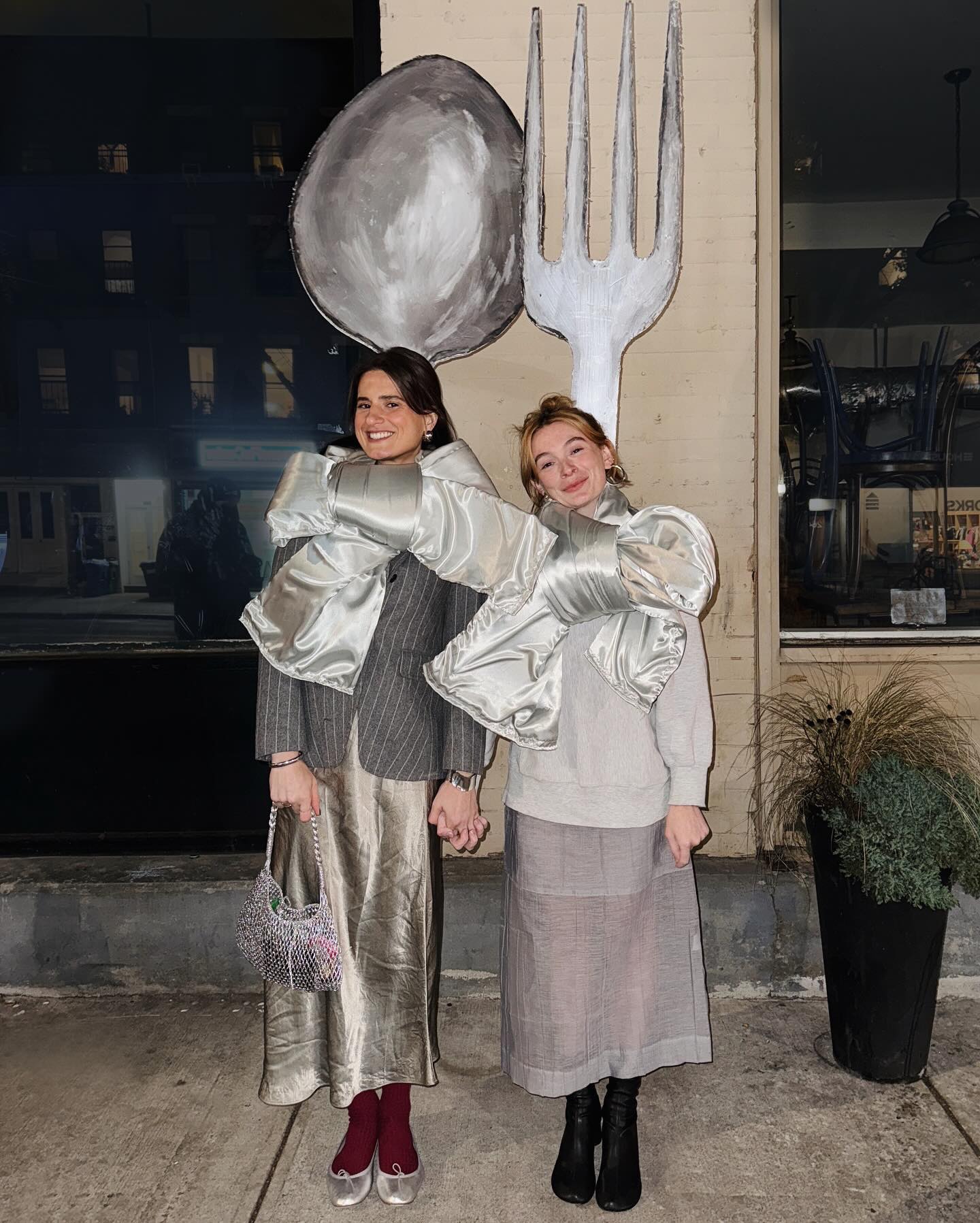
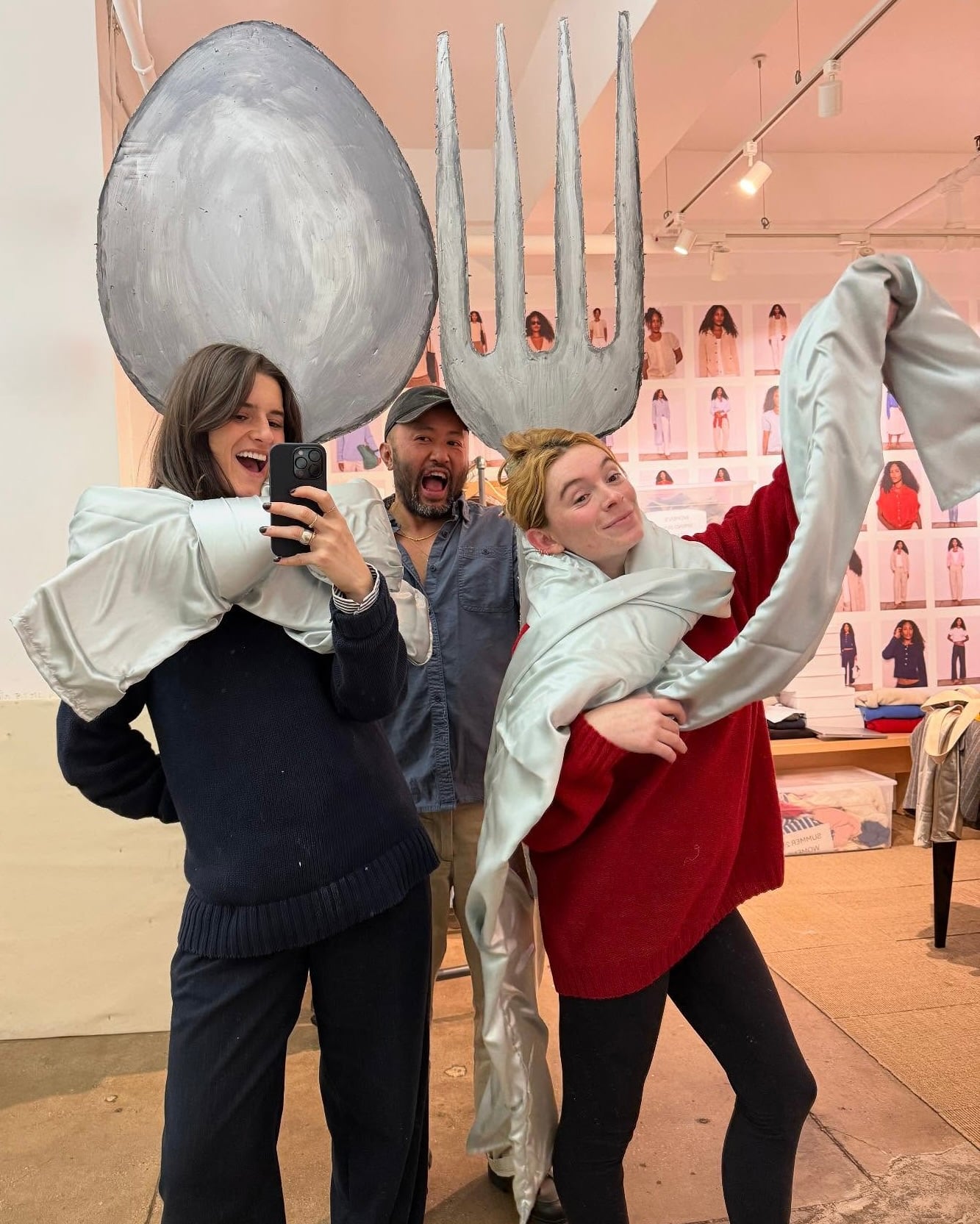
Great costumes often spring from unexpected cultural touchstones. For Rose Florence Anderson of Brooklyn, the motivation was intensely competitive: winning her neighborhood bar’s annual costume contest, where the grand prize was the holy grail of pub comfort food—free tater tots for life. To secure victory, Anderson bypassed commercial stores entirely, diving deep into vintage costume archives until she found a striking, highly unusual visual concept: a pair of human-sized vintage dining utensils.
Similarly, other participants drew inspiration from high fashion, television, and culinary trends:
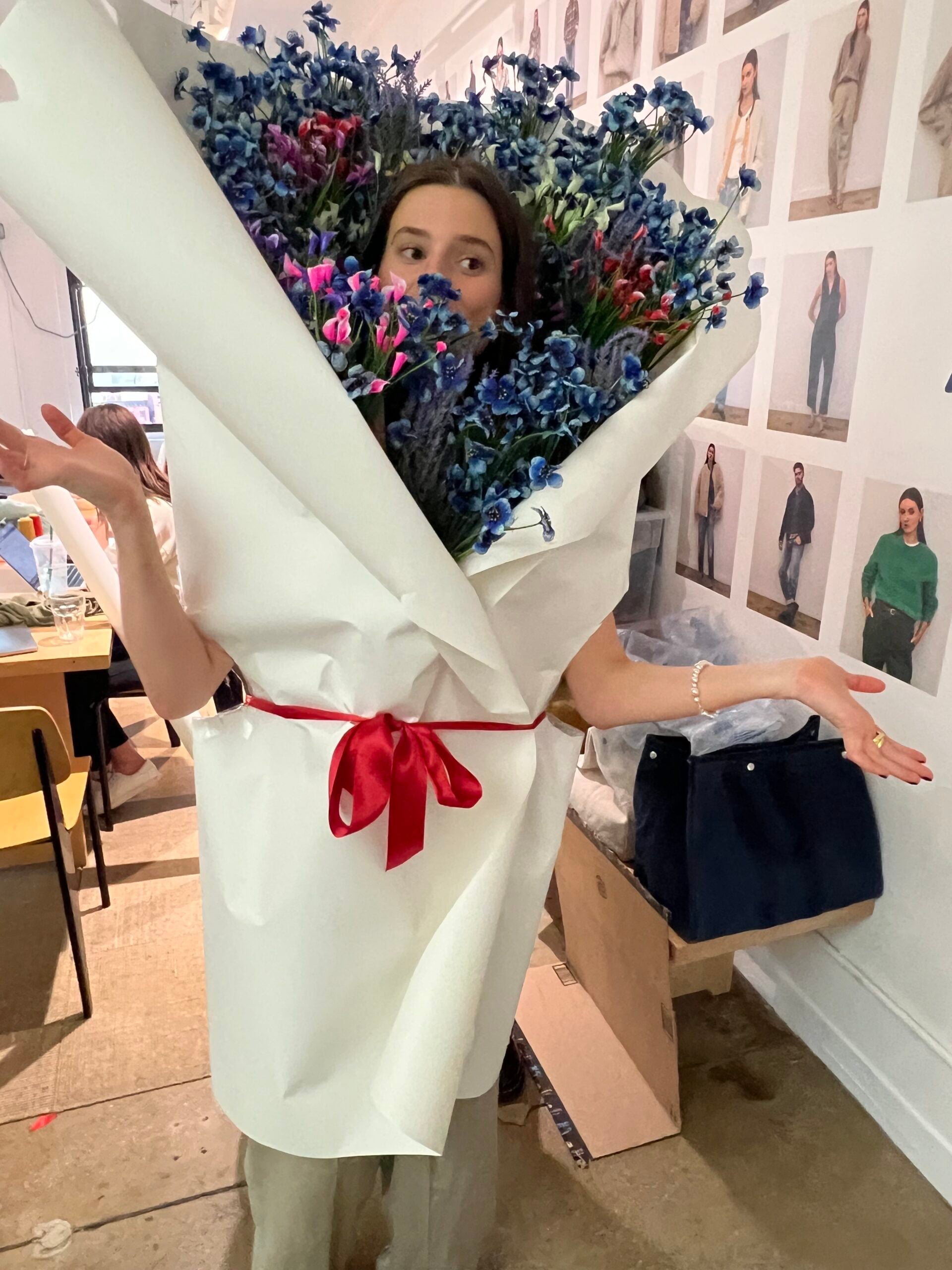
- The Runway Homage: Another Brooklyn resident, named Rose, channeled high fashion by recreating Gigi Hadid’s iconic turn down the Moschino Spring 2018 runway as a giant, human-sized bouquet of flowers—a literal embodiment of her own name.
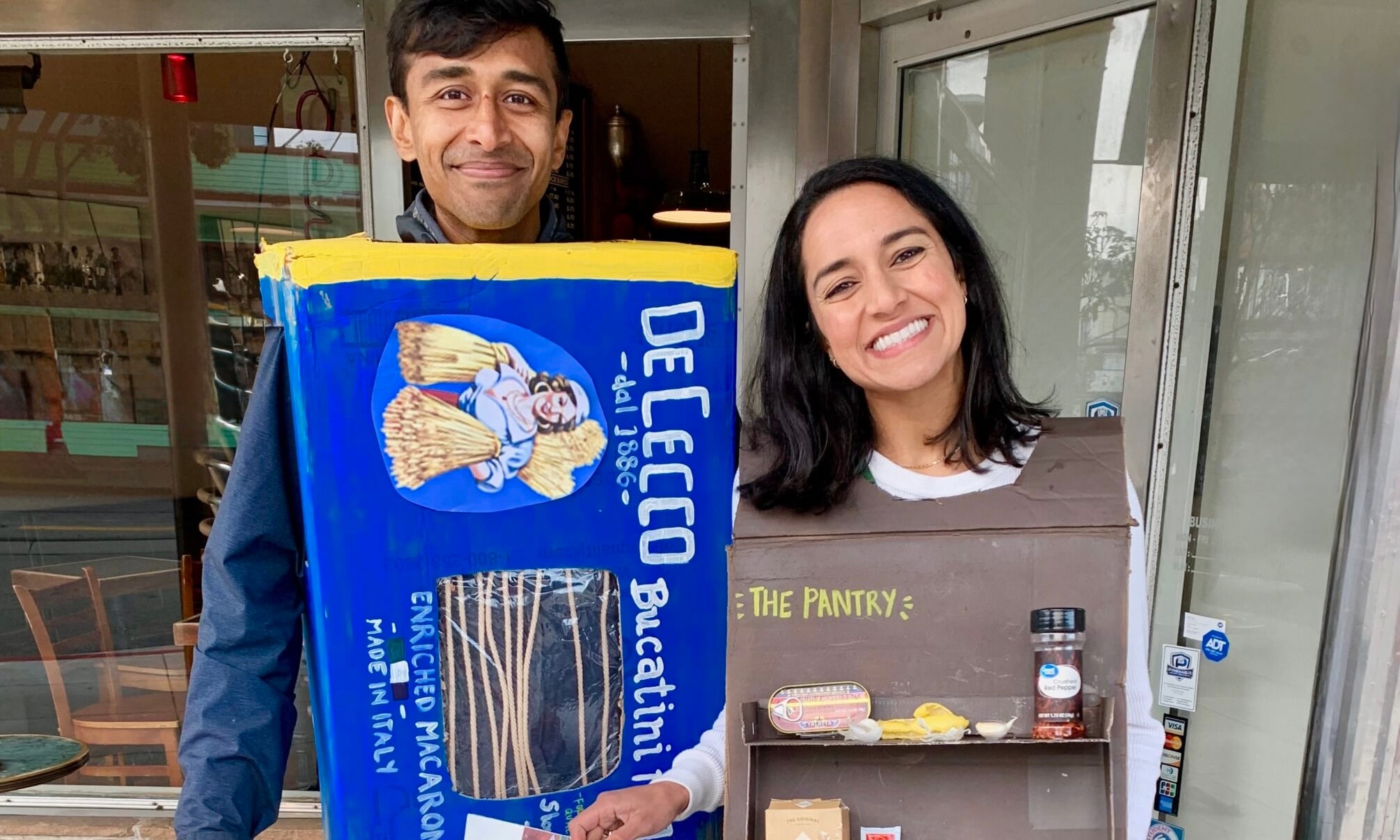
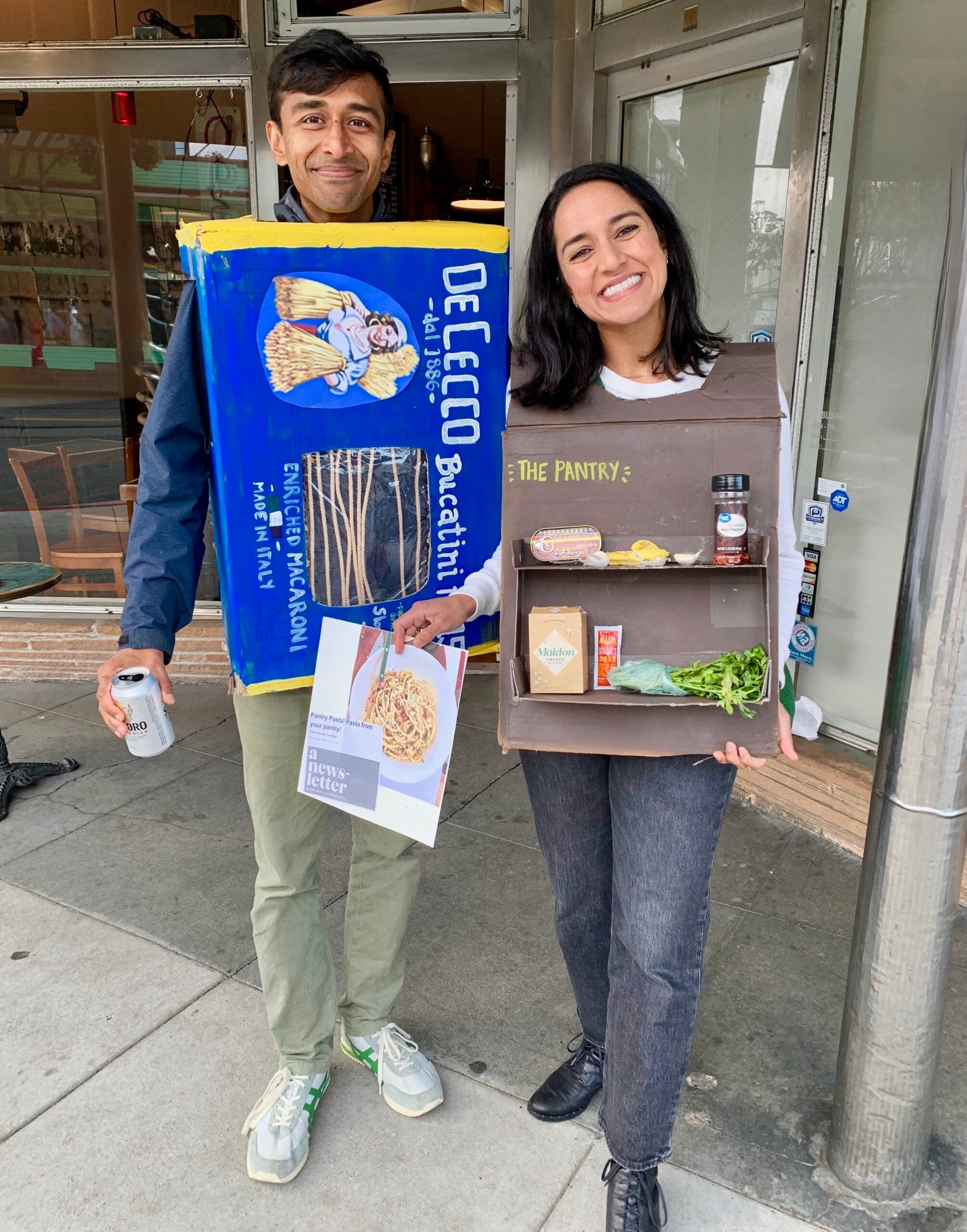
- The Culinary Trend: In Berkeley, California, Alissa looked to the height of the 2022 culinary zeitgeist—Alison Roman’s viral pantry pasta—to craft a bucatini-themed outfit alongside her partner, Amar, a humorous nod to their favorite comfort food.
- The Niche Pop-Culture Reference: Emily in Chicago embraced peak early-2000s cringe-comedy by dressing up with her husband as Anna and Maya from the Hulu cult favorite PEN15, complete with a replica of the show’s infamous Tommy Hilfiger t-shirt and adolescent friendship necklaces.
2. The Collaborative Crafting Phase
Once an idea is locked in, the DIY process often transforms into a collaborative, labor-intensive endeavor. True to the spirit of independent craftsmanship, these costumes frequently demand ingenuity, late nights, and unconventional materials.
Anderson enlisted the help of Somsack Sikhounmuong, the creative director at Alex Mill, to bring her vintage fork-and-spoon concept to life. Multiple late nights at the office culminated in a sculptural masterpiece that left bar patrons spellbound.
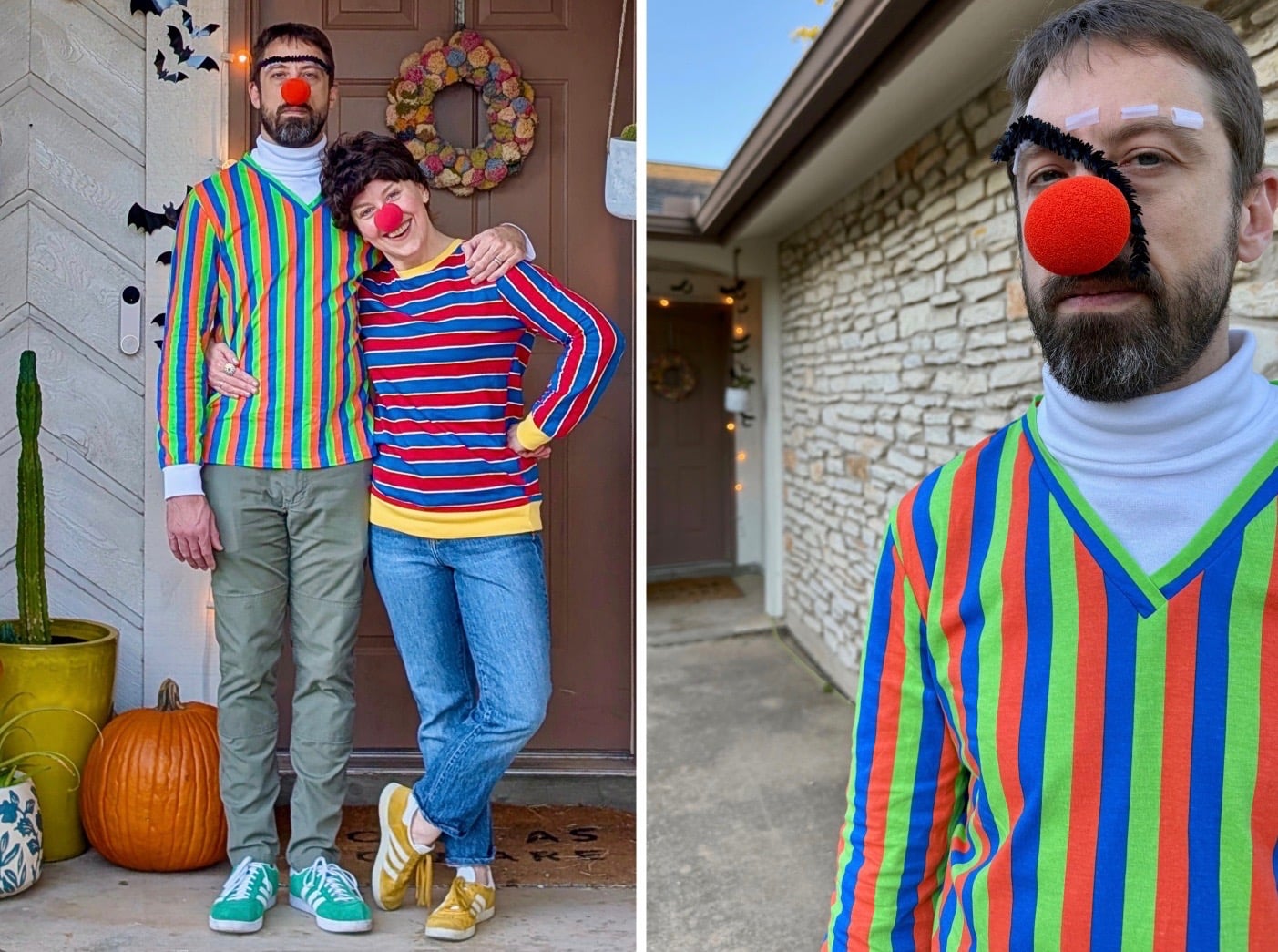
Other participants relied on resourcefulness closer to home. Christie of Austin, Texas, teamed up with her husband, Ryan, to dress as the classic Muppet duo Bert and Ernie. In a true display of domestic DIY problem-solving, Ryan’s signature thick, monobrow Bert eyebrow was constructed from a thick, fuzzy ribbon sourced from a children’s craft kit and secured to his face using standard Scotch tape.
3. The Reveal and Public Reaction
The ultimate validation for any DIY costume is the public’s reaction, which ranges from instant local acclaim to viral internet fame.
For Anderson and her friend Lili, unveiling the fork-and-spoon ensemble at the Brooklyn bar resulted in an undisputed contest victory, celebrated on the dance floor with an impromptu "fork-and-spoon victory dance."
Meanwhile, some costumes achieved legendary status across generations. Kathleen in Seattle, who dressed as her favorite candy—Nerds Gummy Clusters—found herself achieving local celebrity status. Months after Halloween, while volunteering at a local school cafeteria, a small child tapped her on the leg and asked directly, "Were you the Nerd Cluster last Halloween?"—a moment Kathleen described as the pinnacle of her perceived fame.
Supporting Context & Metrics: The Anatomy of Modern Costuming
To fully understand the weight of these creative endeavors, it is essential to examine the broader cultural and economic landscape surrounding Halloween spending and consumer behavior.
The Economics of DIY vs. Mass Retail
According to retail analytics from the National Retail Federation (NRF), consumer spending on Halloween has broken records year after year, with billions of dollars pumped into costumes, decorations, and candy. However, a noticeable counter-trend has emerged among millennials and Gen Z. While aggregate spending remains high, a growing segment of the population is experiencing "costume fatigue"—frustration with the high cost, poor quality, and environmental waste associated with cheap, mass-produced synthetic outfits sold at pop-up holiday shops.
| Costume Category | Primary Inspiration Source | Crafting Method | Social Impact / Reception |
|---|---|---|---|
| The Vintage Utensils | Vintage illustration archive | Custom-built with professional design help | Won neighborhood bar contest (free tots for life) |
| The Bouquet of Flowers | Moschino Spring 2018 Runway (Gigi Hadid) | High-fashion DIY recreation | Celebrated local art-fashion crossover |
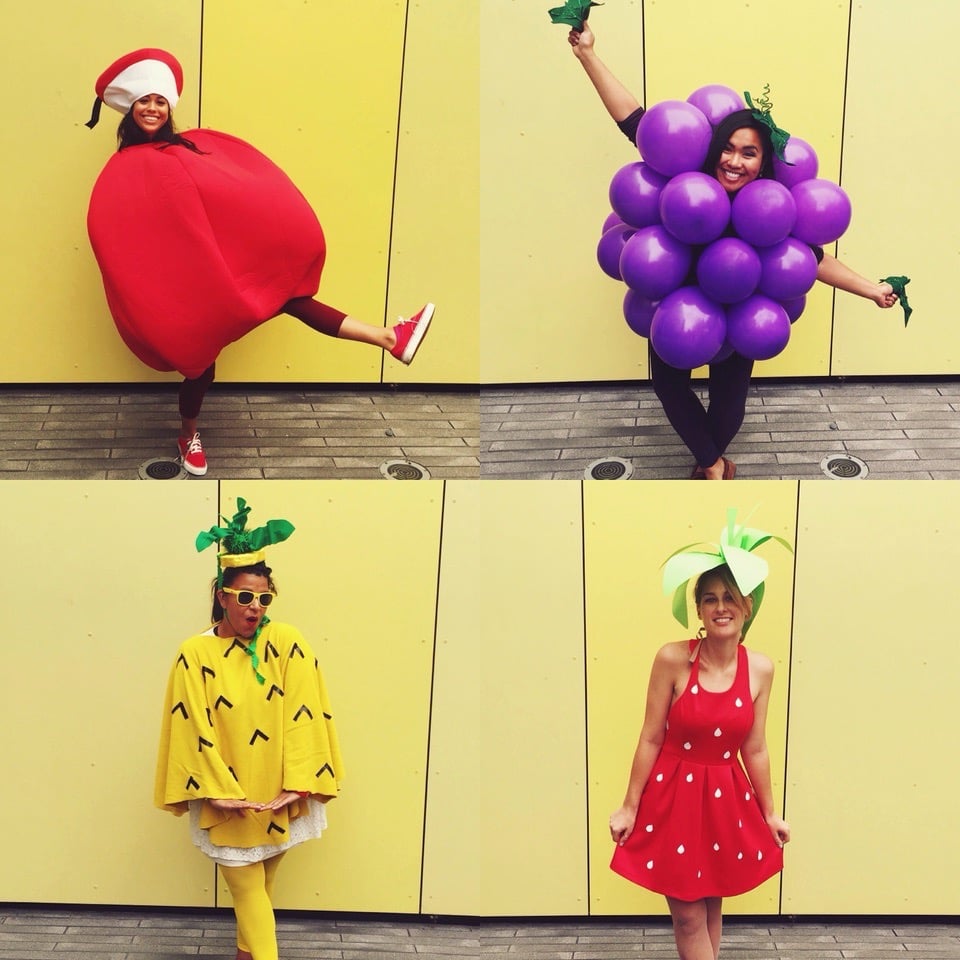
| Fruit of the Loom | Classic corporate logo / Group theme | Balloons and wearable fabric | Office hit (despite ergonomic challenges) |
| PEN15 Duo | Hulu comedy series | Thrifted vintage clothing & craft store accessories | Viral dance floor success |
| Bucatini Pasta | Viral cooking trends (Alison Roman) | Pasta-themed textile crafting | Commemorated in a subsequent marriage |
| Bert and Ernie | Sesame Street Muppets | Thrifted clothing + craft kit ribbon & Scotch tape | Wholesome domestic acclaim |
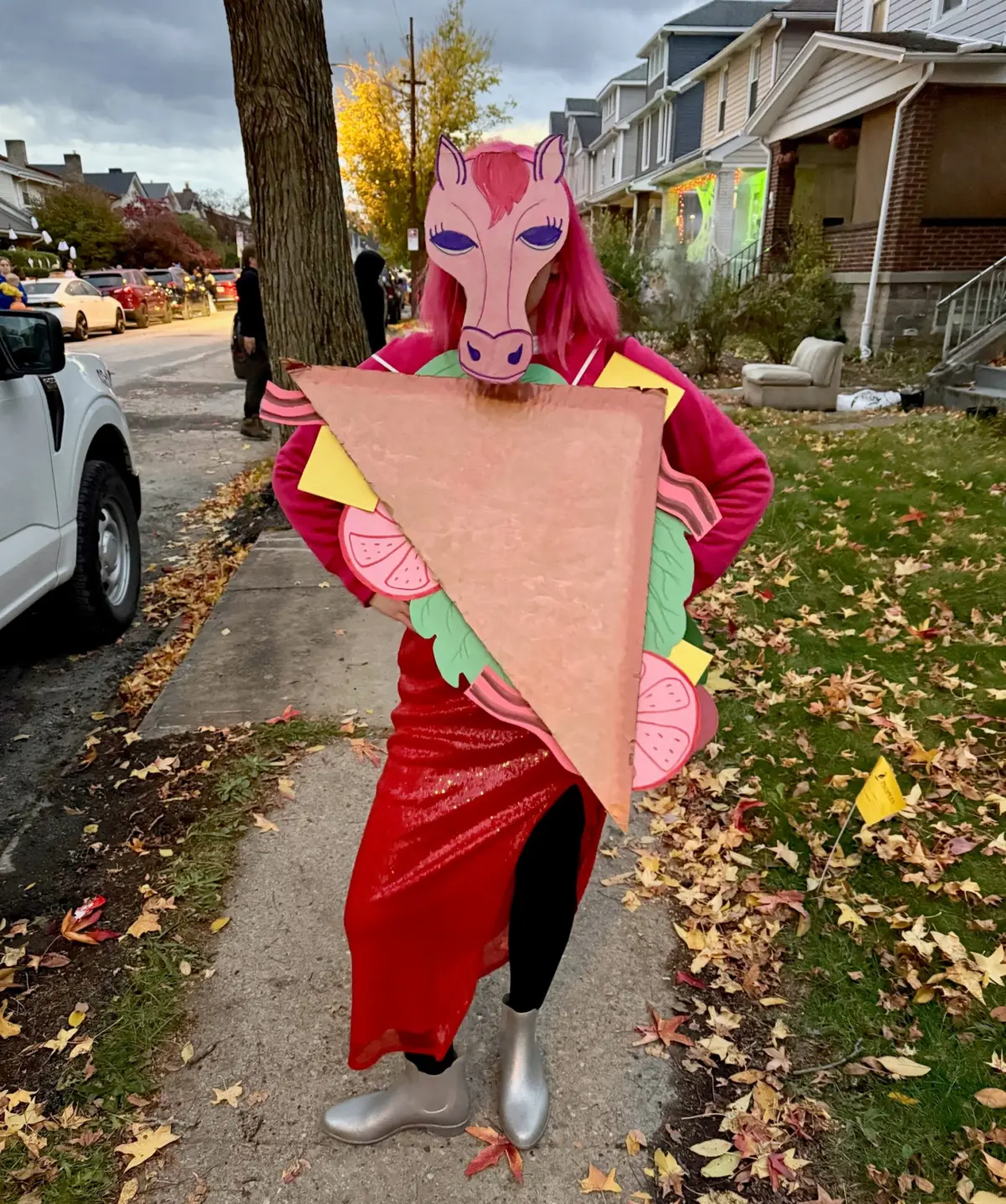
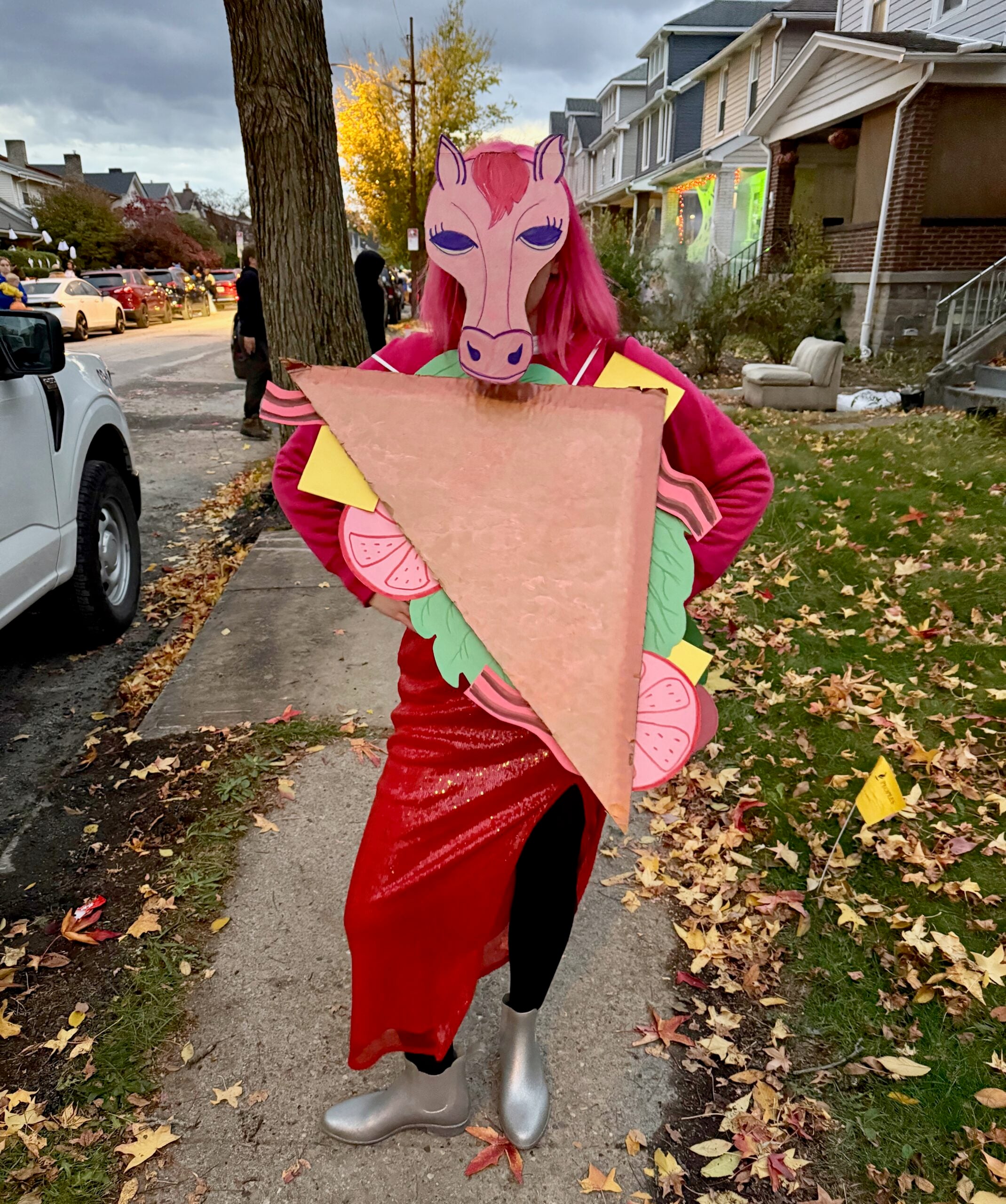
| Pink Pony Club | Puns & pop culture | Conceptual wordplay | Deliberately misunderstood by local crowds |
| Ice Cream Sundae | Family group theme | Multi-piece wearable dessert structures | Coordinated family success |
| Nerds Gummy Cluster | Confectionery branding | Full-body sculpted foam/fabric suit | Permanent local legend status among schoolkids |
| Home Alone Grocery Run | Cinema classic (Home Alone) | Exact prop replication and period-accurate cash | Cinematic accuracy appreciated globally |
The Rise of Hyper-Specific Humor
As demonstrated by Emily O. of Pittsburgh—who dressed up simply as the "Pink Pony Club" purely for the joy of a pun that most people wouldn’t understand—modern Halloween culture places a high premium on niche, deadpan humor. Similarly, Loes from the Netherlands went to extraordinary lengths to recreate Kevin McCallister’s grocery-shopping scene from Home Alone. Loes meticulously studied the exact items Kevin purchased, gathered them from local markets, calculated the precise amount of period-accurate cash required for the transaction, and carried extra loose change just to deliver the iconic line: "Keep the change, ya filthy animal!"
These examples highlight a shift away from traditional, easily digestible scary or fantasy tropes toward clever, conversational costumes that act as inside jokes shared with the world.
Official Statements & Community Perspectives
The crowdsourced submissions published by Cup of Jo provide direct insight into the motivations, joys, and occasional logistical headaches experienced by creative participants:
- On the trials of group coordination: Jessi Baer, who participated in a corporate office group costume representing the "Fruit of the Loom" logo (portraying the grapes), offered a humorous reality check regarding office ergonomics: "Everyone in the office loved it, although I realized I hadn’t thought through how it would feel to work at my desk under a layer of balloons. Still, worth it."
- On lasting personal milestones: Alissa reflected on her bucatini pasta costume with a heartwarming personal update: "In 2022, Alison Roman’s pantry pasta was having its moment… I’m happy to report that I married the bucatini!"
- On family-wide synchronization: Vivian from St. Catharines, Ontario, detailed how her entire household integrated into a cohesive dessert: "My family and I dressed up as our favorite treat: ice cream! My oldest and I were ice cream cones, my husband held the scoop, and our youngest was the cherry on top."
These personal narratives underscore that Halloween is no longer merely a children’s holiday or an excuse for adult nightlife revelry; it has evolved into a canvas for celebrating relationships, shared culinary obsessions, pop-culture literacy, and collaborative art.
Future Outlook: Where Is DIY Halloween Headed?
As we look toward future Halloweens, several clear trajectories are emerging within community-driven costuming:
- The Digital-Analog Synthesis: Platforms like Instagram, TikTok, and Substack are increasingly serving as incubators and validation loops for physical craft. Readers no longer create in a vacuum; they draw inspiration from digital micro-trends and share their physical outputs back to online communities, creating a continuous loop of inspiration.
- Sustainability and Reusability: With growing ecological awareness, the reliance on single-use, petroleum-based plastic costumes is facing subtle pushback. Crafting costumes from existing wardrobe staples, vintage finds, craft supplies, and everyday household items represents a more sustainable approach to seasonal celebration.
- The Premium on Narrative: Costumes that tell a specific, multi-layered story—such as Loes’s meticulously researched Home Alone grocery run or Kathleen’s Gummy Cluster outfit—consistently outperform generic store-bought attire in terms of memorability and social engagement. In an era dominated by fleeting digital content, tangible, story-driven physical artifacts command lasting attention.
Ultimately, whether people spend months engineering vintage dining utensils with professional fashion designers or simply tape a fuzzy ribbon to their husband’s forehead to create a Muppet monobrow, the heart of Halloween remains anchored in human ingenuity, shared laughter, and community connection.