

Executive Overview
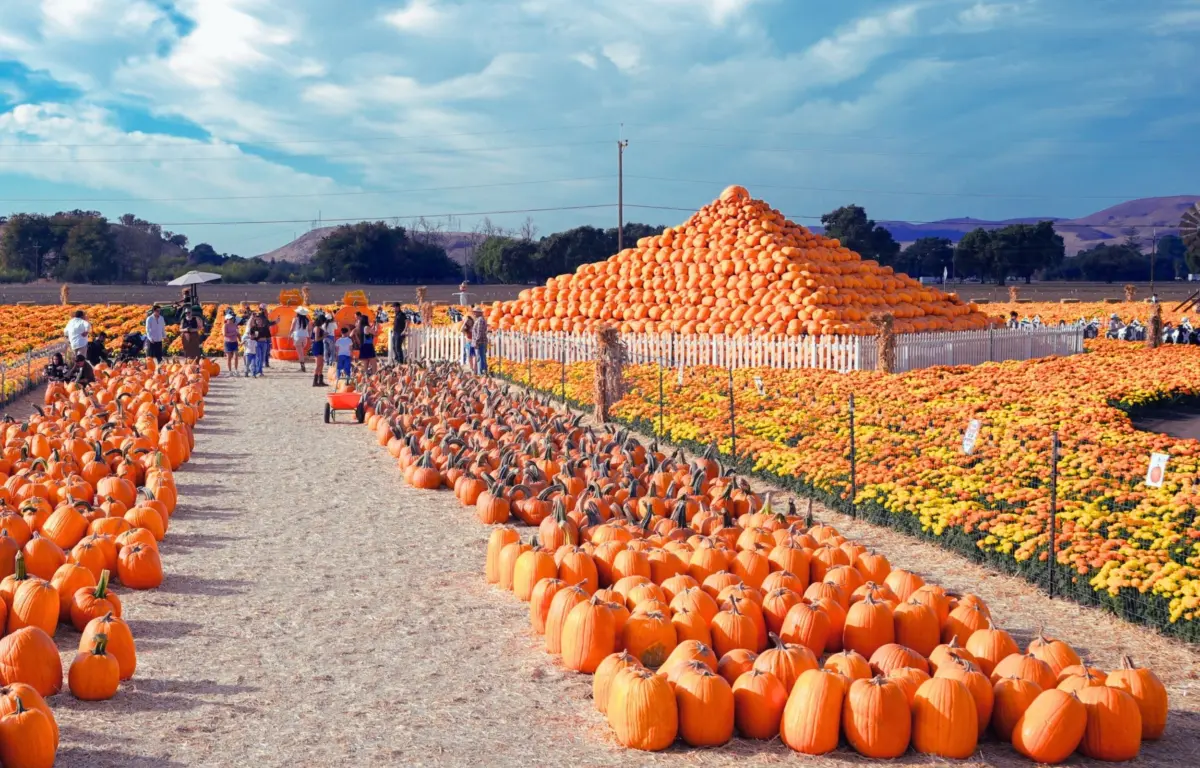
In the world of seasonal entrepreneurship, few ventures match the astonishing velocity and financial potency of The Great Pumpkin Farm in Clarence, New York. Operating for a mere seven weeks each autumn, this 85-acre agritourism destination pulls in staggering numbers that rival year-round retail operations. In 2025 alone, the farm generated a remarkable $2 million in revenue, welcoming over 100,000 visitors eager to immerse themselves in autumnal festivities.
Yet, the genesis of this enterprise was viewed by many as a fool’s errand. More than three decades ago, Kelly Schultz—then a second-generation antiques dealer with zero agricultural experience—announced his intention to abandon his traditional trade and open a pumpkin farm. Friends and family laughed, dismissing the concept as an impractical pipe dream.
Today, nobody is laughing. At 74 years old, Schultz presides over a cultural touchstone located 15 miles northeast of Buffalo, proving that unconventional business instincts, when paired with sharp consumer observation, can yield extraordinary results. By capitalizing on the booming American appetite for autumnal nostalgia and experiential retail, Schultz transformed a muddy plot of upstate New York land into a masterclass in seasonal business execution.
Detailed Chronology: The Evolution of The Great Pumpkin Farm
The Epiphany in Upstate New York (Early 1990s)
The blueprint for The Great Pumpkin Farm was not born in a corporate boardroom or an agricultural incubator. Instead, it originated from a consumer frustration experienced in the early 1990s. While visiting a crowded, disorganized pumpkin patch in upstate New York, Kelly Schultz observed a remarkably rudimentary operation.
The site suffered from glaring operational inefficiencies: muddy parking lots that punished visitors’ vehicles, a severe lack of basic amenities like restrooms, and chaotic crowd management. Despite these glaring shortcomings, the patch was packed with “a zillion people” eagerly browsing and purchasing pumpkins.
Schultz watched the crowds, did a quick mental calculation of the transactional volume, and had an epiphany that would alter the course of his life. He recognized that the existing operators were leaving massive amounts of value and customer satisfaction on the table. In a recent interview, Schultz recalled thinking: "I could do this, better than this."
Seizing the Land and Breaking Ground (1993)
An entrepreneur’s vision is only as good as their execution, and the opportunity to test Schultz’s hypothesis materialized shortly thereafter. A former cattle farm, conveniently located right next door to his existing antique store in Clarence, New York, hit the real estate market in 1993.
Seizing the moment, Schultz purchased the 85-acre property for approximately $650,000. Transitioning from an antiques dealer to a farmer was fraught with a steep learning curve. He lacked formal training in crop management, soil chemistry, and large-scale logistics. However, his background in commerce, coupled with an instinctive understanding of retail presentation, bridged the gap. He refocused the acreage, moving away from cattle operations and laying the groundwork for what would become an institutional fall destination.
Scaling Through Experience and Expansion
Over the next three decades, Schultz methodically scaled the property from a simple roadside patch into a full-scale immersive agritourism park. Recognizing that raw pumpkins alone could not sustain a multi-million-dollar operation over a compressed timeline, he diversified the attractions.
The farm evolved to include signature family-friendly draws:
- A dedicated pumpkin-themed train ride traversing the acreage.
- High-energy, spectator-friendly pie-eating contests.
- An intricate, five-acre corn maze that challenges visitors annually.
- Seasonal craft vendors, food stalls, and midway-style attractions.
By systematically enhancing the visitor experience year after year, Schultz cultivated fierce brand loyalty. Today, the demographic footprint of his clientele spans generations. As Schultz notes, a significant percentage of visitors return almost every single weekend of the operational window, entirely enamored by the traditions built over the last 33 years.
Supporting Context & Metrics: Riding the Wave of the Modern Halloween Economy
Kelly Schultz’s success is not isolated; it sits at the intersection of a massive cultural and economic shift in how North Americans consume seasonal holidays. Over the past decade, Halloween and its adjacent autumnal traditions have transformed from a localized children’s holiday into a commercial powerhouse.
The National Retail Federation Data Insights
According to comprehensive data from the National Retail Federation’s (NRF) annual Halloween survey—released on September 22—Halloween spending in the United States continues to shatter historical records.
- Total Market Spend: American consumers are projected to spend an astronomical $13.5 billion celebrating the holiday, marking a steady increase from the $13.1 billion recorded the previous year.
- Per Capita Expenditure: Individual consumers expect to invest an average of $115.14 per person on goods ranging from intricate costumes and theatrical yard decorations to specialized confectionery.
- Participation Rates: Nearly three-quarters of surveyed consumers (74%) plan to actively celebrate the holiday, representing a substantial leap from the 68% participation rate recorded in 2019.
Changing Consumer Traditions and Behaviors
The NRF data illuminates precisely why businesses like The Great Pumpkin Farm thrive within such a narrow operational window. The holiday’s traditions dictate high-engagement activities that align perfectly with agritourism:
- Pumpkin Carving: 42% of consumers plan to carve pumpkins, driving direct demand for agricultural patches and farm-gate sales.
- Home and Yard Decoration: An identical 42% intend to decorate their homes and yards, fueling a massive market for exterior displays, straw bales, corn stalks, and gourds.
- Candy Distribution and Costumes: Distributing candy remains the single most popular tradition at 61%, while 50% of respondents plan to dress in full costume.
The Phenomenon of Early Shopping
Perhaps the most critical macroeconomic tailwind for seasonal entrepreneurs is the aggressive expansion of the shopping calendar. Historically, Halloween spending was concentrated in the final week of October. Today, consumer habits have shifted dramatically toward early acquisition.
Data indicates that 49% of Halloween shoppers plan to begin their seasonal purchases in September or even earlier, compared to just 34% a decade ago. This temporal expansion gives businesses like The Great Pumpkin Farm a crucial runway. By opening their gates in mid-September (running this year from September 19 through October 31), operators can capture weeks of early-bird consumer spending, maximizing cash flow before the calendar even flips to October.
Official Statements and Industry Perspectives
Reflecting on his unlikely journey from antique storefronts to agricultural titan, Kelly Schultz remains grounded in the simple principles that guided him from day one: direct observation, consumer empathy, and an uncompromising commitment to operational superiority.
"Everybody laughed at me," Schultz recalled in an interview with CNBC Make It, reflecting on the skepticism he faced when announcing his transition into farming 33 years ago.
That initial doubt has long since evaporated, replaced by the reality of a business model that generates $2 million in revenue over just 49 days. When asked about the secret behind the farm’s enduring appeal—which routinely draws over 100,000 visitors each autumn—Schultz points to the emotional connection patrons form with the space:
"There are people that come here almost every weekend," Schultz observed. "They love it so much, they just keep coming back."
Industry analysts point to Schultz’s operation as a prime example of modern experiential retail. In an era where digital fatigue drives consumers to seek tangible, real-world community experiences, well-run agritourism ventures offer an irreplaceable sensory product. By transforming the simple act of buying a squash into a multi-hour family excursion complete with entertainment, food, and outdoor recreation, The Great Pumpkin Farm elevated a commodity product into an irreplaceable seasonal ritual.
Future Outlook: The Resiliency and Expansion of Seasonal Agritourism
As The Great Pumpkin Farm looks toward its future, the macroeconomic indicators suggest that the tailwinds supporting seasonal agritourism will only strengthen. With American consumer spending on autumn holidays cresting past $13.5 billion, the appetite for authentic, location-based fall experiences shows zero signs of contraction.
Challenges and Adaptability
Operating a business with a compressed, seven-week operational window introduces unique management hurdles:
- Labor Acquisition: Securing and training a reliable seasonal workforce to manage ticketing, parking, food stalls, and attraction safety requires rigorous pre-season planning.
- Agricultural Volatility: Relying on crop yields introduces natural risks. Unpredictable weather patterns, unseasonal frosts, or pest pressures can impact pumpkin harvests, forcing operators to diversify their revenue streams beyond raw agriculture into ticketed entertainment, food service, and merchandise.
- Infrastructure Scaling: Managing more than 100,000 visitors within a brief window requires constant maintenance of access roads, parking capacity, and sanitation facilities—ironically addressing the very pitfalls that inspired Schultz to launch his enterprise in the first place three decades ago.
The Long-Term Legacy
Kelly Schultz’s transition from an antique seller in Clarence, New York, to a pioneering agritourism CEO serves as an enduring blueprint for cross-industry entrepreneurship. It demonstrates that deep industry expertise is secondary to a sharp eye for market gaps, operational execution, and a willingness to withstand initial skepticism.
As long as autumn leaves continue to fall and families seek out shared seasonal traditions, enterprises like The Great Pumpkin Farm prove that short-term operating windows can yield long-term financial gold. For Schultz, what began as a ridiculed gamble in 1993 has solidified into a multi-million-dollar legacy—proving that sometimes, the best business decisions are the ones everyone else thinks are crazy.