

By: [Investigative News Desk]
Published: October 22, 2026
Executive Overview
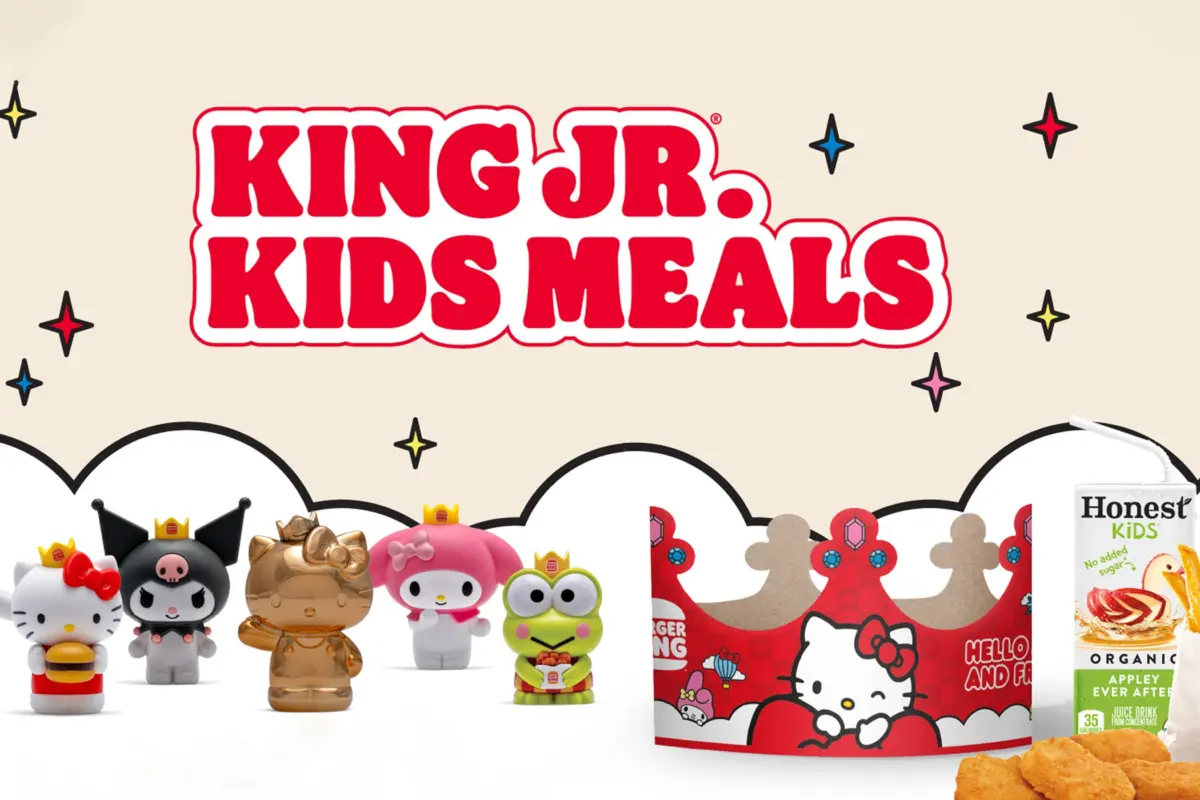
In an aggressive maneuver to capture the lucrative intersection of family dining and hyper-collectible pop culture, fast-food giant Burger King has announced a major global collaboration with Sanrio, the legendary Japanese entertainment company behind the worldwide phenomenon Hello Kitty. Rolling out across restaurants nationwide, the campaign introduces a specialized Hello Kitty and Friends King Jr. Kids’ Meal, complete with mystery blind boxes designed to leverage the soaring market demand for blind-box collectibles.
To mark the launch, Burger King is orchestrating a high-stakes, one-day experiential marketing stunt: a custom "Golden Claw Machine" arriving at its iconic Downey, California, location. This activation offers superfans a chance to win an ultra-rare, 14K gold-plated Hello Kitty figurine.
This partnership represents more than just a typical fast-food toy giveaway. It is a calculated masterclass in experiential retail, millennial and Gen Z nostalgia marketing, and the gamification of the quick-service restaurant (QSR) experience. By embedding rare, high-value physical assets into a traditional kids’ meal framework, Burger King is intentionally blurring the lines between juvenile dining promotions and high-end collector culture. This report provides a comprehensive analysis of the rollout, the mechanics of the campaign, official statements from corporate leadership, and the broader economic strategy driving modern brand collaborations.
Detailed Chronology: The Rollout and Activation
The timeline of the Burger King and Sanrio collaboration has been meticulously orchestrated to maximize anticipation, media buzz, and consumer foot traffic.
Phase One: The Quiet Launch (October 20, 2026)
The campaign officially sprang to life in restaurants across the United States. Without immediate fanfare in every local market, the Hello Kitty and Friends King Jr. Kids’ Meal quietly hit menus. Early morning diners and digital app users were greeted with custom-branded packaging: meals served in vibrant, character-adorned Hello Kitty bags, accompanied by an exclusive, limited-edition Burger King crown featuring Sanrio artwork.
Crucially, October 20 marked the debut of the mystery blind boxes. Departing from the traditional era of open-window toy packaging—where children and parents could see or choose their exact plastic toy—Burger King adopted the opaque "blind box" model popularized by designer toy brands like Pop Mart. Inside each box lies one of six potential collectible figurines:
- Hello Kitty
- My Melody
- Kuromi
- Cinnamoroll
- Keroppi
- The Rare Chase Figure (An exclusive golden-hued variant)
Each standard figurine features the beloved characters donning miniature Burger King crowns, directly tying the intellectual property into the fast-food chain’s proprietary iconography.
Phase Two: The Downey Stunt and the 14K Gold Claw Machine (October 23, 2026)
While the nationwide meal rollout targets families and casual fans, Burger King has designed a major focal point for hardcore collectors. On October 23, starting precisely at 11:00 a.m. local time, the historic Burger King location in Downey, California—famed for being one of the oldest operating franchises in the system—will host the "Golden Claw Machine" pop-up event.
This activation serves as the centerpiece of the campaign’s experiential marketing strategy. Rather than relying solely on digital ads or social media influencers, Burger King is creating a physical, high-stakes arena. Fans who travel to the Downey location will have the opportunity to test their skills at a custom-built arcade claw machine. The grand prize is a breathtaking, one-of-a-kind 14K gold-plated Hello Kitty figurine, alongside standard collectible prizes for runners-up. Industry analysts expect long lines, heavy social media documentation, and intense secondary-market interest surrounding the physical event.
Supporting Context & Metrics: The Economics of Blind Boxes and Nostalgia
To fully understand the gravity of this collaboration, one must examine the macro-trends currently dominating the consumer goods and QSR landscapes. Fast-food partnerships with high-profile entertainment properties are nothing new—dating back decades to classic promotional tie-ins. However, the dynamics of these campaigns have undergone a radical evolution.
The Rise of Kidult Culture and Blind-Box Economics
For years, kids’ meal toys were viewed strictly as disposable novelties intended to amuse children for the duration of a lunch or dinner. Today, the rise of the "kidult"—adult consumers who actively purchase toys, collectibles, and nostalgia-driven merchandise—has completely rewritten the playbook.
By utilizing blind boxes, Burger King is tapping directly into the psychology of modern collecting, which thrives on:
- The Element of Surprise: The psychological dopamine hit associated with unboxing an unknown item.
- Scarcity and Rarity: The pursuit of chase variants (such as the gold-hued figure or the physical 14K gold-plated grand prize).
- Secondary Market Liquidity: Collectibles tied to massive global IPs like Hello Kitty frequently command steep resale prices on platforms like eBay, Mercari, and specialized collector forums. Adult collectors are highly motivated to buy multiple kids’ meals—or purchase surplus blind boxes—to complete their sets.
Sanrio’s Global Dominance
Sanrio’s portfolio of characters commands a multi-billion-dollar global empire. Hello Kitty, created in 1974, has transcended her origins as a coin purse decoration to become a ubiquitous symbol of Downey-style "kawaii" (cute) culture worldwide. By partnering with Sanrio, Burger King instantly aligns itself with an IP that enjoys multi-generational appeal. Grandparents, parents, millennials, and Gen Z consumers all share a distinct cultural connection to Hello Kitty, making the demographic footprint of this campaign exceptionally wide.
Furthermore, characters like Kuromi and My Melody have experienced a massive surge in popularity among Gen Z and younger demographics, driven by aesthetic trends on TikTok, Instagram, and global fashion runways. Incorporating these specific characters alongside the classic Hello Kitty ensures that the campaign resonates powerfully with trend-conscious teenagers and young adults, driving foot traffic well beyond traditional families with young children.
Official Statements and Corporate Vision
Corporate leadership from both Burger King and Sanrio have emphasized the playful, premium nature of the collaboration, noting that the campaign was designed to elevate everyday fast-food dining into an interactive event.
Jill Koch, Chief Brand Officer at Sanrio, encapsulated the spirit of the partnership with a clever nod to the brand’s royal aesthetic:
"These characters are getting the royal treatment at Burger King."
The pun bridges the core equities of both brands: Sanrio’s high-status characters stepping into a world defined by royalty, crowns, and flame-broiled heritage.
Behind the playful marketing copy lies a rigorous corporate strategy. Burger King’s executive team has increasingly leaned into cultural touchstones and high-impact partnerships to differentiate its brand identity in a fiercely competitive QSR market. By combining accessible comfort food with high-end collector incentives, Burger King is positioning the King Jr. Meal not merely as a child’s dinner option, but as a cultural event capable of driving viral engagement across digital platforms.
Industry observers note that QSR brands must continuously innovate to capture consumer attention in an era dominated by digital distractions and delivery apps. Experiential activations like the Downey Golden Claw Machine generate earned media, PR coverage, and organic social media amplification that traditional billboard or television ad campaigns struggle to replicate.
Future Outlook: What This Means for QSR Marketing
The Burger King and Sanrio collaboration serves as a bellwether for the future of fast-food marketing. As we look ahead to the remainder of 2026 and beyond, several key takeaways emerge for the industry:
- Experiential Marketing is Here to Stay: Single-day pop-ups, custom physical installations, and gamified win-to-play mechanics will increasingly supplement digital-only ad buys. Brands understand that consumers—particularly younger cohorts—crave tangible, shareable real-world experiences.
- The Weaponization of Nostalgia: Partnerships that successfully bridge childhood nostalgia with modern adult collector culture will continue to yield outsized commercial returns. Expect to see more QSR collaborations targeting the intersection of comfort food and high-value physical collectibles.
- Cross-Border IP Integration: The fusion of iconic Japanese character brands with American fast-food institutions demonstrates the borderless nature of modern pop culture. As global fandoms continue to merge, strategic alliances between QSR giants and global entertainment powerhouses will become the gold standard for driving same-store sales growth.
Conclusion
For fans looking to secure a piece of this massive crossover, the clock is ticking. While the Hello Kitty and Friends King Jr. Meal and its mystery blind boxes are available at participating Burger King locations nationwide starting October 20, supplies are strictly limited. Meanwhile, for those lucky enough to be in Southern California on October 23, the pilgrimage to Downey offers a once-in-a-lifetime shot at claiming a shimmering piece of pop-culture history from the jaws of the Golden Claw Machine.
Whether you are a lifelong Sanrio devotee, an avid blind-box collector, or simply a parent navigating a Tuesday night dinner run, Burger King’s latest royal decree ensures that your next meal comes with a heavy dose of gold-plated excitement.