

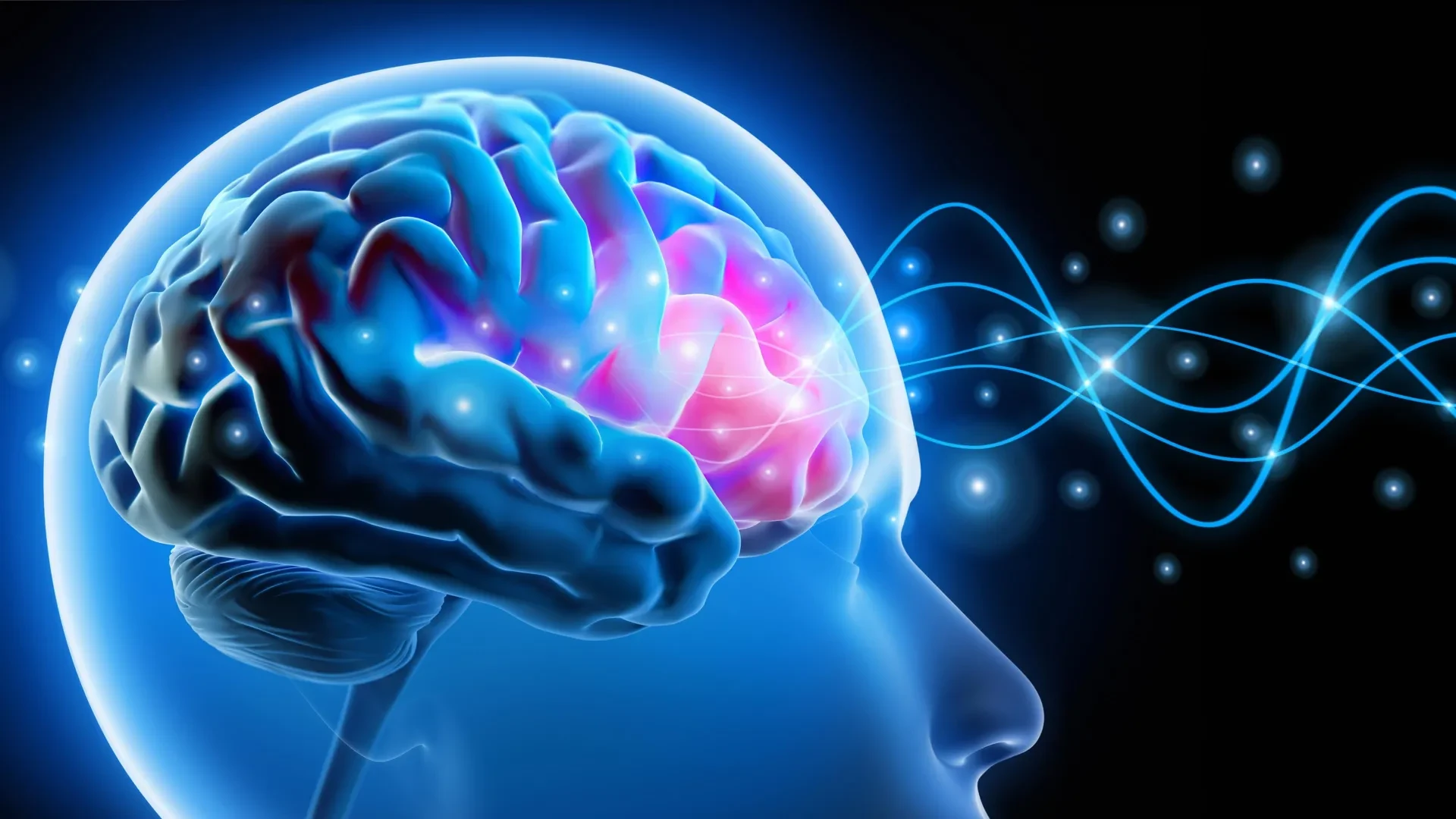
The landscape of mental healthcare is experiencing a profound transformation. For decades, the primary arsenal available to clinicians treating post-traumatic stress disorder (PTSD) has relied on a broad-brush approach: generic pharmacological interventions, primarily selective serotonin reuptake inhibitors (SSRIs), paired with rigorous psychotherapy regimens. While these interventions have offered a lifeline to many, they have left millions of others stranded in a frustrating cycle of trial and error, encountering debilitating side effects, high dropout rates, and inadequate symptom relief.
Today, that paradigm is shifting. In a milestone achievement for precision medicine and neurotechnology, the U.S. Food and Drug Administration (FDA) has granted clearance for a novel, personalized approach to treating PTSD. Developed by California-based Wave Neuroscience in close collaboration with researchers at the Texas A&M Health Institute of Biosciences and Technology, this breakthrough technology merges electrophysiological brain measurements with targeted magnetic stimulation.
Early clinical trial results have sent ripples of optimism through the psychiatric community. According to data released by Wave Neuroscience, patients undergoing the new protocol experienced an impressive 52% reduction in PTSD symptoms, with a remarkable 68% achieving full clinical remission. By replacing standardized, one-size-fits-all treatments with a tailored strategy guided by artificial intelligence and objective brain mapping, this innovation promises to expand market access and clinical options for an estimated 13 million Americans grappling with the invisible wounds of trauma.
Detailed Chronology: From Concept to FDA Clearance
The journey toward this regulatory milestone represents a triumph of accelerated translational science. In a medical device development landscape where bringing a novel therapeutic from concept to clearance routinely takes upward of a decade, the Wave Neuroscience and Texas A&M Health collaboration compressed this timeline into just over two years—a remarkable feat made all the more extraordinary by the fact that it was conceived and executed against the backdrop of the global COVID-19 pandemic.
The Catalyst and Early Development
The project began as an effort to bridge a persistent gap in psychiatric care: the lack of objective, data-driven tools for treating complex neurological conditions. Wave Neuroscience sought to optimize Magnetic e-Resonance Therapy (MeRT), a technology rooted in transcranial magnetic stimulation (TMS), by integrating advanced electroencephalogram (EEG) diagnostics with an AI-assisted multivariate algorithm.
Recognizing the need for rigorous academic partnership, Wave Neuroscience joined forces with the Texas A&M Health Institute of Biosciences and Technology. Dr. Kenneth S. Ramos, a physician-scientist with deep expertise in precision medicine, was brought on board to guide the research. Dr. Ramos’s philosophy—that medical interventions must adapt to the unique biological signature of the individual rather than assume universal responses—served as the philosophical bedrock of the clinical trial design.
Achieving Breakthrough Status
A critical turning point arrived in 2024 when the MeRT system secured an FDA Breakthrough Device designation. Dr. Rick Silva, executive director of clinical trials at the Texas A&M Health Institute of Biosciences and Technology, noted that this designation played a pivotal role in accelerating the regulatory path.
The Breakthrough Devices Program is designed to provide patients and healthcare providers with timely access to medical devices that offer more effective treatment for life-threatening or irreversibly debilitating conditions. While it does not dilute the rigorous scientific and clinical thresholds required for ultimate clearance, it streamlines agency communication and cuts through administrative red tape.
Dr. Silva, whose career spans nearly 1,000 academic medical projects, emphasized the profound emotional and professional resonance of this accelerated timeline. "Patients are why I do what I do," Dr. Silva reflected. "It’s hard, and the failure rate is high, and it’s a lot of work. But when you get to a point where something is going to benefit patients, it’s very professionally gratifying and personally gratifying in many ways as well."
Following the successful execution of clinical trials that demonstrated unprecedented reductions in symptom severity and high remission rates, the FDA officially cleared the system, opening the door for its integration into mainstream clinical practice.
Supporting Context & Metrics: The Scale of the Crisis
To fully appreciate the significance of this FDA clearance, one must examine the staggering human and societal toll of PTSD. The condition can develop following harrowing experiences such as military combat, serious accidents, natural disasters, or interpersonal violence.
Prevalence and Impact
According to epidemiological data from the U.S. Department of Veterans Affairs (VA), approximately 6% of all American adults will experience PTSD at some point in their lives, with disproportionately higher rates observed among women and military veterans. The burden carried by the veteran community is particularly acute: roughly 7% of veterans receive a PTSD diagnosis annually, and the crisis is underscored by the tragic statistic that approximately 17.5 veterans die by suicide each day in the United States.
+-------------------------------------------------------------+
|                THE PTSD CRISIS AT A GLANCE                  |
+-------------------------------------------------------------+
| • 6% of Americans experience PTSD in their lifetimes.       |
| • 7% of veterans receive a PTSD diagnosis annually.         |
| • ~17.5 veterans die by suicide each day in the U.S.        |
| • 13 million Americans could benefit from new MeRT access.  |
+-------------------------------------------------------------+
The Shortcomings of Legacy Treatments
Since PTSD was formally recognized as a distinct psychiatric diagnosis in 1980, the therapeutic landscape has remained largely static. The standard of care has pivoted around two main pillars: psychotherapy and pharmacotherapy, specifically selective serotonin reuptake inhibitors (SSRIs) like sertraline and fluoxetine.
While these options help manage symptoms for a subset of patients, their overall efficacy is frequently constrained. A comprehensive 2020 review of PTSD medications revealed that patients experienced modest symptom improvements ranging from just 6.8 to 10.1 points on standard assessment scales, with maximum remission rates hovering at a meager 10.9%.
Furthermore, alternative mainstays like trauma-focused psychotherapy demand immense emotional investment. Patients are repeatedly asked to confront deeply painful memories, which can trigger acute anxiety and lead to staggering rates of treatment dropout. For those who persevere, the process is often lengthy, leaving many individuals searching for alternatives.
A Quantum Leap in Efficacy
The clinical trial data reported by Wave Neuroscience present a striking contrast to legacy outcomes. In evaluating the newly cleared MeRT system, researchers observed a 52% reduction in PTSD symptoms and a 68% remission rate among study participants.
Dr. Erik Won, DO, chief medical officer at Wave Neuroscience, highlighted the magnitude of this difference when juxtaposed with historical medication data. "In comparison to that study, our FDA trial reported a 52% reduction in symptoms, so more than a four-fold increase in efficacy," Dr. Won stated. "And more importantly, we saw 68% remission in our clinical trial. So, it’s really a quantum change, an inflection point in what we can offer to patients."
Official Statements: Perspectives from the Front Lines of Science
The convergence of engineering, artificial intelligence, and clinical psychiatry represented by this FDA clearance has drawn commentary from leading minds across medical disciplines.
The Precision Medicine Perspective
Dr. Kenneth S. Ramos emphasized that the foundation of this breakthrough lies in honoring biological individuality. Humans share approximately 99.9% of their genetic code, yet the remaining 0.1% drives profound differences in how individuals metabolize compounds, process stress, and respond to therapeutic interventions.
To illustrate the limitations of traditional, blanket psychiatric treatments, Dr. Ramos offered an evocative analogy: conventional TMS is akin to placing a tarp over a leaking roof to manage the water damage, whereas personalized MeRT is designed to identify and replace the specific damaged shingles causing the leak in the first place.
"Most clinical interventions for the treatment of PTSD do not work very well," Dr. Ramos noted. "So, this is a huge area where identifying interventions that could hopefully add quality of life to the people impacted by this disorder would be tremendously impactful."
Expanding the Clinical Toolkit
Dr. Israel Liberzon, distinguished professor of psychiatry and behavioral sciences at the Texas A&M Naresh K. Vashisht College of Medicine, served as the study’s lead psychiatrist and PTSD specialist. He underscored the historic nature of the clearance, noting that it introduces the first non-medication, device-based treatment specifically approved for PTSD alongside the two FDA-approved SSRIs.
"Right now, the FDA has approved only two medications for PTSD," Dr. Liberzon explained. "It doesn’t mean that only two of them are used, but both are SSRIs. This is the first time that in addition to the medication, we have a non-medication option. There is psychotherapy that people use for PTSD, but psychotherapies require a lot of effort. People must participate actively, and many drop out because it’s too anxiety provoking. So now we have a unique alternative."
During the clinical trials, participants underwent a structured regimen consisting of five treatment sessions per week over a span of five to six weeks. Significantly, researchers noted that patient improvements persisted well beyond the cessation of active therapy, indicating durable neurological recalibration.
Objective Brain Mapping and Public Stigma
Dr. Leslie S. Prichep, chief scientific officer at Wave Neuroscience, pointed to the decades of foundational research underpinning electrophysiological biomarkers. By utilizing these markers to map abnormal brain activity, the technology bridges the gap between subjective psychological distress and objective neurological data.
Wave Neuroscience CEO Fred Walke believes this objective framing will ultimately help dismantle the cultural stigma surrounding mental illness. By visualizing brain function in a manner akin to evaluating a broken bone with an X-ray, patients gain a tangible, physiological understanding of their experiences.
"One of the goals of the company is to create a platform for mental healthcare that uses objective imagery to help patients understand why they’re experiencing life the way that they are," Walke said. "That insight, compounded with proven technologies, promises incredibly high efficacy when personalized."
Future Outlook: A New Horizon in Mental Healthcare
With FDA clearance secured, the immediate operational imperative shifts toward accessibility and commercial integration. Wave Neuroscience and Texas A&M Health are actively collaborating with healthcare networks, policymakers, and insurance providers to clear the path for widespread availability and insurance reimbursement, ensuring that this life-changing therapy is not restricted to those with private financial means.
The implications of this technology extend far beyond PTSD. Leaders at Wave Neuroscience envision a future where AI-driven, EEG-guided personalized brain stimulation is adapted to address a host of other challenging psychiatric and neurological conditions, including treatment-resistant depression and generalized anxiety.
Furthermore, the project holds profound symbolic and practical significance for institutions like Texas A&M University, which maintains a proud, enduring commitment to serving military veterans and their families.
"Texas A&M has a very rich history of military and veteran priorities," Dr. Ramos reflected. "It’s a no-brainer that Texas A&M faculty would be interested in and supportive of an initiative that hopefully would bring positive solutions to a big problem. And anything we could do to help alleviate that problem is going to go a long way towards making a difference in the individual’s life as well as the people who are close to them. I feel very fortunate that we at Texas A&M were meaningfully involved in this project."
As this precision-guided platform transitions from clinical trials to everyday medical practice, it stands as a testament to what can be achieved when rigorous academic research unites with visionary commercial enterprise. For millions of individuals trapped in the exhausting cycle of trauma, the era of trial-and-error psychiatry is finally giving way to a future defined by objective evaluation, precise treatment, and meaningful healing.