

Executive Overview
The American grocery landscape is undergoing a profound cultural and culinary transformation, driven by an unprecedented mainstream appetite for Asian cuisine. At the vanguard of this retail revolution is 99 Ranch Market. Celebrating its 42nd anniversary this year, the iconic supermarket chain has announced an aggressive nationwide expansion strategy. This growth plan comes on the heels of the company’s first-ever cookbook release, a strategic multimedia initiative designed to demystify specialty ingredients and celebrate the diverse culinary traditions of China, Korea, Japan, Taiwan, Southeast Asia, and beyond.
For over four decades, 99 Ranch Market has served as both a cultural anchor for immigrant communities and a destination for adventurous home cooks. Today, the 42-year-old grocer finds itself at the center of a mainstream retail phenomenon. Asian flavors are no longer confined to ethnic enclaves or specialized culinary districts; they are commanding center stage in American home kitchens, fueled by a demographic shift, digital food media, and an increasingly adventurous consumer base.
However, 99 Ranch Market is not expanding in a vacuum. The broader Asian supermarket sector—featuring powerhouses like H Mart and Patel Brothers—is experiencing a golden age of development. These specialty grocers are rapidly scaling their physical footprints to meet a surging demand that conventional supermarket giants like Whole Foods, Target, and Trader Joe’s are struggling to fully satisfy. This article provides an in-depth analysis of 99 Ranch Market’s trajectory, contextualizing its expansion within the explosive growth of the specialty retail sector, examining market metrics, and exploring the future of Asian food retail in North America.
Detailed Chronology: From Humble Beginnings to a National Empire
To understand the magnitude of 99 Ranch Market’s current expansion, one must examine the historical arc that transformed a single storefront in Southern California into a multi-state retail empire. The chain’s journey mirrors the evolution of Asian-American immigration, assimilation, and cultural integration over the last half-century.
The Foundation Years (1980s–1990s)
In 1984, Taiwanese immigrant Roger Chen founded the first 99 Ranch Market in Little Saigon, Westminster, California. At the time, the options for immigrants seeking authentic ingredients from their home countries were severely limited. Traditional American supermarkets offered little to no specialty Asian produce, live seafood, or regional pantry staples. Chen identified a critical gap in the market: a desperate need for a clean, well-stocked, large-format supermarket that could serve the burgeoning immigrant populations arriving in Southern California.
The name "99 Ranch"—combining the auspicious Chinese number nine with a nod to the American frontier—signified a bridge between old-world traditions and new-world opportunities. Throughout the late 1980s and 1990s, the chain expanded steadily across Southern California, establishing locations in communities with high densities of Chinese, Taiwanese, and Vietnamese residents. These early stores were revolutionary, featuring expansive live seafood tanks, massive produce departments with exotic fruits and vegetables, and on-site bakeries and hot-food counters that recreated the vibrant atmosphere of an open-air Asian market.
Regional Scaling and Diversification (2000s–2010s)
Entering the 21st century, 99 Ranch Market moved beyond its Southern California stronghold. The brand expanded into Northern California, followed by strategic forays into the Pacific Northwest, Texas, Nevada, and the East Coast. During this period, the retailer refined its product mix. While its foundation was rooted in Chinese and Taiwanese goods, the chain intentionally broadened its inventory to capture a pan-Asian demographic. Aisles began to feature dedicated sections for Korean banchan ingredients, Japanese specialty noodles and condiments, and Southeast Asian spices and sauces.
This era also marked the professionalization of the brand’s supply chain. 99 Ranch Market invested heavily in direct-import relationships with manufacturers and agricultural producers across Asia. This allowed the company to bypass costly intermediaries, ensuring competitive pricing and an unparalleled freshness that smaller, independent grocers struggled to match.
The Modern Era and Mainstream Crossover (2020s–Present)
The COVID-19 pandemic served as an unexpected catalyst for the specialty grocery sector. With restaurant closures forcing millions of consumers to cook at home, home cooks turned to culinary experimentation. Social media platforms like TikTok and Instagram became digital classrooms, broadcasting recipes for viral Korean gochujang pastas, Taiwanese beef noodle soups, and Japanese okonomiyaki.
99 Ranch Market capitalized on this digital culinary awakening. By positioning its stores not just as places to buy groceries, but as cultural epicenters, the brand attracted a new generation of shoppers—millennials and Gen Z consumers of all ethnicities who viewed cooking as a form of creative expression and cultural exploration.
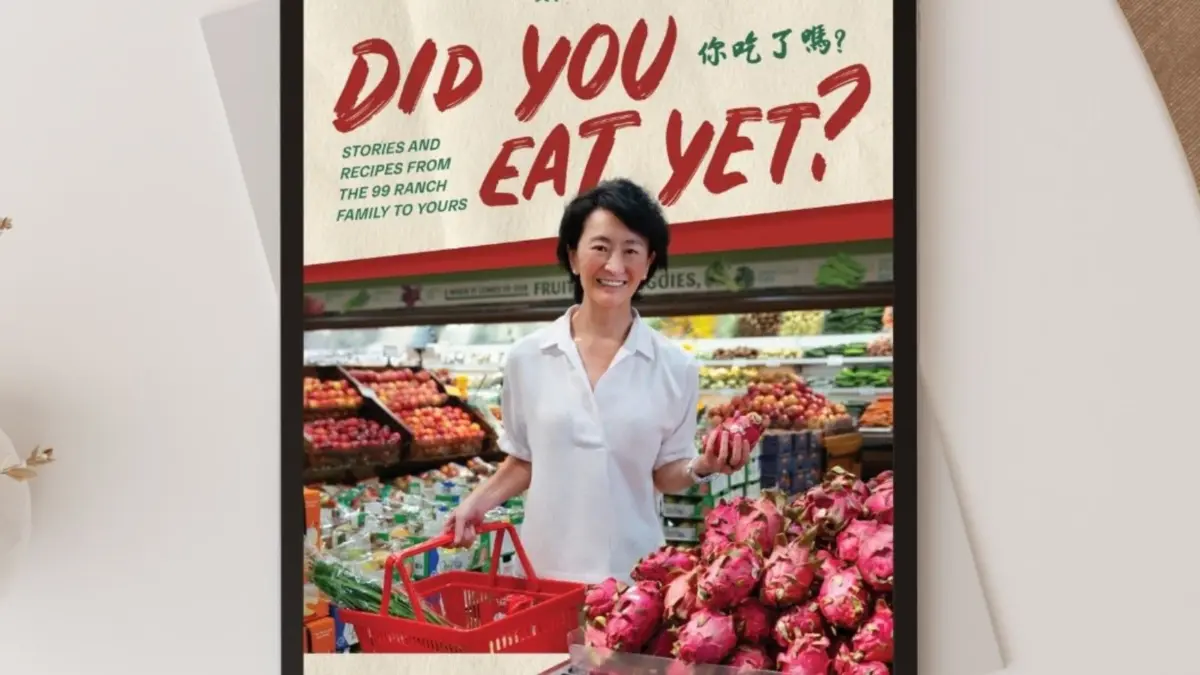
In late 2023 and early 2024, 99 Ranch Market took a bold step into lifestyle branding by launching its first-ever official cookbook. Designed to onboard novice cooks, the book pairs accessible recipes with QR codes and guides that direct readers straight to the products stocked on 99 Ranch shelves. Building on this momentum, the grocer announced a comprehensive real estate expansion plan for the coming year, targeting both traditional suburban markets and high-density urban centers where demand for specialty ingredients has reached an all-time high.
Supporting Context & Metrics: The Pan-Asian Retail Boom
The strategic expansion of 99 Ranch Market is underpinned by powerful macroeconomic trends, demographic shifts, and evolving consumer preferences. A deep dive into current retail metrics reveals why Asian supermarkets are outperforming many traditional grocery segments.
Demographic Tailwinds and Culinary Curiosity
According to U.S. Census Bureau data, the Asian-American population is one of the fastest-growing demographic groups in the United States, having grown by over 80% between 2000 and 2020. This population growth has created dense clusters of consumers who demand authentic, high-quality ingredients from their native regions.
Simultaneously, the broader American palate has undergone a dramatic evolution. Driven by travel, globalization, and digital media, younger generations exhibit a profound willingness—and eagerness—to explore non-Western cuisines. Market research from firms such as Mintel and SPINS indicates that over 70% of U.S. consumers regularly incorporate Asian flavors into their home cooking. Specialty ingredients once labeled "ethnic" are now categorized as pantry staples by mainstream shoppers.
The Competitive Landscape: Big Box vs. Specialty Specialist
The mainstreaming of Asian groceries has not gone unnoticed by conventional retailers. Major players have aggressively adjusted their inventory to capture market share:
- Target: Has expanded its dry-goods aisles to feature prominent brands like Samyang, Lao Gan Ma, and Lee Kum Kee.
- Trader Joe’s: Frequently introduces proprietary Asian-inspired frozen meals and snacks, which often rank among their top-selling items.
- Whole Foods Market: Stocks premium Asian organic goods, specialized mushrooms, and imported teas.
Despite these efforts, conventional supermarkets face inherent limitations. They cannot replicate the sensory experience, scale, and authenticity of a dedicated Asian supermarket. A typical conventional grocer might stock two or three varieties of soy sauce; a 99 Ranch Market location will feature an entire aisle dedicated to soy-based condiments, categorized by regional brewing methods, aging processes, and flavor profiles (e.g., light, dark, sweet, mushroom, and seafood-infused).
Furthermore, the live seafood counters, in-house bakeries, and expansive produce sections featuring durian, bitter melon, dragon fruit, and fresh galangal offer a level of specialization that generalist retailers cannot match.
The Big Three: 99 Ranch, H Mart, and Patel Brothers
99 Ranch Market shares the national stage with other industry titans that are experiencing similar growth trajectories:
- H Mart: Founded in Queens, New York, in 1982, this Korean-American supermarket chain has grown to over 80 locations nationwide, famously anchoring high-end food halls within its stores.
- Patel Brothers: Specializing in South Asian and Indian groceries, this family-owned enterprise operates over 30 stores across the United States, serving as a vital cultural hub for the South Asian diaspora.
While each chain targets a distinct primary demographic, all three share a common strategic advantage: they offer an immersive cultural shopping experience that transforms grocery shopping from a mundane chore into an exploratory excursion.
Official Statements and Industry Insights
As 99 Ranch Market embarks on its next phase of growth, corporate leadership has emphasized that the company’s success lies in balancing operational scale with cultural authenticity.
In recent corporate communications regarding the launch of their inaugural cookbook and upcoming real estate initiatives, 99 Ranch Market executives highlighted the evolving role of the supermarket in modern American society.
"For over forty years, our mission has been to provide immigrant families with a taste of home while introducing our neighbors to the rich culinary traditions of Asia," said a corporate spokesperson. "Today, we are seeing a remarkable shift. Our shoppers are no longer just looking for nostalgic ingredients; they are curious creators who want to understand the stories, techniques, and heritage behind the food. Our new cookbook and our upcoming store expansions are direct responses to this vibrant culinary curiosity."
Industry analysts point to this dual approach—combining physical expansion with educational content—as a masterclass in modern retail strategy.
"Grocery retail is no longer just about square footage and supply chain logistics; it is about community and content," notes retail analyst Sarah Jenkins of ConsumerEdge Research. "When 99 Ranch publishes a cookbook or opens a new store, they aren’t just selling groceries—they are onboarding consumers into a lifestyle. While Target and Whole Foods can sell you a bottle of sriracha, a specialty grocer sells you the context, the confidence, and the complementary ingredients to cook an authentic meal from scratch. That is why chains like 99 Ranch, H Mart, and Patel Brothers are experiencing explosive, recession-resilient growth."
Furthermore, real estate experts note that landlords and property developers are actively courting Asian supermarket chains to anchor shopping centers. Once viewed as niche tenants, grocers like 99 Ranch Market are now recognized as powerful foot-traffic drivers that outperform traditional anchor tenants in drawing diverse, high-spending consumers.
Future Outlook: What Lies Ahead for Pan-Asian Retail
Looking toward the horizon, the trajectory for 99 Ranch Market and the broader Asian grocery sector points toward continued, aggressive expansion, technological modernization, and deeper consumer engagement.
Real Estate Strategy: Entering New Geographies
In the coming year, 99 Ranch Market plans to break ground in several new regional markets while densifying its presence in existing territories. Industry insiders anticipate the grocer will look beyond its traditional coastal strongholds, eyeing high-growth metropolitan areas in the American South and Midwest where demographic diversification is accelerating. These new locations will likely feature modern store designs optimized for omnichannel shopping, integrating seamless in-store pickup, expanded delivery partnerships, and interactive digital displays.
Omnichannel Integration and Digital Education
The success of 99 Ranch’s first cookbook signals a broader pivot toward digital and experiential content. Future initiatives are expected to include enhanced e-commerce platforms featuring localized delivery, video recipe integration, and subscription boxes tailored to home cooks looking to master specific regional cuisines—such as Sichuan stir-fries, Taiwanese night-market street foods, or Japanese izakaya dishes. By bridging the gap between physical retail and digital inspiration, 99 Ranch aims to capture the loyalty of tech-savvy millennial and Gen Z shoppers.
Supply Chain Resilience and Sustainability
As global supply chains face ongoing volatility, 99 Ranch Market’s long-standing, direct-import relationships will serve as a critical competitive moat. Moving forward, the company is expected to increase investments in sustainable sourcing, cold-chain logistics, and partnerships with local American agricultural producers who grow specialty Asian crops domestically. This dual-sourcing model ensures product freshness, mitigates international shipping risks, and supports local agricultural economies.
Conclusion
As 99 Ranch Market commemorates 42 years of retail excellence, the grocer stands at the intersection of heritage and innovation. By honoring its roots as a trusted purveyor of authentic Asian goods while boldly adapting to the demands of the modern, adventurous mainstream consumer, 99 Ranch Market is not merely expanding its physical footprint—it is actively shaping the future of how America eats, cooks, and connects across cultures.