

Executive Overview
The landscape of freelance writing has undergone a profound structural shift over the past half-decade. Traditional hunting grounds for remote work—such as saturated public job boards, freelance marketplaces racing to the bottom on price, and cold-email pitching with single-digit response rates—are rapidly losing efficacy. Today, the modern digital economy demands a pivot toward inbound attraction, thought leadership, and personal branding.
At the center of this paradigm shift is LinkedIn. Far from its origins as a mere digital resume repository, the platform has evolved into a powerhouse B2B social network where enterprise decision-makers, marketing directors, and venture-backed startup founders actively seek industry expertise.
For freelance writers aiming to build resilient, high-paying businesses, mastering LinkedIn is no longer an optional extracurricular activity; it is a core operational necessity. However, succeeding on the platform requires abandoning outdated tactics and aligning with how the current algorithm and target clients behave. This comprehensive guide outlines the five foundational strategies modern freelancers must deploy to turn LinkedIn into an automated, predictable engine for inbound client acquisition.
Detailed Chronology: The Evolution of Freelance Client Acquisition
To understand why LinkedIn commands such immense value today, one must trace the evolutionary trajectory of how freelance writers secure paying contracts.
Era One: The Wild West of Job Boards (Early 2010s)
A decade ago, the path of least resistance for a new freelance writer involved scouring massive online bulletin boards and classified sites. While these platforms generated high volume, they suffered from a severe "race to the bottom" mentality. Writers competed against a global talent pool willing to work for pennies per word, making sustainable full-time income exceptionally difficult to achieve without a massive output volume.
Era Two: The Cold Pitching Renaissance (Mid-to-Late 2010s)
As job boards became overcrowded, industry leaders championed cold email and LinkedIn direct messaging. Freelancers spent hours crafting hyper-personalized pitches to marketing managers. While effective for those with thick skins and meticulous tracking systems, cold pitching remains a numbers game fraught with high rejection rates and time-intensive prospecting that pulls writers away from their core competency: writing.
Era Three: The Inbound Thought Leadership Era (Present Day)
Today, the pendulum has swung firmly toward inbound marketing. Decision-makers are increasingly fatigued by unsolicited pitches hitting their inboxes. Instead, they prefer to vet service providers based on their public track record of ideas, insights, and industry acumen. LinkedIn has capitalized on this behavioral shift, positioning itself as the premier digital ecosystem where high-ticket clients go to discover specialized writing talent before ever posting a job description.
Supporting Context & Metrics: Decoding the LinkedIn Algorithm
Before executing any outreach or content strategy, freelancers must understand the mechanics of the platform. LinkedIn’s algorithm has matured significantly, shedding the viral "hack-heavy" culture of previous years in favor of rewarding true topical relevance, professional authority, and genuine engagement.
- The Power of Inbound Leads: According to industry feedback across modern coaching programs and freelance communities, an overwhelming majority of high-earning freelance writers now attribute their primary source of inbound client acquisition directly to LinkedIn, dwarfing traditional job boards.
- Relevance Over Raw Reach: The modern algorithm does not inherently reward broad, mass-appeal content that goes viral among other creators. Instead, it prioritizes niche authority. If a writer consistently publishes deep insights regarding a specific sector—such as B2B SaaS, fintech compliance, or medical device regulation—the algorithm identifies that expertise and pushes the content directly into the feeds of decision-makers operating within those exact verticals.
- The Penalty Box: Outdated tactics, such as mass-tagging unrelated users, dropping external links in the primary text box without warming up the post, or utilizing engagement pods, face severe algorithmic suppression. The platform rewards native text formatting, insightful commentary, and retention metrics (keeping users on the post longer via strong hooks and scannable formatting).
Five Essential Strategies to Master LinkedIn for Freelance Writers
Transitioning from a passive profile viewer to an active inbound magnet requires systematic discipline. Implementing the following five strategies will transform any freelance writing profile into a high-converting sales funnel.
Strategy 1: Write Exclusively for Potential Clients, Not Other Freelancers
A classic trap for emerging writers is building a network composed entirely of other freelance writers. While peer support, writing tips, and community camaraderie are invaluable for emotional health, they generate zero revenue.
When a marketing director or content manager visits a writer’s profile, they should immediately understand three things:

- What specific problem the writer solves.
- Which industry vertical the writer serves.
- Proof that the writer understands the client’s business model.
How to Execute This Strategy:
- Audit Your Recent Feed: Review your last ten posts. If the majority focus on generic freelance tips, grammar rules, or pitching advice aimed at peers, pivot immediately.
- Identify Core Client Pain Points: Select three to five strategic topics that keep your target audience awake at night. If you write for financial institutions, discuss regulatory shifts, fintech UX trends, or compliance challenges. If you write for SaaS brands, focus on customer acquisition costs, churn reduction, or product-led growth content strategies.
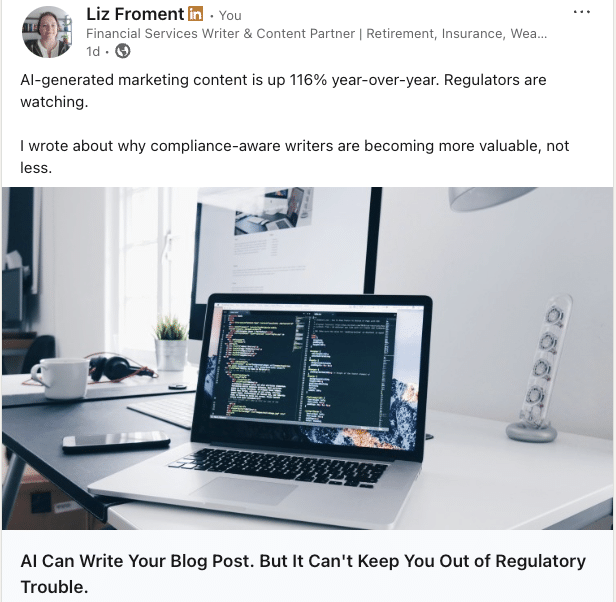
- Publish Project-Agnostic Insights: Share high-level takeaways from recent client projects (while maintaining confidentiality), analyze why a major brand’s content marketing strategy is succeeding, or offer a contrarian take on an emerging industry trend.
Strategy 2: Overcome Posting Anxiety Through Sustainable Cadence
The common advice of "you must post three times a day across multiple platforms to succeed" causes profound burnout. For many freelancers, this intimidation leads to imposter syndrome and complete paralysis, resulting in a dormant or nonexistent LinkedIn presence.
The truth is much more forgiving: publishing one to two well-crafted, highly targeted posts per week consistently over several months yields vastly superior results compared to erratic, frantic daily bursts.
How to Execute This Strategy:

- Establish a Realistic Cadence: Choose a schedule you can maintain without stress. Publishing every Tuesday and Thursday, or simply committing to a single deep-dive post every Wednesday, is entirely sufficient.
- Batch Your Content Creation: Dedicate a specific 30-minute block every Sunday afternoon to outline and write your weekly posts. Utilize LinkedIn’s native post scheduler to automate your publishing schedule, removing the day-to-day pressure of content creation.
- Lean on Proven Formats: Focus on text-based posts with compelling hooks, short paragraphs, and clear line breaks. High-performing content rarely requires complex graphics or video production; clarity and intellectual rigor remain paramount.
Strategy 3: Prioritize Daily Engagement and "Walking the Marketing Dog"
Building an inbound engine is a long-term marathon, but active engagement can significantly accelerate the timeline. As industry experts often note, daily marketing activities should be treated with the same routine consistency as walking a pet. Commenting on prospects’ content and sending thoughtful connection requests matters far more than simply broadcasting your own thoughts.
How to Execute This Strategy:
- Build a Target Prospect List: Curate a list of 20 to 30 decision-makers—such as content managers, marketing directors, managing editors, and startup founders—at companies you aspire to write for.
- Engage with Intention: Dedicate 15 to 20 minutes daily to reviewing their profiles and recent updates. Avoid generic, automated platitudes like "Great post!" or "So true." Instead, leave thoughtful, value-add commentary that extends the conversation, provides a unique data point, or asks a smart follow-up question.
- Adopt the 3-2-1 Method: Streamline your daily routine by committing to a simple formula: send 3 targeted connection requests, leave 2 thoughtful comments on prospect posts, and publish 1 piece of original content.
Strategy 4: Optimize Your Profile to Function Like a High-Converting Sales Page
Your LinkedIn profile is not a static digital CV; it is a dedicated landing page designed to convert casual visitors into high-paying clients. Every square inch of your profile must be engineered to sell your expertise.
How to Execute This Strategy:
- Craft a Value-Driven Headline: Erase the generic title "Freelance Writer." Replace it with a results-oriented headline that speaks directly to the client’s needs, such as: "I write high-converting B2B SaaS content that turns complex software features into pipeline revenue," or "Financial Services Content Writer | Trusted by [Client A], [Client B], and [Client C]."
- Write an Audience-Centric "About" Section: Address the reader directly in the second person. Clearly articulate the exact business problems you solve, the ideal profile of the brands you work with, and tangible metrics of success you have delivered. Conclude with a clear call to action directing them to your portfolio website.
- Leverage the Featured Section: Pin your absolute best writing samples, client case studies, and glowing testimonials to the top of your profile.
- Detail Your Experience Section: Move past brief job titles. Frame past gigs with clear context, such as: "Authored 50+ long-form articles covering generative AI in corporate banking, payments infrastructure, and cross-border transaction security."
Strategy 5: Build an "Idea Brain" to Eliminate Writer’s Block
The primary excuse for inconsistent posting is a lack of fresh ideas. The most effective way to solve this is by institutionalizing idea generation through volume rather than immediate perfection.
How to Execute This Strategy:
- The Daily Ten Challenge: Set a daily smartphone reminder to log 10 raw ideas into a notes application. These can range from client questions and industry frustrations to fascinating statistics or book takeaways. Do not judge the quality of the ideas during this phase; focus strictly on volume.
- Weekly Content Curation: At the end of every week, review your list of 70 raw ideas. Typically, 5 to 10 will stand out as exceptionally viable angles ready to be developed into full LinkedIn posts.
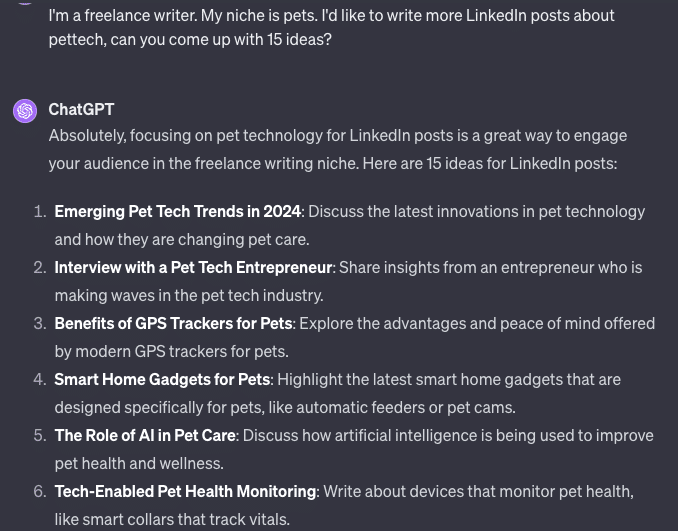
- Leverage AI as a Collaborative Sparring Partner: When facing stubborn creative blocks, utilize advanced AI writing assistants. Prompt the tool to generate baseline angles or outlines for your specific niche, then infuse your personal voice, proprietary experiences, and unique journalistic perspectives to finalize the piece.
Future Outlook: The Compounding Value of a Professional Network
As the digital economy grows increasingly saturated with automated content and AI-generated noise, genuine human expertise, strategic positioning, and authoritative personal branding will command an even greater premium.
Investing just 20 to 30 minutes a day into optimizing your LinkedIn presence creates a powerful compounding asset. Beyond securing immediate, lucrative client contracts, an active profile builds a resilient professional network comprised of industry peers, potential referral partners, and elite editors. In an unpredictable economic climate, a robust network acts as the ultimate career insurance policy, transforming freelance writing from a precarious hustle into a stable, highly scalable enterprise.