

Executive Overview
In a monumental development for European healthcare, the European Society of Cardiology (ESC)—in collaborative partnership with the European Renal Association (ERA)—has officially released its inaugural clinical guidelines dedicated to the integrated management of cardiovascular disease (CVD) occurring alongside chronic kidney disease (CKD). Unveiled at the prestigious ESC Congress 2026 and simultaneously published in the European Heart Journal, this comprehensive policy and clinical framework addresses one of modern medicine’s most insidious intersecting epidemics.
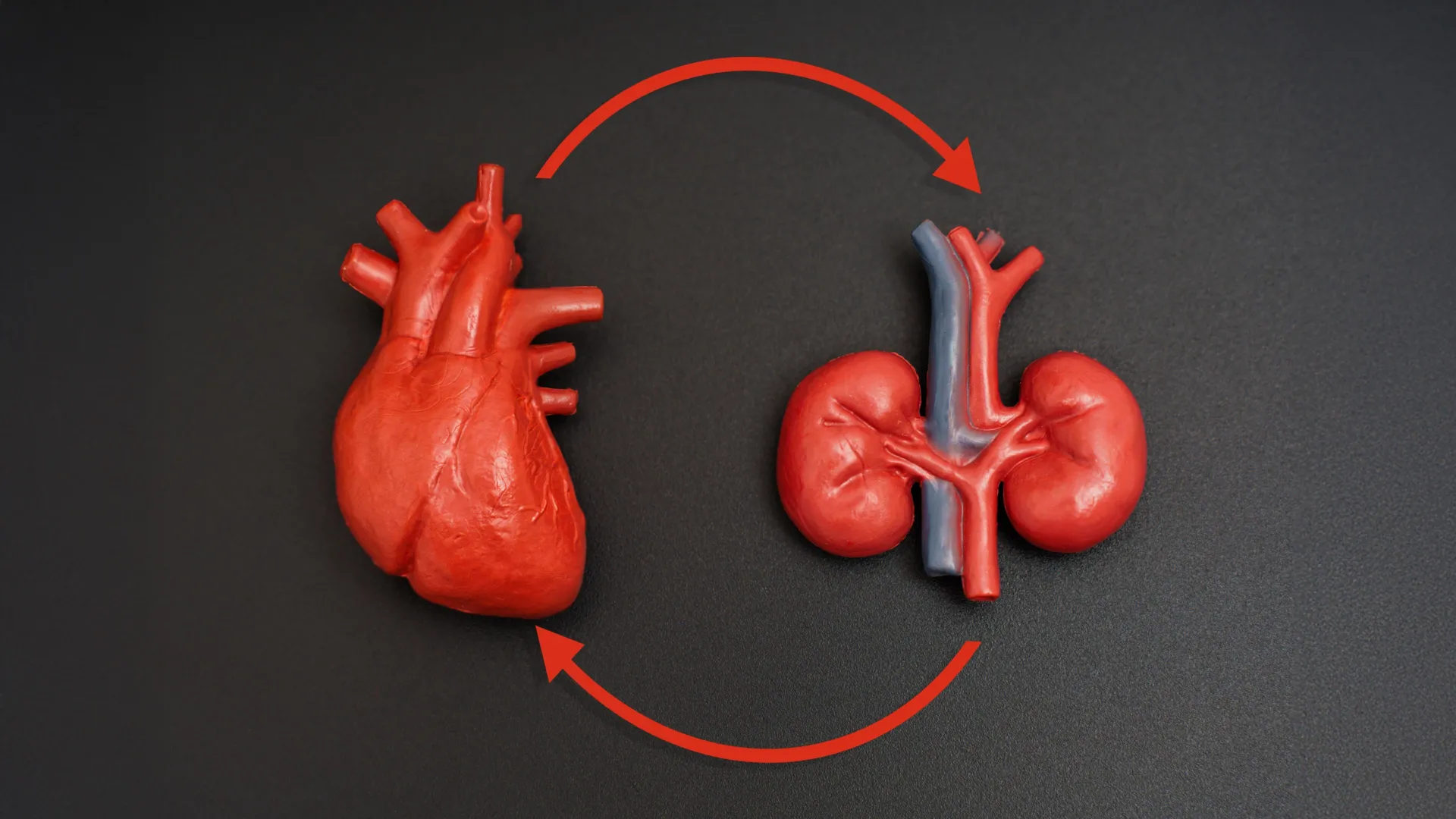
For decades, medical subspecialties have largely operated in silos, treating the heart and the kidneys as distinct, isolated organs. However, physiological reality tells a radically different story. The heart and kidneys are locked in a relentless, bidirectional dialogue; pathology in one organ inexorably inflicts damage upon the other. Recognizing this critical interdependence, the newly minted guidelines aim to dismantle traditional departmental boundaries. By establishing a unified approach to diagnosis, risk stratification, pharmacological intervention, and multidisciplinary healthcare delivery, the ESC and ERA hope to rewrite the life trajectories of millions of patients across Europe.
At the core of this strategy is a novel, easy-to-remember implementation framework known by the acronym ‘STAMP on CKD’: Screen, Triage, Address CKD Risk, Modify CVD management, and Plan health services. This mnemonic serves as a practical roadmap for primary care physicians, cardiologists, nephrologists, and allied healthcare professionals. By mandating early screening among vulnerable populations, optimizing the deployment of life-prolonging therapeutics, and fostering seamless communication between clinical specialties, the guidelines signal a paradigm shift toward truly holistic, patient-centered care.
Detailed Chronology: The Genesis and Architecture of the 2026 Guidelines
The formulation of these landmark guidelines represents the culmination of years of rigorous epidemiological study, clinical trials, and inter-society negotiation. The journey from conceptualization to the grand unveiling at ESC Congress 2026 reflects a growing consensus among international medical leaders that current healthcare infrastructures are failing patients with multi-organ pathologies.
The Spark of Integration
Historically, clinical practice guidelines tended to focus strictly on single-organ conditions. Cardiologists targeted heart failure, coronary artery disease, and arrhythmias, while nephrologists managed glomerulonephritis, dialysis access, and electrolyte imbalances. Yet, epidemiological data consistently showed that the vast majority of patients with chronic kidney disease ultimately succumb not to kidney failure, but to cardiovascular complications. Conversely, patients presenting with heart failure or ischemic heart disease frequently harbor subclinical or progressive renal impairment.
Recognizing this glaring clinical blind spot, the leadership of the ESC and the ERA joined forces to charter a dedicated Task Force. Co-chaired by Associate Professor Kevin Damman from the University Medical Centre Groningen in the Netherlands and Professor William Herrington from the University of Oxford in the United Kingdom, the Task Force was charged with reviewing the totality of cardiorenal evidence and crafting the first unified standard of care.
The Unveiling at ESC Congress 2026
The culmination of the Task Force’s exhaustive labors arrived at the ESC Congress 2026, where the guidelines were formally presented to an international audience of clinicians, researchers, and healthcare executives. The release was met with widespread acclaim, heralded as a long-overdue correction to fragmented medical practice. Simultaneous publication in the European Heart Journal ensured immediate global dissemination, setting off a wave of educational seminars and policy discussions aimed at translating the recommendations into daily clinical workflows.
The ‘STAMP on CKD’ Operational Framework
To ensure that the complex science underpinning the guidelines translates into actionable bedside practice, the Task Force structured their core recommendations around the intuitive STAMP on CKD blueprint:
- S – Screen: Universal testing for CKD in all patients newly diagnosed with cardiovascular disease, utilizing both blood and urine biomarkers.
- T – Triage: Rigorous risk stratification to evaluate the probability of rapid kidney function decline and adverse cardiovascular outcomes using validated prognostic tools.
- A – Address CKD Risk: Immediate initiation of evidence-based, cost-effective therapeutics—such as RAS inhibitors, SGLT2 inhibitors, and statins—to halt disease progression.
- M – Modify CVD Management: Tailoring standard cardiovascular pharmacotherapy and interventions to safely accommodate patients with compromised glomerular filtration rates.
- P – Plan Health Services: Reorganizing clinical pathways to facilitate active communication between cardiology and nephrology, while actively engaging patients and their caregivers in shared decision-making.
Supporting Context & Metrics: The Scale of the Cardiorenal Crisis
To fully appreciate the urgency and necessity of the new ESC/ERA guidelines, one must examine the staggering epidemiological and economic weight of cardiorenal disease across the European continent.
The 100-Million-Patient Burden
Chronic kidney disease is formally diagnosed when structural or functional abnormalities of the kidneys persist for a minimum of three months, resulting in chronic health implications. Across Europe, an estimated 100 million individuals are living with some stage of CKD. Because early-stage kidney disease is largely asymptomatic, a significant proportion of these individuals remain undiagnosed until the disease has progressed to advanced stages, severely limiting therapeutic options.
The Vicious Cardiorenal Feedback Loop
The intersection of heart and kidney disease creates a destructive pathological loop. As articulated by Task Force Co-Chair Associate Prof. Kevin Damman:
"The disability and lifetime lost to each disease are profound, but CKD can accelerate CVD and vice versa, resulting in cardiovascular events and the need for dialysis much earlier in life."
When the kidneys fail to efficiently filter waste products, regulate fluid balance, and maintain electrolyte homeostasis, systemic consequences follow. Chronic inflammation, oxidative stress, vascular calcification, endothelial dysfunction, and fluid overload ensue. These systemic insults place an intolerable mechanical and biochemical burden on the myocardium, accelerating atherosclerosis, precipitating left ventricular hypertrophy, and triggering heart failure.
Conversely, when the heart fails to pump blood efficiently—as seen in heart failure syndromes—renal perfusion plummets. This reduction in blood flow activates neurohormonal pathways, such as the renin-angiotensin-aldosterone system (RAAS), which temporarily preserves blood pressure but ultimately inflicts ischemic damage on delicate renal nephrons. This vicious cycle ensures that pathology in one organ rapidly accelerates the deterioration of the other.
Official Statements and Expert Perspectives
The release of the guidelines prompted powerful commentary from the medical community’s foremost authorities, underscoring both the gravity of the current situation and the transformative potential of the new recommendations.
Reversing the Silo Mentality
Addressing the structural failures of modern healthcare delivery, Professor William Herrington of the University of Oxford emphasized the critical need for cross-specialty vigilance:
"Much patients with CKD are treated by the cardiology community, and the new ESC Guidelines aim to increase the use of kidney function and urine albumin testing in patients with CVD. With improved screening, more at-risk patients can be identified, and the most appropriate treatments for both CKD and CVD can be prescribed."
Historically, cardiologists focused heavily on lipid profiles, blood pressure, and coronary anatomy, occasionally overlooking routine monitoring of estimated glomerular filtration rates (eGFR) or urinary albumin-to-creatinine ratios (UACR). By formally integrating routine renal screening into standard cardiovascular evaluations, the guidelines seek to catch renal decline at its inception, long before dialysis becomes inevitable.
The Pharmacological Revolution
While the epidemiological outlook is sobering, the Task Force co-chairs were eager to emphasize that medicine is entering a golden era of cardiorenal therapeutics. Associate Prof. Damman highlighted the remarkable shifts in pharmacological efficacy witnessed over recent years:
"The good news is that there have been major advances over the last few years, which mean there are now several simple treatments that can substantially lower the risk of both cardiovascular and kidney complications."
Chief among these medical breakthroughs are Sodium-Glucose Co-transporter-2 (SGLT2) inhibitors and Renin-Angiotensin System (RAS) inhibitors, supported by foundational statin-based therapies. Originally developed for metabolic and cardiovascular indications, clinical trials have repeatedly demonstrated that SGLT2 inhibitors exert profound nephroprotective and cardioprotective effects, slowing the progression of renal failure and reducing heart failure hospitalizations across broad patient populations.
Multidisciplinary Care and Patient Empowerment
Beyond pharmacotherapy, the guidelines place heavy emphasis on the human element of medicine. Prof. Herrington noted that bridging specialties requires more than just administrative memos:
"Active and efficient communication between specialties is often necessary due to the complexities associated with CKD. Engagement of patients and family/caregivers in the multidisciplinary care process also helps to ensure patients’ priorities are met, improve their experience and promote patient-centered care."
To support this mission, the Task Force oversaw the creation of a specialized patient version of the guidelines. Designed in accessible language, this companion resource empowers individuals and their families to comprehend their diagnoses, navigate complex therapeutic choices, and participate actively in shared decision-making with their healthcare providers.
Future Outlook: Implementation, Policy, and the Road Ahead
As the medical community digests the profound implications of the ESC/ERA guidelines, attention must inevitably turn to implementation. Publishing recommendations in a high-impact journal is merely the first step; embedding these protocols into the daily rhythms of clinics, hospitals, and primary care networks across Europe will be the ultimate test of their success.
Overcoming Implementation Hurdles
Translating clinical guidelines into everyday practice is notoriously challenging. Healthcare systems vary widely across European nations, facing diverse pressures regarding funding, staffing, and digital infrastructure. To operationalize the ‘STAMP on CKD’ framework, health authorities must invest in robust educational campaigns aimed at general practitioners and non-nephrology specialists.
Furthermore, electronic health record (EHR) systems must be optimized to prompt clinicians automatically when a cardiovascular patient is due for renal screening. Implementing automated calculation of eGFR and UACR flagging can remove cognitive friction, ensuring that routine blood and urine tests are systematically reviewed for cardiorenal risk markers.
Filling Evidence Gaps
In their closing remarks, the Task Force leadership issued a clarion call to the broader research community. While modern therapeutics have dramatically shifted the cardiorenal landscape, significant gaps in clinical evidence remain. Future clinical trials must focus on:
- Optimal Timing of Interventions: Determining the precise windows of opportunity for introducing combination therapies across diverse demographic and phenotypic subgroups.
- Pharmacokinetics in Advanced Renal Disease: Generating robust safety and dosing data for novel cardiovascular drugs administered to patients with severely compromised or end-stage kidney function.
- Digital Health Integration: Assessing the utility of remote monitoring devices and artificial intelligence-driven predictive analytics in tracking cardiorenal stability in outpatient settings.
A Societal Imperative
Ultimately, the ESC and ERA Task Force framed chronic cardiorenal disease not merely as a clinical challenge, but as a profound societal and economic burden. Cardiovascular disease and chronic kidney disease drain billions of euros from healthcare systems annually through hospitalizations, emergency interventions, and expensive renal replacement therapies such as dialysis and transplantation.
By raising awareness, standardizing early screening, optimizing medication protocols, and tearing down the traditional walls separating cardiology and nephrology, these new guidelines offer a beacon of hope. If successfully implemented across Europe, they promise to alleviate immense human suffering, preserve functional independence, and usher in a new era of proactive, integrated cardiorenal care.