

Executive Overview
As the crisp autumn air rolls in and pop culture pivots toward its annual ritual of cinematic scares and seasonal treats, the financial services sector is diving headfirst into the Halloween season with a heavy dose of late-90s nostalgia. In what is rapidly shaping up to be one of the most talked-about advertising campaigns of the fourth quarter, JPMorgan Chase has teamed up with creative powerhouse Droga5 to launch a high-profile, comedic commercial for Chase Freedom. The campaign brilliantly subverts one of the most iconic horror movie openings of all time: the opening sequence of Wes Craven’s 1996 slasher classic, Scream.
Reuniting with original star Drew Barrymore—who famously portrayed doomed teen Casey Becker in the film’s terrifying introduction—Chase has injected fresh comedic energy into a cinematic milestone approaching its monumental 30-year anniversary. In a clever twist that replaces impending doom with financial empowerment, Barrymore answers a chilling phone call, only to discover that the masked killer on the other end isn’t hunting her down—he is calling to deliver some surprisingly good news about her cash back rewards.
Enter comedy superstar Kevin Hart, stepping behind the iconic Ghostface mask. Instead of ending in a gruesome tragedy, the encounter transforms into an enthusiastic, celebratory shopping spree that highlights the robust perks of the Chase Freedom and Freedom Flex cards.
Beyond its comedic value and star-studded cast, this campaign represents a calculated strategic move by Chase. Launched just as consumers gear up for peak fall shopping and holiday travel planning, the ad coincides with the introduction of lucrative new benefits to the Freedom Flex card portfolio. More broadly, the campaign serves as a prime case study in the power of 1990s and Y2K nostalgia in modern advertising. By tapping into the collective cultural memory of consumers who lived through the decade while simultaneously captivating younger Gen Z viewers enamored with pre-algorithm aesthetics, Chase and Droga5 have crafted a masterclass in modern brand storytelling.
Detailed Chronology: The Making of a Modern Horror-Comedy Commercial
The genesis of the Chase Freedom Scream campaign required a delicate balance of cinematic reverence and sharp, self-aware comedy. Bringing back one of the most recognizable horror sequences in cinematic history—while completely altering its emotional payoff—is no small feat.
The Setup: Recreating a Cinematic Milestone
Nearly three decades ago, Scream redefined the horror genre by blending self-referential humor with genuine suspense, starting with a phone call that forever changed how audiences looked at landlines. In the original 1996 film, Drew Barrymore’s character faces a terrifying interrogation about horror movie trivia before meeting a grim fate.
In Chase’s modern iteration, developed by creative agency Droga5, the scene begins with identical atmospheric tension. The dimly lit house, the ominous phone ring, and Barrymore picking up the receiver all trigger immediate, visceral nostalgia for horror aficionados. However, the tone shifts almost instantly. Instead of a deep, raspy voice asking, "What’s your favorite scary movie?", the caller delivers a startlingly mundane yet thrilling piece of financial validation: Barrymore has earned substantial cash back with Chase Freedom.
The Reveal: Kevin Hart as Ghostface
The comedic anchor of the spot relies on the physical contrast and comedic timing between Barrymore and comedy heavyweight Kevin Hart. When Ghostface makes his physical entrance, pulling off the mask to reveal Hart, the menacing aura of the slasher villain dissolves into pure, comedic camaraderie.
Rather than fleeing in terror, Barrymore and Hart lean into the absurdity of the moment, transitioning seamlessly into a vibrant shopping spree. The dialogue pivots from life-or-death survival to the tactical advantages of maximizing everyday purchases through targeted cash back programs. The juxtaposition of a cinematic boogeyman acting as an enthusiastic advocate for personal finance creates an indelible mental image designed to stick with viewers long after the commercial ends.
From Concept to Screen: The Production Timeline
The campaign, slated to roll out across television networks nationwide this week, will be heavily supported by a synchronized wave of digital and social media content running throughout the entire Halloween season. Behind the scenes, the production required meticulous coordination to ensure the visual language of the 1996 original—from the lighting cues to the framing of the shots—was meticulously honored before subverting viewer expectations with the brand reveal.
The rollout follows closely on the heels of a prolific period of high-profile advertising for Chase, which recently deployed campaigns featuring Hart alongside sports icons Stephen Curry and A’ja Wilson, as well as a strategic partnership with digital creator Julian Shapiro-Barnum. By anchoring this specific autumn push to the Scream intellectual property, Chase has ensured maximum cultural cut-through during a crowded fourth-quarter media landscape.
Supporting Context & Metrics: The Economics of 90s Nostalgia
To fully understand why Chase invested heavily in a 1990s cinematic crossover, one must examine the broader macroeconomic and cultural shifts currently driving consumer behavior and advertising strategies.
The Rise of Y2K and 90s Cultural Currency
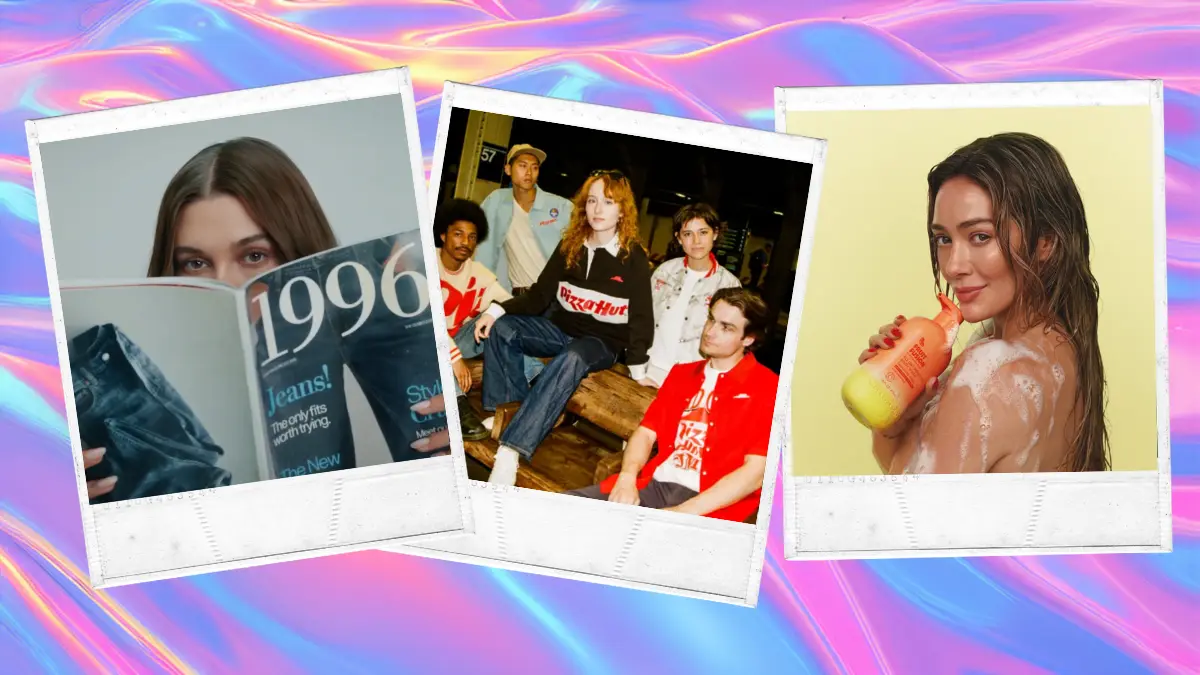
Nostalgia has long been a reliable tool in the marketer’s playbook, but the current obsession with the 1990s and early 2000s possesses unique psychological dimensions. According to recent industry analysis, Y2K and 90s branding has experienced an unprecedented resurgence. This trend operates on a dual track:
- For Millennials and Gen X: It provides a comforting, highly relatable anchor to their formative years, evoking powerful feelings of emotional security and shared cultural milestones.
- For Gen Z: It represents an aspirational, "pre-algorithm" era defined by analog charm, physical media, and a perceived authenticity that predates the hyper-connected, digital-first modern landscape.
Data from consumer research firms indicates that campaigns leveraging 90s nostalgia consistently outperform standard contemporary ads in key engagement metrics, including brand recall, social media sharing, and emotional resonance. When consumers encounter a beloved piece of their past reframed in an unexpected, witty context, it triggers an immediate psychological reaction that compels them to converse, trade memories, and share the content peer-to-peer.

Strategic Timing: Fall Shopping and Travel Planning
From a financial services perspective, the timing of the campaign is precisely calculated. Autumn represents a critical inflection point for consumer spending. As households transition from summer routines into the back-to-school season, and subsequently begin mapping out end-of-year holiday travel and shopping itineraries, credit card utilization traditionally spikes.
By launching a high-impact, culturally resonant campaign right as consumers are rewatching horror classics for Halloween, Chase positions its Freedom and Freedom Flex products at the forefront of consumer consciousness. The campaign acts as a psychological nudge: as viewers plan their seasonal purchases, they are reminded of the tangible value of earning cash back on everyday transactions.
Official Statements and Industry Insights
Key executives behind the campaign have emphasized that the creative direction was deliberately chosen to generate cultural noise and foster authentic consumer connection.
Wittney Rachlin, General Manager at Chase Freedom, explained the strategic imperative behind the massive creative undertaking during a recent press statement:
"It felt right to go big with this one. We’re also celebrating the addition of new benefits to the Freedom Flex card, so we need to make that impact."
Elaborating on the psychological mechanics of nostalgia-driven marketing, Rachlin noted how cultural touchstones act as social currency in modern media consumption:
"When something from your past suddenly shows up in a new way, it gets a reaction. People want to talk about it, trade memories and share it with someone who will instantly get the reference. We wanted the commercial to create that kind of moment."
Industry analysts have praised the campaign for its agility. In a landscape where consumers are increasingly quick to skip or ad-block traditional promotional content, integrating a beloved cinematic property with A-list comedic talent creates an entertaining narrative arc that viewers actually choose to watch and share.
Future Outlook: What This Means for the Future of Financial Advertising
The success of Chase’s collaboration with Droga5 signals a broader evolutionary shift in how financial institutions market themselves to increasingly fragmented audiences. Gone are the days when dry, transactional messaging about interest rates and credit limits could reliably capture market share, particularly among younger demographics who value brand personality, humor, and cultural relevance above all else.
1. The Death of Conventional Financial Marketing
As neobanks and fintech disruptors continue to crowd the financial services ecosystem, legacy institutions like JPMorgan Chase are forced to innovate aggressively in their brand positioning. By aligning credit card products with major pop-culture franchises, Chase elevates financial tools from utilitarian plastic cards to lifestyle accessories that participate directly in cultural conversations.
2. The Expansion of Nostalgia-Driven Brand Partnerships
Following in the footsteps of recent campaigns—such as Dunkin’ enlisting members of the Spice Girls to promote autumn pumpkin spice beverages—brands across all verticals are recognizing that cross-generational nostalgia is a potent antidote to ad fatigue. We can expect to see an acceleration of intellectual property (IP) mashups, where classic film and television properties are licensed not just for reboots or merchandise, but as narrative vehicles for commercial enterprises.
3. The Omnichannel Integration Imperative
A cornerstone of the Chase Freedom Scream rollout is its seamless transition from linear television to social media platforms. As digital-native consumers increasingly split their media consumption between streaming services, short-form video platforms, and social feeds, future financial campaigns will need to be natively optimized for digital ecosystems. The longevity of this campaign will not be measured solely by TV ratings, but by how effectively Ghostface and Drew Barrymore memes circulate across TikTok, Instagram, and X (formerly Twitter) throughout the 2024 Halloween season.
Conclusion
Chase’s clever resurrection of Scream proves that financial advertising doesn’t have to be sterile or predictable. By fusing iconic 90s horror nostalgia with top-tier comedic star power and practical consumer benefits, Chase and Droga5 have delivered a campaign that cuts through the noise of the fourth-quarter marketing scramble. As consumers navigate their autumn shopping and holiday travel preparations, they do so with a stark reminder: getting cash back with Chase Freedom is one horror story that actually has a happy ending.