

Executive Overview
In a seismic development that fundamentally redraws the boundaries of modern media, Paramount Skydance has reached a definitive settlement with a coalition of state attorneys general, clearing the primary legal hurdle standing in the way of its colossal $110 billion acquisition of Warner Bros. Discovery (WBD). Announced on Monday, the agreement effectively defangs an antitrust challenge led by California Attorney General Rob Bonta alongside counterparts from 11 other states. By neutralizing this substantial roadblock, the path has been cleared to place legendary news institutions CNN and CBS News—alongside a sprawling empire of Hollywood studios, cable networks, and premier streaming services—under the exact same corporate roof.
For months, the blockbuster merger has captivated and alarmed industry observers, labor unions, and regulators alike. Critics cautioned that the consolidation of two major movie studios and two of the most influential television news networks in the democratic world posed severe threats to viewpoint diversity, labor stability, and consumer choice. Yet, faced with the realities of a shifting economic climate, political pressures, and staggering financial penalties tied to lingering deal timelines, the momentum toward corporate consolidation proved unstoppable.
According to an internal staff memo circulated by Paramount Skydance CEO David Ellison, the company anticipates that the transaction will officially cross the finish line in approximately two weeks. The swift resolution avoids a high-stakes antitrust trial originally scheduled for March 2027. It also spares Paramount Skydance from a punishing "ticking fee" provision—requiring quarterly payments of 25 cents per share, roughly $650 million—that would have kicked in had the transaction failed to close by September 30.
As the dust settles, the implications of this merger extend far beyond Wall Street balance sheets. The unification of Paramount+ and WBD’s HBO Max will forge a titanic streaming monolith with a global subscriber base exceeding 220 million households, setting the stage for a ferocious head-to-head battle with Netflix and Disney+. Simultaneously, the structural concessions carved into the state settlement—including plans for an independent oversight board to insulate CNN and CBS News from editorial interference—attempt to address profound public anxieties regarding media concentration. Nevertheless, media analysts argue that the rapid erosion of legal resistance signals a watershed moment in American corporate history: a clear indicator that regulatory safeguards governing mass media ownership have effectively dissolved.
Detailed Chronology: From Initial Ambitions to the State Settlement
The trajectory of the Paramount Skydance and Warner Bros. Discovery merger has been defined by blistering corporate maneuvering, intense regulatory scrutiny, and a relentless race against contractual deadlines. To understand how the media landscape arrived at this historic convergence, it is necessary to examine the pivotal milestones that defined the deal’s ascent.
The Genesis of the $110 Billion Mega-Merger
The contours of the deal began taking shape as legacy media conglomerates struggled to adapt to the post-pandemic streaming paradigm. Facing mounting subscriber acquisition costs, cord-cutting attrition, and the high price of prestige content creation, leadership at Paramount Skydance recognized that scale was no longer merely an advantage—it was an existential necessity. The proposal to absorb Warner Bros. Discovery represented one of the most ambitious corporate roll-ups in entertainment history, combining iconic Hollywood intellectual property libraries, broadcast networks, linear cable channels, and massive digital footprints into a single behemoth.
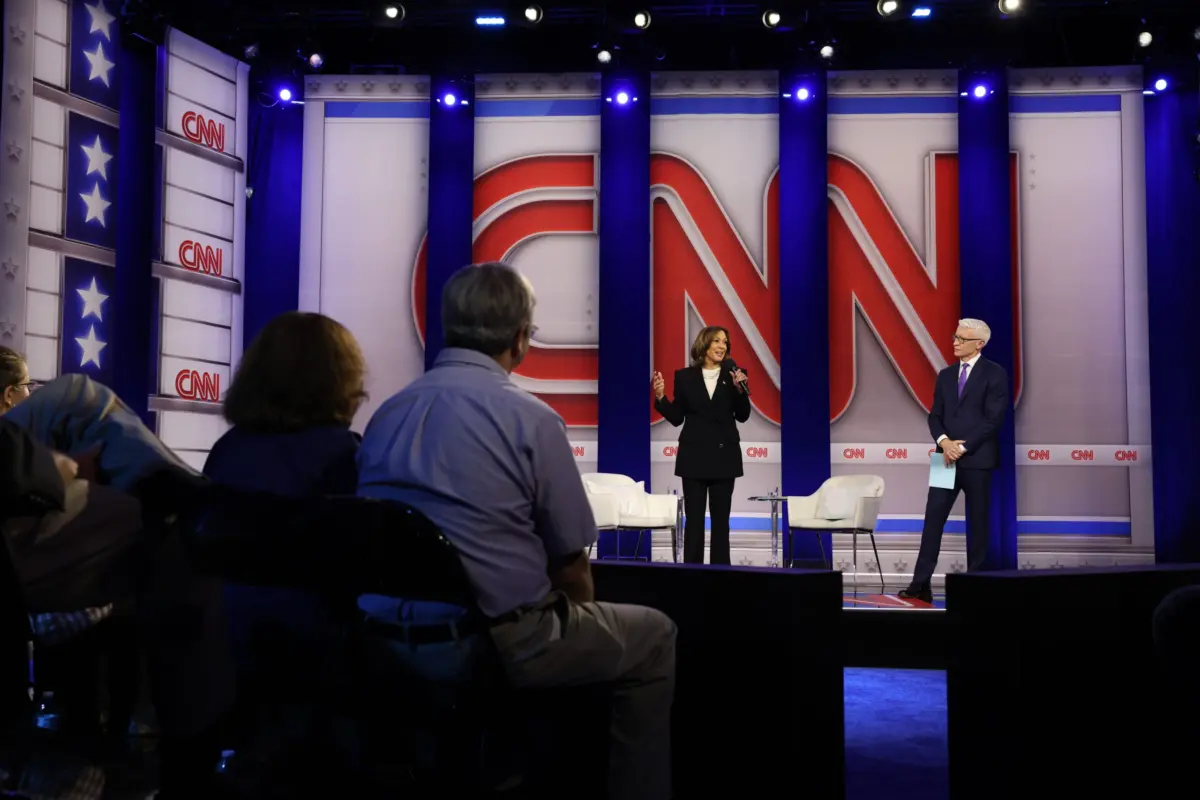
However, the sheer magnitude of the transaction immediately triggered alarm bells across regulatory agencies, labor unions, and state capitals. Central to the controversy was the unprecedented combination of two heavyweights of broadcast and cable journalism: CNN, long a staple of global breaking news under the WBD umbrella, and CBS News, a foundational pillar of American journalism housed within Paramount.
The State-Level Antimonopoly Pushback
In July, a coalition of 12 state attorneys general, spearheaded by California’s Rob Bonta and joined by New York and ten other states, filed an aggressive antitrust lawsuit to block the merger. The legal challenge targeted the structural overlap of the two historic movie studios. State officials warned that the union would inevitably trigger mass layoffs—particularly within California’s robust production ecosystem—reduce the overall volume of theatrical and television content, drive up distribution costs, and leave movie theaters, basic cable operators, and everyday consumers with diminished leverage and fewer choices.
Beyond the economic fallout for film production, Attorney General Bonta heavily emphasized the societal danger of consolidating journalistic power. In public statements, Bonta argued that placing CNN and CBS News under identical corporate ownership would create "fewer opportunities for Americans to hear the full breadth of information and opinions on a subject, and then come to their own conclusions."
The Ticking Clock and the Road to Settlement
As the legal battle lines were drawn, a trial date was formally locked in for March 2027. Joining the state attorneys general in opposition was the Writers Guild of America (WGA), which raised fierce objections over the impact of corporate consolidation on creator compensation and industry-wide employment stability.
Yet, Paramount Skydance held a powerful financial incentive to bypass a protracted courtroom battle. The merger agreement contained a stringent "ticking fee" stipulation. If the acquisition failed to close by September 30, Paramount Skydance was contractually obligated to pay its shareholders 25 cents per share every quarter—a staggering penalty amounting to approximately $650 million per three-month cycle.
Facing these mounting liabilities, alongside shifting political calculations, negotiations between Paramount Skydance and the opposing state attorneys general accelerated through the late summer. By Monday, the breakthrough was formally announced: Paramount Skydance agreed to a settlement framework that removed the state-level lawsuits, clearing the runway for David Ellison and his executive team to finalize the acquisition.
Supporting Context & Metrics: Market Impacts and Financial Realities
The closure of the Paramount Skydance-WBD deal is not merely a corporate milestone; it represents a profound structural realignment of the global media economy. Analysts, market researchers, and financial institutions are already parsing the metrics to gauge how this new colossus will alter competitive dynamics.
The Unravelling of Regulatory Leverage
Industry experts have offered candid assessments regarding the ease with which Paramount Skydance navigated the antitrust challenges. Ross Benes, a senior analyst at Emarketer, noted that despite the fierce rhetorical posture struck by state officials, "California did not have as much leverage as it portrayed."
"The threat of political backlash over job losses outweighed the need to push back against corporate consolidation or protect consumer interests," Benes explained. He further observed that Paramount Skydance’s ability to steamroll legal obstacles demonstrates that federal and state regulations governing mass media ownership have essentially ceased to function as meaningful deterrents in the United States.
The Streaming Wars: A New Global Hegemony
On the digital front, the merger fundamentally rewrites the competitive playbook for subscription video-on-demand (SVOD) platforms. Prior to the transaction, Paramount Skydance operated Paramount+, commanding a healthy subscriber base of nearly 82 million accounts globally. Meanwhile, Warner Bros. Discovery anchored its digital presence with HBO Max, boasting over 140 million subscribers worldwide.

Once finalized, the combined enterprise will house a subscriber ecosystem approaching 230 million users, backed by one of the largest and most valuable content libraries in the history of entertainment. Executives have confirmed that Paramount+ and HBO Max will eventually merge into a single, unified digital platform. This consolidation gives the new entity the financial muscle and content depth required to go toe-to-toe with established market leaders Netflix and Disney+.
Mike Proulx, vice president and research director at Forrester, underscored the gravity of this digital union. "This settlement materially changes the trajectory of the streaming wars heading into 2027," Proulx stated. "A combined Paramount and HBO Max has the kind of heft to take on the likes of Netflix, pairing two major studios with what will become one of the industry’s largest content libraries under a single roof."
Crucially, incoming leadership has moved swiftly to address brand-integrity concerns, assuring creators and consumers alike that HBO will retain its creative independence as a prestigious sub-brand within the broader streaming ecosystem, preserving the artistic autonomy that has long defined its output.
The Fate of Cable and the Newsroom
As part of the settlement terms brokered with the 12 state attorneys general, the structural blueprint of the deal underwent subtle but critical modifications. Reports indicate that the agreement may bypass the outright sale of linear cable networks, choosing instead to implement strict corporate safeguards. Most notably, Paramount Skydance has agreed to establish an independent oversight board specifically tasked with preventing editorial interference at CNN and CBS News.
This concession is designed to mitigate public and regulatory concerns regarding the concentration of journalistic gatekeepers. By insulating newsrooms from corporate directives, the independent board aims to safeguard the editorial integrity of two networks that reach hundreds of millions of viewers daily.
Official Statements and Internal Communications
Amid the whirlwind of legal settlements, financial calculations, and structural restructuring, executives and newsroom leaders have worked diligently to project stability to nervous employees and restless creative partners.
David Ellison’s Vision for a Two-Week Close
In an internal staff memo obtained by industry outlets, Paramount Skydance CEO David Ellison struck an optimistic and resolute tone. Addressing employees directly following the announcement of the state settlement, Ellison indicated that all major legal hurdles had been successfully cleared and expressed confidence that the transaction would formally close in approximately two weeks.
Ellison’s leadership team has framed the merger not as a downsizing exercise, but as an expansionary maneuver designed to secure long-term viability in an era dominated by tech giants and global streaming disruptors. By pooling resources, the combined entity aims to optimize production slates, enhance technological infrastructure, and streamline distribution channels across both traditional and digital mediums.
CNN Leadership Calms the Waters
For the journalists, producers, and operational staff inside CNN, the extended merger process has been a period of acute anxiety. Questions regarding potential redundancies, editorial direction, and corporate oversight have loomed large since the deal was first proposed.
In response, CNN CEO Mark Thompson has taken proactive steps to steady the newsroom. During a recent global town hall meeting, Thompson urged staffers to navigate the uncertainty with resilience and professionalism. He advised employees to execute their day-to-day strategy "with confidence and gusto" rather than becoming paralyzed by the unknown variables of corporate integration.
Thompson’s messaging underscores a broader institutional effort to insulate daily journalism from executive-suite drama, reinforcing the network’s commitment to rigorous reporting even as its corporate parent undergoes a historic transformation.
Future Outlook: What Lies Ahead for the Media Ecosystem
As the final paperwork is drawn up and the countdown to closing day ticks away, the media industry is holding its breath to witness how this massive corporate marriage will function in practice. The coming months will test whether Paramount Skydance can successfully integrate two vastly different corporate cultures, legacy infrastructures, and digital platforms without alienating creators, consumers, or regulators.
1. Integration of Streaming Architectures
The consolidation of Paramount+ and HBO Max into a single application will be the most visible consumer-facing test of the merger. Managing migration paths for over 220 million subscribers, unifying billing systems, and harmonizing pricing tiers without triggering massive churn will require flawless technical execution. Furthermore, balancing the prestige identity of HBO with the mass-market appeal of Paramount’s library will demand careful brand management.
2. Regulatory Watchfulness and Labor Relations
While the state-level antitrust lawsuit has been settled, labor organizations such as the Writers Guild of America and SAG-AFTRA remain vigilant. The consolidation of major Hollywood studios historically results in diminished production volumes and downward pressure on labor compensation. Union leaders have signaled that they will closely monitor compliance with settlement terms, particularly regarding employment levels in California and New York, as well as the operational independence of the newly formed independent news board.
3. The New Competitive Landscape
Heading into 2027, the entertainment ecosystem will be defined by an intense triopoly between Netflix, Disney+, and the newly forged Paramount-WBD powerhouse. Traditional media companies will be forced to evaluate whether further consolidation is necessary to survive in an environment where scale dictates profitability.
Ultimately, the settlement between Paramount Skydance and the state attorneys general marks the end of an era of legal pushback against media concentration. As David Ellison prepares to steer the combined company into its next chapter, the eyes of the global financial markets, the journalistic community, and millions of entertainment consumers remain fixed on the horizon, watching to see how a consolidated media world will shape the future of information and culture.