

Executive Overview
As the countdown to November 19 ticks away, the global entertainment industry finds itself bracing for an event of unprecedented magnitude. Grand Theft Auto 6 (GTA 6) is not merely launching as a video game; it is poised to dominate the cultural zeitgeist, capturing the attention of millions worldwide in what is anticipated to be the largest entertainment release in human history.
Thirteen years have passed since Rockstar Games released Grand Theft Auto V—a juggernaut that shattered industry records, redefined open-world design, and shipped an astonishing 235 million copies globally. The weight of expectations resting on GTA 6 is monumental. Yet, rather than shying away from the pressure, Rockstar Games and its parent company, Take-Two Interactive, have leaned into the anticipation, orchestrating a masterclass in experiential marketing, technological ambition, and cultural immersion.
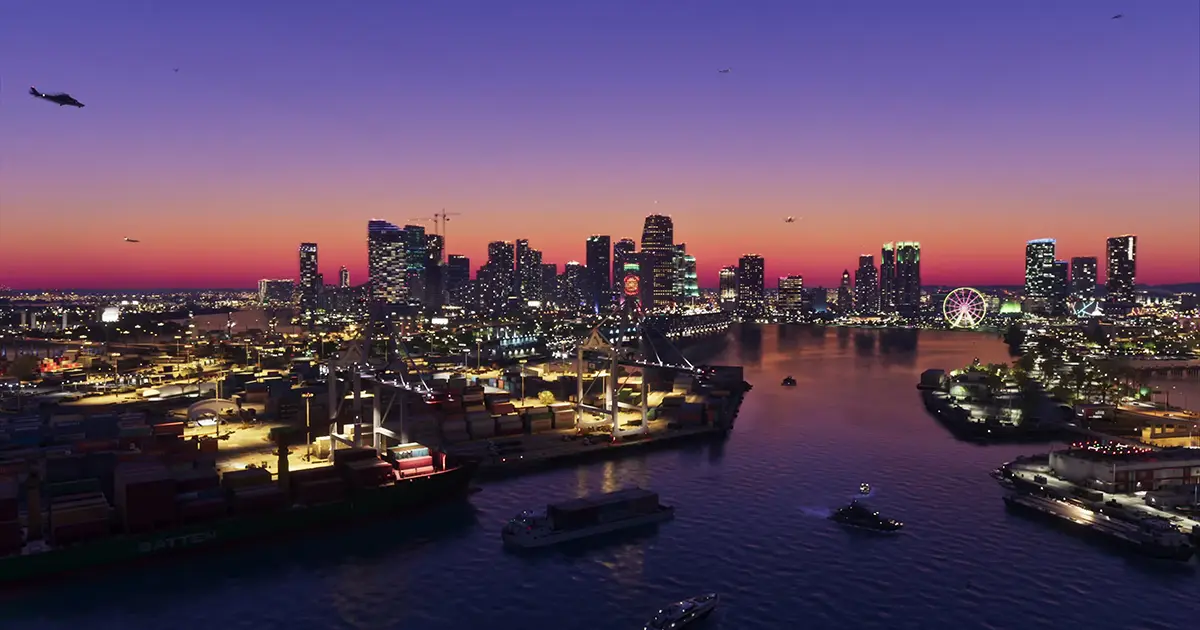
At its core, GTA 6 marks a triumphant return to Vice City, Rockstar’s fictionalized, neon-drenched homage to Miami, set within the sprawling, sun-baked borders of the fictional state of Leonida. But the marketing campaign has transcended traditional digital trailers and print advertisements. Over the past several weeks, the developers have executed a bold real-world takeover of Miami, transforming iconic physical landmarks into living, breathing easter eggs from the game. By blurring the lines between virtual and physical reality, Rockstar has transformed the release into an interactive, real-world phenomenon.
This report provides a comprehensive, investigative analysis of the buildup to GTA 6, exploring the historical context of the franchise, the mechanics of its real-world marketing blitz, the financial and cultural metrics underpinning its release, and the profound implications this launch holds for the future of the interactive entertainment industry.
Detailed Chronology: From GTA V to the Streets of Leonida
A Thirteen-Year Interregnum
To understand the seismic nature of GTA 6, one must first examine the sprawling legacy of its predecessor. Released in September 2013 for the PlayStation 3 and Xbox 360, Grand Theft Auto V arrived in a vastly different technological and cultural era. Over three console generations—spanning the PS3/Xbox 360, PS4/Xbox One, and PS5/Xbox Series X/S—the game maintained an ironclad grip on the charts. Its longevity was largely sustained by Grand Theft Auto Online, a constantly evolving multiplayer sandbox that generated billions of dollars in recurring consumer spending and created a blueprint for modern "games-as-a-service" models.
However, as years turned into a decade, the demand for a mainline sequel reached a fever pitch. Fans dissected every financial earnings call from Take-Two Interactive for subtle hints, while internet sleuths analyzed reflection maps and audio compression algorithms in trailers for clues. The pressure on Rockstar Games—a studio renowned for its meticulous attention to detail and uncompromising development cycles—was immense.
The Leak and the Official Reveal
The timeline of GTA 6 entered a chaotic phase in September 2022, when a massive security breach resulted in the leak of early development footage. While the leak exposed unfinished gameplay mechanics and internal workflows, it inadvertently confirmed what fans already suspected: the franchise was returning to Vice City, and it would feature dual protagonists, echoing the criminal partnership of Bonnie and Clyde.
Rockstar handled the crisis with measured silence, eventually breaking the internet in December 2023 with the release of the official Trailer 1. The trailer shattered YouTube records, accumulating over 100 million views within 24 hours. It showcased a modern, social-media-obsessed Vice City, teeming with chaotic wildlife, vibrant nightlife, and breathtaking graphical fidelity.
The Real-World Takeover of Miami
In the final stretch leading up to the November 19 launch, Rockstar shifted from digital promotion to environmental storytelling. Over the past several weeks, residents and tourists in Miami have witnessed the gradual transformation of the city. Iconic local spots, historical architecture, and popular beaches have been subtly—and sometimes overtly—redesigned to mirror the aesthetics of Leonida.
- Neon Landmarks: Historic Art Deco buildings along Ocean Drive have been outfitted with temporary, game-accurate signage, featuring fictional corporate entities and radio station logos native to the GTA universe.
- Immersive Easter Eggs: Pop-up art installations, branded classic cars parked in high-traffic zones, and cryptic billboard advertisements have appeared overnight, driving viral engagement across TikTok, Instagram, and X (formerly Twitter).
- Community Engagement: Street-level activations have allowed fans to interact directly with branded merchandise, exclusive apparel drops, and localized scavenger hunts that reward participants with digital and physical memorabilia.
This strategy has effectively turned Miami into a living movie set, merging the mythos of Vice City with the reality of South Florida.
Supporting Context & Metrics: The Economics of a Titan
Financial Projections and Market Impact
The economic footprint of Grand Theft Auto VI cannot be overstated. Analysts across Wall Street and the gaming sector have designated the title as a potential multi-billion-dollar launch window event. Take-Two Interactive’s stock price has historically fluctuated in direct correlation with news surrounding the franchise’s development timeline.
- Development Costs: While official figures have not been formally disclosed, industry insiders estimate that GTA 6 boasts a production and marketing budget exceeding $1 billion, making it the most expensive entertainment product ever created.
- Sales Forecasts: Financial institutions project that the game will easily surpass 50 million units sold within its first fiscal quarter, potentially generating upwards of $3 billion in day-one revenue alone.
- Hardware Sales Catalyst: Much like its predecessor, GTA 6 is expected to act as a massive catalyst for current-generation console sales. Millions of players who have delayed upgrading to the PlayStation 5 Pro or Xbox Series X are expected to purchase new hardware specifically to experience the game at peak performance.
The Cultural Footprint
Beyond the balance sheets, GTA 6 represents a defining cultural document of the 2020s. By integrating modern socio-cultural phenomena—such as the obsession with viral short-form video content, livestream culture, influencer mentalities, and the socio-economic pressures of modern urban life—Rockstar is positioning the game as a satirical mirror of contemporary society.
The choice to return to Vice City is also calculated. While the original 2002 Vice City captured the neon-soaked, synth-pop nostalgia of the 1980s, the modern iteration tackles the absurdities of the digital age. It explores how social media algorithms, hyper-connectivity, and sensationalism shape human behavior in a sun-drenched playground of excess.
Official Statements and Industry Insights
The gravity of the GTA 6 release has prompted reflections from top executives, industry analysts, and creative leads across the entertainment landscape.
In a recent investor briefing, Take-Two Interactive CEO Strauss Zelnick emphasized the company’s commitment to perfection over expediency:
"Our goal with Grand Theft Auto VI is not simply to meet the expectations of our passionate fanbase, but to shatter them entirely. Rockstar Games is operating at the absolute pinnacle of its creative powers, striving for a level of operational and artistic perfection that will redefine what is possible in interactive media."
Industry analysts have similarly underscored the unique pressure GTA 6 places on competing publishers. Speaking on condition of anonymity, a senior entertainment strategist noted:
"No major studio is scheduling a AAA game release within a six-week window of November 19. To launch a competing title alongside GTA 6 is commercial suicide. The entire industry is clearing the runway for Rockstar."
Creative directors from rival studios have also praised Rockstar’s marketing approach, specifically pointing to the Miami street takeovers as a masterclass in experiential engagement. By avoiding traditional corporate press junkets and instead embedding the brand directly into the urban landscape, Rockstar has fostered a sense of organic discovery and communal anticipation that cannot be replicated through standard advertising channels.
Future Outlook: What GTA 6 Means for the Next Decade of Gaming
As the industry looks past the November 19 launch date, the long-term ramifications of Grand Theft Auto VI will begin to ripple across the technological and cultural landscape.
Technical Benchmarks and Hardware Limitations
GTA 6 is being developed exclusively for current-generation hardware, bypassing the aging architecture of the PS4 and Xbox One entirely. This decision allows Rockstar’s engineers to push graphical fidelity, physics simulation, artificial intelligence routines, and population density to unprecedented heights. The game is expected to set a new technical benchmark for open-world design, forcing other developers to rethink how they utilize hardware resources, streaming assets, and procedural generation.
The Evolution of Online Ecosystems
While the single-player narrative campaign will command the initial spotlight, the eventual rollout of the next-generation GTA Online successor will dictate the trajectory of online multiplayer gaming for the next decade. The economic model pioneered by GTA V—sustained microtransactions, regular content updates, and a persistent virtual economy—will undoubtedly evolve, setting new standards for player retention, virtual real estate, and digital fashion integration.
A New Cultural Paradigm
Ultimately, Grand Theft Auto 6 transcends the medium of video games. It stands alongside major cinematic blockbusters and global musical events as a defining cultural milestone. As Vice City opens its doors on November 19, millions of players will step into a meticulously crafted world that has been over a decade in the making.
In doing so, they will not only participate in the launch of a game; they will bear witness to a watershed moment in modern entertainment history—one whose influence will be felt across technology, art, and commerce for years to come.
